Table of Contents |
Conflict arises from a perceived scarcity of resources and is a disagreement or clash between individuals or groups with opposing ideas, interests, or values. It can stem from differences in beliefs, goals, or needs, manifesting in verbal disputes, physical altercations, or subtle tensions. Conflict is natural in human interaction and can occur in personal relationships, in workplaces, in communities, and between nations. Although disruptive and stressful, conflict can also lead to growth, change, and improved understanding when managed effectively.
Your roommates are frustrated about dishwasher loading, colleagues disagree on presentation priorities, or a neighbor wants to cut down a beloved tree—these are all examples of conflict. Conflict occurs when interactions impede goals, needs, or well-being and always involve parties in a relationship. The primary issue in a conflict is a need or interest, which is seen as essential to satisfaction or happiness.
Frequently, when describing conflict, people focus on their reactions. Imagine a workplace disagreement between Janet and Mo.
IN CONTEXT
Janet says: “I was so frustrated. Mo ignored my email about the project deadline. I approached Mo and said, ‘Mo, we need to discuss the timeline for the project.’
Mo shrugged and said, ‘I’ll get to it when I can.’
I felt dismissed and told Mo, ‘This is important; we can’t afford delays.’
Mo responded, ‘You’re overreacting, Jane’, and walked away.”
Jane recounts the conflict by focusing on her words, her actions, Mo’s responses, and her emotions. This typical reaction highlights personal viewpoints, feelings, and interpretations of events. When discussing conflict, it helps to step back and examine the basic elements of conflicts—not just personal reactions but what is truly happening.
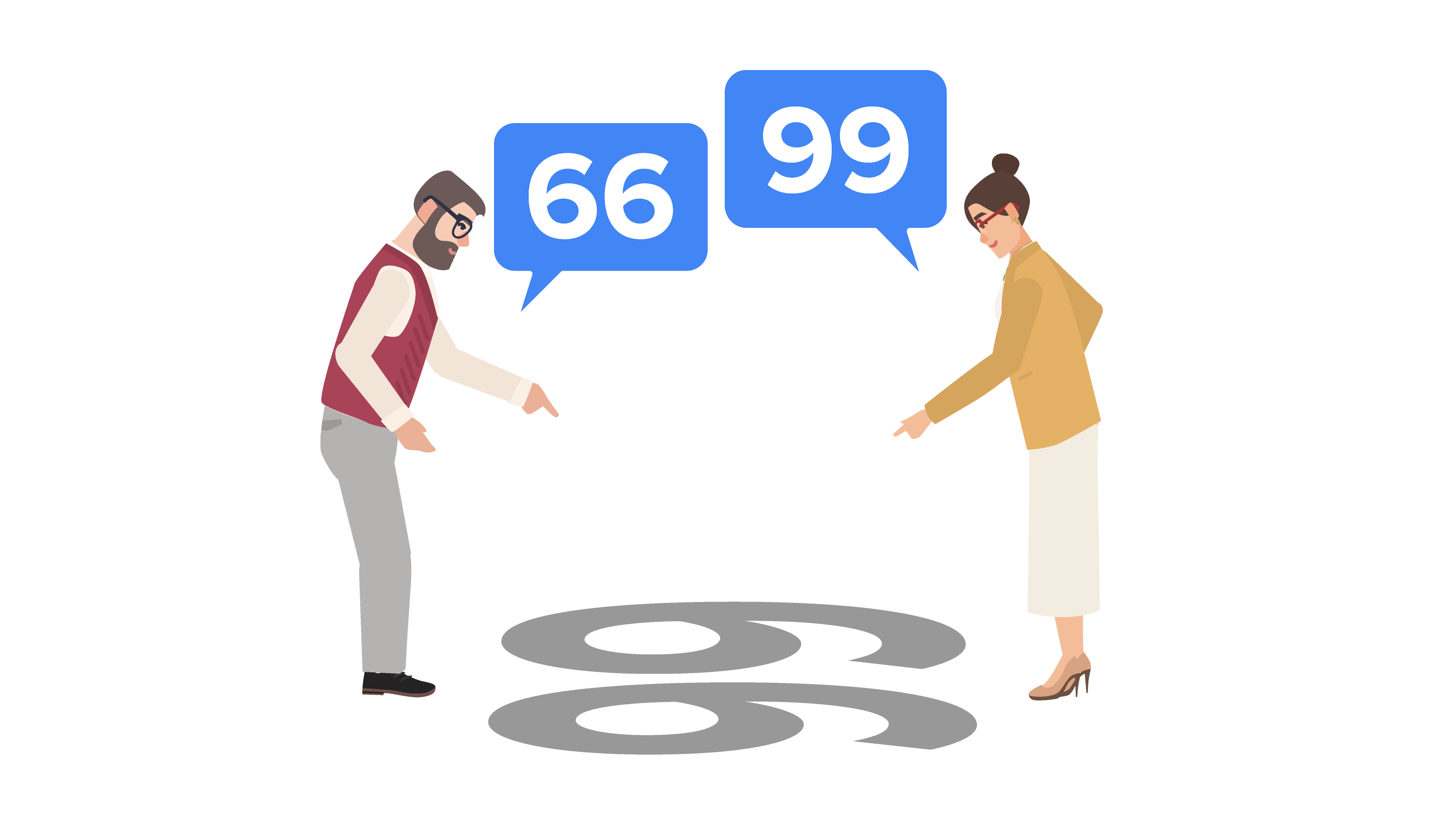
Conflicts can emerge in a variety of situations where parties feel their needs or wants aren’t being met. Let’s look at some examples illustrating everyday conflict:
EXAMPLE
Conflict between friends: Janet wants to roll up the car windows and turn on the heat because she’s cold. Dee prefers the windows down for the fresh air, which keeps her alert while driving. Here, the conflict arises from Janet’s need for a comfortable temperature and Dee’s need for fresh air.EXAMPLE
Conflict in a relationship: John wants to buy a motorcycle as a treat for himself. His husband Antony thinks motorcycles are dangerous and doesn’t see it as a worthwhile purchase. The conflict is between John’s desire for a motorcycle and Antony’s opposition to it.EXAMPLE
Conflict at work: Jordan maintains the office printer by refilling paper and replacing ink, but his colleagues often leave it empty or jammed. Jordan wants a functional printer without being solely responsible for its upkeep, while his coworkers are disengaged in maintaining it.These examples highlight how everyday conflicts arise from differing needs and wants in various relationships and settings.
Conflict in a neutral state
Conflict arises from a perceived divergence of interests, where parties believe they want different things. In interpersonal conflicts, this means perceiving incompatibility between what you and someone else want. However, that isn’t always the case.
EXAMPLE
Consider two sisters who wanted an orange but only had one. They fought, eventually cutting it in half. Later, they discovered one wanted the rind for baking and the other the juice. If they had communicated, they would have realized there was no competition, and both could have had what they wanted.Perception of conflict as good
Conflict can arise from differences of opinion, scarcity of resources, personal beliefs, or other factors. When we perceive conflict as good, we see it as an opportunity for growth or positive change. Here are examples where this perception leads to positive outcomes:
EXAMPLE
Conflict often arises in work teams. If team members have differing ideas on a project, suggest an open dialogue about everyone’s perspectives instead of letting the conflict escalate. Through discussion, you combine ideas, resulting in a stronger final product and a strengthened team relationshipEXAMPLE
You’ve completed an amazing project with your team, excited to implement it at the company level, only to find another team competing for the same budget. Both projects are important, so you call a meeting to see if the budget can accommodate both. After discussing details and identifying overlaps, both teams create a joint proposal that fits the budget and leverages the strengths of both projects.EXAMPLE
Jess and Ellis, who work together, have a conflict. Jess observes a religious tradition requiring breaks, while Ellis, who dislikes breaks, feels disrupted. Ellis becomes visibly irritated and comments on Jess’s lack of respect for the work. Later, Jess explains the importance of their practice, and Ellis explains the need for minimal disruption. Through discussion, they find a solution accommodating both needs, fostering a more inclusive and supportive work environment.Perception of conflict as bad
When we see conflict as bad, it often leads to negative outcomes and becomes more difficult to resolve. Here are examples where perceiving conflict negatively can lead to poor results:
EXAMPLE
In a team with differing ideas, no one suggests open dialogue, so there’s no agreement on the project direction. Differences are seen as a hindrance, leading to communication breakdown, defensiveness, and prioritization of personal agendas over team goals. As tensions rise, team morale and productivity drop. Jules, a lead producer known for winning ideas, resigns, making future success even harder for the team.EXAMPLE
Continuing from the example above, Alex now oversees the dysfunctional team. Previously a positive person willing to talk things out, Alex is now stressed, and it’s affecting their personal life. Alex and Shae, best friends for 20 years, are having disagreements about their time together. Instead of resolving differences, Alex starts avoiding Shae, leading to less time together. Because they view the distance as unfixable, their conflict grows into resentment, and they eventually stop speaking. Had they seen the conflict as an opportunity for growth, they could have addressed their differences and maintained their friendship. Instead, they let the conflict escalate and end their relationship.EXAMPLE
By the time we see an escalated conflict, much has occurred below the surface. In the positive examples where conflict was addressed early through communication, there wasn’t much negativity to sort through. When conflict is viewed negatively, it can escalate destructively. For example, if two neighboring countries face a scarcity of vital resources like water or fertile land and their leaders see the situation as a zero-sum game, this fuels animosity and distrust, leading to armed conflict. The negative perception of conflict exacerbates tensions and perpetuates violence, highlighting the importance of seeking peaceful resolutions, even in times of scarcity.Conflict is characterized by several common features that interact to create and escalate tensions. Typically, conflicts arise from perceived incompatible goals or desires. Miscommunication and misunderstandings can heighten emotional responses like anger and frustration. Conflicts are often fueled by perceived scarcity of resources, differing values, beliefs, and power imbalances. Personal differences in personality and attitudes, along with unresolved issues, complicate interactions. Recognizing these features is crucial for understanding and resolving disputes.
Conflict usually involves a perceived incompatibility over the following:

Once a conflict surfaces, power becomes involved. Power is the ability to control individuals or groups through influence, force, coercion, or manipulation to make them do something they wouldn’t otherwise do. Power can take many forms.

EXAMPLE
Consider the situation with the two sisters and the orange. Initially, both wanted the orange and started fighting. Focused on winning, they split the orange. Later, they realized one wanted the rind for baking and the other the juice. Communication could have resolved this without conflict.Now, let’s explore other ways they could use power to resolve their conflict:
Source: THIS TUTORIAL WAS AUTHORED BY MARLENE JOHNSON (2019) and STEPHANIE MENEFEE and TRACI CULL (2024). PLEASE SEE OUR TERMS OF USE.