Table of Contents |
A work of art is an object that has been designed for its aesthetic appeal, or an object that has come to be appreciated as a work of art. In Western art history, a masterpiece is an exceptional work of art. According to this idea, which the history of Renaissance art has heavily influenced, masterpieces reveal the genius of their creators, who may or may not have received divine inspiration while making them.
Closely related to the ideas of genius and masterpiece, originality is the idea that a work of art is the result of an artist’s unique vision and not of outside influences, such as other works of art. The idea of the masterpiece is one that we should consider critically. It is a good place to apply a decolonial perspective, asking questions like:
EXAMPLE
Michelangelo’s Pietà is a work of undeniable skill and beauty. It depicts the moment when Mary is handed the body of her son, Jesus, after he had been taken down from the cross. Michelangelo conveys the emotion and weight of the body, but also the beauty of the folds of clothing and the human figures.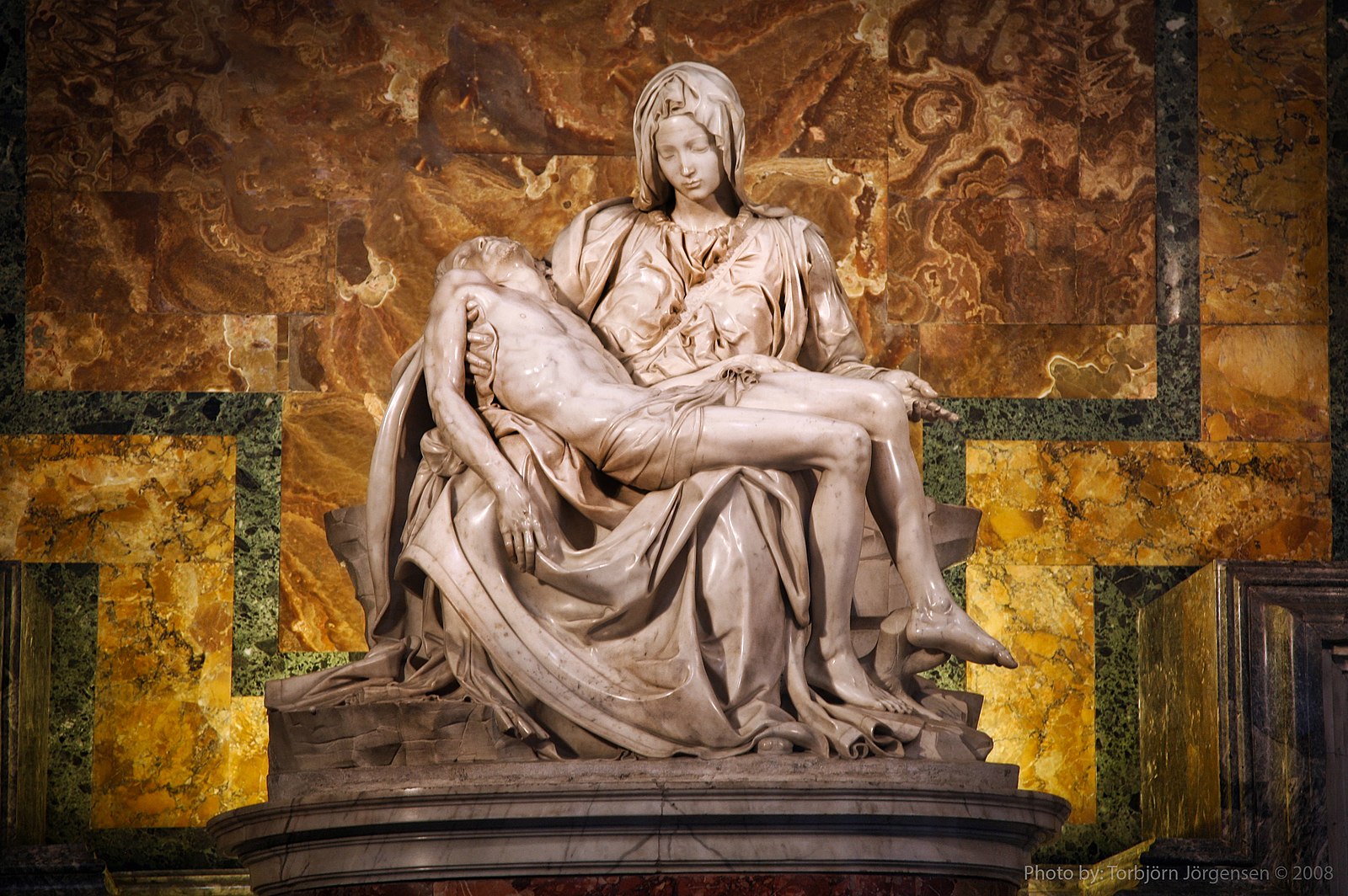
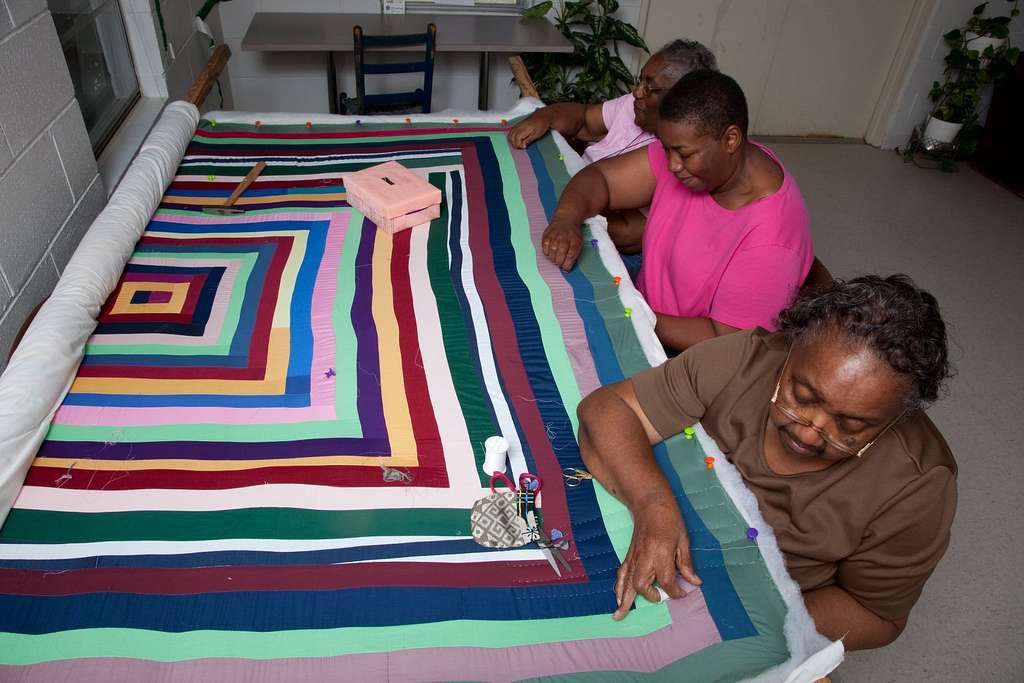
The image below is of a group of quilters from Gee’s Bend, Alabama. Their quilts are beautiful and have received many awards. They resemble paintings by artists like Josef Albers, yet we do not know the names of the quilters shown in this image.
Our concept of how to define a work of art in the Western tradition dates back at least to the Renaissance and to the idea that the art we study, especially in survey classes, consists of masterpieces, or works of great skill. But how do we define a masterpiece? There might be a consensus that a work like Michelangelo’s Pietá is a masterpiece, since the skill of the artist in depicting the weight of Jesus’s body, the folds of clothing, and the naturalism of the human figure is obvious.
What about a Greek or Mayan ceramic vase? These objects certainly exhibit a high degree of skill in their creation; however, they also had a specific function. Greek vases could be used for funerary purposes, to store water, or for drinking wine. Furthermore, we do not have the name of the person who painted these vessels. Can we then say that these objects are masterpieces? Why or why not?
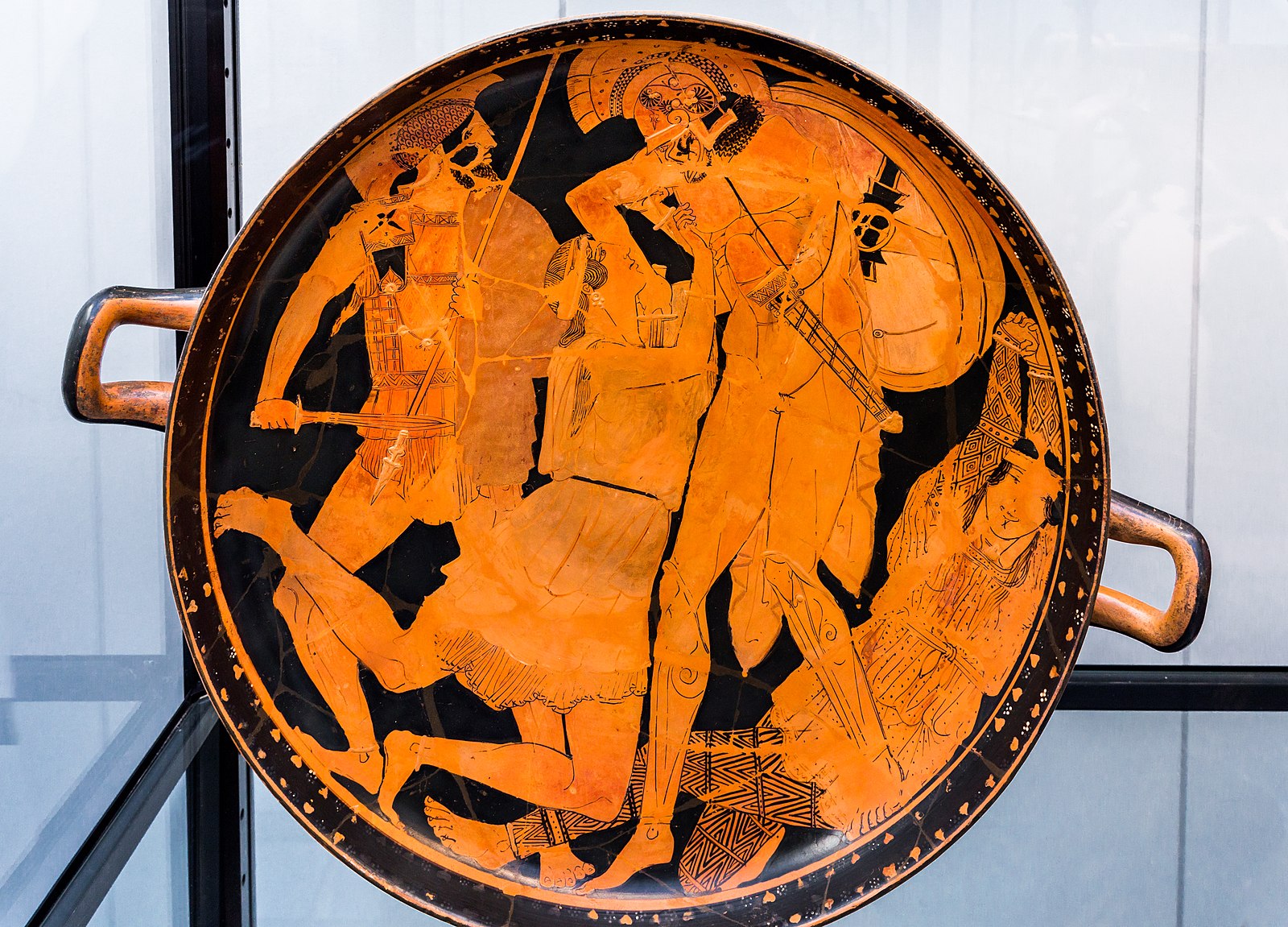
Penthesilea bowl (#2688)
Athens, Greece
ca. 460-450 BC, Early Classical period
Pottery (clay)
Scholars of Greek art have given the person who painted this vessel the name of the Penthesilia Painter in reference to the subject matter. They think that this artist painted other Greek vases based on style. Is this object a masterpiece? Is this person who created this work an artist or genius?
Works of contemporary art often openly question the idea of the work of art and masterpiece. The African American artist Faith Ringgold creates works of art that consist of quilts. Sewing, embroidery, and quilting are activities that we in the United States often define as craft instead of art. Quilts serve a practical purpose and for this reason are not usually defined as masterpieces. At the same time, Ringgold’s quilts are made to be displayed in museums and often reference other works of art by artists such as Matisse. The idea behind them is not totally original, and yet Ringgold has a well-established reputation as an artist. Why do you think this is?
 View Matisse’s Model: The French Collection Part I, #5.
Finally, it’s important to know the distinction between artifacts and works of art. Artifacts make up a large category of objects, as they include anything created by a human being that is of significance.
All works of art are artifacts, but not all artifacts are artwork.
EXAMPLE
The image above is of a series of shell beads found at Blombos Cave in South Africa. Tens of thousands of years ago, someone used a sharp tool to carve holes into these shells. We think that they then put a string through them and wore them as a necklace, but we do not know for sure. While these objects are artifacts, their status as works of art is up for debate. What do you think?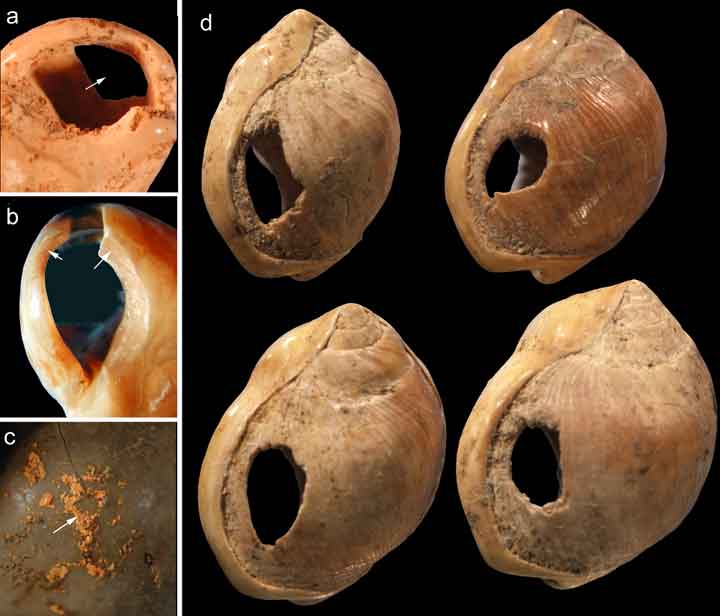
Source: THIS TUTORIAL WAS AUTHORED BY IAN MCCONNELL AND ERIN ALDANA FOR SOPHIA LEARNING. PLEASE SEE OUR TERMS OF USE.



