Table of Contents |
Visual communication is a process by which an image conveys an idea or message to an audience to inform, sell, persuade, educate, or entertain.

From the dawn of the human era, mankind has communicated through visual storytelling, relaying ideas and important messages through imagery. Prehistoric humans etched stories of hunts, dangerous animals, and momentous events on cave walls. Neolithic rock carvings are called petroglyphs. Rock paintings, as seen in the image below, are referred to as pictographs. Both forms of visual communication were used from prehistory in Europe, Asia, and Africa, and up to the 19th century in the Americas.

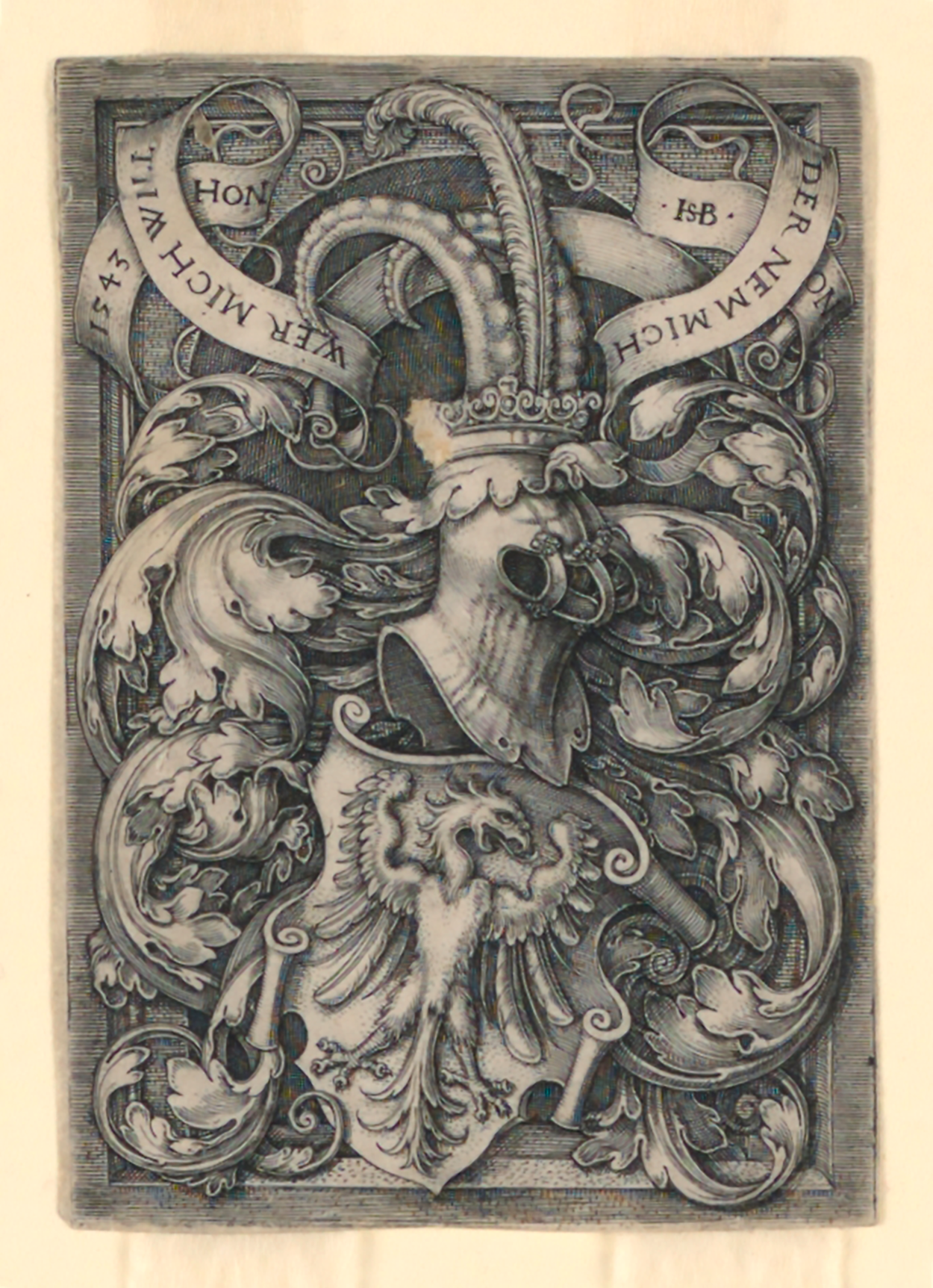
Ancient civilizations in Mesopotamia recorded history and myths in hieroglyphics. During the Middle Ages, European clans and families identified themselves with coats of arms, ornate crests comprised of colors and symbols often displayed on castle walls and painted on the shields of knights and soldiers.
In more recent times, Indigenous tribes in the Americas documented events with pictograms painted on rockwork and drawn on animal hides.
Visual communication relies heavily on both the biology of human vision and the viewer's past experience. The human eye relays perceived arrangements of shape and color to the brain, where the viewer processes that information, comparing the input to long-term memories learned from personal history. A good example of this is pareidolia, the tendency to recognize meaningful shapes from otherwise random patterns. We see this in the proclivity for humans to see faces in ambiguous forms, such as smudges on a window or burn marks on a piece of toast. If we take a moment to think about past experience, we can see how pareidolia works. As infants, we begin studying the faces of our parents and loved ones, learning the arrangement of certain features, such as mouths, noses, and eyes. We retain this knowledge to quickly identify other human beings that we encounter. Therefore, when we see objects with elements placed in similar grouping patterns as a human face, our brains connect the dots.
We’ve come a long way from cave paintings and hieroglyphics to convey information. Various practitioners, companies, and organizations communicate visually. So, for communication to be more effective, it's important to understand how viewers collect and interpret visual information.
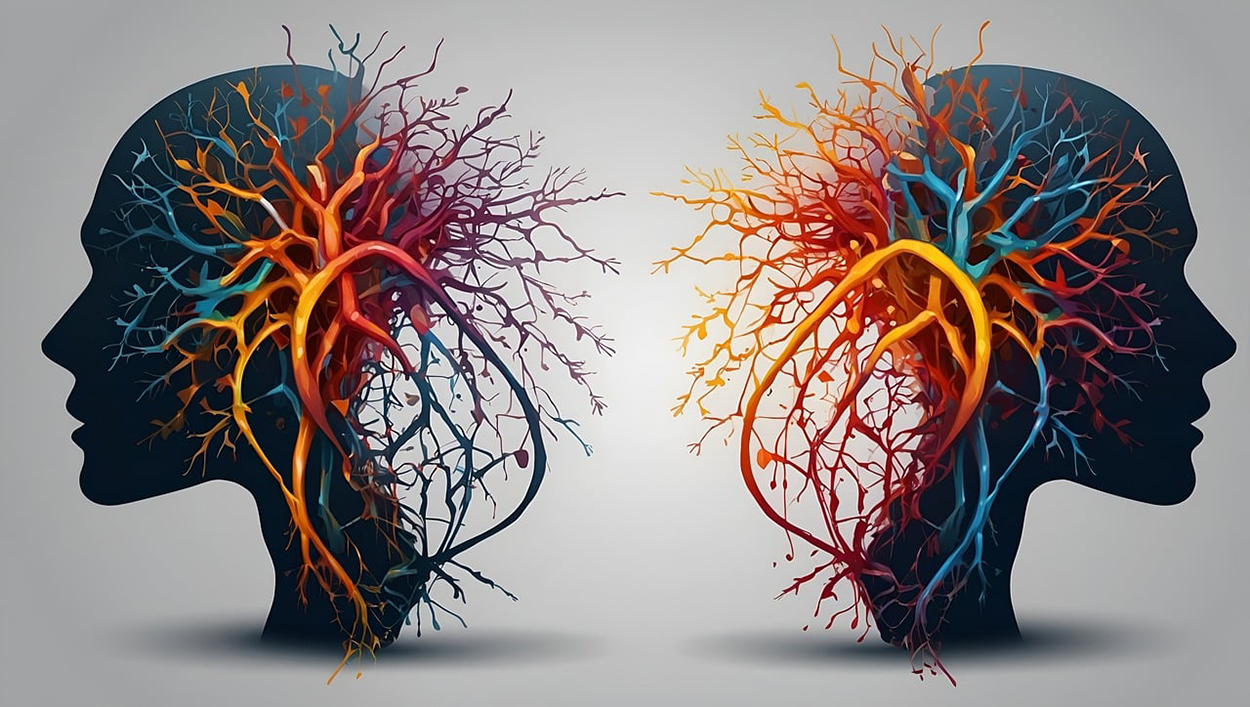
The perceptual communication model is a visual communication theory that focuses on a viewer's personal interpretation and prior experiences. A viewer’s perception may be affected by positive or negative experiences and cultural influences. For example, a boy walking home from school finds a lost puppy wearing a blue collar. The boy has always wanted a puppy like the one he found, so he adopts it and keeps the dog for several years. Because of this association, blue may have a positive perception throughout the boy’s life. Alternatively, what if the boy found an aggressive dog that growled and bit his hand before running away? In this case, blue may bring up feelings of embarrassment and anxiety.
Cultural influence is important to perceptual communication, as it changes perception between people from different countries and walks of life. In the United States, a bride will typically wear a white wedding dress to symbolize purity, whereas the groom usually has no set color designation for his tuxedo. In Korea, brides traditionally wear red, and bridegrooms dress in blue to symbolize the relationship between yin and yang, complementary forces in balance to create harmony.
The next theory is the sensory communication model, which focuses on the data that enters the brain. Consider the way another person’s facial expressions or eye contact communicate during a discussion. If a person looks away or stares directly at you, a message of fear or aggression is delivered directly to your brain. Someone pointing, shouting, or making another gesture or vocalization is communicating in the same method.
The transmission model is a model adopted by many communication disciplines that states that a sender transmits a message to a receiver.
Below is an example of what the transmission model looks like in action.

You have the source, or the sender, who wants to communicate some sort of message and will transmit this message through a channel, which will be the means or medium of transmission. As a message is being channeled, it becomes susceptible to various dysfunctional factors that can interfere with the message. These factors are called noise. The message then proceeds to the receiver.
EXAMPLE
A granddaughter wants to wish her grandmother a happy birthday. As the source, she transmits that message by means of a telephone, and the channel is the telephone cable or wire. This channel may be susceptible to noise in the form of static or electrical interference. There may also be other forms of background noise.EXAMPLE
In a class, one student tries to communicate with another. The channel is just verbal communication, but it will be susceptible to noise in the form of ambient sounds from other classmates, which can disturb, interfere with, or alter the message in some way.Source: THIS TUTORIAL WAS AUTHORED BY MARIO E. HERNANDEZ FOR SOPHIA LEARNING. PLEASE SEE OUR TERMS OF USE.



