In this lesson, you will learn about the basics of vision and dental insurance. Specifically, this lesson will cover the following:
1. The Basics of Vision Insurance
When we think about health insurance, we usually focus on doctor visits, hospital stays, and prescriptions. But what about our eyes and teeth? Vision and dental health are often treated as secondary, but the reality is that they’re just as essential to our overall well-being.
-
Have you ever had a terrible toothache that made it impossible to focus on work or in class? Or have you struggled to read a whiteboard because your vision was a little blurry? These seemingly small issues can have a huge impact on your daily life, yet many people skip out on vision and dental coverage, assuming it’s not that important.
Here’s the truth: Poor oral health is linked to serious conditions like heart disease and diabetes, and vision problems can sometimes be the first sign of high blood pressure or even brain tumors. That’s why understanding what vision and dental insurance cover—and why they matter—is crucial.
Let’s break it down in simple terms.
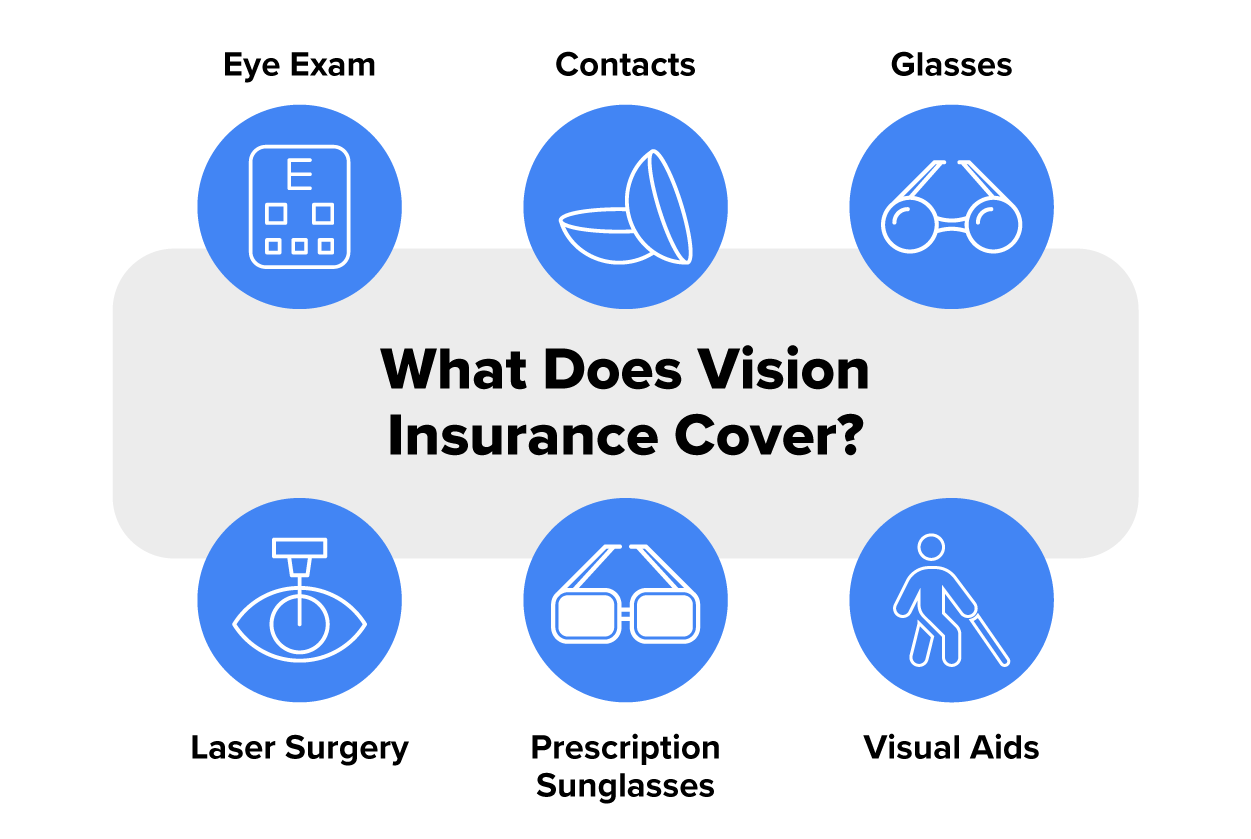
What Does Vision Insurance Cover?
Vision insurance helps reduce the cost of keeping your eyes in check and paying for corrective lenses. A typical vision insurance plan includes the following:
- Routine eye exams (once a year or every 2 years): Just like checkups for your body, your eyes need regular exams too. These checkups can catch vision changes, eye diseases, and even underlying health problems.
- Prescription glasses and frames: Most plans give you either a discount or a set allowance (e.g., $150 toward frames). If you want designer frames, you’ll have to pay the difference.
- Contact lenses: If you prefer contacts over glasses, your plan may offer an allowance to cover the cost of lenses instead of frames.
- Screening for eye diseases: Conditions like glaucoma, cataracts, and macular degeneration can develop over time, especially as you age. Your vision plan often covers basic screenings for these diseases.
- Discounts on LASIK or other corrective surgeries: While full coverage for laser eye surgery is rare, many plans offer partial discounts.
- Some plans also cover extras like blue-light-filtering lenses, progressive lenses, and anti-glare coatings—great for students who spend hours staring at screens.
How Does Vision Insurance Work?
Unlike medical insurance, vision insurance works more like a discount program. You pay a monthly premium (a set amount each month) and in return, you get lower prices on eye exams and eyewear.

-
EXAMPLE
You visit an eye doctor for an exam. Without insurance, this might cost $100–$200. With vision insurance, you might only have to pay $10–$20 as a co-pay.
You pick out a pair of glasses. Your plan gives you $150 toward frames, but if you pick designer frames that cost $250, you’ll have to pay the extra $100 out of pocket.
Need contact lenses instead? Your plan may offer a $150 allowance, so if your lenses cost $200, you’d have to pay the extra $50 yourself.
Vision insurance is one of those benefits many people pass up; however, as you can already see, vision insurance can save you a lot of money. So, who needs vision insurance?
- Anyone who wears glasses or contacts: If you rely on corrective lenses, vision insurance can save you hundreds of dollars every year.
- Students who stare at screens all day: If you’re constantly on your laptop or phone, eye strain and headaches can become a problem. Regular checkups help prevent long-term damage.
- Families with kids: One in four children has an undiagnosed vision problem that can affect their school performance. Catching these issues early can improve grades and focus.
- Aging adults: Vision naturally declines with age, and problems like cataracts or glaucoma become more common. Regular exams can catch problems early before they become serious.
Skipping vision insurance to save money might seem like a good idea—until you need a $500 pair of glasses or develop an eye condition that requires expensive treatment. Investing in vision insurance is a smart move, especially if you need corrective lenses or spend hours looking at screens.
Now, let’s look at the process to get vision insurance.
-
- Vision Insurance
- Helps cover eye exams, glasses, and contacts at a reduced cost.
1a. How to Get Vision Insurance
Getting vision insurance is relatively simple, whether you receive it from an employer, get it through a school plan, or purchase it on your own. Vision insurance helps cover the cost of eye exams, glasses, and contact lenses and sometimes even provides discounts on LASIK or other corrective procedures. Here’s how you can get coverage:
1. Employer-Sponsored Vision Insurance
Many jobs offer vision insurance as part of their benefits package. If you’re employed, check with your HR department to see if vision coverage is included. Employer-sponsored plans are typically more affordable since your employer may cover part of the monthly premium.
2. Student Vision Plans
Some colleges and universities provide vision insurance as part of their student health plans or offer discounts on eye exams and eyewear through partnerships with local providers. If you’re a student, check with your school’s health services to see what options are available.
3. Individual or Family Vision Plans
If you don’t have access to an employer or student plan, you can buy vision insurance on your own. Many companies offer affordable individual and family plans. You can shop for vision insurance through the following:
- Private insurance companies like Vision Service Plan (VSP), EyeMed, Davis Vision, or UnitedHealthcare Vision
- Health insurance marketplaces like Healthcare.gov (though vision insurance is typically sold separately from health insurance)
- Membership organizations like AARP or professional associations that sometimes offer discounted vision plans
4. Medicaid and Government Programs
If you have a low income, you may qualify for Medicaid, which often includes vision benefits for children and, sometimes, adults, depending on the state. Additionally, some states offer vision assistance programs for those who don’t qualify for Medicaid but still need help covering vision care costs.
5. Vision Discount Plans
If traditional insurance isn’t the right fit, you can consider a vision discount plan. These are not insurance plans but are membership programs that provide discounts on eye exams, glasses, and contact lenses at participating providers. You pay an annual or monthly fee and receive reduced rates on services and products.
What to Look for When Choosing a Plan:
- Monthly premium: How much will you pay each month?
- Exam coverage: Does the plan cover annual or biannual eye exams?
- Eyewear allowance: How much does the plan contribute toward glasses or contact lenses?
- Network providers: Does the plan require you to use specific eye doctors, or can you see any optometrist or ophthalmologist?
- Discounts on extras: Does the plan offer discounts on lens enhancements (anti-glare, progressive lenses, or blue light filters) or corrective surgery like LASIK?
Even if you don’t wear glasses now, vision insurance can be valuable. Regular eye exams can detect early signs of health conditions like diabetes and high blood pressure, making vision care an important part of overall health care. Having coverage ensures that you get the care you need without paying the full price out of pocket.
Next, let’s talk about dental insurance because your teeth are just as important as your eyes.
-
- Vision Service Plan (VSP)
- A popular vision insurance provider covering eye exams, glasses, and contacts.
- AARP
- A membership organization for people who are 50 years or older that offers discounts, insurance, and other benefits.
- Vision Discount Plan
- A membership plan that offers reduced prices on eye exams and eyewear instead of full insurance coverage.
2. The Basics of Dental Insurance
Dental insurance helps cover the cost of maintaining healthy teeth and gums, preventing expensive procedures in the future. A typical plan includes three levels of care: preventive, basic, and major services.
- Preventive care, which is usually fully covered, includes routine checkups, cleanings, X-rays, fluoride treatments, and sealants. These services help prevent cavities, gum disease, and other dental issues before they become major problems.
- Basic care, often covered at 70%–80%, includes fillings for cavities, simple extractions, and deep cleanings for gum health. For example, if a filling costs $200 and your insurance covers 80%, you only pay $40, while the plan pays the rest.
- Major care, usually covered at 50%, includes procedures like crowns, root canals, and dentures. Some plans may also cover orthodontic treatments, such as braces or Invisalign, especially for children. If a root canal costs $1,500 and your insurance covers 50%, your out-of-pocket cost would be $750.
Dental insurance has a few key components:
- A monthly premium: The amount you pay each month to keep your coverage active.
- A deductible: The amount you must pay out of pocket each year before insurance starts covering costs, usually between $50 and $100.
- An annual maximum: The total amount the insurance company will pay for your care in a year, often between $1,000 and $2,000.
-
EXAMPLE
If you need a crown that costs $1,200 and your insurance covers 50%, you would pay $600. If you haven’t met your deductible yet, you may have to pay the first $50–$100 before insurance covers the rest.
Who Benefits From Dental Insurance?
- Students and young adults: Many people put off dental care because of its cost, but untreated cavities or gum disease can lead to expensive procedures later.
- Coffee and soda drinkers: Acidic and sugary drinks weaken enamel, increasing the risk of cavities. Regular cleanings help prevent damage.
- Anyone with a history of dental problems: If you’ve had cavities, gum disease, or past dental work, insurance helps keep treatment affordable.
- Anyone who has experienced a toothache: When a dental emergency happens, insurance can reduce the financial burden of getting care.
Dental insurance isn’t just about having a bright smile—it’s about protecting your overall health and avoiding costly procedures down the road. Small issues like cavities and gum disease can quickly turn into major (and expensive) problems if left untreated. With regular checkups and preventive care, you can keep your teeth and gums healthy while saving money in the long run. Whether you’re a student balancing school and work, someone with a history of dental issues, or just looking to stay proactive about your health, dental insurance makes it easier and more affordable to get the care you need.
-
- Dental Insurance
- It helps cover the cost of routine checkups, cleanings, fillings, and major dental procedures at a reduced cost.
2a. How to Get Dental Insurance
Getting dental insurance is easier than you might think. Whether you’re receiving coverage from an employer, getting it through a school plan, or purchasing it on your own, there are several ways to find a plan that fits your needs and budget.
1. Employer-Sponsored Dental Insurance
Many jobs offer dental insurance as part of their benefits package. If you’re employed, check with your HR department to see if your company provides dental coverage. Employer-sponsored plans are usually more affordable because your employer may cover a part of the premium.
2. Student Dental Plans
Some colleges and universities offer dental insurance as part of their student health plans. If you’re in school, check with your student services or health office to see if they provide coverage or discounts for dental care.
3. Individual or Family Plans
If you don’t have access to an employer or student plan, you can buy dental insurance on your own. Many insurance companies offer individual and family plans with different levels of coverage. You can use the following ways to shop for plans:
- Through private insurance companies like Delta Dental, Cigna, Aetna, or Humana
- Through health insurance marketplaces like Healthcare.gov
- Through professional or alumni associations that may offer group discounts
4. Medicaid and Low-Cost Options
If you have a low income, you may qualify for Medicaid, which provides free or low-cost dental coverage in many states. Medicaid dental benefits vary by state, so check your state’s program to see what’s covered. Additionally, some community health clinics and dental schools offer low-cost or sliding-scale dental services.
5. Dental Discount Plans
If traditional insurance isn’t an option, you can consider a dental discount plan. These are not insurance plans but are membership programs that provide discounts on dental services at participating dentists. You pay an annual fee and receive reduced rates on dental exams, cleanings, fillings, and other procedures.
What to Look for When Choosing a Plan:
- Monthly premium: How much will you pay each month?
- Deductible: How much do you have to pay before insurance starts covering costs?
- Coverage levels: Does the plan cover preventive care, fillings, major procedures, or orthodontics?
- Network providers: Does the plan require you to use specific dentists, or can you see any provider?
- Annual maximum: What is the limit on how much the insurance will pay each year?
No matter which route you choose, having some form of dental coverage can save you money and protect your health in the long run. Even basic coverage can help prevent minor problems from turning into major, expensive dental work.
-
- Dental Discount Plan
- A membership program that provides reduced rates on dental services instead of traditional insurance coverage.
In this lesson, you discovered all about the basics of vision insurance and dental insurance. You also learned how to get both vision and dental insurance coverage.



