Table of Contents |
All systems of the body are interrelated. A change in one system may affect all other systems in the body, with mild to devastating effects. A failure of urinary continence (called incontinence, in which there is involuntary loss of bladder control) can be embarrassing and inconvenient but is not life-threatening. However, the loss of other urinary functions may prove fatal. You have already reviewed the relationship of the urinary system with blood pressure regulation, regulation of osmolarity and pH, and recovery of the electrolytes sodium, calcium, and potassium. Here, you will learn about some other homeostatic processes affected by the urinary system.
In order for vitamin D to become active, it must undergo a hydroxylation reaction in the kidney; that is, an –OH group must be added to calcidiol to make calcitriol (1,25-dihydroxycholecalciferol). The kidney only does this conversion when stimulated by parathyroid hormone (PTH). Activated vitamin D is important for the absorption of Ca²⁺ in the digestive tract, its reabsorption in the kidney, and the maintenance of normal serum concentrations of Ca²⁺ and phosphate.
Calcium is vitally important in bone health, muscle contraction, hormone secretion, and neurotransmitter release. Inadequate Ca²⁺ leads to disorders like osteoporosis (bones becoming weak and brittle) and osteomalacia (softening of bones caused by lack of mineralization with calcium and phosphate) in adults, and rickets in children (symptoms of which can include weakness, pain, and bow legs, which is when the knees curve outward but the ankles touch).
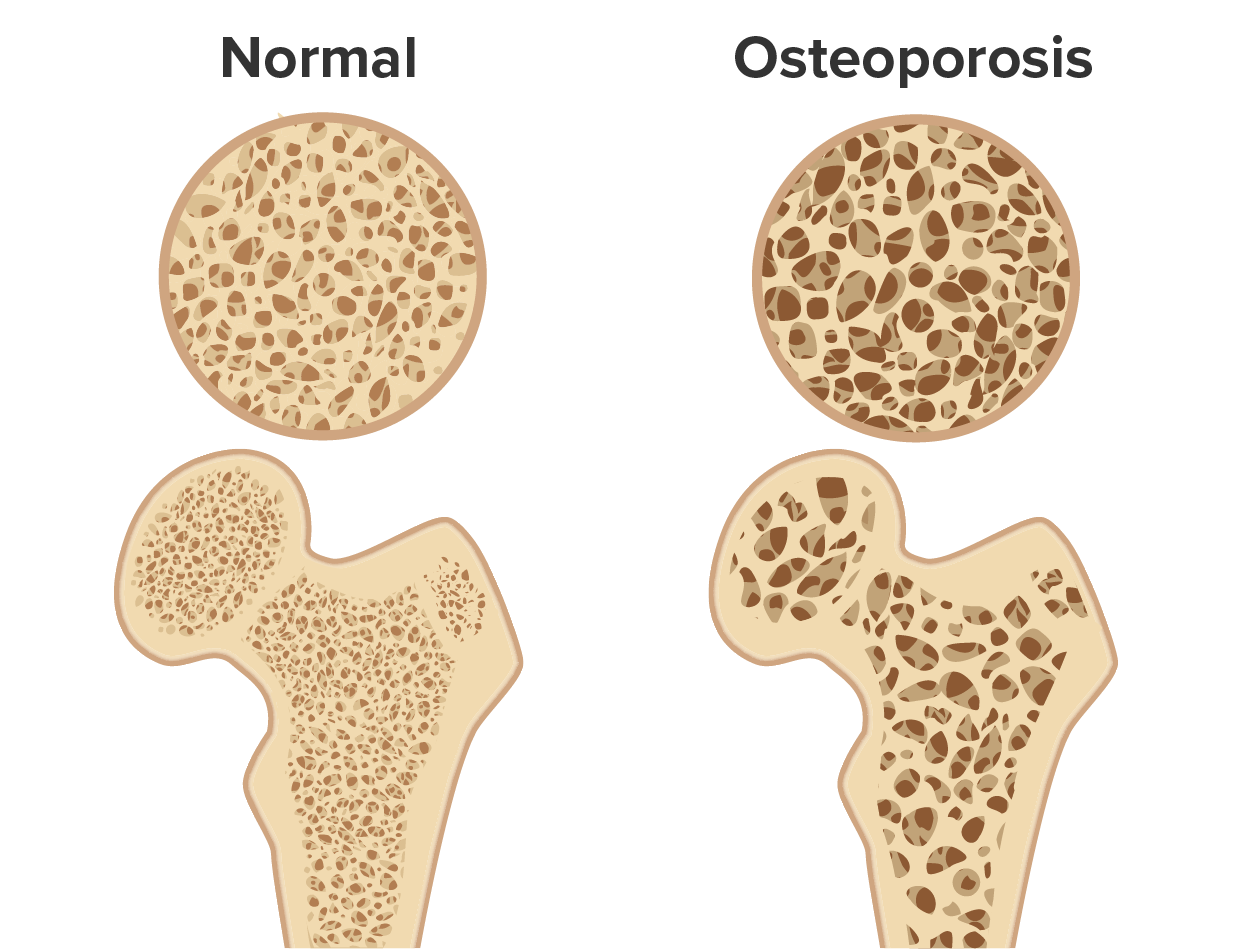
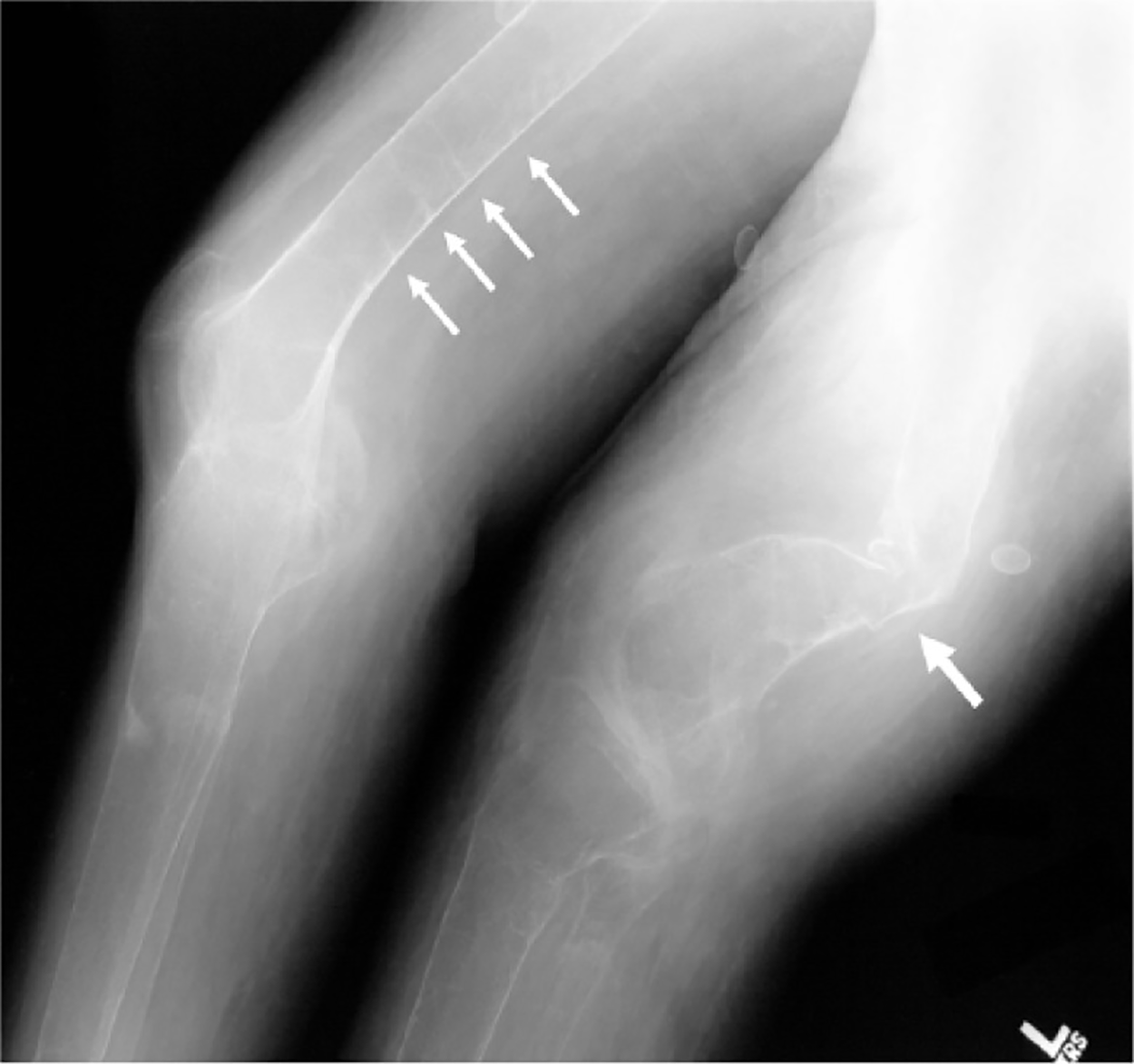
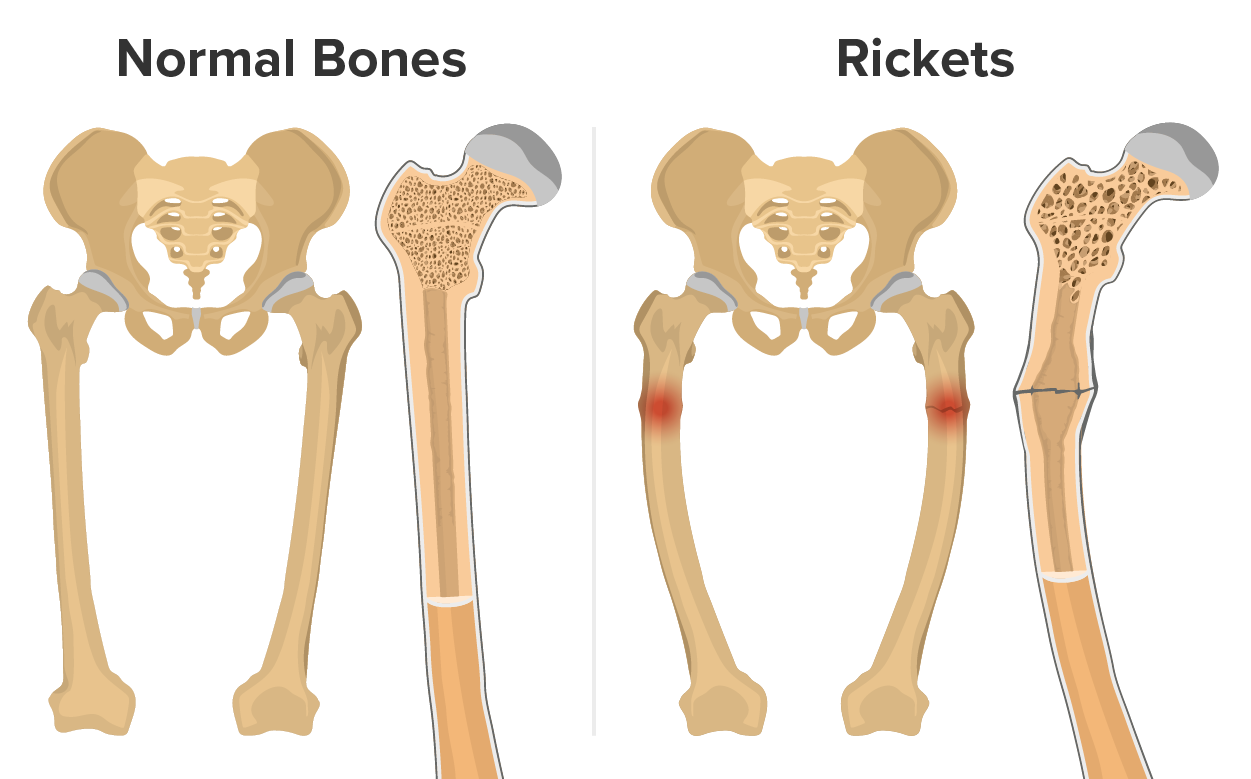
Deficits may also result in problems with cell proliferation, neuromuscular function, blood clotting, and the inflammatory response. Recent research has confirmed that vitamin D receptors are present in most, if not all, cells of the body, reflecting the systemic importance of vitamin D. Additionally, many scientists have suggested it be referred to as a hormone rather than a vitamin.
As you previously learned, erythropoietin (EPO) is a protein that stimulates the formation of red blood cells in the bone marrow. The kidney produces 85% of circulating EPO; the liver produces the remainder.
Renal failure (loss of EPO production) is associated with anemia, which makes it difficult for the body to cope with increased oxygen demands or to supply oxygen adequately even under normal conditions. Anemia diminishes performance and can be life-threatening.
There are many disorders that can be caused by malfunctioning of the urinary system, especially the kidneys. The following are examples of some common disorders of the urinary system, ways in which they affect our health, and some treatment options that are currently available.
Mammals use uric acid crystals as an antioxidant (an agent that helps prevent cell destruction by reactive oxygen species) in their cells. However, too much uric acid tends to form a painful condition called gout as well as kidney stones.
Gout is a condition that occurs when uric acid crystals accumulate in the joints. It is a form of arthritis that results from the deposition of uric acid crystals within a body joint. Usually only one or a few joints are affected, such as the big toe, knee, or ankle. A gout attack may only last a few days but may return to the same or another joint.
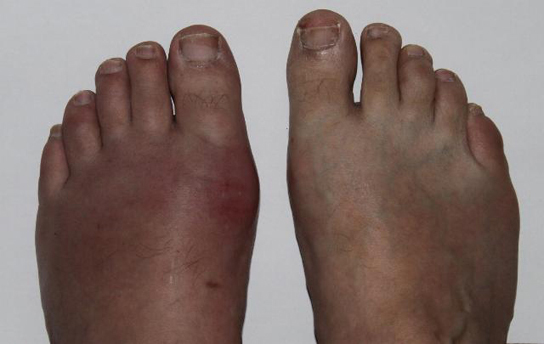
Kidney stones can develop from minerals or other substances that are found in urine. These can be things like uric acid or calcium salts that settle out of urine to form these kidney stones. Kidney stones can range in size from being pretty small to fairly large.
If a kidney stone is small enough, it'll end up just passing out of the body with the urine. If they're large enough, they can become very painful as they move through the urinary system and can clog up different parts of the urinary system. They may get clogged in a ureter, which connects a kidney to the urinary bladder. At that point, the person would have to go to the doctor and get some sort of treatment to break this kidney stone down into a size small enough to pass. This can be a very painful process and may also cause damage to the lining of ureters.
Food choices can reduce the amount of nitrogenous bases in the diet to help reduce the risk of conditions such as kidney stones, associated urinary tract infections (UTIs), and gout. For example, tea, coffee, and chocolate have purine-like compounds, called xanthines, and should be avoided by people with gout and kidney stones.
Urinary tract infections (UTIs) are caused when bacteria from outside the body make their way into the bladder and cause inflammation. UTIs are one of the most common bacterial infections worldwide, affecting over 100 million people each year. During 2007 in the United States, doctor office visits for UTIs exceeded 10 million, and an additional 2–3 million emergency department visits were attributed to UTIs.
Kidney stones, which you learned about earlier in this lesson, can indirectly lead to urinary tract infections (UTIs) by blocking the urinary tract and creating an environment in which bacteria can thrive.
Nephritis is the inflammation of the kidneys, which can be caused by bacterial infections, among other factors, and result in pressure buildup around capillaries. Filtration of blood then becomes ineffective. Because of its hard outer covering, the kidney has a hard time swelling if fluid accumulates within it.
Remember that the renal arterioles are very narrow, so blood pressure is relatively high when it enters the glomerulus (just like when you put your thumb over the water stream of a hose, making the spray shoot harder and further). It's this pressure that forces the water and solutes of the blood plasma into the Bowman's capsule for filtration. If there's back-pressure (if there's inflammation of the kidneys pushing back on the pressure from the renal arterioles), the total pressure of the blood plasma on the capillaries of the glomerulus is less. The result is less fluid being forced from the blood into the Bowman's capsule, so filtration is far less effective.
Kidney cancer (also known as renal cancer) is a cancer of the kidney, as the name implies. This type of cancer can actually spread very easily through the bloodstream because kidneys filter the blood. If the kidneys have cancer, it can be fairly easy for some of those cancerous cells to basically flow with the blood and implant themselves in another part of the body.
Kidney cancer occurs sporadically, but associations with aging, obesity, hypertension, smoking, acquired cystic kidney disease, and exposure to asbestos, cadmium, or petroleum have been observed (Mas Que Ideas Foundation, 2022). Most of the time, renal cancer is asymptomatic and found incidentally on an abdominal scan performed for other medical purposes; however, on occasion, an individual may experience hematuria (blood cells in urine), an abdominal lump, anemia, hypertension, weight loss, anorexia, or muscle wasting. Renal cancer will not necessarily cause immediate or automatic kidney failure.
Proper nutrition and nutritional modifications can help lower the risk for renal cancer, prevent adverse effects of cancer treatments and medications, support the highest level of renal function possible, and maintain a client's life expectancy after cancer remission.
Bladder cancer is another cancer that is closely related to the kidneys. Both bladder cancer and kidney cancer are more common in men than they are in women. Bladder cancer is the seventh most common form of cancer diagnosed, with the highest incidence occurring in white men (Mobley et al., 2020). Tobacco use is the greatest risk factor for the disease. Eating a diet high in isothiocyanates, which are found in cruciferous vegetables such as cabbage and kale, and drinking tea have both been linked to a decreased risk for developing bladder cancer.
Consumption of alcohol is another factor that can affect kidney health. Consumption of alcohol will inhibit antidiuretic hormone (ADH). This causes the body to lose more water, and as the body loses more water, the concentration of ions will be upset, and balance will be altered. Alcohol causes the kidneys to increase urinary output, which will then lead to dehydration. If a person heavily drinks over a long period of time throughout their life, it can actually lead to much more serious kidney disorders in the future.
Dialysis is a process in which a machine will clean the blood if the kidneys are unable to. If a person has some sort of kidney disorder where kidneys are not properly functioning, they can't properly filter the blood. Dialysis is the process in which a machine will filter the blood for them. A dialysis machine cleans the blood and helps maintain the volume and composition of extracellular fluids.
Although dialysis is able to clean the blood and maintain extracellular fluid volume and composition, it is not able to regulate blood pressure or hormone secretion. Therefore, although dialysis can help manage kidney failure, it is not a substitute for all kidney functions.
IN CONTEXT
Career Connection
Dialysis Technician
Dialysis is a medical process of removing wastes and excess water from the blood by diffusion and ultrafiltration. When kidney function fails, dialysis must be done to artificially rid the body of wastes and fluids. This is a vital process to keep patients alive. In some cases, the patients undergo artificial dialysis until they are eligible for a kidney transplant. In others who are not candidates for kidney transplants, dialysis is a lifelong necessity.
Dialysis technicians typically work in hospitals and clinics. While some roles in this field include equipment development and maintenance, most dialysis technicians work in direct patient care. Their on-the-job duties, which typically occur under the direct supervision of a registered nurse, focus on providing dialysis treatments. This can include reviewing patient history and current condition, assessing and responding to patient needs before and during treatment, and monitoring the dialysis process. Treatment may include taking and reporting a patient’s vital signs and preparing solutions and equipment to ensure accurate and sterile procedures.
Stem cells are unspecialized cells that can reproduce themselves via cell division, sometimes after years of inactivity. Under certain conditions, they may differentiate into tissue-specific or organ-specific cells with special functions.
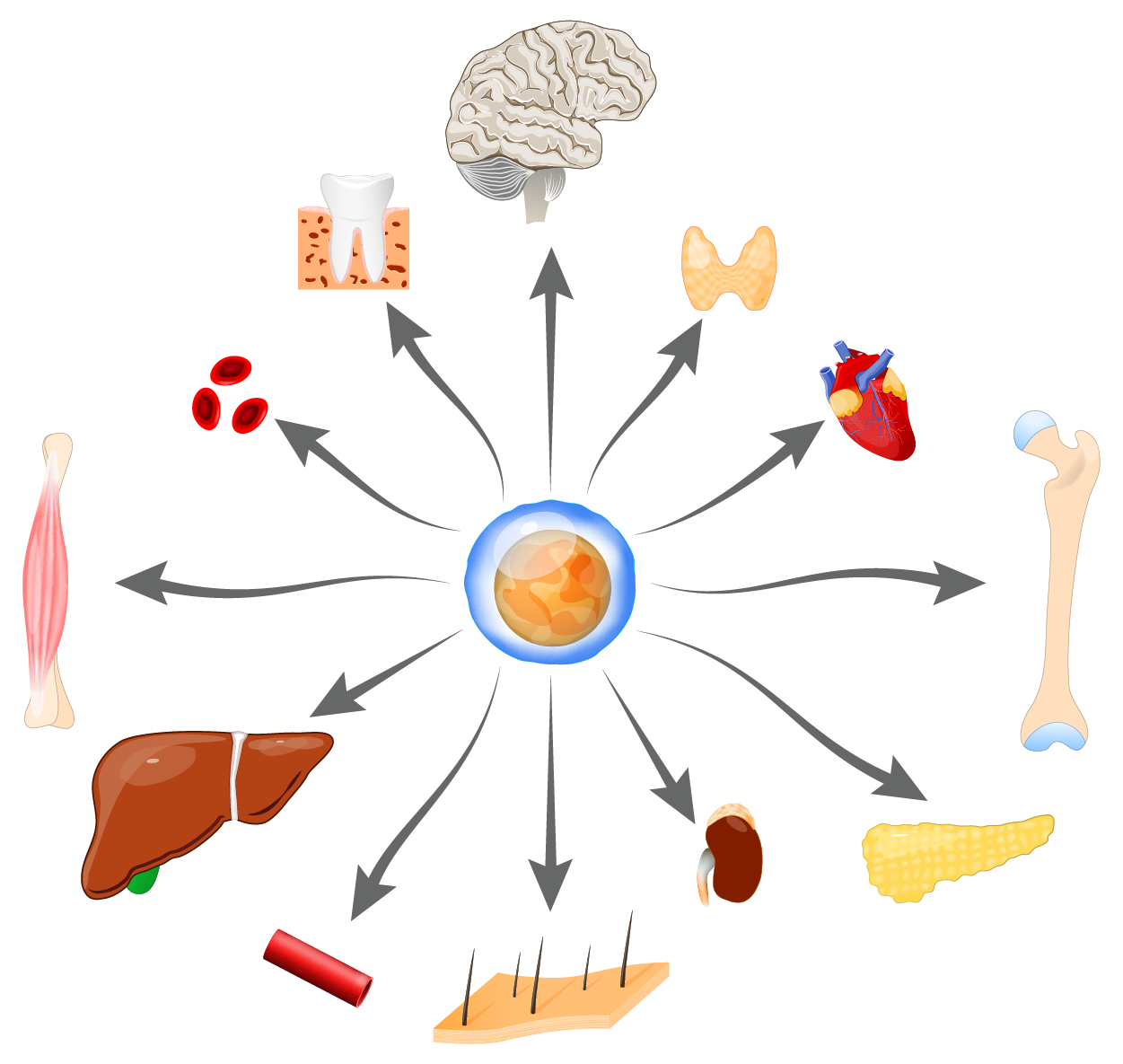
In some cases, stem cells may continually divide to produce a mature cell and to replace themselves. Stem cell therapy has enormous potential to improve the quality of life or save the lives of people suffering from debilitating or life-threatening diseases. There have been several studies in animals, but because stem cell therapy is still in its infancy, there have been limited experiments in humans.
Acute kidney injury can be caused by a number of factors, including transplants and other surgeries. It affects 7%–10% of all hospitalized patients, resulting in the deaths of 35%–40% of those inpatients. In limited studies using mesenchymal stem cells, there have been fewer instances of kidney damage after surgery, the length of hospital stays has been reduced, and there have been fewer readmissions after release.
How do these stem cells work to protect or repair the kidney? The exact mechanisms are still being determined by scientists, but some evidence has shown that these stem cells release several growth factors in endocrine and paracrine ways. As further studies are conducted to assess the safety and effectiveness of stem cell therapy, we will move closer to a day when kidney injury is rare, and curative treatments are routine.
SOURCE: THIS TUTORIAL HAS BEEN ADAPTED FROM OPENSTAX “ANATOMY AND PHYSIOLOGY 2E”. ACCESS FOR FREE AT OPENSTAX.ORG/BOOKS/ANATOMY-AND-PHYSIOLOGY-2E/PAGES/1-INTRODUCTION. LICENSE: CREATIVE COMMONS ATTRIBUTION 4.0 INTERNATIONAL.
REFERENCES
Liu, S., Ren, J., Hong, Z., Yan, D., Gu, G., Han, G., ... & Li, J. (2013). Efficacy of erythropoietin combined with enteral nutrition for the treatment of anemia in Crohn's disease: a prospective cohort study. Nutrition in Clinical Practice, 28(1), 120-127.
Provatopoulou, S. T., & Ziroyiannis, P. N. (2011). Clinical use of erythropoietin in chronic kidney disease: outcomes and future prospects. Hippokratia, 15(2), 109.



