Table of Contents |
As you’ve learned in previous tutorials, conflict resolution often involves more than addressing surface-level disputes. To achieve lasting solutions, it’s essential to identify and address the underlying needs of the parties involved.
Underlying needs refer to the basic, often unspoken, and sometimes unconscious desires and requirements that individuals or groups seek to fulfill. These needs can be physical, emotional, psychological, or social and can include a wide range of factors such as security, respect, recognition, love, autonomy, and belonging. Understanding these needs helps in understanding why parties hold certain positions and act in particular ways during a conflict.
Recognizing underlying needs, the fundamental desires or motivations that drive individuals’ behaviors and responses in conflicts, is important in conflict resolution because it allows for the resolution of the root causes of the conflict rather than just the symptoms. Addressing these core needs can lead to more satisfactory and long-term positive outcomes. Understanding underlying needs also helps humanize the conflicting parties, fostering empathy and mutual respect. It shifts the focus from a win-lose scenario to a collaborative problem-solving approach, ensuring all parties feel their concerns are acknowledged and addressed.
Typically, unmet needs can be categorized into three main types:
Identifying underlying needs fosters empathy and mutual understanding among conflicting parties. When individuals recognize the fundamental needs of others, they are more likely to appreciate their perspectives and motivations, which can reduce hostility and promote cooperation. As you know, conflicts often arise from rigid positions, where parties are stuck in what they want (e.g., specific demands or outcomes). By identifying underlying needs, the focus shifts to interests—the reasons behind those positions. This shift allows for more flexible and creative problem-solving. Additionally, understanding and addressing underlying needs can prevent future conflicts by establishing a foundation of trust and mutual respect. When parties feel that their essential needs are recognized and valued, they are less likely to engage in adversarial behavior.
Identifying underlying needs is an important part of conflict resolution. It involves going beyond the surface-level issues to uncover the fundamental concerns, desires, and motivations that drive the behaviors and positions of the conflicting parties. Recognizing these needs is essential for creating lasting and meaningful solutions that address the root causes of the conflict rather than just its symptoms. So, how do we do that?
The following techniques can help uncover underlying needs.
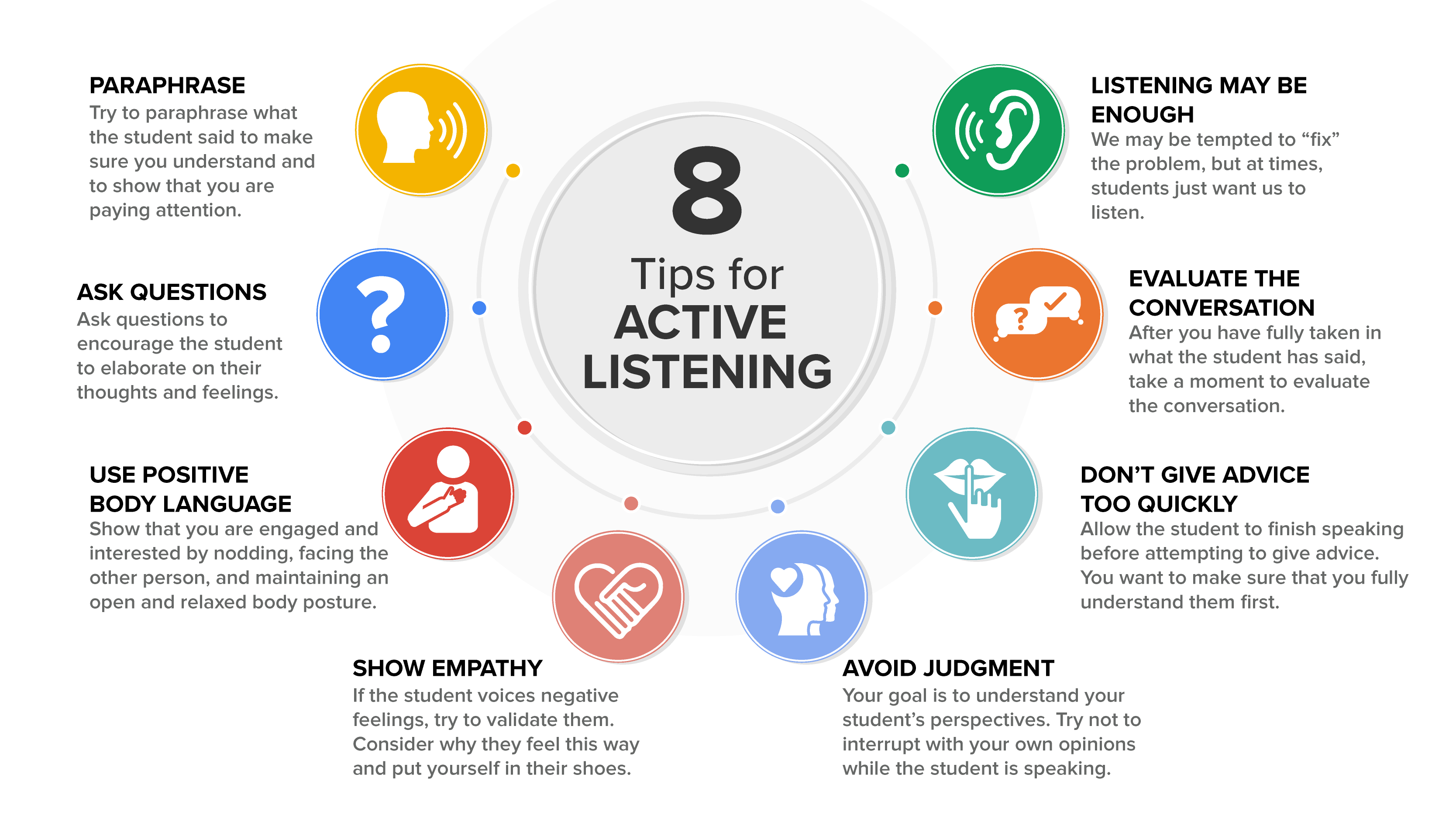
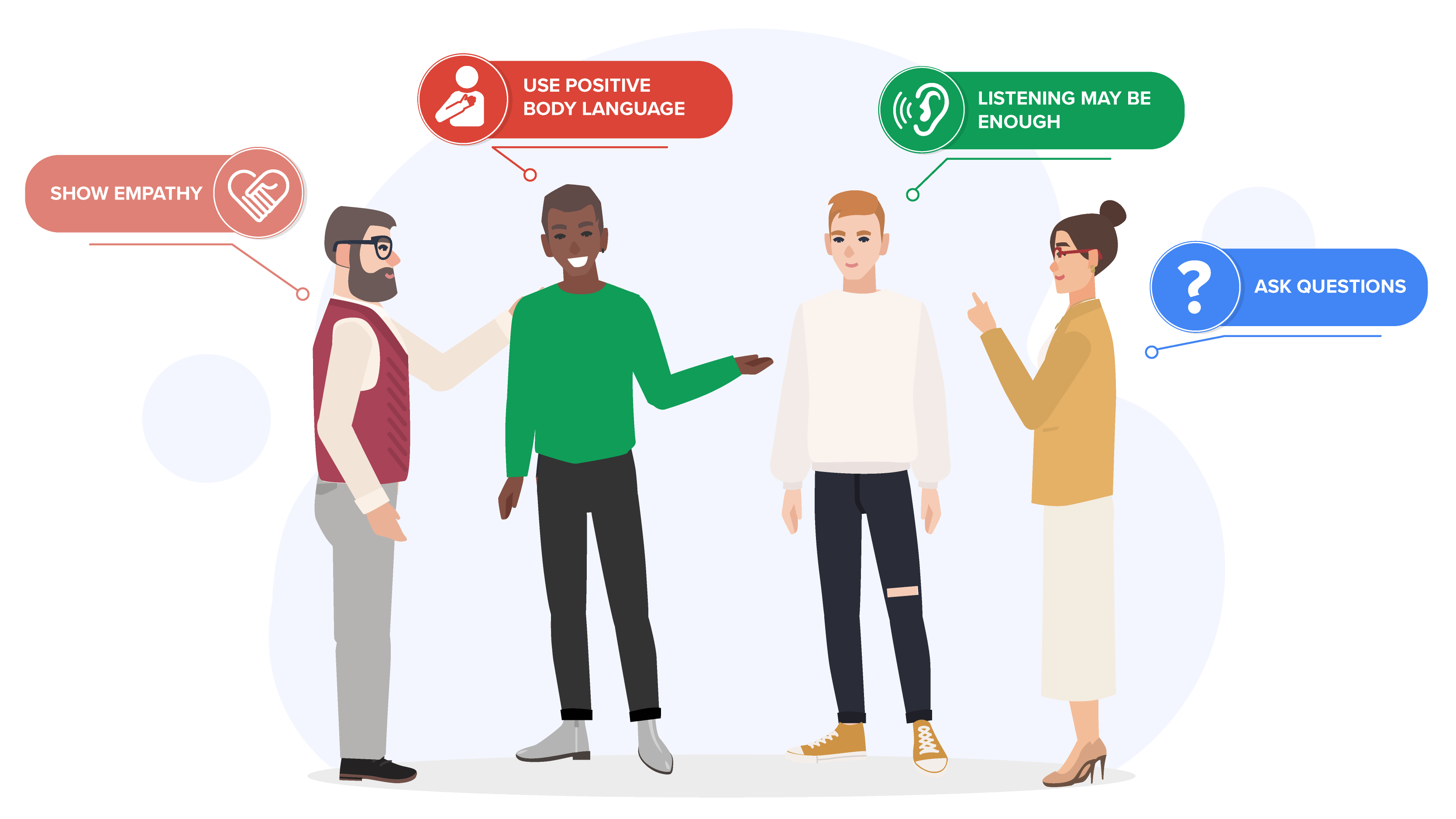
Active listening involves paying full attention to the speaker, demonstrating empathy, and providing feedback to ensure that their message is understood. This technique helps in uncovering underlying needs by encouraging open and honest communication.
EXAMPLE
In a workplace conflict, a manager might listen to an employee’s complaints about the workload. Through active listening, the manager might discover that the employee’s underlying need is recognition and support rather than simply fewer tasks.Asking open-ended questions encourages detailed responses and helps reveal underlying needs. These questions often start with “What,” “How,” or “Why” and require more than a yes or no answer.
EXAMPLE
Instead of asking “Are you unhappy with the project timeline?” an open-ended question would be “What are your main concerns about the current project timeline?”Using I-statements can help parties express needs clearly. I-statements help convey personal feelings and needs without blaming or accusing others. This can reduce defensiveness and open up more constructive dialogue. For example, “I feel frustrated when meetings run overtime because it affects my other commitments” is more effective than “You always let meetings run late.”
EXAMPLE
In a family setting, a parent might say, “I feel overwhelmed when I have to handle all the household chores alone and need more support,” instead of “You never help with the housework.”Showing empathy and validating the other party’s feelings and experiences can help in identifying their underlying needs. When individuals feel understood and respected, they are more likely to express their true concerns.
EXAMPLE
A mediator might say, “I can see that this situation is very stressful for you. Can you share more about what you need to feel more supported?”Reframing involves restating what the other party has said in a way that highlights their underlying needs. This technique helps in clarifying and focusing on the core issues. Forr instance, if a colleague says, “I can’t work with him because he’s always late,” reframing might be “It sounds like punctuality and reliability are very important to you. Can we discuss how we can ensure timely collaboration?”
EXAMPLE
EXAMPLE
EXAMPLE
Effective conflict resolution also involves several key strategies that focus on meeting the underlying needs of all the parties involved.
Collaborative problem-solving involves all parties working together to find solutions that meet everyone’s needs. Techniques include brainstorming and consensus building.
EXAMPLE
In a workplace negotiation, employees and management might collaborate to design a flexible work schedule that addresses both productivity and personal needs.Traditional negotiation often involves making concessions based on positions. A needs-focused approach starts with understanding the underlying needs and finding ways to meet them.
EXAMPLE
In a dispute over remote work policies, focusing on underlying needs like childcare, productivity, and work–life balance can lead to a hybrid model that accommodates various needs.Win-win solutions satisfy the underlying needs of all the parties involved, ensuring everyone feels their needs are met and respected.
EXAMPLE
In a community dispute, a win-win solution might involve creating a park schedule that allows for both quiet hours and designated times for recreational activities.In conflict resolution, a barrier is an obstacle hindering effective communication and understanding, preventing one from identifying and addressing the underlying needs necessary for resolving conflicts. People are often resistant to change because it involves uncertainty and discomfort. This can be mitigated by involving all parties in the decision-making process and providing support during the transition.
EXAMPLE
In a workplace conflict about changing project management tools, resistance can be addressed by involving team members in selecting the new tool and providing comprehensive training and support.Trust is essential for open communication and collaboration. Building trust takes time and consistent effort, including being transparent, keeping promises, and showing empathy.
EXAMPLE
In a community dispute about resource allocation, trust can be built by holding regular town hall meetings, being transparent about decision-making processes, and ensuring that all voices are heard.In conflicts where there is a significant power imbalance, the weaker party might feel unable to express their needs. Ensuring that all voices are heard and respected is crucial in these situations.
EXAMPLE
In a labor dispute between management and workers, power imbalances can be addressed by involving neutral mediators who ensure that workers’ concerns are adequately represented and considered.Crafting agreements that satisfy underlying needs requires a combination of clear communication, flexibility, and creativity.
Begin by clearly defining the needs of all the parties involved. Brainstorm potential solutions that address these needs, evaluate each solution for feasibility and willingness to implement, and formalize the agreement in writing, ensuring that all parties understand and commit to it.
EXAMPLE
In a conflict between roommates over cleanliness, the underlying need might be a comfortable living environment and respect for each other’s space. The roommates can craft an agreement that includes a cleaning schedule, shared responsibilities, and regular check-ins to ensure the agreement is working.EXAMPLE
Flexibility allows parties to adapt solutions to changing circumstances, while creativity helps in finding innovative ways to meet needs. For example, if an employee needs flexible working hours for family reasons, a creative solution might involve a combination of remote work and flexible hours.EXAMPLE
In a family dispute over holiday plans, where one person wants to visit extended family, and another prefers a quiet holiday at home, a creative solution might involve splitting the holiday time between visiting family and enjoying some quiet days at home.Additionally, addressing underlying needs effectively involves using collaborative problem-solving techniques and negotiation strategies focused on needs rather than positions. Collaborative problem-solving techniques involve all parties working together to find solutions that meet everyone’s needs. Techniques include brainstorming, where all ideas are considered without immediate judgment, and consensus building, where the goal is to reach a solution on which everyone can agree.
EXAMPLE
In a community dispute over the use of a local park, residents might have conflicting positions about how the space should be utilized. Through collaborative problem-solving, they can identify underlying needs such as safety, recreational opportunities, and environmental preservation. This understanding can lead to a solution that incorporates designated areas for different activities, enhancing the park’s value for all residents.Traditional negotiation often involves each party starting with a position and making concessions until a compromise is reached. However, this can result in solutions that do not fully address the underlying needs. A needs-focused negotiation approach starts with understanding the underlying needs and finding ways to meet them. This can lead to more innovative and satisfactory outcomes.
EXAMPLE
During a workplace negotiation about remote work policies, employees might have positions about specific days they want to work from home. By focusing on underlying needs such as flexibility for childcare, productivity, and work–life balance, the employer and employees can create a hybrid model that accommodates various needs more effectively.Source: THIS TUTORIAL WAS AUTHORED BY MARLENE JOHNSON (2019) and STEPHANIE MENEFEE and TRACI CULL (2024). PLEASE SEE OUR TERMS OF USE.



