Table of Contents |
Public health practice in the 21st century involves collaboration, evidence-based interventions, and a holistic approach to well-being for all. In the United States, the concept of Public Health 3.0, an initiative launched by the Department of Health and Human Services (DHHS), calls for local government leaders to act as chief health strategists (DeSalvo et al., 2017). They would coordinate partnerships to address structural and social factors affecting the social determinants of health (health, housing, transportation, education, and economic development). Further, pioneering communities have been testing this approach with support from several national efforts.
In November of 2016, the World Health Organization (WHO) held the ninth Global Conference on Health Promotion in Shanghai, China. Sustainable Development Goals (SDGs) emphasize that health and well-being are crucial for sustainable development (World Health Organization [WHO], 2016). According to the WHO (n.d.), sustainable development is a broad term to “describe policies, projects, and investments that provide benefits today without sacrificing environmental, social, and personal health in the future,” thereby making these developments sustainable in the long term. National health policies, strategies, and plans informed by the conference’s SDGs are vital. These goals guide countries in planning health development within their overall development objectives, ensuring that the improvement of health remains a priority. The call to action from the conference acknowledges that “health is a political choice” and takes “coordinated action by all concerned” and is a shared responsibility. From this conference, health as a universal right was reaffirmed as an essential resource for everyday living and a shared goal and political priority for all countries (WHO, 2016).
Public health, which is often invisible to the public, delivers essential and primary public goods. It protects community health, addresses risk factors that are sometimes difficult to visualize, and sets parameters for health care reform. Public health in the 21st century continues to drive essential research, which translates outcomes into health benefits (WHO, 2018).
The greatest challenges facing community and public health in the 21st century are diverse and complex. People are living longer, and the burden of age-related diseases is a significant challenge to public health practice. Unhealthy, sedentary lifestyles are contributing to a rise in noncommunicable diseases (NCDs), which means that they are not contagious, like diabetes, heart disease, and cancer. This increase in NCDs is also a major challenge. Continuing to confront behavioral factors like smoking and unhealthy eating habits is needed to reduce morbidity and mortality.
Global travel that can carry infectious diseases across borders is a global health threat. Emerging diseases like COVID-19 highlight the need for more robust surveillance, emergency preparedness, and response systems. Climate change and pollution impact health significantly. Climate change affects air quality, water, and food supplies and requires urgent attention (WHO, 2021).
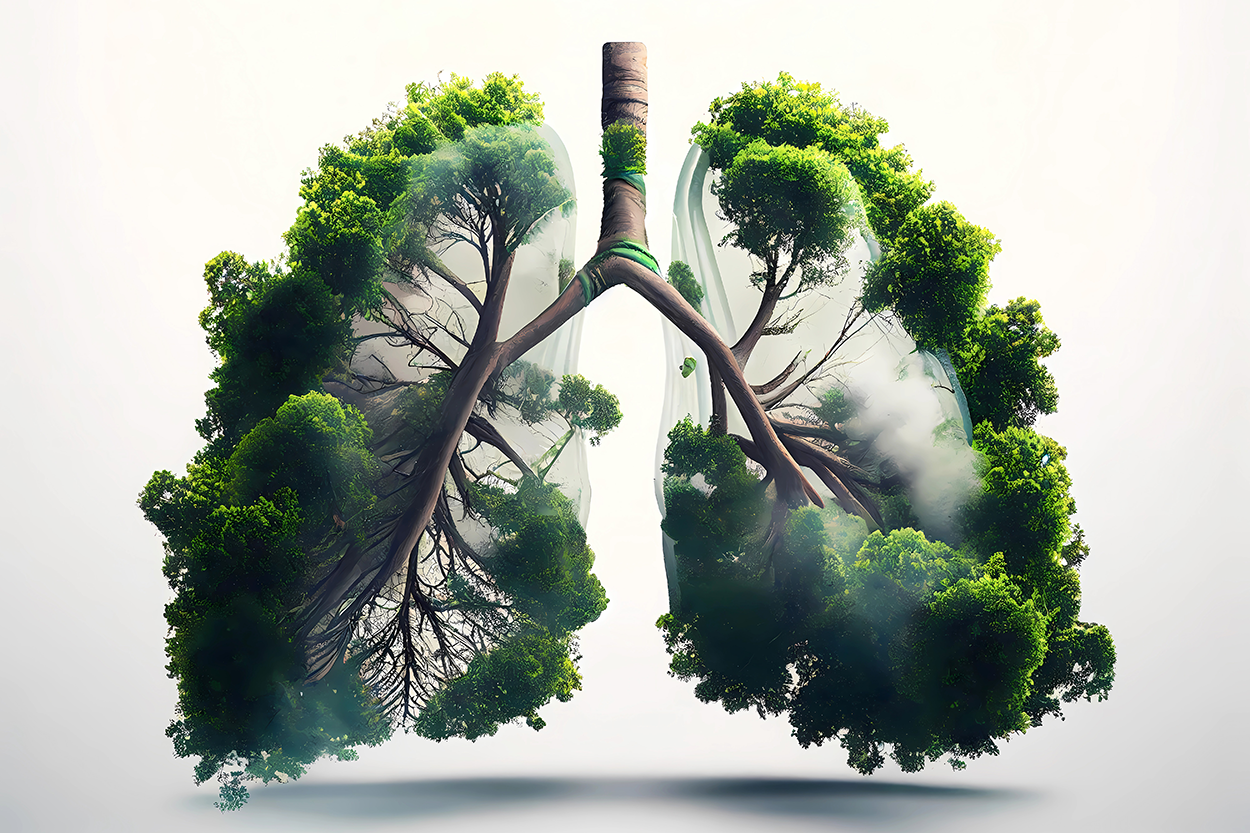
Despite the historical achievements in public health, it still remains an elusive concept. There is a need for a more comprehensive vision to face the challenges of the 21st century. The vision must involve responses from multiple angles and sectors of society involved in governance.
This initiative places an increased emphasis on understanding how the environments where people are born, live, learn, work, play, worship, and age affect health. It recognizes that social determinants of health play a crucial role in shaping health outcomes. The initiative provides a framework for community and public health organizations and individuals committed to improving health and well-being to set their own priorities using the objectives to work toward achieving better health outcomes (Office of Disease Prevention and Health Promotion, n.d.).
Ensuring equitable access to healthcare services, regardless of socioeconomic status, race, or geographic location is essential for improving overall health outcomes. According to the WHO (2020), the climate crisis poses one of the biggest challenges to health worldwide. Droughts and floods increase malnutrition rates and help spread infectious diseases like malaria (World Economic Forum, 2020). Addressing these multifaceted challenges requires not only collaborative efforts and evidence-based interventions but also a well-trained public health workforce to facilitate and implement these strategies.
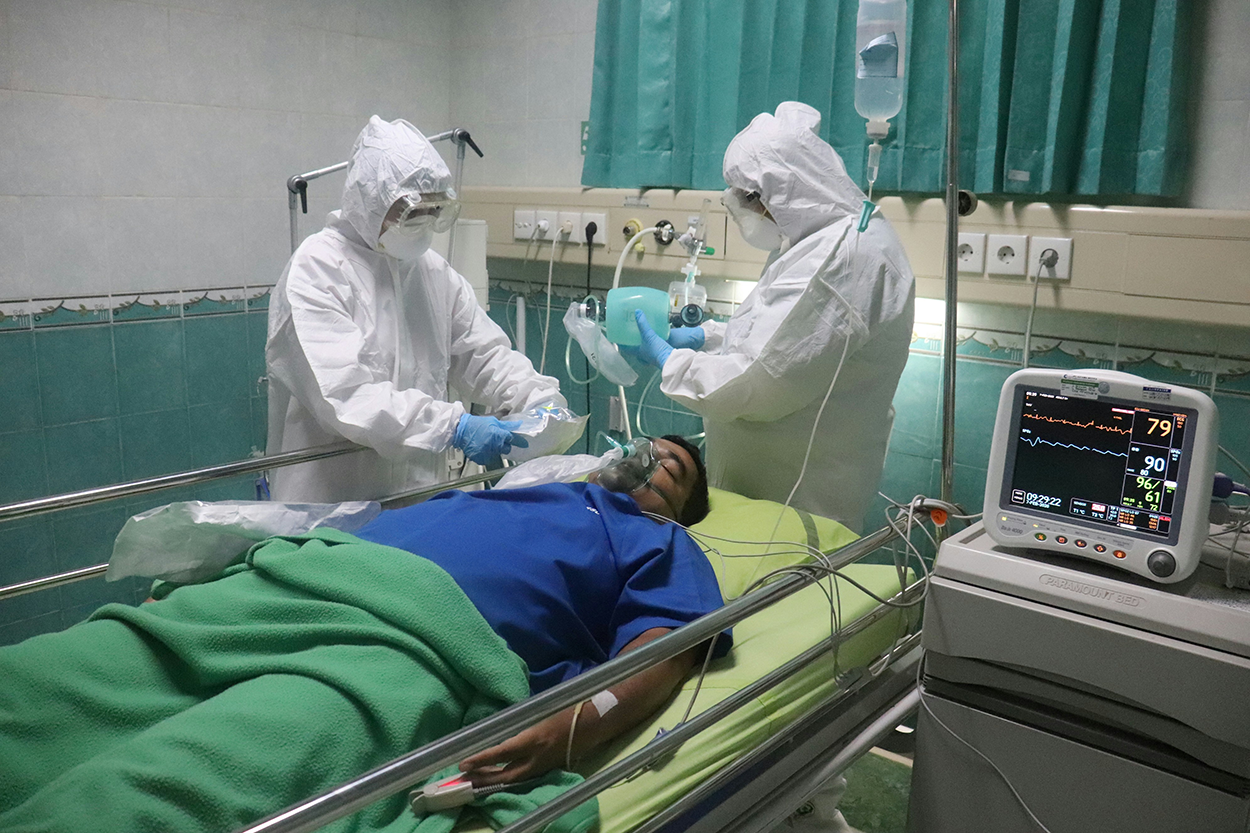
Since the COVID-19 pandemic, which placed a strain on the public health workforce, a substantial staffing shortage has developed. This shortage is due in part to the burnout and resignations of public health employees. Further, an aging workforce where many are reaching retirement age means that succession planning is needed to attract new talent to fill the impending gaps. Inadequate funding, inadequate training, and noncompetitive salaries all pose challenges to recruitment in the workforce. Only 14% of the public health workforce has formal public health training, and less than one in four public health managers and executives have formal training in public health (National Network of Public Health Institutes, 2021). Ensuring equitable distribution of public health workers in areas of greatest need remains a challenge. Some communities lack access to these skilled professionals.
Despite these obstacles, investing in the public health workforce is essential for long-term health outcomes. Strategies such as reassessing the capabilities of the existing workforce, addressing roles, and attracting new and diverse talent can help build a resilient and effective public health workforce (McKinsey & Company, 2022).
| Twenty-First-Century Public Health Initiatives | |
|---|---|
| Initiative | Highlights |
| Public Health 3.0 | An initiative launched by HHS that calls for local government leaders to act as chief health strategists (Desalvo, Wang, et al., 2017). They would coordinate partnerships to address structural and social factors affecting the social determinants of health such as health, housing, transportation, education, and economic development. |
| Healthy People 2030 | A public health initiative that is part of a decades-long program established by the U.S. HHS. The key points of the initiative began in 1980 by setting measurable objectives to guide public health efforts. |
| Global Conference on Health Promotions | In November of 2016, the WHO held the Ninth Global Conference on Health Promotion in Shanghai, China. According to the WHO (n.d.), sustainable development is a broad term to “describe policies, projects and investments that provide benefits today without sacrificing environmental, social, and personal health in the future,” thereby making these developments sustainable in the long term. |
| Sustainable Development Goals | Development goals from the Global Conference on Health Promotion emphasize that health and well-being are crucial for sustainable development. National health policies, strategies, and plans informed by the conference SDGs are vital. These goals guide countries in planning health development within their overall development objectives, ensuring the improvement of health remains a priority. |
Source: THIS TUTORIAL WAS AUTHORED BY SOPHIA LEARNING. PLEASE SEE OUR TERMS OF USE.
Disclaimer: The use of any CDC and United States government materials, including any links to the materials on the CDC or government websites, does not imply endorsement by the CDC or the United States government of us, our company, product, facility, service, or enterprise.
REFERENCES
DeSalvo, K. B., Wang, Y. C., Harris, A., Auerbach, J., Koo, D., & O’Carroll, P. (2017). Public health 3.0: A call to action for public health to meet the challenges of the 21st century. Preventing Chronic Disease, 14:170017. dx.doi.org/10.5888/pcd14.170017
McKinsey & Company. (2022, July 26). Care for the caretakers: Building the global public health workforce. www.mckinsey.com/industries/social-sector/our-insights/care-for-the-caretakers-building-the-global-public-health-workforce
National Network of Public Health Institutes. (2021, May). Challenges and opportunities for strengthening the US public health infrastructure: Findings from the scan of the literature. nnphi.org/wp-content/uploads/2021/06/NNPHI-E2A-Kresge-Report-Web.pdf
Office of Disease Prevention and Health Promotion. (n.d.). About healthy people. U.S. Department of Health and Human Services. health.gov/our-work/national-health-initiatives/healthy-people/about-healthy-people
World Economic Forum. (2020, February 17). These are the 10 biggest global health threats of the decade. www.weforum.org/agenda/2020/02/who-healthcare-challenges-2020s-climate-conflict-epidemics/
World Health Organization. (n.d.). Sustainable development. www.who.int/health-topics/sustainable-development#tab=tab_1
World Health Organization. (2016, November). Shanghai Declaration on promoting health in the 2030 Agenda for Sustainable Development. Promoting health in the SDGs: Report on the 9th global conference for health promotion: All for Health, Health for All, 21–24 November 2016. iris.who.int/bitstream/handle/10665/259183/WHO-NMH-PND-17.5-eng.pdf?sequence=1
World Health Organization. (2018, June). Facing the future: Opportunities and challenges for 21st-century public health in implementing the sustainable development goals and the Health 2020 policy framework. iris.who.int/bitstream/handle/10665/340350/WHO-EURO-2018-2244-41999-57728-eng.pdf?sequence=1
World Health Organization. (2021). 21st century health challenges: Can the essential public health functions make a difference?. iris.who.int/bitstream/handle/10665/351510/9789240038929-eng.pdf?sequence=1



