Table of Contents |
Trace minerals are classified as minerals required in the diet each day in smaller amounts, specifically 100 milligrams or less. These include copper, zinc, selenium, iodine, chromium, fluoride, manganese, molybdenum, and others. Although trace minerals are needed in smaller amounts, it is important to remember that a deficiency in a trace mineral can be just as detrimental to your health as a major mineral deficiency.
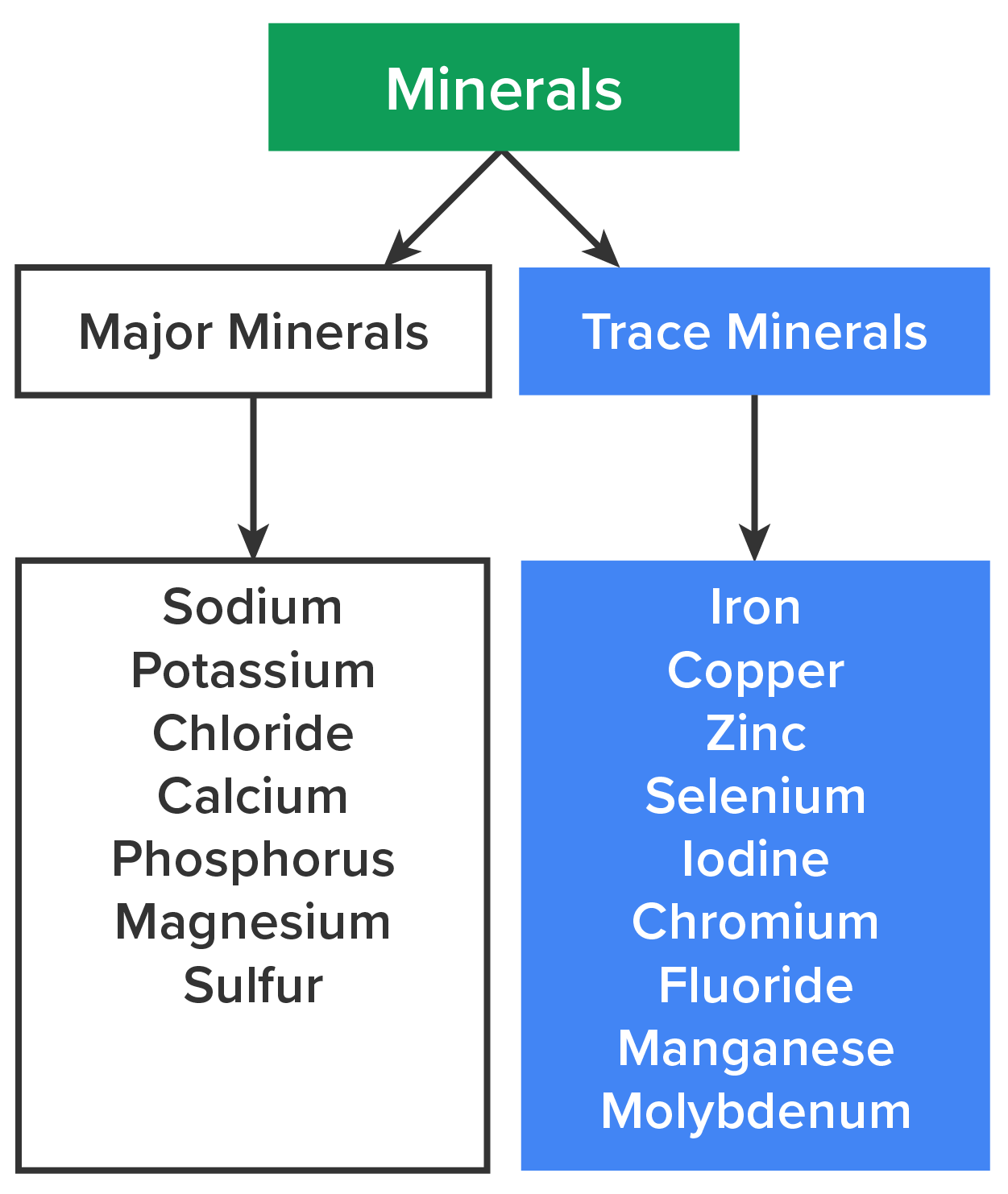
| Micronutrient | Sources | Recommended Intakes for Adults | Major Functions |
|---|---|---|---|
| Iron | Red meat, egg yolks, dark leafy vegetables, dried fruit, iron-fortified foods | 8–18 mg/day | Assists in energy production, DNA synthesis required for red blood cell function |
| Copper | Nuts, seeds, whole grains, seafood | 900 mcg/day | Assists in energy production, iron metabolism |
| Zinc | Oysters, wheat germ, pumpkin seeds, squash, beans, sesame seeds, tahini, beef, lamb | 8–11 mg/day | Assists in energy production, protein, RNA and DNA synthesis; required for hemoglobin synthesis |
| Selenium | Meat, seafood, eggs, nuts | 55 mcg/day | Essential for thyroid hormone activity |
| Iodine | Iodized salt, seaweed, dairy products | 150 mcg/day | Making thyroid hormone, metabolism, growth and development |
| Chromium | Grape juice, ham, brewer's yeast | 25–35 mcg/day | Assists insulin in carbohydrate, lipid and protein metabolism |
| Fluoride | Fluoridated water, foods prepared in fluoridated water, seafood | 3–4 mg/day | Component of mineralized bone, provides structure and microarchitecture, stimulates new bone growth |
| Manganese | Legumes, nuts, leafy green vegetables | 1.8–2.3 mg/day | Glucose synthesis, amino-acid catabolism |
| Molybdenum | Milk, grains, legumes | 45 mcg/day | Cofactor for a few enzymes |
| Micronutrient | Deficiency Diseases and Symptoms | Groups at Risk for Deficiency | Toxicity | UL |
|---|---|---|---|---|
| Iron | Anemia: fatigue, paleness, faster heart rate | Infants and preschool children, adolescents, women, pregnant women, athletes, vegetarians | Liver damage, increased risk of diabetes and cancer | 45 mg/day |
| Copper | Anemia: fatigue, paleness, faster heart rate | Those who consume excessive zinc supplements | Vomiting, abdominal pain, diarrhea, liver damage | 10 mg/day |
| Zinc | Delayed growth in children, hair loss, diarrhea, skin sores, loss of appetite, weight loss | Vegetarians, older adults | Depressed immune function | 40 mg/day |
| Selenium | Fatigue, muscle pain, weakness, Keshan disease | Populations where the soil is low in selenium | Nausea, diarrhea, vomiting, fatigue | 400 mcg/day |
| Iodine | weight gain, itchy skin, low heart rate | Populations where the soil is low in iodine, and iodized salt is not used | Enlarged thyroid | 1,110 mcg/day |
| Chromium | Abnormal glucose metabolism | Malnourished children | None | ND |
| Fluoride | Increased risk of dental caries | Populations with non-fluoridated water | Fluorosis mottled teeth, kidney damage | 10 mg/day |
| Manganese | Impaired growth, skeletal abnormalities, abnormal glucose metabolism | None | Nerve damage | 11 mg/day |
| Molybdenum | Unknown | None | Arthritis, joint inflammation | 2 mg/day |
Iron is a vital mineral that plays a key role in many functions of the body, particularly in the transport of oxygen in the blood. It is an essential nutrient that we must get from our diet because our body cannot produce it on its own. Iron is a crucial component of hemoglobin, the protein in red blood cells responsible for carrying oxygen from the lungs to the rest of the body. Without enough iron, your blood cannot carry sufficient oxygen, which can lead to fatigue and weakness. Iron is also part of myoglobin, a protein in muscles that helps store and transport oxygen, which ensures your muscles have the oxygen they need to function efficiently during physical activity. It is involved in several enzymatic processes, including those that help with energy production and immune system function. Iron is involved in the immune system's ability to fight infections because it helps the body produce and activate immune cells to respond to pathogens. Iron plays a role in the metabolism of neurotransmitters, which are essential for brain function and cognitive health. Iron deficiency has been linked to impaired cognitive development and memory issues, especially in infants and young children.
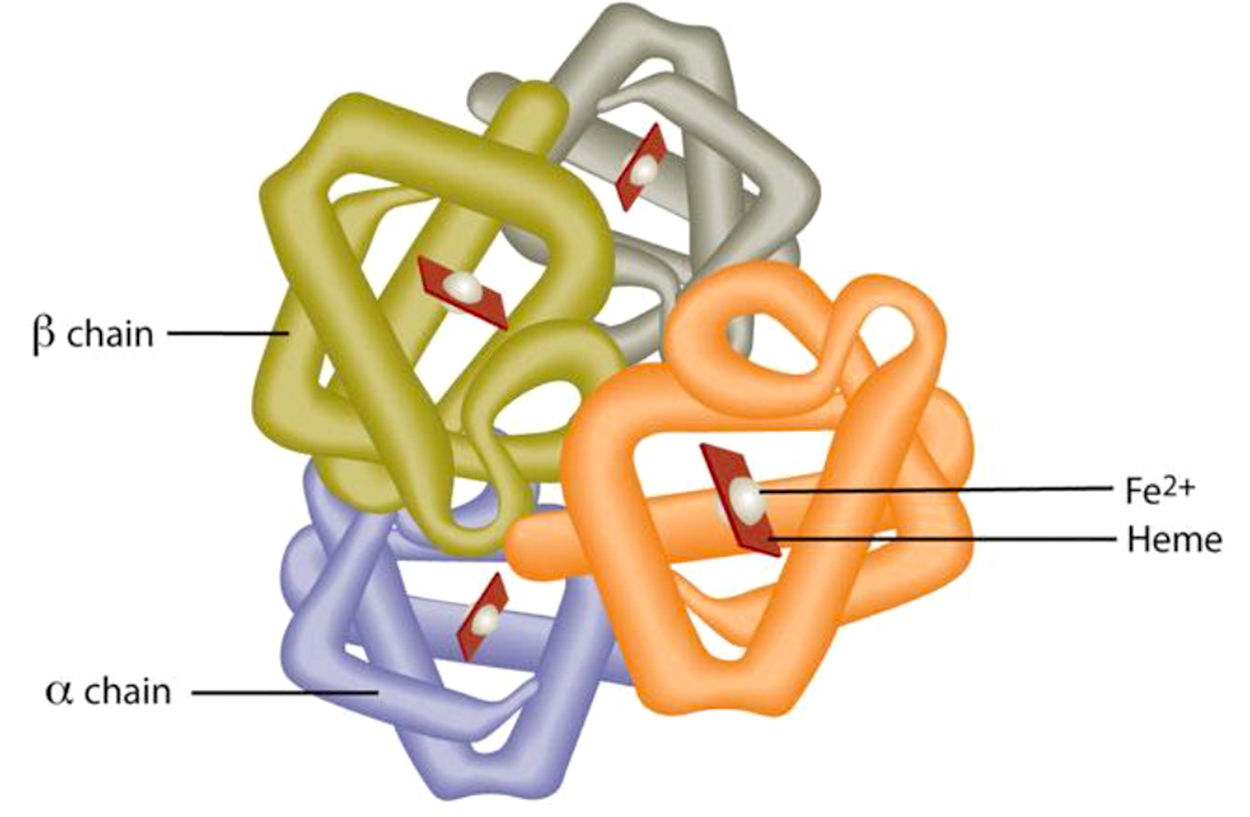
The bioavailability of iron is highly dependent on dietary sources. Heme iron is found in animal products, particularly in red meat, poultry, and fish. About 15–35% of heme iron is absorbed by your body. Non-heme iron is found in plant-based foods like beans, lentils, tofu, spinach, and fortified cereals. Non-heme iron is less efficiently absorbed by the body so that only about 2–20% of it is absorbed.
Some plants contain chemicals (such as phytate, oxalates, tannins, and polyphenols) that inhibit iron absorption. Although, eating fruits and vegetables rich in vitamin C alongside iron-containing foods increases iron absorption. People with plant-based diets are at higher risk for iron deficiency, but careful meal planning can prevent its development. Iron deficiency is the most common of all micronutrient deficiencies.
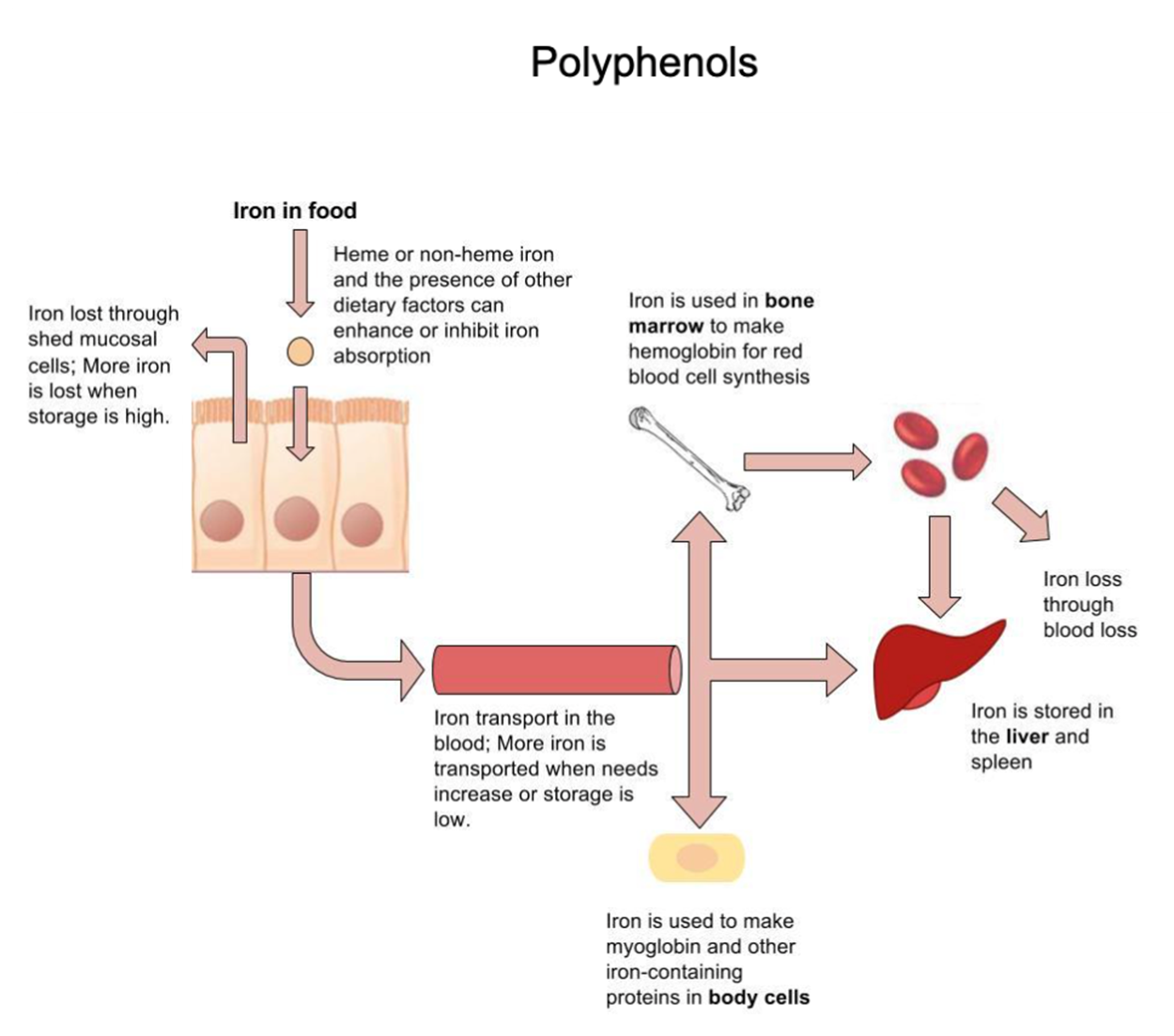
While iron is essential for health, iron overload can also be dangerous. The body does not have a good way of getting rid of excess iron, so it can build up over time. Excess iron can accumulate in organs like the liver, heart, and pancreas, leading to hemochromatosis, a condition that causes damage to these organs over time. Symptoms of hemochromatosis include extreme fatigue, arthritis, joint pain, and severe liver and heart toxicity. In children, death has occurred from ingesting as little as 200 mg of iron, and therefore, it is critical to keep iron supplements out of children’s reach. The tolerable upper intake level for iron in adults is 45 mg per day. Excessive intake from food is rare and supplements should be used carefully.
The following charts indicate the dietary reference intakes of iron.
| Dietary Reference Intakes for Iron | ||
|---|---|---|
| Age Group | RDA (mg/day) | UL (mg/day) |
| Infant (0–6 months) | 0.27* | 40 |
| Infants (6–12 months) | 11* | 40 |
| Children (1–3 years) | 7 | 40 |
| Children (4–8 years) | 10 | 40 |
| Children (9–13 years) | 8 | 40 |
| Adolescents (14–18 years) | 11 (males), 15 (females) | 45 |
| Adults (19–50 years) | 8 (males), 18 (females) | 45 |
| Adults (> 50 years) | 8 | 45 |
| * denotes Adequate Intake | ||
Iron-deficiency anemia develops from insufficient iron levels in the body, resulting in fewer red blood cells containing lower amounts of hemoglobin. Regardless of the cause (be it from low dietary intake of iron or via excessive blood loss), iron-deficiency anemia has the following signs and symptoms, which are linked to the essential functions of iron in energy metabolism and blood health:
The Centers for Disease Control and Prevention reports that iron deficiency is the most common nutritional deficiency worldwide. The main causes of iron deficiency worldwide are parasitic worm infections in the gut causing excessive blood loss, and malaria, a parasitic disease causing the destruction of red blood cells. In the developed world, iron deficiency is more the result of dietary insufficiency and/or excessive blood loss.
IN CONTEXT
At-Risk Populations, including infants, children, adolescents, and women, are the populations most at risk worldwide for iron-deficiency anemia by all causes. Infants, children, and even teens require more iron because iron is essential for growth. In these populations, iron deficiency (and eventually iron-deficiency anemia) can also cause the following signs and symptoms: poor growth, failure to thrive, and poor performance in school, as well as mental, motor, and behavioral disorders. Women who experience heavy menstrual bleeding or who are pregnant require more iron in the diet. One more high-risk group is the elderly. Both elderly men and women have a high incidence of anemia, and the most common causes are dietary iron deficiency and chronic disease, such as ulcer, inflammatory diseases, and cancer. Additionally, those who have recently suffered from traumatic blood loss, frequently donate blood, or take excessive antacids for heartburn need more iron in the diet.
In young children, iron-deficiency anemia can cause significant motor, mental, and behavioral abnormalities that are long-lasting.
Dietary copper is an essential trace mineral that plays a crucial role in several important bodily functions. Although required in very small amounts, copper is vital for overall health, and a deficiency can lead to various health issues.
Copper, like iron, assists in electron transfer in the electron-transport chain and is needed for production of ATP. It helps in the absorption, storage, and release of iron which is crucial to preventing anemia and is part of an antioxidant enzyme to help protect cells from free radical damage. Copper is involved in the synthesis of collagen and elastin, which are key structural components of connective tissue, skin, bones, and blood vessels. Copper helps form myelin and contributes to bone strength and density.
Copper deficiency is rare and can occur in individuals with limited dietary intake or certain health and genetic problems. Symptoms of deficiency may include anemia, fatigue or weakness, tingling or numbness in arms and legs, or poor immune function.
Though copper is essential, toxicity may occur and is often due to high dose supplements or genetic conditions, like Wilson’s disease. Copper toxicity may lead to nausea and vomiting, liver damage, tremors, or mood swings.
Copper is found in a variety of foods, and it is important to eat a balanced diet to meet the recommended intake. Shellfish, organ meat, nuts and seeds, whole grain, fruits, and leafy greens are all good sources of dietary copper. Copper is essential for many critical functions in the body, from producing energy and forming connective tissue to maintaining brain and immune health. It’s found in a variety of foods, and most people can meet their copper needs through a balanced diet.
Zinc is another essential trace mineral that plays a crucial role in many biological functions in the body. Like copper, it is needed in small amounts but is vital for immune health, wound healing, and cell division. Because of the role zinc plays in DNA production and cell division, it is especially important during periods of rapid growth, like childhood, adolescence, and pregnancy. Zinc is necessary for the proper functioning of taste and smell receptors.
In adults, severe zinc deficiency can cause hair loss, diarrhea, skin sores, loss of appetite, and weight loss. Zinc is a required cofactor for an enzyme that synthesizes the heme portion of hemoglobin and severely deficient zinc diets can result in anemia. Zinc deficiency can cause delayed growth in children.
Zinc can be found in both animal and plant-based foods, though it is typically absorbed more easily from animal sources. Cereal grains and some vegetables contain chemicals, one being phytate, which blocks the absorption of zinc and other minerals in the gut. High bioavailability foods include oysters, red meat, poultry, seafood, and dairy. Plant sources are less bioavailable due to phytates, but some sources are legumes, nuts and seeds, whole grains, and vegetables like spinach and mushrooms.
The tolerable upper intake level (UL) for zinc for adults is 40 mg per day, meaning this is the highest amount considered safe to consume daily without adverse effects. The recommended daily intake of zinc varies by age and gender:
Iodine is an essential trace mineral that plays a critical role in maintaining healthy thyroid function, which regulates metabolism and growth. Since iodine is not naturally produced by the body, it must be obtained through diet or supplements. Iodine is a key component of thyroid hormones (thyroxine, T4, and triiodothyronine, T3). These hormones regulate the body's metabolism, energy production, and growth. Iodine deficiency is a global health issue, although it is less common in developed countries due to iodine fortification programs, even minor deficiencies can impair a baby’s brain development.
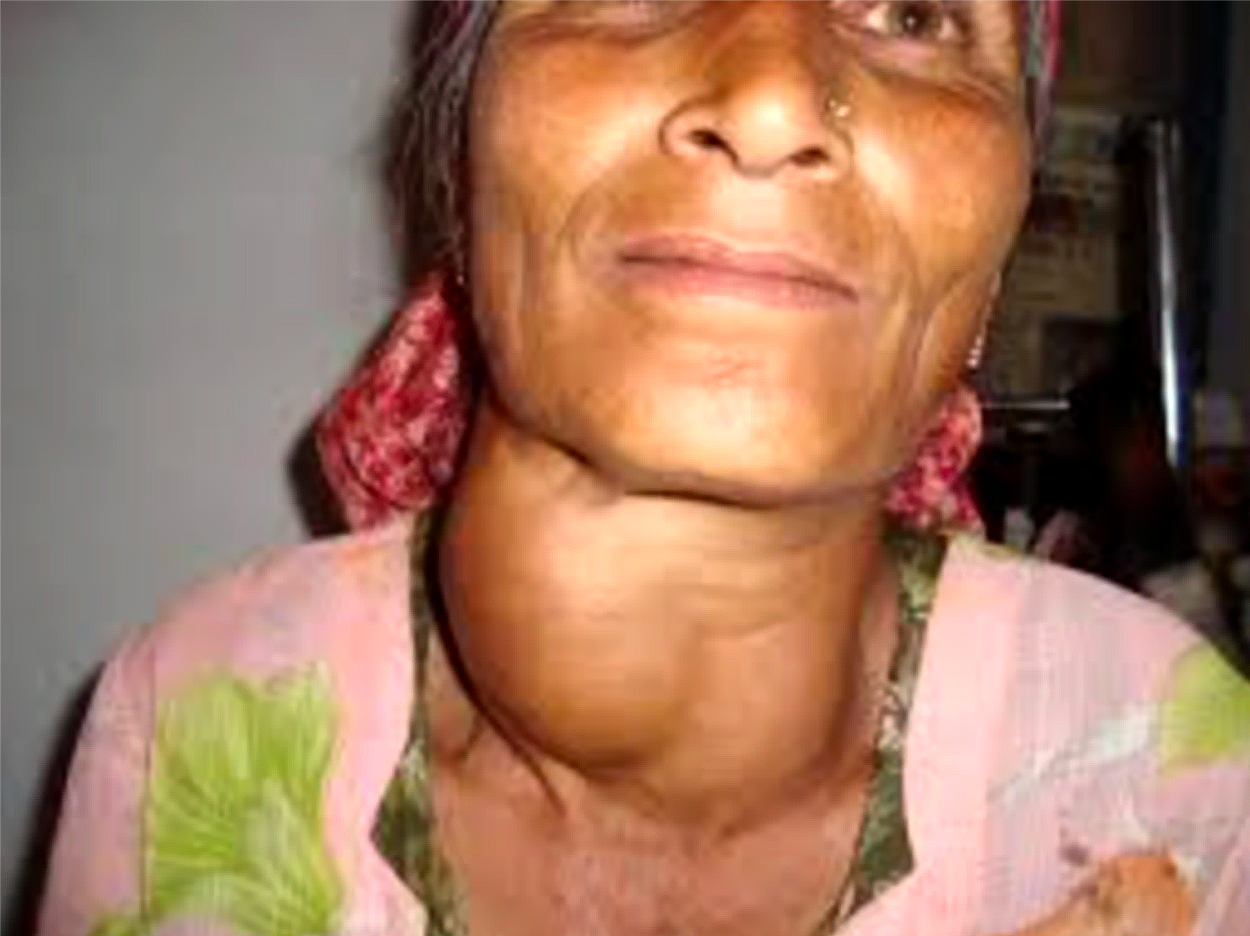
Iodine deficiency can lead to goiter (an enlarged thyroid gland due to the body's attempt to capture more iodine from the bloodstream), hypothyroidism (low levels of thyroid hormones), cognitive impairment (in children, iodine deficiency can cause developmental delays, learning difficulties, and intellectual disabilities), and deficiency during pregnancy can lead to stunted fetal growth, cretinism, or even stillbirth.
The recommended dietary intake of iodine varies by age, gender, and life stage:
Some of the best sources of iodine are from seaweed, dairy products, eggs, fish and shellfish, and iodized salt.
Dietary iodine is essential for proper thyroid function, metabolic regulation, and developmental health. It is primarily found in seafood, dairy, eggs, and iodized salt. While iodine deficiency can lead to serious health issues, such as goiter and developmental delays, iodine toxicity can also occur if too much is consumed, particularly through supplements. It is important to get enough iodine but not to exceed the recommended levels.
Source: THIS TUTORIAL HAS BEEN ADAPTED FROM LUMEN LEARNING’S “NUTRITION FLEXBOOK”. ACCESS FOR FREE AT https://courses.lumenlearning.com/suny-nutrition/. LICENSE: creative commons attribution 4.0 international.
REFERENCES
Fact Sheet for Health Professionals: Zinc. National Institute of Health, Office of Dietary Supplements. ods.od.nih.gov/factsheets/Zinc-HealthProfessional/. Updated February 11, 2016. Accessed November 10, 2017.
Health Professional Fact Sheet: Iodine. National Institute of Health, Office of Dietary Supplements. ods.od.nih.gov/factsheets/Iodine-HealthProfessional/. Updated June 24, 2011. Accessed November 10, 2017.



