In this lesson, you will learn about how the kidney is involved in the regulation of other bodily functions aside from urine formation. Specifically, this lesson will cover:
All systems of the body are interrelated. A change in one system may affect all other systems in the body, with mild to devastating effects. A failure of urinary continence can be embarrassing and inconvenient but is not life-threatening. However, the loss of other urinary functions may prove fatal. A failure to synthesize vitamin D is one such example. This lesson explores some of the potential issues that can be caused by malfunctions of the urinary system.
1. Vitamin D Synthesis
In order for vitamin D to become active, it must undergo a hydroxylation reaction in the kidney, that is, an –OH group must be added to calcidiol to make calcitriol (1,25-dihydroxycholecalciferol). The kidney only does this conversion when stimulated by parathyroid hormone (PTH). Activated vitamin D is important for the absorption of Ca²⁺ in the digestive tract, its reabsorption in the kidney, and the maintenance of normal serum concentrations of Ca²⁺ and phosphate.
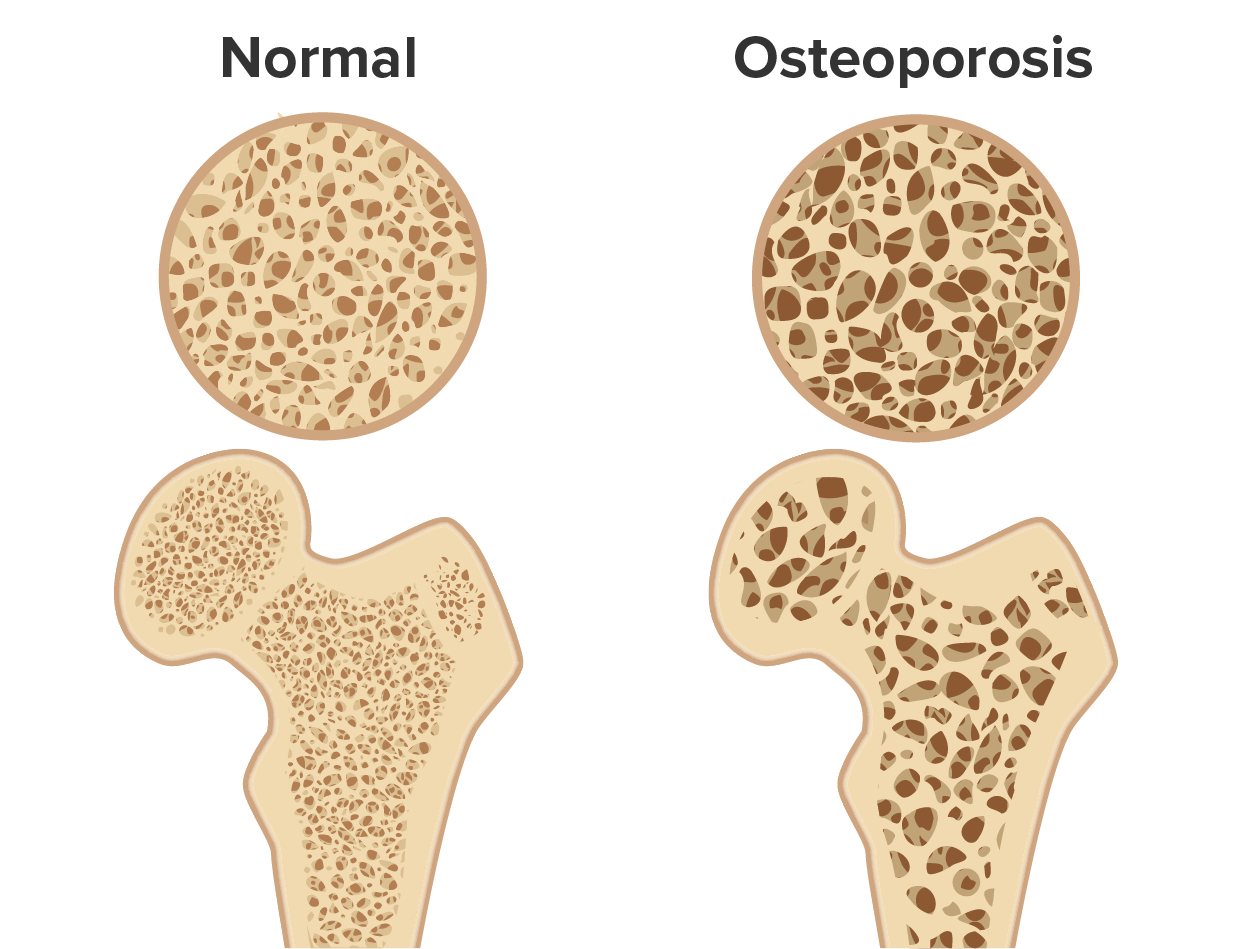
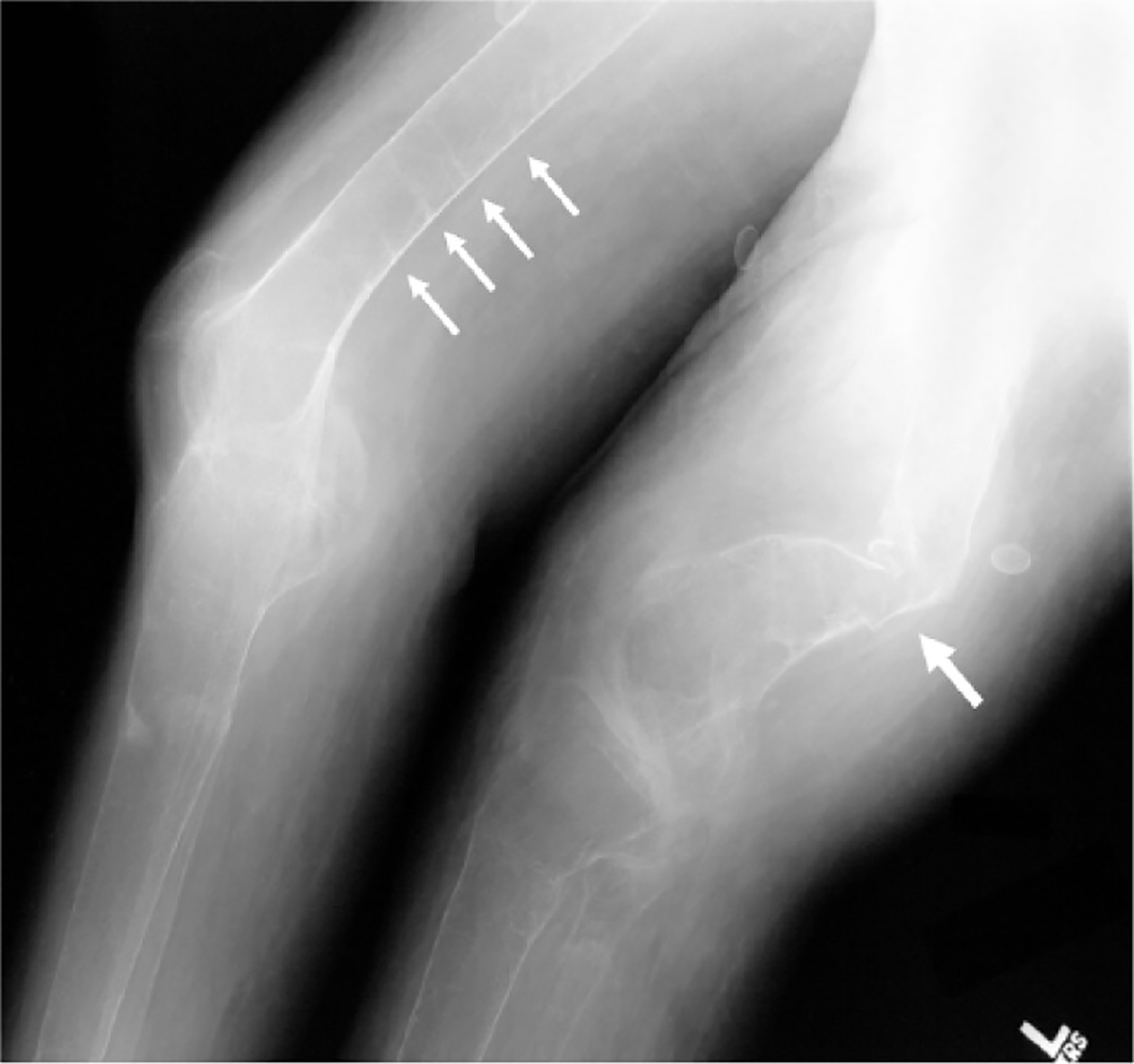
Calcium is vitally important in bone health, muscle contraction, hormone secretion, and neurotransmitter release. Inadequate Ca²⁺ leads to disorders like osteoporosis (bones becoming weak and brittle) and osteomalacia (softening of bones caused by lack of mineralization with calcium and phosphate) in adults, and rickets in children (symptoms of which can include bow legs, weakness, and pain).
Comparison of a Normal Bone and a Bone Affected by Osteoporosis
Result of Severe Osteomalacia - A radiograph of the distal femurs shows further evidence of badly malformed bones secondary to severe osteomalacia (large arrow), as well as several additional pseudofractures (small arrows).
Comparison of Normal Bones and Bones Affected by Rickets
Deficits may also result in problems with cell proliferation, neuromuscular function, blood clotting, and the inflammatory response. Recent research has confirmed that vitamin D receptors are present in most, if not all, cells of the body, reflecting the systemic importance of vitamin D. Many scientists have suggested it be referred to as a hormone rather than a vitamin.
Term Pronunciation Table
Term
Pronunciation
Audio File
Osteomalacia
os·te·o·ma·la·cia
term to know
Osteomalacia
Softening of bones due to a lack of mineralization with calcium and phosphate; most often due to lack of vitamin D; in children, osteomalacia is termed rickets; not to be confused with osteoporosis.
2. Erythropoiesis
As you previously learned, erythropoietin (EPO) is a protein that stimulates the formation of red blood cells in the bone marrow. The kidney produces 85% of circulating EPO; the liver produces the remainder.
key concept
If you move to a higher altitude, the partial pressure of oxygen is lower, meaning there is less pressure to push oxygen across the alveolar membrane and into the red blood cell. One way the body compensates is to manufacture more red blood cells. The lower partial pressure of oxygen is sensed by the kidney, which increases EPO production. The increased EPO stimulates the bone marrow to make more red blood cells; consequently, the hematocrit increases. If you start an aerobic exercise program, your tissues will need more oxygen to cope, and the kidney will respond with more EPO. If erythrocytes are lost due to severe or prolonged bleeding, or underproduced due to disease or severe malnutrition, the kidneys come to the rescue by producing more EPO.
Renal failure (loss of EPO production) is associated with anemia, which makes it difficult for the body to cope with increased oxygen demands or to supply oxygen adequately even under normal conditions. Anemia diminishes performance and can be life-threatening.
did you know
As you previously learned, synthetic EPO is used as a performance-enhancing drug (“blood doping”) by some athletes to increase oxygen availability to tissues and is, therefore, a banned substance in most organized sports. However, it is important to remember that it also has medical benefits, such as the treatment of certain anemias, specifically those caused by certain types of cancer and chronic kidney disease, and inflammatory bowel disease (e.g., Crohn's disease and ulcerative colitis).
3. Blood Pressure Regulation
Due to osmosis, water follows where Na⁺ leads. Much of the water the kidneys recover from the forming urine follows the reabsorption of Na⁺. Antidiuretic hormone (ADH) stimulation of aquaporin channels allows for the regulation of water recovery in the collecting ducts.
key concept
Normally, all of the glucose filtered by the kidney is recovered. However, in diabetes mellitus, there is an increased blood glucose concentration, which leads to an increased glucose load to the kidney when the plasma is filtered in the glomerulus. This increased glucose load exceeds the capacity of the kidney to reabsorb glucose. Therefore, glucose remains in the formed urine. This increased glucose in the formed urine increases the osmotic pressure and retains water due to osmosis, thereby resulting in osmotic diuresis (increased urination). Severe osmotic diuresis can produce severe dehydration and death.
A loss of renal function means a loss of effective vascular volume control, leading to hypotension (low blood pressure) or hypertension (high blood pressure), which can lead to stroke, heart attack, and aneurysm formation.
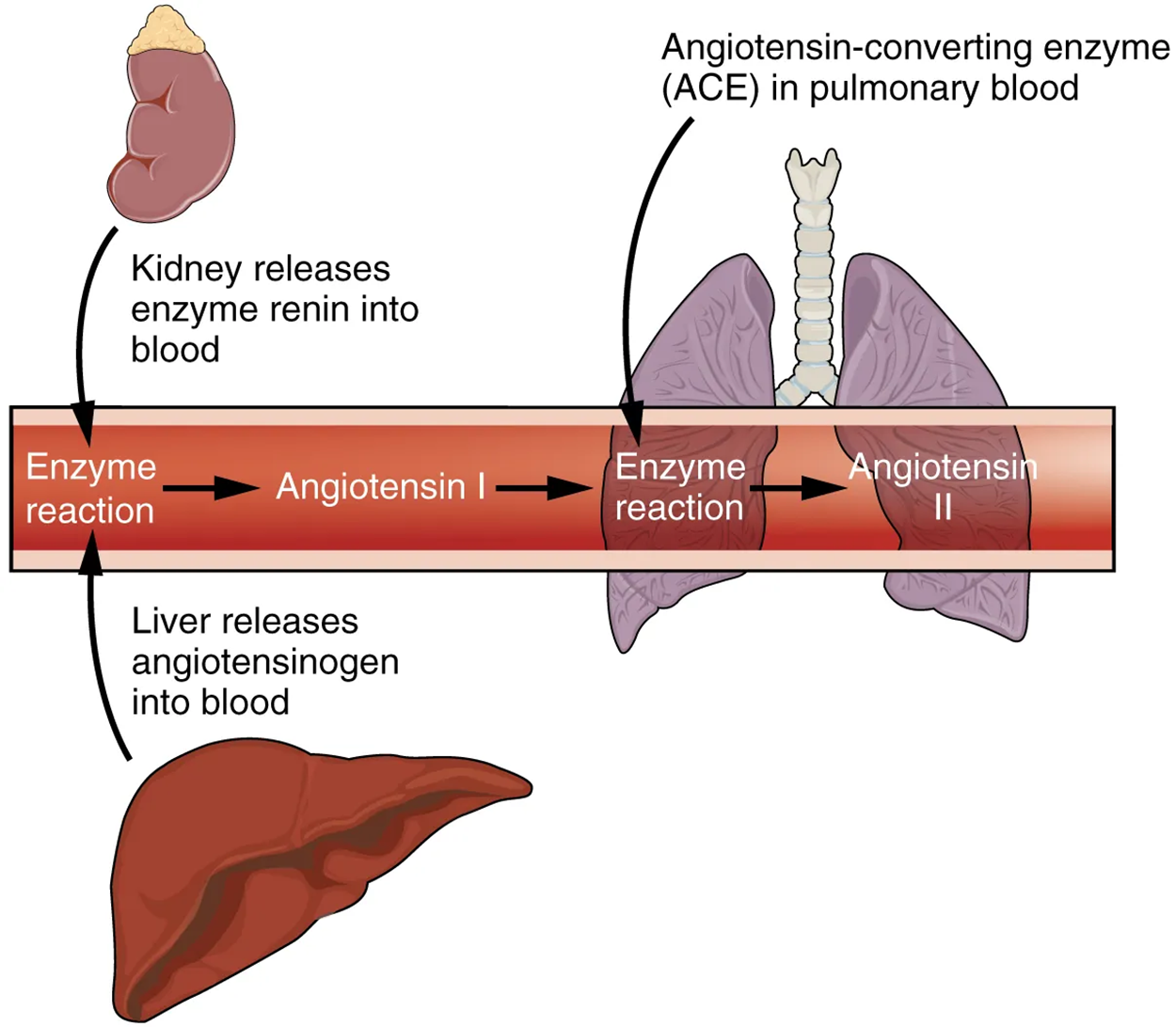
The kidneys cooperate with the lungs, liver, and adrenal cortex through the renin–angiotensin–aldosterone system (RAAS), which you learned about in a previous lesson. The liver synthesizes and secretes the inactive precursor angiotensinogen. When the blood pressure is low, the kidney synthesizes and releases renin. Renin converts angiotensinogen into angiotensin I, and ACE produced in the lung converts angiotensin I into biologically active angiotensin II. The immediate and short-term effect of angiotensin II is to raise blood pressure by causing widespread vasoconstriction.
Angiotensin II also stimulates the adrenal cortex to release the steroid hormone aldosterone, which results in renal reabsorption of Na⁺ and its associated osmotic recovery of water. The reabsorption of Na⁺ helps to raise and maintain blood pressure over a longer term.
The Enzyme Renin Converts the Pro-enzyme Angiotensin
4. Regulation of Osmolarity
Blood pressure and osmolarity are regulated in a similar fashion. Severe hypo-osmolarity can cause problems like lysis (rupture) of blood cells or widespread edema, which is due to a solute imbalance. Inadequate solute concentration (such as protein) in the plasma results in water moving toward an area of greater solute concentration, in this case, the interstitial space and cell cytoplasm.
If the kidney glomeruli are damaged by an autoimmune illness, large quantities of protein may be lost in the urine. The resultant drop in serum osmolarity leads to widespread edema that, if severe, may lead to damaging or fatal brain swelling.
Severe hypertonic conditions may arise with severe dehydration from lack of water intake, severe vomiting, or uncontrolled diarrhea. When the kidney is unable to recover sufficient water from the forming urine, the consequences may be severe (lethargy, confusion, muscle cramps, and finally, death).
5. Recovery of Electrolytes
Sodium, calcium, and potassium must be closely regulated, and their concentrations are strongly regulated by the kidney. The role of Na⁺ and Ca²⁺ homeostasis has been discussed at length in this challenge. Failure of K⁺ regulation can have serious consequences on nerve conduction, skeletal muscle function, and most significantly, on cardiac muscle contraction and rhythm.
6. pH Regulation
Recall that enzymes lose their three-dimensional conformation and, therefore, their function if the pH is too acidic or basic. This loss of conformation may be a consequence of the breaking of hydrogen bonds. Move the pH away from the optimum for a specific enzyme and you may severely hamper its function throughout the body, including hormone binding, central nervous system signaling, or myocardial contraction.
Proper kidney function is essential for pH homeostasis. For example, recall from a previous lesson that intercalated cells in the distal convoluted tubule and collecting ducts play significant roles in regulating blood pH by lowering the acidity of the plasma while increasing the acidity of the urine.
Everyday Connection
Stem Cells and Repair of Kidney Damage
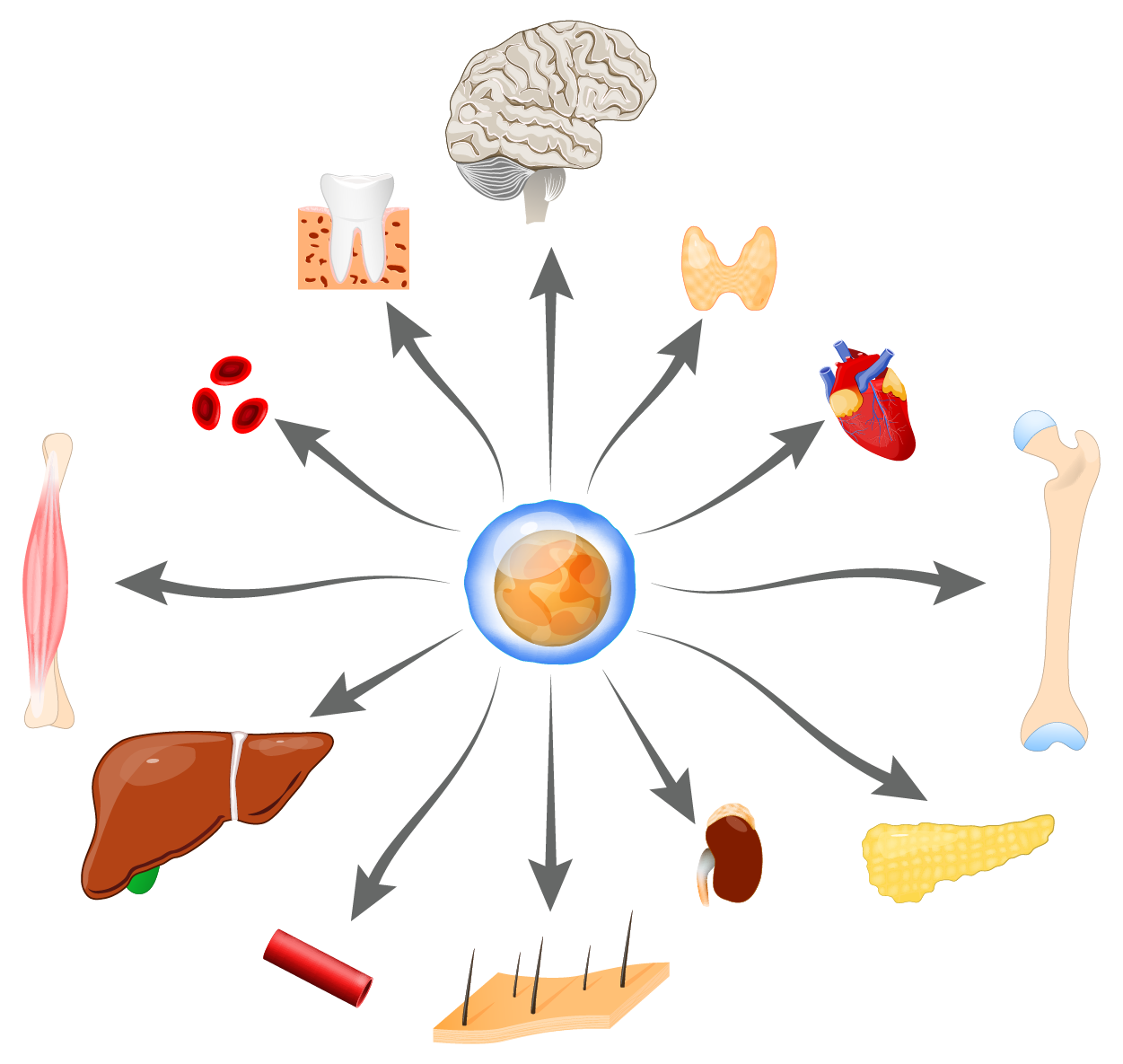
Stem cells are unspecialized cells that can reproduce themselves via cell division, sometimes after years of inactivity. Under certain conditions, they may differentiate into tissue-specific or organ-specific cells with special functions.
Examples of Stem Cell Differentiation into Cells with Specific Functions in Different Organs, Including the Kidney.
In some cases, stem cells may continually divide to produce a mature cell and to replace themselves. Stem cell therapy has enormous potential to improve the quality of life or save the lives of people suffering from debilitating or life-threatening diseases. There have been several studies in animals, but because stem cell therapy is still in its infancy, there have been limited experiments in humans.
Acute kidney injury can be caused by a number of factors, including transplants and other surgeries. It affects 7%–10% of all hospitalized patients, resulting in the deaths of 35%–40% of those inpatients. In limited studies using mesenchymal stem cells, there have been fewer instances of kidney damage after surgery, the length of hospital stays has been reduced, and there have been fewer readmissions after release.
How do these stem cells work to protect or repair the kidney? The exact mechanisms are still being determined by scientists, but some evidence has shown that these stem cells release several growth factors in endocrine and paracrine ways. As further studies are conducted to assess the safety and effectiveness of stem cell therapy, we will move closer to a day when kidney injury is rare, and curative treatments are routine.
summary
In this lesson, you learned about how the kidney is involved in regulating body functions other than urine formation, and what can happen when the kidney does not function properly. You first explored the role of the kidney in vitamin D synthesis because vitamin D is activated in the kidney. Then, you examined how the kidney affects erythropoiesis by controlling EPO production and how it is involved in blood pressure regulation via the renin–angiotensin–aldosterone system. You also learned about how the kidney controls regulation of osmolarity in a similar fashion to blood pressure. You then reviewed that the kidney is associated with recovery of electrolytes and that it is involved in pH regulation to maintain homeostasis.
REFERENCES
Liu, S., Ren, J., Hong, Z., Yan, D., Gu, G., Han, G., ... & Li, J. (2013). Efficacy of erythropoietin combined with enteral nutrition for the treatment of anemia in Crohn's disease: a prospective cohort study. Nutrition in Clinical Practice, 28(1), 120-127.
Provatopoulou, S. T., & Ziroyiannis, P. N. (2011). Clinical use of erythropoietin in chronic kidney disease: outcomes and future prospects. Hippokratia, 15(2), 109.
Terms to Know
Osteomalacia
Softening of bones due to a lack of mineralization with calcium and phosphate; most often due to lack of vitamin D; in children, osteomalacia is termed rickets; not to be confused with osteoporosis.