Attribution theory is a psychological framework that explains how individuals interpret and assign causes to behaviors and events. In the context of organizational behavior (OB), attribution theory provides valuable insights into how employees, managers, and leaders perceive actions, outcomes, and interactions within an organization, and how these perceptions influence behavior, motivation, and interpersonal relationships.
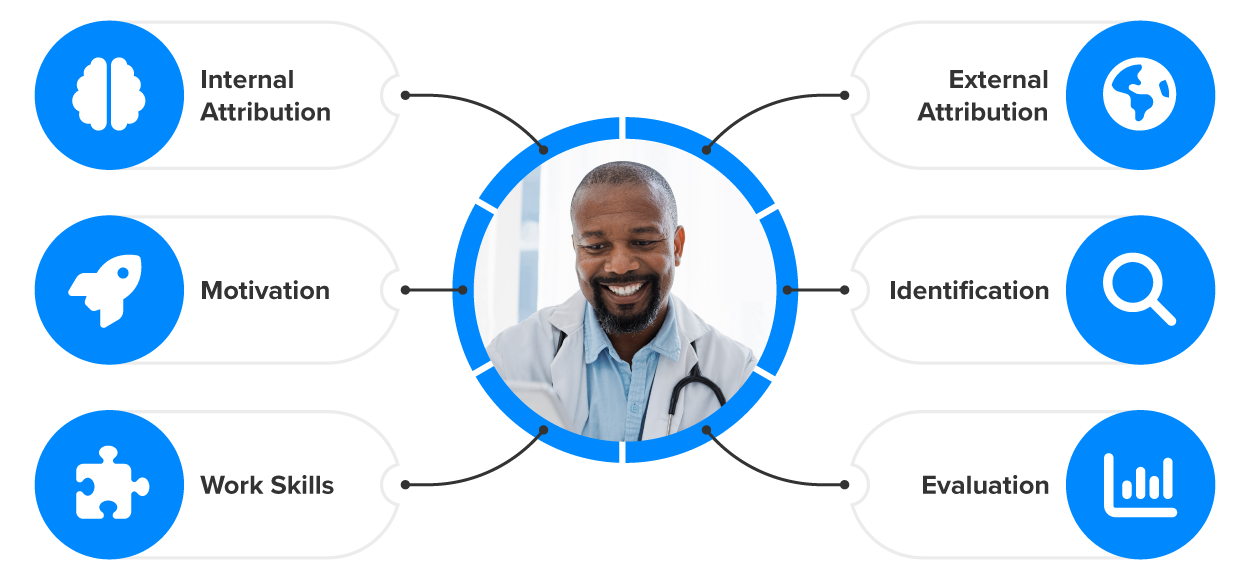
Attribution theory, first developed by Fritz Heider and later expanded by Harold Kelley, focuses on how people explain the causes of their own and others' actions. The core idea is that people try to understand whether an event or behavior is due to internal factors (such as personal characteristics, abilities, or effort) or external factors (such as situational variables or luck).
EXAMPLE
If a nurse makes a mistake, colleagues and managers might wonder if it was due to the nurse’s lack of attention (an internal factor) or because of a high workload and stressful conditions (external factors).These attributions can significantly affect motivation, job satisfaction, performance, and overall organizational dynamics.
This theory is crucial in a healthcare setting, where understanding the reasons behind actions can impact teamwork, communication, and overall effectiveness. By understanding the attributions people make about successes, failures, and challenges, healthcare leaders can improve decision making, enhance team dynamics, foster a positive organizational culture, and ultimately improve patient care.
In organizational settings, performance appraisals are central to the decision-making process related to promotions, raises, and rewards. Attribution theory plays a key role in how employees interpret feedback. If a leader attributes an employee's success to internal factors like their competence and hard work, the employee may feel more motivated and valued. However, if the success is attributed to external factors like luck or an easy task, the employee may feel less capable and more dependent on external circumstances. Similarly, when performance is poor, internal attributions (e.g., lack of ability, poor effort) might lead to feelings of shame, lack of motivation, and frustration. In contrast, external attributions (e.g., difficult task, inadequate resources) can maintain self-esteem but may lower accountability or effort.
Organizations can use attribution theory to train managers in understanding how attributions impact their perceptions of employee performance. By focusing on making more accurate attributions, such as considering external factors when evaluating performance, managers can offer more constructive feedback, leading to improved employee motivation and morale.
EXAMPLE
If a healthcare worker is consistently late, a leader who understands that the lateness is due to external factors, like transportation issues, can offer solutions such as flexible scheduling rather than simply reprimanding the employee.Leaders' attributions about employee behavior can affect their leadership style and how they treat employees. If a manager attributes an employee's poor performance to internal causes (like laziness or lack of ability), they might adopt a more controlling or corrective approach. However, if they attribute it to external factors (e.g., unclear instructions or lack of resources), they may be more understanding and supportive.
EXAMPLE
If a doctor fails to communicate effectively with a patient, rather than attributing this to internal factors (e.g., lack of empathy), a leader may consider external factors such as high patient load or insufficient time. This promotes empathy and support, fostering a more positive work environment and greater motivation to do well.Leaders who make accurate attributions can enhance employee motivation by offering the right kind of support or feedback. For example, attributing failure to controllable internal factors (such as lack of effort or skill) may lead to actions like training or additional resources. Attributing failure to external, uncontrollable factors (such as organizational change) could lead to understanding and reassurance. Attributional biases (the tendency to misinterpret the causes of behavior), such as the fundamental attribution error (overemphasizing internal causes for others' behavior) or the self-serving bias (attributing personal successes to internal factors and failures to external ones), can distort perceptions and lead to ineffective leadership decisions or unbalanced feedback.
Attribution theory is crucial in understanding team dynamics and interpersonal relationships in the workplace. How team members attribute each other's behaviors can affect trust, communication, and collaboration. For instance, if a team member attributes another's failure to a lack of effort or ability (internal attribution), this may lead to negative judgments, conflict, or poor teamwork. However, if the failure is attributed to external factors like lack of training or unclear expectations, team members are more likely to offer support and foster a collaborative environment.
IN CONTEXT
Misunderstandings in teams can arise when people make incorrect attributions. For example, a colleague may be perceived as uncooperative if their actions are attributed to personality flaws (internal attribution), rather than external factors like workload pressures or a lack of understanding of team goals. Teams can be trained to consider both internal and external factors when explaining colleagues' behaviors, helping to reduce conflict and misunderstandings. Encouraging an understanding of external attributions can build empathy and collaboration, improving teamwork and communication.
Attribution theory also influences how employees interpret their work experiences and, in turn, affects their job satisfaction and commitment to the organization. When employees attribute positive outcomes (e.g., recognition, promotion) to their own abilities and efforts (internal attribution), they feel competent and motivated to continue performing at a high level. However, if positive outcomes are attributed to external factors like luck or favoritism, they may feel less secure or less motivated in the long term.
In cases of failure or setbacks, if employees attribute poor outcomes to external, uncontrollable factors (e.g., bad management, lack of resources), they are more likely to remain satisfied and motivated. However, attributing failure to internal factors (e.g., personal inability) can lead to lower job satisfaction and increased likelihood of burnout or turnover.
Attribution theory is also central to understanding conflict resolution and organizational justice. When conflicts arise, individuals often make attributions about others' actions, which can shape the tone and outcome of the conflict. If employees attribute a colleague's behavior to malicious intent (internal attribution), they may respond with anger or resentment. However, if the behavior is seen as the result of external circumstances (e.g., pressure from management), individuals may approach the situation with more empathy and a problem-solving attitude.
If leaders are seen as making fair attributions, employees are more likely to view the organization as just, which improves morale, trust, and commitment.
EXAMPLE
If a doctor believes a nurse’s mistake is due to carelessness rather than a busy shift, it can create tension and reduce trust. Encouraging team members to consider external factors can foster a more supportive and understanding work environment.Attribution biases can distort decision making and perceptions in the workplace. For instance, a manager might attribute an employee’s poor performance to a lack of effort or skill (internal attribution), while excusing their own mistakes by attributing them to external factors, such as resource constraints. These biases can create unfair evaluations and miscommunication, leading to dissatisfaction and decreased performance. Recognizing these biases allows managers and leaders to make more accurate and fair decisions, fostering a more supportive and equitable work environment.
In patient care, attribution processes are also crucial in shaping patient perceptions and satisfaction. How patients interpret their experiences with healthcare providers—whether they attribute positive or negative outcomes to internal or external factors—can influence their overall experience and trust in the healthcare system.
Source: THIS TUTORIAL WAS AUTHORED BY SOPHIA LEARNING. PLEASE SEE OUR TERMS OF USE.



