Table of Contents |
Understanding the role of culture in conflict can be important for effective communication and conflict resolution. Culture refers to the shared values, beliefs, customs, and behaviors that characterize a group of people and shape its perceptions, behaviors, and interactions, often serving as a lens through which we interpret the world around us. In conflict situations, cultural differences can lead to misunderstandings and escalate tensions if not properly managed. In this lesson, you will explore the various aspects of culture, including cultural norms, differences, and evolution, and how these elements influence conflict dynamics. Additionally, we will delve into the concepts of cultural competency, communication styles, and the impact of identity on conflict. By the end of this lesson, you will have a comprehensive understanding of how culture plays a critical role in conflict and how to address these cultural dimensions effectively.
EXAMPLE
Different cultures have distinct food preferences, music styles, and artistic expressions that reflect their unique worldviews.Cultural differences are inevitable, given the diversity of norms, traditions, and worldviews across societies. These differences, whether in language, communication styles, or family traditions, can lead to conflict if not understood or respected. For example, what is considered polite in one culture, such as making direct eye contact, may be seen as disrespectful in another. Similarly, differences in dress codes or family roles can cause misunderstandings. Cultural differences, therefore, range from trivial (e.g., food preferences) to fundamental (e.g., family and gender roles), and recognizing these differences can sometimes be essential in preventing and resolving conflicts.
Remember, culture is not static; it evolves over time. Changes in societal norms, such as the shift in women’s fashion from dresses to pants or the emergence of new music genres like rock and roll and hip-hop, reflect cultural evolution. These changes are driven by various factors, including technological advancements, social movements, and generational shifts.
Understanding cultural evolution helps us appreciate the dynamic nature of culture and how it influences conflict. As cultures evolve, so do the potential sources of conflict, making it important to stay attuned to these changes.
A cultural worldview is a set of assumptions and beliefs that shape how individuals interpret their environment and make decisions. Recognizing these worldviews helps us understand how different cultures approach conflict. For example, those in a culture where collective well-being is valued may prioritize group harmony over individual rights, while those in another culture may emphasize personal autonomy and direct communication. Avoiding stereotypes and acknowledging the diversity within cultural worldviews help prevent miscommunication and foster a more balanced approach to conflict resolution.
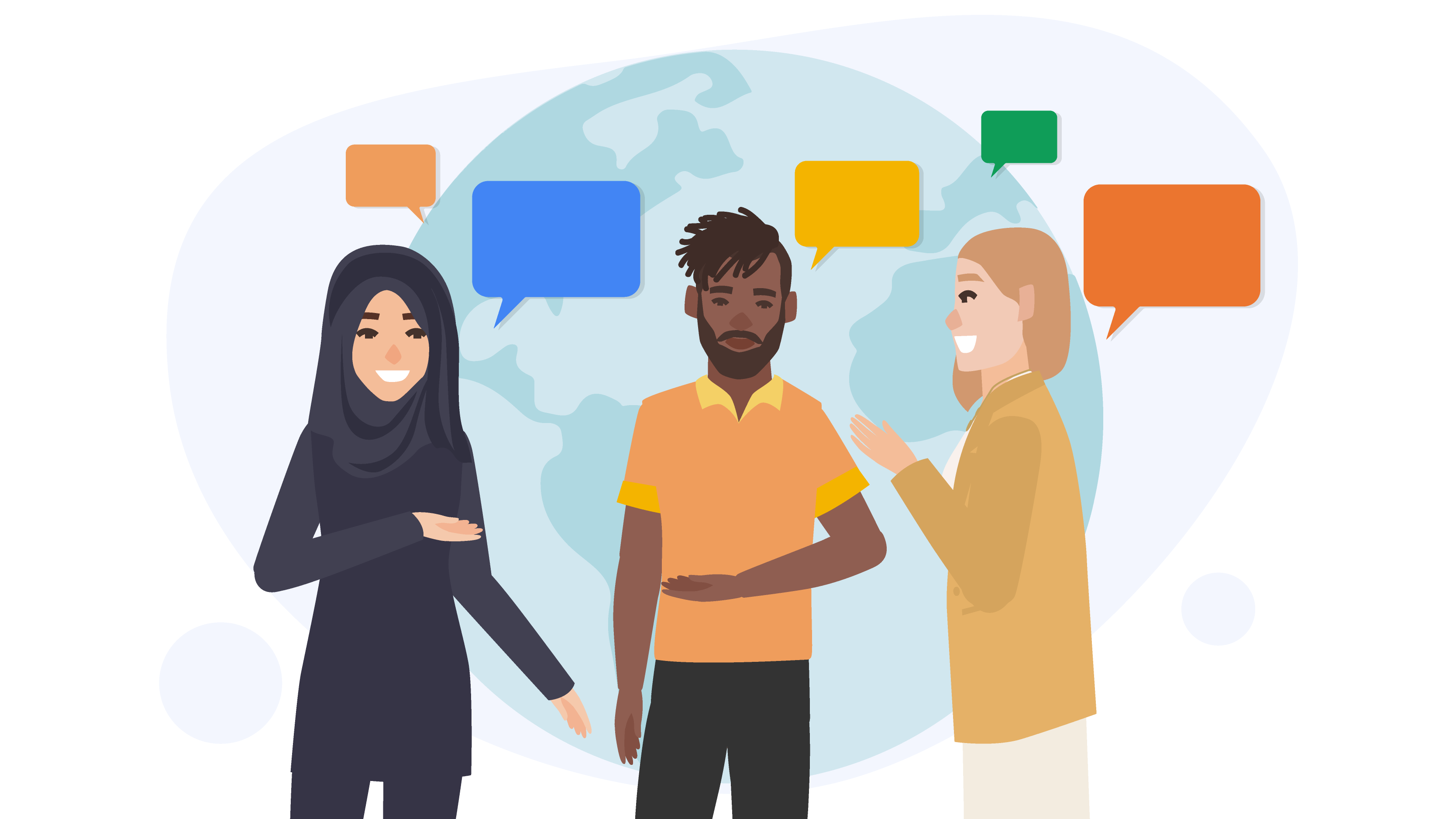
Cross-cultural conflicts in conflict resolution refer to disputes that arise because of differences in cultural backgrounds, values, and communication styles between the parties involved. In cross-cultural conflicts, addressing the differences in worldviews requires cultural competency. Conflict resolvers must be able to recognize when cultural misunderstandings are at play and raise these issues in a way that fosters dialogue and mutual understanding. This involves listening attentively, respecting cultural differences, and asking questions to clarify each party’s perspective. Ineffective approaches, such as stereotyping or making assumptions, can exacerbate conflicts and hinder resolution. By focusing on building bridges between differing worldviews, mediators can help parties find common ground and work toward a resolution that respects their cultural values.
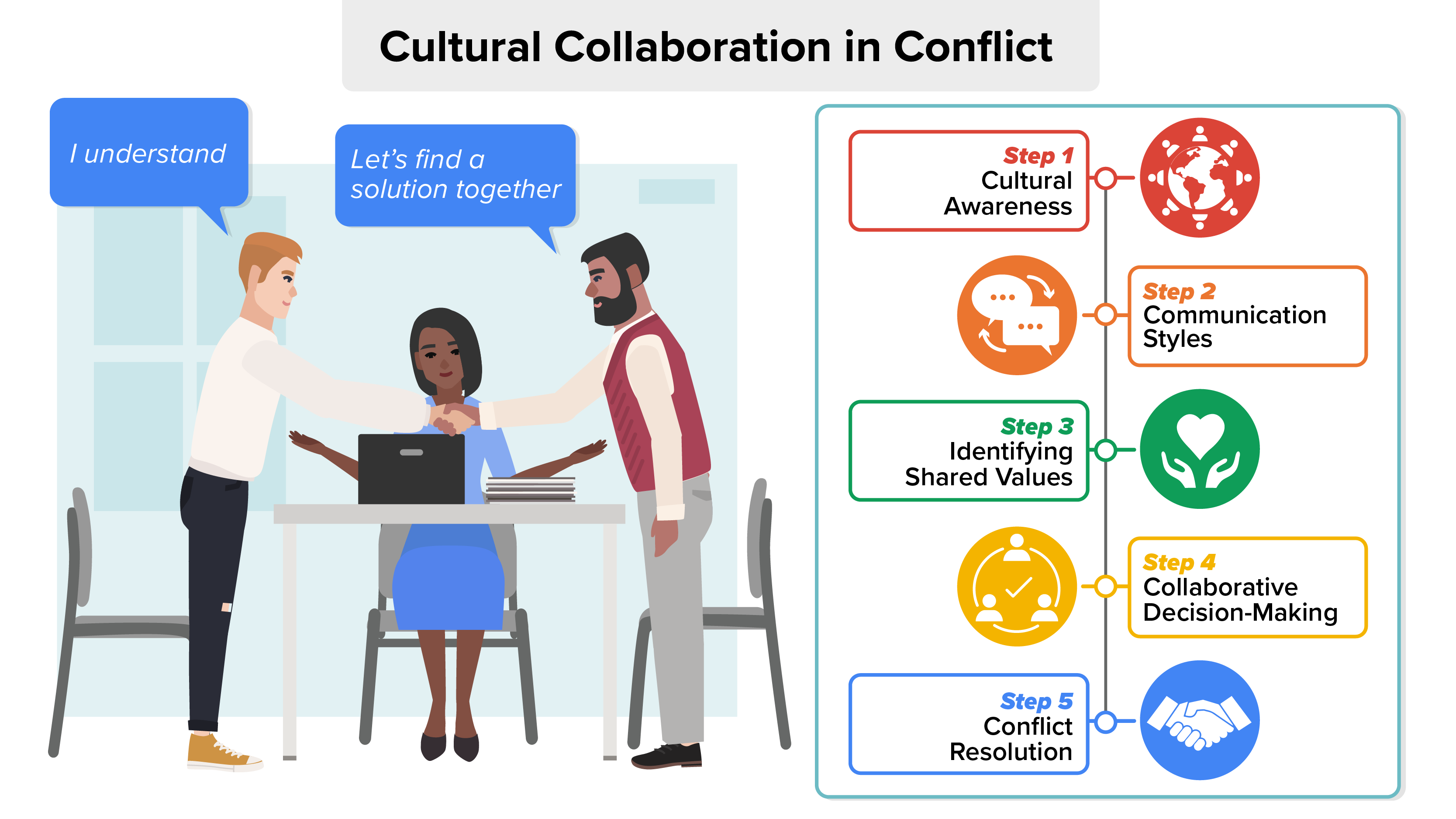
Cultural competency refers to the ability to recognize when culture plays a role in miscommunication or conflict and to address it appropriately. Unlike cultural immersion (long-term exposure) or cultural fluency (functioning like a native within a culture), cultural competency focuses on awareness of and sensitivity to cultural differences. For conflict resolvers, cultural competency involves understanding that cultural issues may underlie conflicts and being able to bring these issues into discussion in a way that fosters mutual understanding and resolution.
A key aspect of cultural competency is distinguishing between worldview and stereotyping. A worldview is the set of assumptions and beliefs that shape how individuals interpret their environment. Every culture has its own worldview, which influences behaviors and decisions. However, stereotyping—assuming that all members of a culture exhibit the same traits—can lead to misjudgments and escalate conflicts. Cultural competency requires recognizing that worldviews differ, avoiding the trap of stereotyping, and instead, acknowledging the individuality within cultural groups.
To address cultural differences in conflict effectively, conflict resolvers should use strategies such as asking questions, paraphrasing, and reflecting. These techniques help uncover underlying cultural issues without making assumptions or casting blame. For example, if communication styles differ between parties, raising a question about whether cultural differences might be affecting their interaction can open up a productive dialogue. By fostering an environment of mutual respect and understanding, conflict resolvers can bridge cultural gaps and facilitate resolution.
Communication, both verbal and nonverbal, is heavily influenced by culture. Symbols—whether gestures, words, or nonverbal cues—carry different meanings in different cultures, leading to potential misunderstandings. For instance, a gesture like the “OK” sign may be positive in one culture but offensive in another. Similarly, the physical distance considered appropriate in conversation varies across cultures, with some preferring close proximity and others valuing personal space. Understanding these cultural variations in communication helps prevent unintended insults or discomfort, thereby reducing the likelihood of conflict.
Verbal communication can be just as prone to cultural misinterpretation as nonverbal communication. The tone of voice, the choice of words, and even the structure of language can convey different meanings across cultures.
IN CONTEXT
A casual reference to oneself as “American” might be seen as ethnocentric outside the United States, where people from other parts of the Americas may also identify as American. Nonverbal communication, such as gestures or eye contact, also varies widely; what is considered polite in one culture may be seen as rude in another. Awareness of these differences can help avoid escalating tensions due to miscommunication.
Initiating a cultural dialogue requires self-awareness and honesty about one’s own cultural limitations. By asking questions and actively listening, individuals can create an environment where cultural differences are openly discussed and respected. This respectful dialogue fosters mutual understanding and reduces the risk of conflict arising from cultural misunderstandings. For example, sharing personal experiences of cultural confusion can help break down barriers and encourage others to share their own perspectives, leading to a more inclusive and empathetic conversation.
Understanding another culture requires more than just surface-level knowledge. Cultural insight can be gained through various means, including print resources, cultural dialogue, and, ideally, cultural immersion. While cultural immersion—long-term exposure to a culture—is the most effective way to gain deep insight, it is not always feasible. Cultural dialogue, where individuals from different cultures engage in discussions about their worldviews and communication styles, is a practical alternative. Reading books or articles on cultural norms and attending workshops can also enhance cultural understanding.
Personal identity is shaped by a combination of factors, including culture, gender, personal experiences, and social affiliations. These elements contribute to how individuals see themselves and how they interact with others. For example, someone raised in a culture that values community and collectivism may prioritize group harmony over individual achievement, while another from a culture that emphasizes individualism may take a more competitive approach to conflict. Gender roles also influence identity, with traditional expectations sometimes shaping behavior in conflict situations. Understanding the role of identity in conflict is essential in addressing the underlying issues that drive individuals’ actions and responses.
Identity plays a significant role in how individuals perceive and engage in conflict. A strong sense of identity can empower individuals to advocate for themselves and others, as seen in the example of a student who organized a protest in response to a school policy. Conversely, a threat to one’s identity, such as feeling undervalued or stereotyped, can lead to conflict.
Source: THIS TUTORIAL WAS AUTHORED BY MARLENE JOHNSON (2019) and STEPHANIE MENEFEE and TRACI CULL (2024). PLEASE SEE OUR TERMS OF USE.



