Table of Contents |
The U.S. bureaucracy consists of a vast variety of organizations, but these can be grouped into four general categories: cabinet departments, independent executive agencies, regulatory agencies, and government corporations.
There are currently fifteen cabinet departments in the federal government. Cabinet departments are major executive offices whose responsibilities span the major functions of government, such as defense, health, and education. These departments are directly accountable to the president (Table 1). The heads of each of the departments form the president’s cabinet.
Table 1 Cabinet Department Functions and Purpose
| Department | Year Created | Purpose |
|---|---|---|
| State | 1789 | Oversees matters related to foreign policy and international issues relevant to the country. |
| Treasury | 1789 | Oversees the printing of U.S. currency, collects taxes, and manages government debt. |
| Interior | 1849 | Oversees the conservation and management of U.S. lands, water, wildlife, and energy resources. |
| Agriculture | 1862 | Oversees the U.S. farming industry, provides agricultural subsidies, and conducts food inspections. |
| Justice | 1870 | Oversees the enforcement of U.S. laws, matters related to public safety, and crime prevention. |
| Commerce | 1903 | Oversees the promotion of economic growth, job creation, and the issuing of patents. |
| Labor | 1913 | Oversees issues related to wages, unemployment insurance, and occupational safety. |
| Defense | 1947 | Oversees the many elements of the U.S. armed forces, including the Army, Navy, Marine Corps, and Air Force. |
| Health and Human Services | 1953 | Oversees the promotion of public health by providing essential human services and enforcing food and drug laws. |
| Housing and Urban Development | 1965 | Oversees matters related to U.S. housing needs, works to increase homeownership, and increases access to affordable housing. |
| Transportation | 1966 | Oversees the country’s many networks of national transportation. |
| Energy | 1977 | Oversees matters related to the country’s energy needs, including energy security and technological innovation. |
| Education | 1980 | Oversees public education, education policy, and relevant education research. |
| Veterans Affairs | 1989 | Oversees the services provided to U.S. veterans, including health care services and benefits programs. |
| Homeland Security | 2002 | Oversees agencies charged with protecting the territory of the United States from natural and human threats. |
Each cabinet department has a leader called a secretary, appointed by the president and confirmed by the Senate. These secretaries report directly to the president, and they oversee a huge network of offices and agencies that make up the department. Within these large bureaucratic networks are a number of undersecretaries, assistant secretaries, deputy secretaries, and many others. Furthermore, these departments often encompass smaller agencies or bureaus.
IN CONTEXT
The Department of Commerce consists of many smaller offices and bureaus.
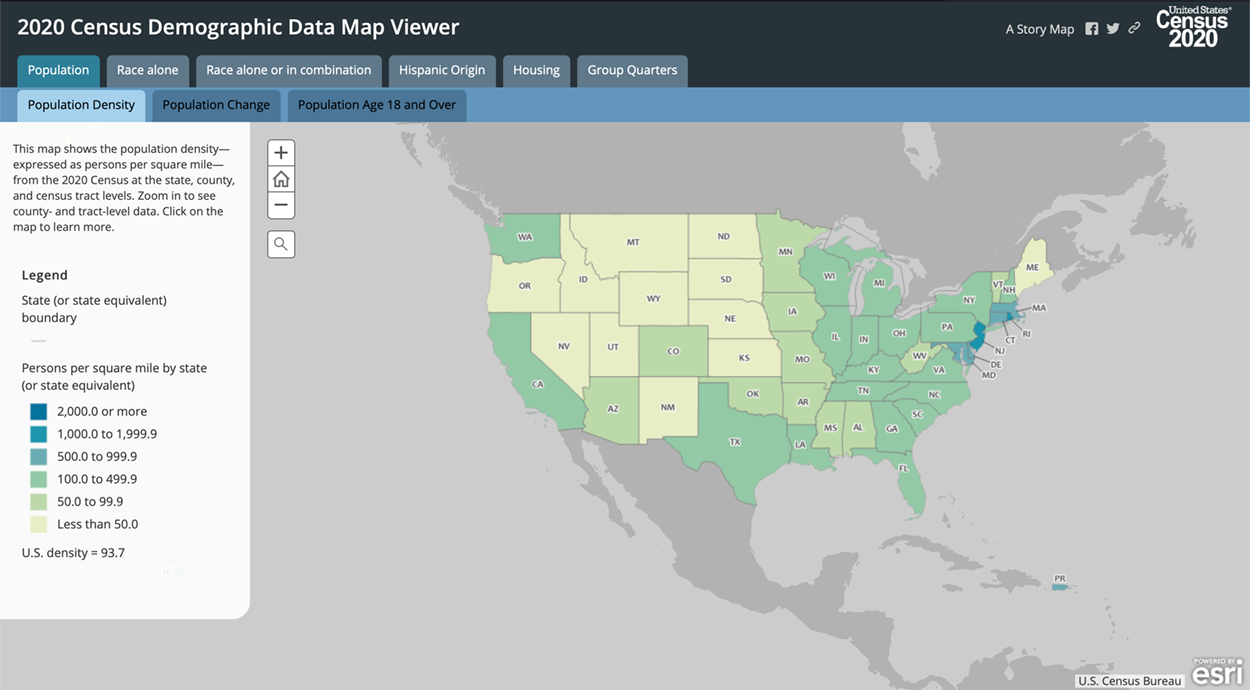
One of these bureaus is the Census Bureau, which collects information about Americans living in each state and territory (Figure 1). Although the government uses the data the Census Bureau collects from the census every ten years to redistribute seats within the House of Representatives among the states, the government and private industries can also make use of census data to support commerce.
Another bureau within the Department of Commerce is the National Oceanic and Atmospheric Administration (NOAA). You may have heard of NOAA because it forecasts weather and shares research that can be used to track hurricanes. Private industry, schools, governments, and just about everyone relies on accurate information about storms and weather.
Occasionally, a department will be eliminated when government officials decide its tasks no longer need direct presidential and congressional oversight, such as happened to the Post Office Department in 1970.
Like cabinet departments, independent executive agencies report directly to the president with heads appointed by the president. Unlike the larger cabinet departments, however, independent agencies are more narrowly focused and assigned more focused tasks (Table 2).
Table 2 Examples of Independent Executive Agencies
| Agency | Year Created | Purpose |
|---|---|---|
| Central Intelligence Agency | 1947 | Agency tasked with gathering intelligence on foreign countries and global issues. The agency shares this information with the president, the National Security Council, and other policymakers. |
| Small Business Administration | 1953 | Agency tasked with helping small businesses and entrepreneurs. The agency provides technical assistance, counseling, and capital to small businesses. |
| Social Security Administration | 1935 | Agency tasked with administering the federal government’s social insurance program for retirees, individuals with a disability, and other qualified beneficiaries. |
| Environmental Protection Agency | 1970 | Agency responsible for advancing environmental protections. The agency enforces federal policies, engages in environmental surveillance, and provides environmental and technical assistance to the states, among other things. |
These agencies are considered independent because they are not subject to the regulatory authority of any specific executive department. Rather, they operate on their own authority, and they regulate important areas of the government or economy.
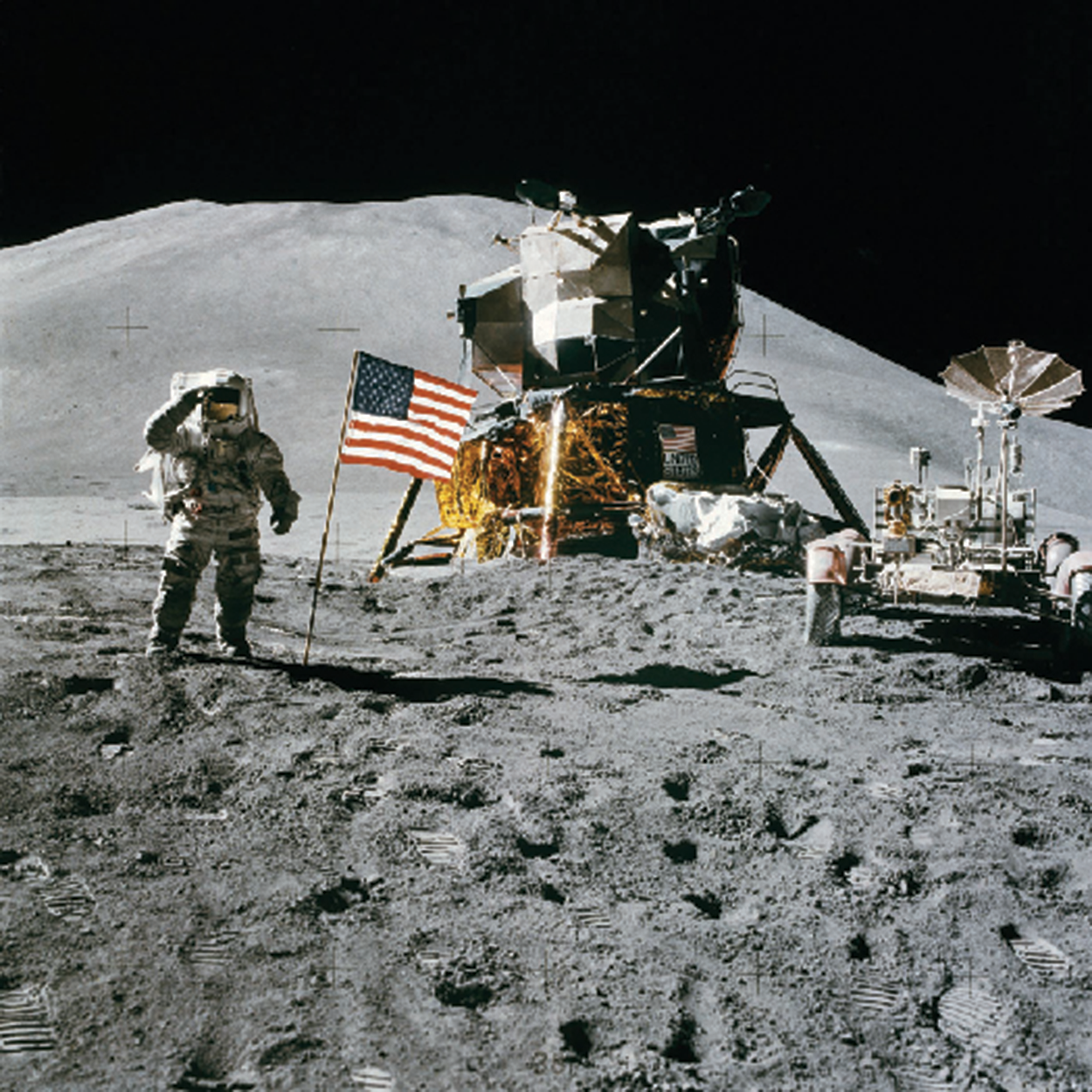
Some prominent independent agencies are the Central Intelligence Agency (CIA), which collects and manages intelligence vital to national interests, and the National Aeronautics and Space Administration (NASA), charged with developing technological innovation for the purposes of space exploration (Figure 2).
Another independent agency is the Small Business Administration (SBA), a federal agency devoted to providing support to small business owners and promoting entrepreneurship.
An important subset of the independent agency category is the regulatory agency. Regulatory agencies emerged in the late nineteenth century to control the effects of industrialization and protect the interests of the American citizenry.
EXAMPLE
You may be familiar with the Food and Drug Administration (FDA). When you go to the supermarket, you might notice that most of the eggs you buy are grade AA or A, but not B. The FDA sets these standards to ensure that you don’t wind up buying bad eggs and, in general, get good quality, safe products. The FDA is also responsible for the approval of prescription drugs and vaccines. During the COVID-19 pandemic, there was greater visibility of the agency, as Americans waited for FDA approval of vaccines and COVID-19 treatments. Americans learned about the different types of approvals the FDA may grant, especially during a public health emergency. During the pandemic, emergency use approval (EUA) was granted to vaccine makers to help fight the spread of COVID, by reducing the severe illness and deaths stemming from infection.The first regulatory agency was the Interstate Commerce Commission (ICC), charged with regulating the most identifiable and prominent symbol of nineteenth-century industrialism—the railroad.
Other regulatory agencies, such as the Commodity Futures Trading Commission, which regulates U.S. financial markets, and the Federal Communications Commission, which regulates internet service providers, radio, and television, have largely been created in the image of the ICC. These independent regulatory agencies cannot be influenced as readily by partisan politics and therefore develop a good deal of power and authority.
These agencies can wield tremendous power. For example, the Securities and Exchange Commission (SEC) was created in the aftermath of the stock market crash of 1929 in order to prevent market manipulation. The SEC’s mission has expanded significantly in the digital era beyond mere regulation of stock floor trading. For example, in 2022, the SEC announced the expansion of its Crypto and Cyber Unit. The unit aims to protect investors in the crypto markets, the marketplace of digital assets.
Another independent regulatory agency is the Environmental Protection Agency (EPA), which enforces laws aimed at protecting environmental sustainability. The EPA monitors compliance with federal standards and provides technical assistance to states. The agency is also able to pass federal environmental regulations, and it may fine or sanction those in violation of environmental policy.
Another regulatory agency is the Occupational Safety and Health Administration (OSHA). OSHA is responsible for ensuring safe and healthy work environments for Americans and for maintaining protections for workers who wish to report unsafe conditions in the workplace.
Agencies formed by the federal government to administer a quasi-business enterprise are called government corporations. They exist because the services they provide are partly subject to market forces and are supposed to generate enough profit to be self-sustaining, but they also fulfill a vital service the government has an interest in maintaining (Table 3).
Table 3 Examples of federal government corporations
| Government Corporation | Year Created | Description |
|---|---|---|
| Federal Deposit Insurance Corporation | 1933 | A government corporation tasked with maintaining stability and confidence in the financial system. The FDIC supports its goal by insuring bank deposits and examining and supervising financial institutions, among other functions. |
| U.S. Postal Service | 1971 (as an independent agency); however its predecessor, the U.S. Post Office Department, was formed in 1792. | Tasked with providing postal service to the nation. |
| Tennessee Valley Authority | 1933 | A corporation that provides electricity for over 150 power companies in Tennessee and in parts of six other states. The TVA also provides flood control and land management services and assists with local economic development efforts. |
| National Railroad Passenger Corporation (AMTRAK) | 1971 | A corporation tasked with providing rail service to the nation. |
Unlike a private corporation, a government corporation does not have stockholders. Instead, it has a board of directors and managers. This distinction is important because whereas a private corporation’s profits are distributed as dividends, a government corporation’s profits are dedicated to perpetuating the enterprise. Unlike private businesses, which pay taxes to the federal government on their profits, government corporations are exempt from taxes.
The most widely used government corporation is the U.S. Postal Service. Once a cabinet department, it was transformed into a government corporation in the early 1970s.
Another widely used government corporation is the National Railroad Passenger Corporation, which uses the trade name Amtrak (Figure 3). Amtrak was the government’s response to the decline in passenger rail travel in the 1950s and 1960s as the automobile came to dominate travel in America. Recognizing the need to maintain a passenger rail service despite dwindling profits, the government consolidated the remaining lines and created Amtrak.

The insolvency of Amtrak and the U.S. Postal Service has been at the center of debates among policymakers about the existence of government corporations and whether the services provided should be privatized. Advocates of privatization often argue that it is more efficient and saves taxpayer dollars.
Source: THIS TUTORIAL HAS BEEN ADAPTED FROM OPENSTAX “AMERICAN GOVERNMENT 3E”. ACCESS FOR FREE AT OPENSTAX.ORG/DETAILS/BOOKS/AMERICAN-GOVERNMENT-3E. LICENSE: CREATIVE COMMONS ATTRIBUTION 4.0 INTERNATIONAL.
References
USAGOV. Branches of the U.S. Government. U.S. General Service Administration. www.usa.gov/branches-of-government.



