Table of Contents |
As you’ve learned, AI (artificial intelligence) is already used in operations, forecasting demand, optimizing delivery routes, streamlining processes, and any other operations task that can be performed by analyzing data and following programmed algorithms or sets of instructions, and doing so much faster than humans can do the same task. Importantly, these uses of AI are not generative; that is, they are not creating “new” content like ChatGTP. Indeed, the users might not even think of these tasks as AI. It is just an aspect of modern industry.
While technology has been used for decades to measure various levels of performance, what makes it “AI” is the ability to make decisions, or at least make recommendations, such as providing up-to-date driving routes based on traffic and road construction or recommending orders based on current inventory and projected production schedules. Another key difference is machine learning, the ability for AI to “learn” as it collects more data and improve its own algorithms.
EXAMPLE
An early use of AI algorithms was making recommendations to online customers of books, movies, and music by companies like Amazon, Netflix, and Spotify. The original algorithms simply suggested similar genres and artists to the ones a person had already ordered. Over time, algorithms began to adapt to the rich data available from customers, such as creating customer profiles and making recommendations that weren’t obviously connected to previous purchases. For example, it might guess that a user with a love for Dungeons & Dragons games and books would like the music of Weird Al Yankovic, seeing that they had a largely intersecting fan base. The algorithms can further correct themselves as such suggestions are successful or unsuccessful, until it provides a consistent profile for each user and an eerie ability to predict what a person might like.In 2023 and 2024, AI became a hot topic, with many predicting an immediate revolution in the way the world worked, and others sounding alarms that AI would put entire professional classes out of work.
Both scenarios are likely to be exaggerated. However, it is likely that organizations will continue to experiment with AI and find the best uses for it. Think of AI as a tool that will allow human employees to focus on higher-level tasks or make better decisions. For example, a product design team might use AI to run simulations that forecast demand of a product based on smaller samples, or a restaurant owner can use AI to schedule staff based on their availability, a task that used to take up much of a manager’s time. But it is less likely that AI will be able to come up with new product ideas or recipes.
Another rapid technological development is automation, with robots performing tasks like assembling screws and bolts, filling and mailing packages, or even taking orders and delivering meals at restaurants. Automation tools often work in tandem with AI, such as these robotic waiters taking orders from customers needing to replicate human interactions. But once the novelty wears off, human diners seem to prefer human waiters.
EXAMPLE
A trial by the Chili’s chain found people and human workers were frustrated with “Rita,” an automated waiter.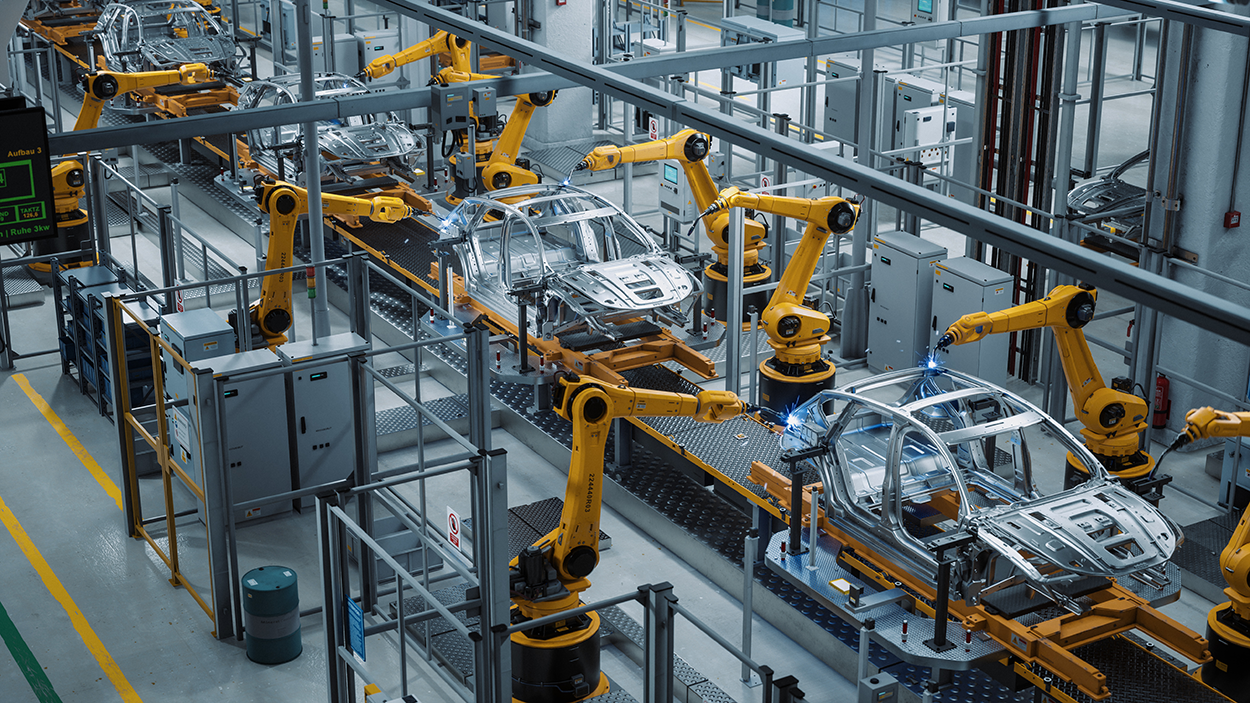
In short, it is less likely that AI or robots will soon perform the tasks that humans want humans to do, such as caring for children, teaching, writing novels, and cooking meals. However, anyone with the tech savvy to know how to work with AI will have an advantage in operations management over those who don’t.
The COVID-19 pandemic forced a seismic shift in the global workforce, as businesses rapidly transitioned to remote work models. While many initially saw this as a temporary measure, the enduring benefits and challenges of remote work have become evident in the years since.
Remote work has offered several advantages for both employees and employers. For employees, it has provided increased flexibility, reduced commute times, and improved work-life balance. Employers have realized cost savings from reduced office space, increased productivity, and access to a wider talent pool. Additionally, remote work has often led to greater employee satisfaction and retention.
However, the transition to remote work has also presented challenges. Issues such as isolation, lack of social interaction, and difficulties in maintaining a clear work-life boundary have arisen. Moreover, the blurring of lines between personal and professional spaces can lead to burnout and decreased productivity.
As the world continues to adapt to the post-pandemic landscape, remote work is likely to remain a significant component of the future of work. Striking a balance between the benefits and challenges will require careful consideration of factors such as company culture, employee preferences, and technological capabilities. Ultimately, the success of remote work will depend on the ability of organizations to create supportive environments that foster both productivity and employee well-being.
There are many areas of operations where remote work is not yet possible. For example, it would be impossible to provide a haircut or install a new air conditioner remotely. However, some operations jobs, such as customer service, banking, and even healthcare, offer remote opportunities. These jobs, such as process optimization, managing a team, managing the supply chain, and reviewing operational data, can all be done remotely.
In today's increasingly interconnected and diverse world, cultural competence has become an indispensable asset for organizations. Cultural competence refers to the ability to interact effectively with people from different cultural backgrounds, understanding and appreciating their beliefs, values, and behaviors. Cultural competence fosters a more inclusive and productive work environment, leading to improved employee morale, enhanced customer satisfaction, and greater organizational success.
Organizations that prioritize cultural competence create a welcoming atmosphere where employees feel valued and respected. This, in turn, boosts employee engagement and productivity. By understanding and appreciating diverse perspectives, employees can collaborate more effectively, solve problems creatively, and develop innovative solutions. Moreover, cultural competence is essential for building strong relationships with customers from diverse backgrounds. By demonstrating cultural sensitivity, organizations can better meet the needs and expectations of their customers, leading to increased customer satisfaction and loyalty.
Whether remote or in a specific location, an operations manager must be able to understand other cultures and work with people from a wide range of backgrounds and perspectives since the supply chain will likely involve interactions with people from all over the world. Cultural competence means to understand and respect cultural differences. This might include elements like communication style, business practices, and negotiation tactics.
IN CONTEXT
Carlos, an American operations manager, has been sent to Shenzhen, China, to discuss a major deal with a potential supplier. Prior to his visit, he read about Chinese business culture and learned the concept of “Guanxi,” or how relationships are developed around mutual trust and respect (Anuna, 2017). With his cultural competence, Carlos takes the manager's business card with two hands, a sign of respect in Chinese culture. He honors the hierarchy based on seniority and follows the lead of the Chinese manager. He is on time for meetings and accepts when invited to dinner with his potential supplier, to help build the business relationship. By gaining cultural competence, Carlos made a good impression and negotiated a successful deal for his company.
The culturally competent operations manager will be able to be more effective at their job and understand the idiosyncrasies that occur among cultures. As the world continues to expand, this skill will be increasingly more important.
It is also highly likely organizations will focus even more on sustainability and CSR efforts in the future as the impacts of climate change are felt.
Sustainability offers numerous advantages for modern workplaces. Firstly, as we discussed in the tutorials on plans like Lean and Six Sigma, sustainability goals and efficiency goals usually align by optimizing energy consumption, reducing waste, and improving resource efficiency. Secondly, sustainable practices contribute to a healthier and more attractive work environment, boosting employee morale and productivity. Thirdly, embracing sustainability enhances a company's reputation and strengthens its brand image, attracting top talent, fostering customer loyalty, and pleasing investors. Sustainability is not just a corporate responsibility strategy but a strategic imperative for businesses seeking to thrive in the modern world.
Similarly, considering human rights, like reasonable working hours and pay, taking care of the environment, and treating all ethically, is critically important for companies and can help them recruit new generations of people who wish to work for socially responsible companies. “People, planet, and profits” is the triple bottom line for sustainable business practices.
Organizations will also demand sustainable practices from their suppliers, distributors, and other partners because this is what the customer demands.
EXAMPLE
The company SCG International purchases recycled metal, paper, plastic, and many other materials and repurposes them to make sustainable products to sell to various industries. Their practices give them an advantage to businesses with sustainability goals.Recall that mass customization is a production and marketing strategy that allows companies to customize products for customers, at a similar cost as mass production. Mass customization has become easier through technology and has benefits to the manufacturer. For example, allowing some customization to meet specific needs and demands of customers without a hefty price tag can lead to increased satisfaction and repeat purchases.
EXAMPLE
Fitbit allows customers to choose a fitness tracker and customize it by the display type and band material.EXAMPLE
Zenni, an eyeglass manufacturer, allows customers to virtually “try on” glasses and mass-produces frames and lenses, which are then customized to individual prescriptions.EXAMPLE
Tiffany & Co, the famous jewelry designer, allows customers to purchase products online and customize the item with customer engraved messages.Mass customization is also integral to marketplace businesses that let users open their own storefronts.
EXAMPLE
Print-on-demand sites like Redbubble and TeePublic allow users not only to design their own T-shirts but to sell their designs to others.The ability to customize products suggests a change in operations, where “one-size-fits-all” products will no longer be acceptable.
These are just a few of the trends in operations that will shape the near future, many leveraging new technology to enhance processes, give workers more flexibility, and allow for more personalization of products. The second theme of the 21st century is the responsible company, supporting a diverse workforce, respecting life-work balance, and promoting sustainability.
Source: THIS TUTORIAL WAS AUTHORED BY SOPHIA LEARNING. PLEASE SEE OUR TERMS OF USE.
REFERENCES
Anuna, J. (2017, August 3). Doing Business in China vs. in the West [blog]. LinkedIn. www.linkedin.com/pulse/doing-business-china-vs-west-jessica-anuna-%E6%9D%B0%E8%A5%BF%E5%8D%A1/



