Table of Contents |
The Florentine Codex was written over the course of Fray Bernardino de Sahagún’s lifetime, primarily from 1545 to 1590. This lesson’s geographic focus is Mexico.
The idea of a codex, or codices, which is the plural form, wasn’t new to this region, as the Mesoamerican people had well-established codex-making traditions at the time of the Spanish conquest. In their desire to conquer and convert the native people of this region, the Spanish destroyed many of these works.
Franciscan monk Bernardino de Sahagún felt that if knowledge of the Indigenous people’s customs and traditions could be preserved, it would make it easier to convert them to Catholicism. This belief led to the first ethnographic efforts in the New World and the creation of the Florentine Codex.
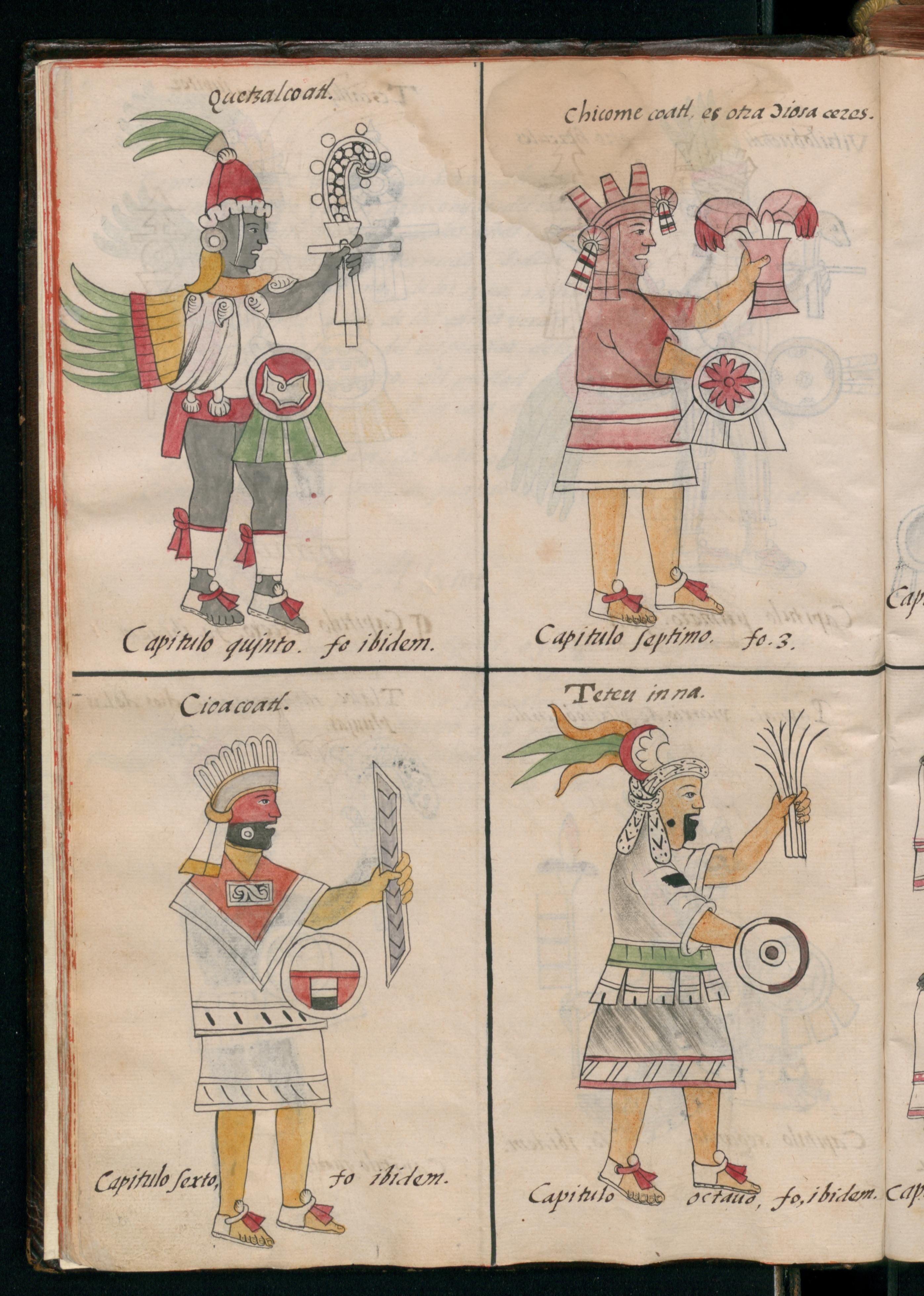
The Florentine Codex (also known as A General History of the Things of New Spain)
Biblioteca Medicea Laurenziana, Florence
1545–1590
Ink on paper
The Florentine Codex, also known as Historia General de las Cosas de la Nueva España, is one of the most important examples of early ethnography. It provides an invaluable record of pre-Columbian Aztec civilization, including their social structure, religion, rituals, daily life, and more. The term “pre-Columbian” refers to the people and cultures of the Americas before the arrival of Columbus in 1492.
The Florentine Codex (also known as A General History of the Things of New Spain)
Biblioteca Medicea Laurenziana, Florence
1545–1590
Ink on paper
Other volumes addressed Indigenous medicine and healing techniques, and their customs and festivals, such as this page referencing the Aztec calendar:
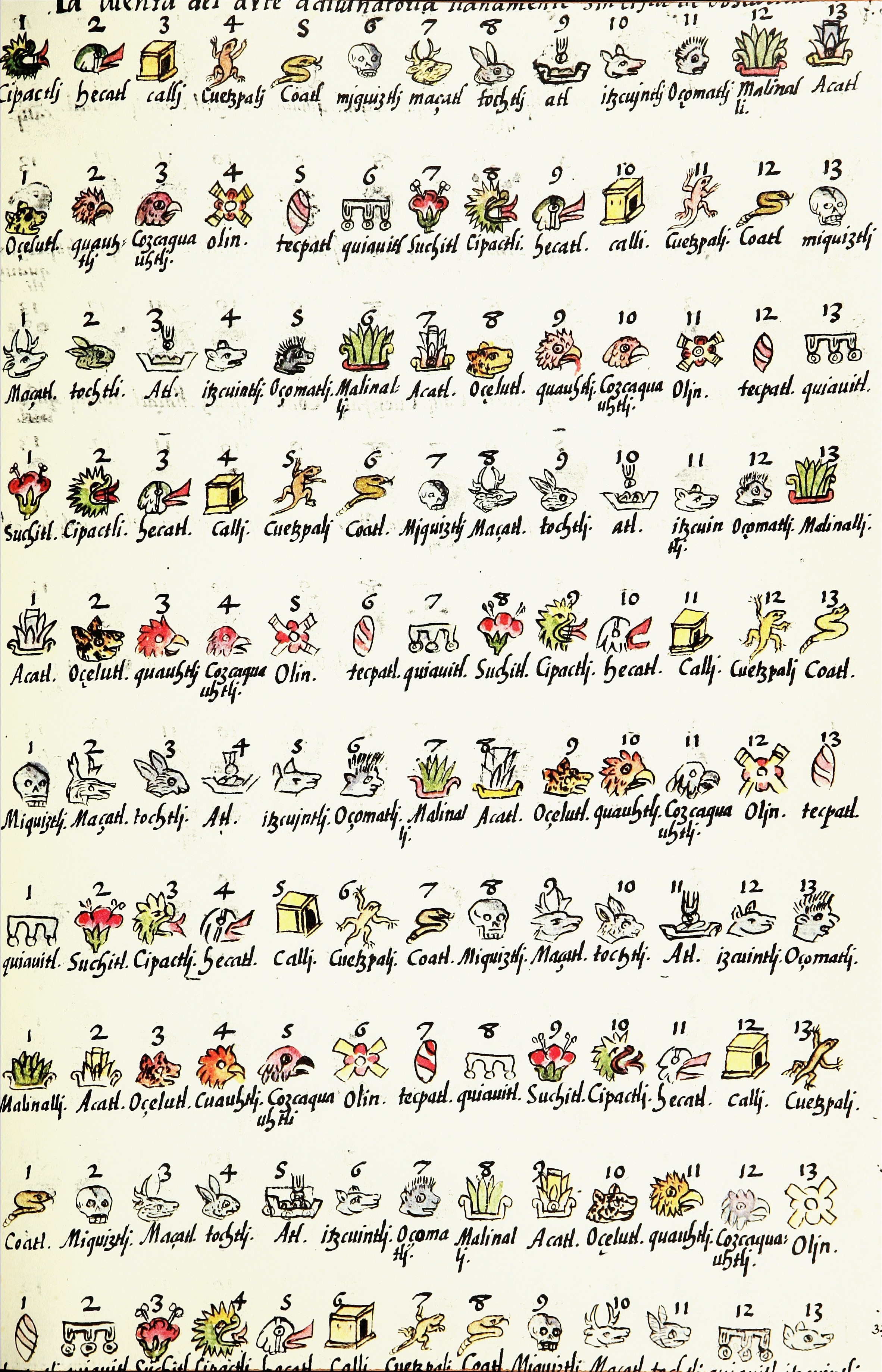
The Florentine Codex (also known as A General History of the Things of New Spain)
Biblioteca Medicea Laurenziana, Florence
1545–1590
Ink on paper
The Florentine Codex remains a crucial resource for understanding the Aztec culture, preserving knowledge that might have otherwise been lost following the Spanish conquest. The codex is written in both Nahuatl, the language of the Aztecs, and Spanish, making it a significant bilingual document that aids in the study of the Nahuatl language and its preservation. Sahagún’s systematic approach to gathering and documenting information set a precedent for future ethnographic work. His use of diverse sources and detailed recording methods exemplifies rigorous academic research.
Source: THIS TUTORIAL WAS AUTHORED BY IAN MCCONNELL AND TAMORA KOWALSKI FOR SOPHIA LEARNING. PLEASE SEE OUR TERMS OF USE.




