Table of Contents |
Effective communication is the cornerstone of conflict resolution. In any relationship—personal or professional—conflict is inevitable, but how we communicate during these moments can make the difference between resolution and escalation. Communication is more than just exchanging words; it is a complex process involving symbols, codes, messages, and feedback. Misunderstandings can arise when these elements are not used effectively, which can intensify conflicts and damage relationships.
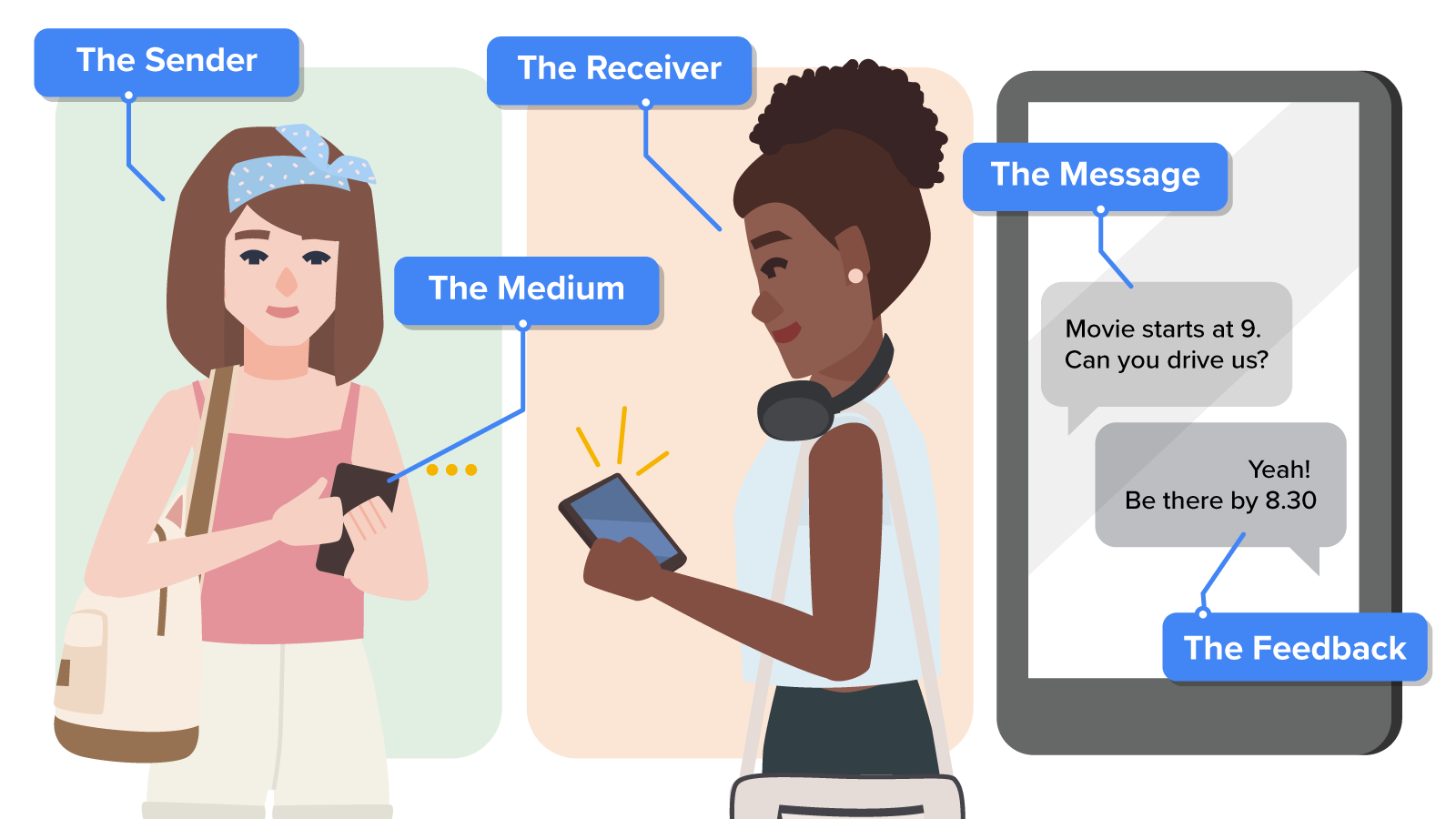
Communication is the process by which information is transferred from one person to another using symbols and codes. Whether you’re talking to a family member, collaborating with a colleague, or exchanging emails, the basic elements of communication are always in play.
These elements include the following:
Communication can be defined as moving information from one person to another using symbolic codes. These codes are sets of symbols with consistent meanings, such as letters that form words or images that convey ideas.
EXAMPLE
Traffic lights use colors (symbols) to communicate actions (stop, go, or yield). In verbal communication, words are symbols that represent thoughts or concepts.A message is a “packet” of information encoded by the sender and transmitted to the receiver. Effective communication occurs when the receiver decodes the message accurately, but as we’ll see, various factors can complicate this process.
When we communicate, we are constantly encoding and decoding messages using symbolic codes. Think of a symbol as a representation of a concept, typically in a tangible form.
EXAMPLE
A letter in the alphabet is a symbol for a sound, and when combined with other letters, it forms a word that conveys a more complex concept. A simple wave of the hand is a symbol that might mean “hello” or “goodbye,” depending on the context.For instance, think of how different symbols work together to convey meaning in your everyday life. Imagine you’re driving. You see a red light and stop. The color red is a symbol that, in this context, means “stop.” This is an example of how symbols are used as part of a code to transmit a message. In this case, the message is “Stop driving; there is danger ahead.”
In communication, codes are sets of symbols that convey information consistently. When we speak or write, we use linguistic codes (like English or another language) to encode the information we want to send. When we read or listen, we decode these symbols to interpret the message.
As human beings, we live in an age of information overload, constantly bombarded with messages from various sources: emails, tweets, blogs, in-person conversations, and phone calls. Each of these represents a “packet” of information, and effective communication ensures that the message is received and understood correctly.
In any communication, there is a sender and a receiver. The sender is the person who initiates the communication by encoding a message. The receiver is the person who receives the message and decodes it. Effective communication depends on the message being encoded and decoded in a way that the receiver accurately understands the sender’s intent.
EXAMPLE
Imagine two people, Jack and Tony, trying to communicate. Jack wants to tell Tony something important. As the sender, Jack must decide how to encode his message—whether he will send it via email, say it out loud, or write it down. He may choose to use spoken words or perhaps even gestures. Tony, as the receiver, will then decode the message. The success of the communication depends on Tony accurately interpreting what Jack is trying to convey.Communication may seem simple, like throwing a ball back and forth, but it’s more like throwing a ball made of Jell-O. The message, like the Jell-O, can break apart during transmission due to various obstacles, causing parts of the message to get lost along the way. The receiver may not catch all of the “Jell-O,” and this is where misunderstandings can happen.
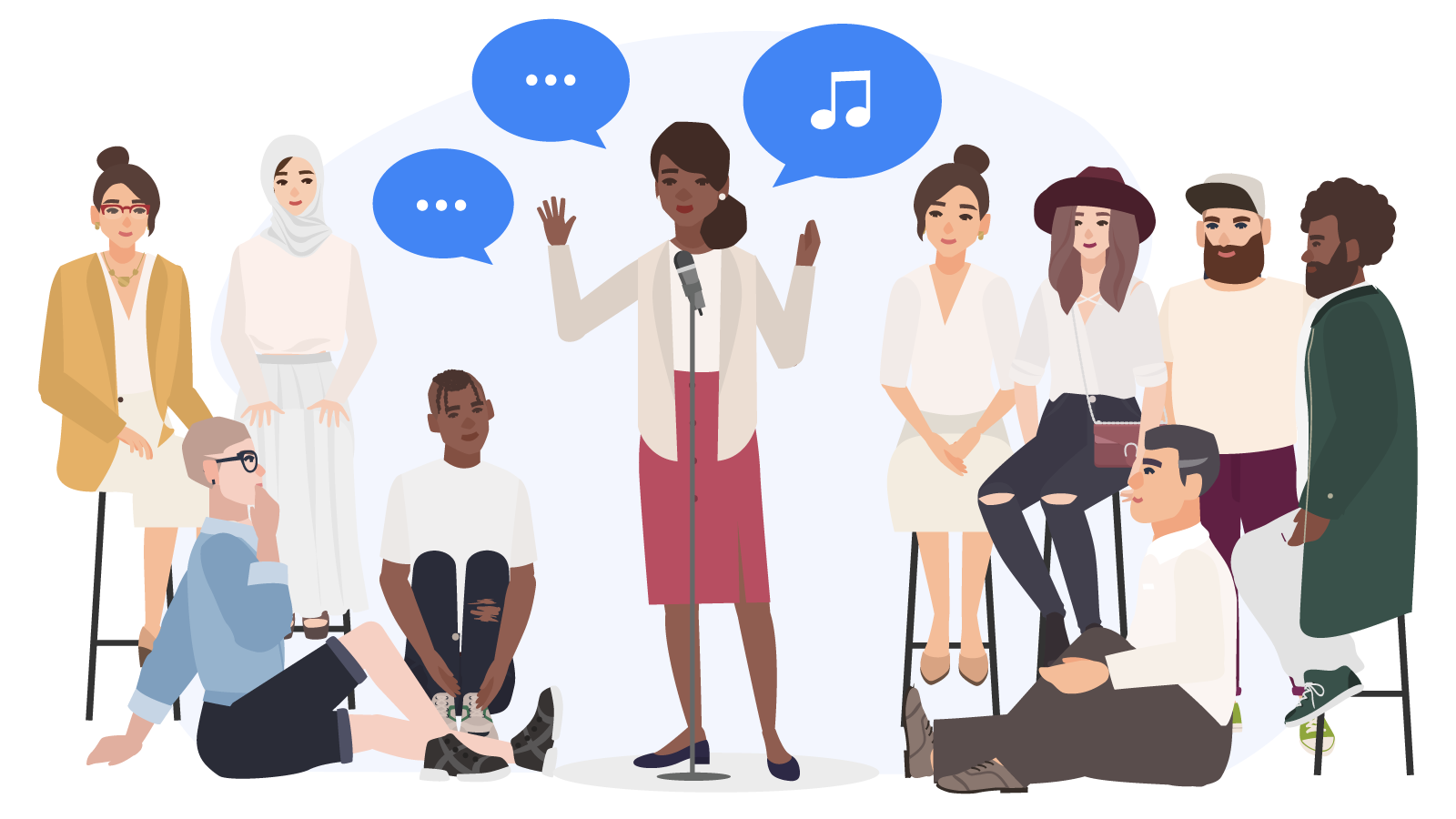
Storytelling is one of the oldest and most powerful forms of communication, used by humans for millennia to convey experiences, share knowledge, and build connections. In the context of conflict resolution, storytelling allows individuals to express their perspectives, emotions, and needs in a way that fosters empathy and understanding. By sharing personal stories, conflicting parties can gain insight into each other’s experiences and motivations, often leading to a deeper connection and more meaningful solutions. Through storytelling, conflicts are transformed from mere disagreements into opportunities for growth, healing, and collaboration.
Humans have used storytelling for centuries to convey complex ideas, build relationships, and resolve conflicts. A story is a form of verbal communication that depicts real or imagined events, and narrative is another term for “story.” Stories can simplify difficult or abstract concepts and help others understand different perspectives.
When you tell a story, you use both verbal and nonverbal communication, such as body language, facial expressions, and tone of voice, to bring the story to life. Storytelling evokes empathy and imagination, helping the listener step into your shoes and understand your perspective more deeply.
EXAMPLE
Imagine you’re mediating a conflict between two employees. One employee, Linda, feels frustrated because she thinks her coworker, Mark, is dismissing her contributions to the team. Linda explains her perspective in a factual way, but it doesn’t resonate with Mark. However, when she tells a story about a time she worked hard on a project, only to feel ignored, Mark begins to understand how his behavior may have hurt her. This shift in understanding opens the door to resolution.In conflict resolution, storytelling can be a powerful tool because it allows both parties to share their perspectives and correct any assumptions or misunderstandings. When we don’t know someone’s story, we tend to make up our own based on perceptions, assumptions, or preconceived notions. Often, these invented stories are inaccurate and can lead to conflict.
In restorative justice practices, storytelling plays a key role.
EXAMPLE
Imagine a teenager vandalizes a nursing home, and the residents are frightened by the incident. In a restorative justice process, the teenager would sit down with the residents and hear their stories. The residents might share how the vandalism brought back memories of trauma from earlier in their lives, helping the teenager understand the emotional impact of his actions. At the same time, the teenager could share his own story of frustration and anger, allowing the residents to see the human behind the actions.This exchange of stories helps both parties move toward healing and resolution.
In a mediation context, stories can help opposing parties understand each other’s underlying needs and motivations. Hearing the other party’s story allows each person to replace the false narrative they’ve constructed with the true one, which can lead to more meaningful resolutions.
By using stories, parties in conflict can better empathize with one another, ultimately leading to a deeper understanding of each other’s perspectives and a more collaborative approach to conflict resolution.
Consider how incorporating storytelling might have opened the door to a more meaningful resolution. How might you use storytelling in future conflicts to foster understanding and collaboration? }}
Source: THIS TUTORIAL WAS AUTHORED BY MARLENE JOHNSON (2019) and STEPHANIE MENEFEE and TRACI CULL (2024). PLEASE SEE OUR TERMS OF USE.



