Table of Contents |
Texture is surface activity that repeats at regular intervals. In visual communication, texture is accomplished by using shapes, lines, or dots. Texture is one of the seven elements of design because it communicates familiarity and connects the viewer to learned experiences. Like size and shape, we learn about texture through real-life interactions with physical objects. Touch is one of the five senses, and as infants, we learn by touch and feel. As we grow, we continue to learn through tactile input, connecting the way things feel with how they look. When designs incorporate texture, they stimulate a core memory in the viewer.
Below is an example of texture.
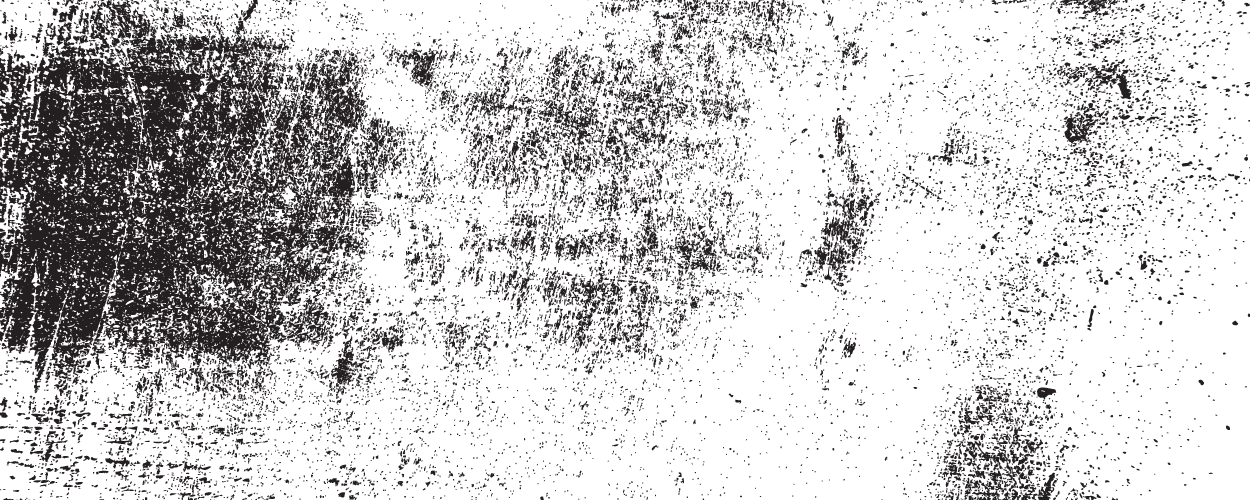
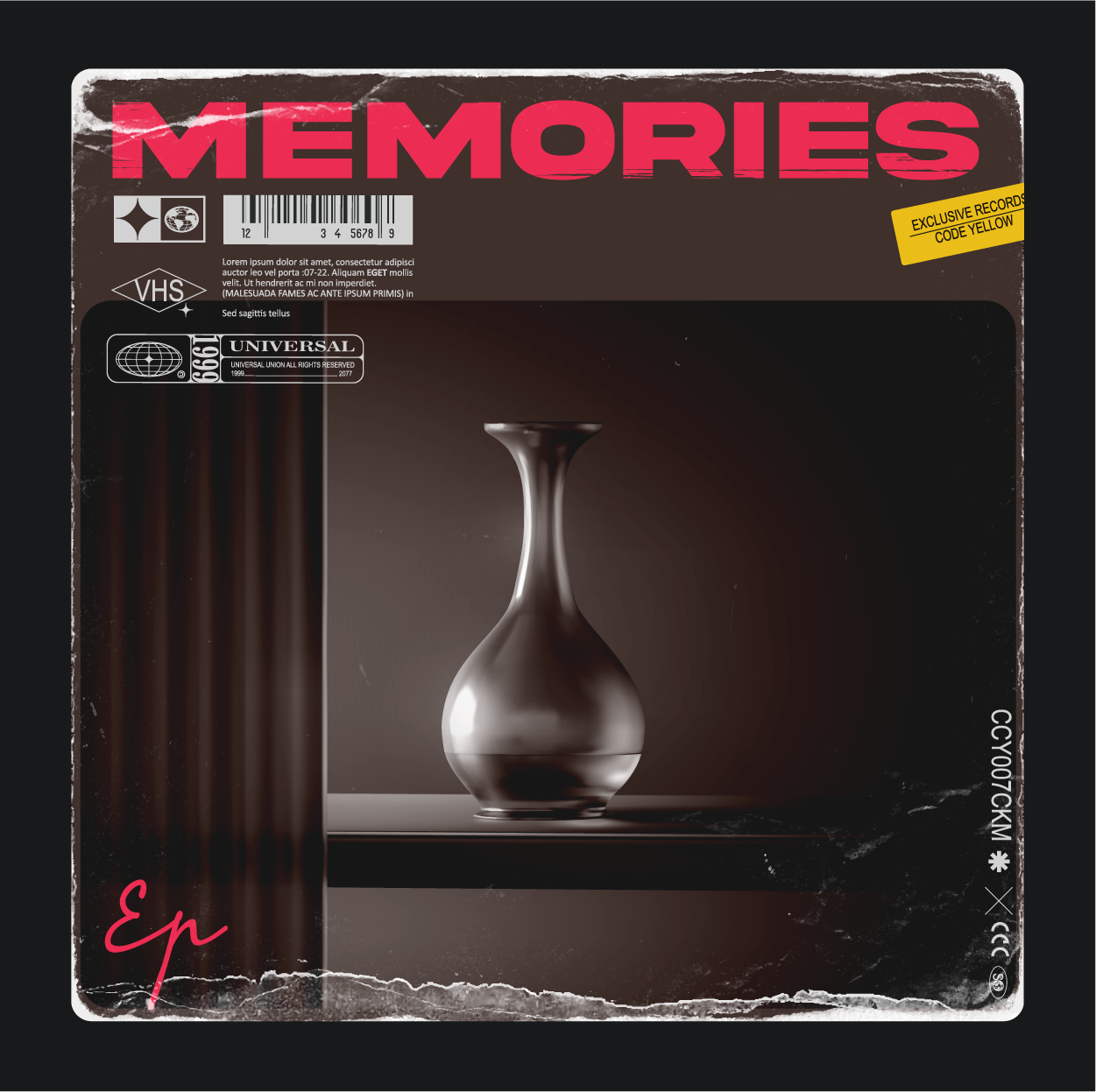
By applying texture to components of a design, the designer adds realism and prompts a sense of familiarity in the viewer, making the viewer feel what they see. In the image below, texture is applied to a design to simulate the appearance of wear, making the design appear like an old album cover that has been pulled and shuffled in a stack of records countless times. Many of us know the feeling of a worn album jacket, and therefore, we connect with the design by recalling a tactile memory.
Remember that texture is on or applied to the surface of an exterior shape or form. It's important not to confuse texture with pattern, as shown below.
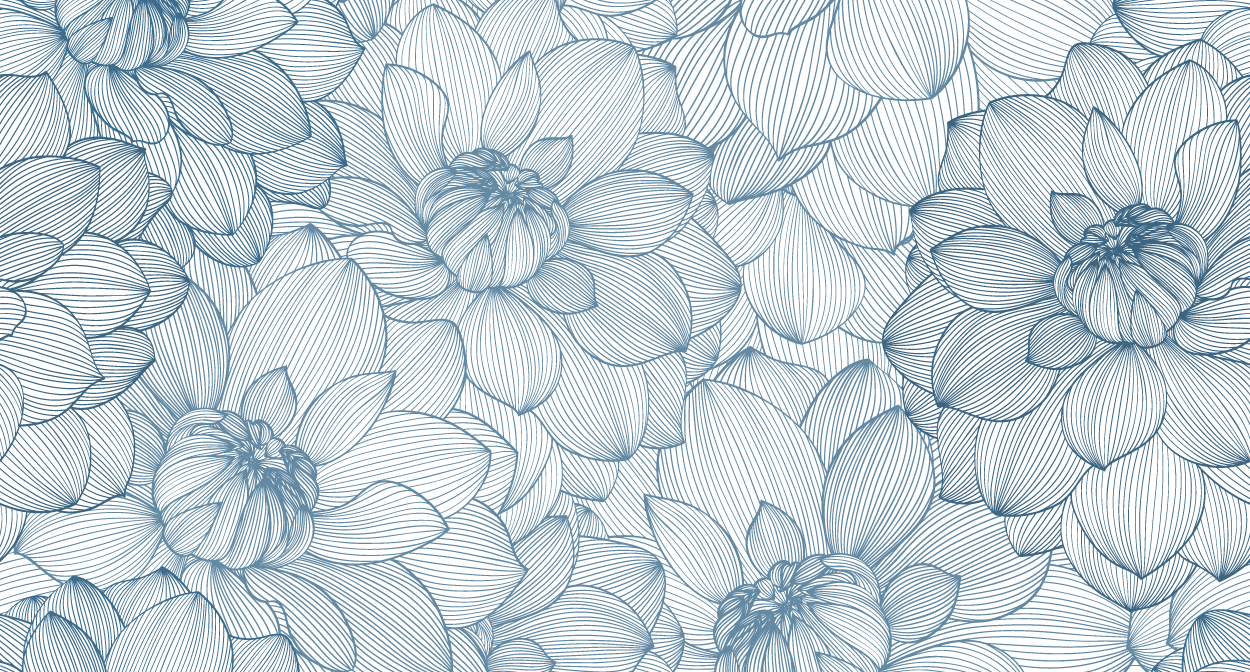
Pattern is the forming of a consistent arrangement of exact or similar elements. Texture can be made up of multiple patterns to express a surface form and can have or appear to have a pattern in a closer proximity.
We see texture and pattern appear in both design and nature. It is important to note that nature appeals to us for many reasons, some of which are directly linked to the elements of design. In the image of the flower below, a pattern is formed through the repetition of the blue flower petals. Additional patterns are visible in the yellow, purple, and orange regions.
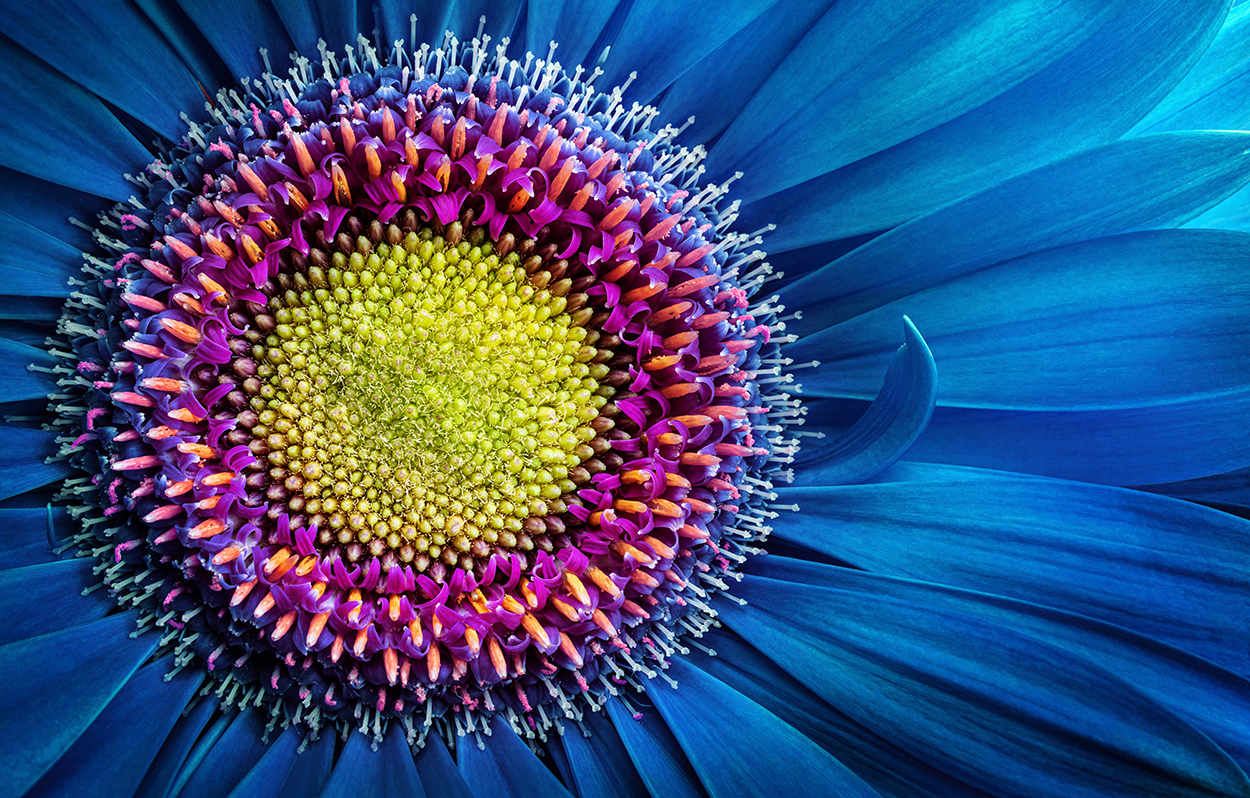
But again, pattern is not texture. At a certain distance, texture becomes something more layered and affected by the environment.
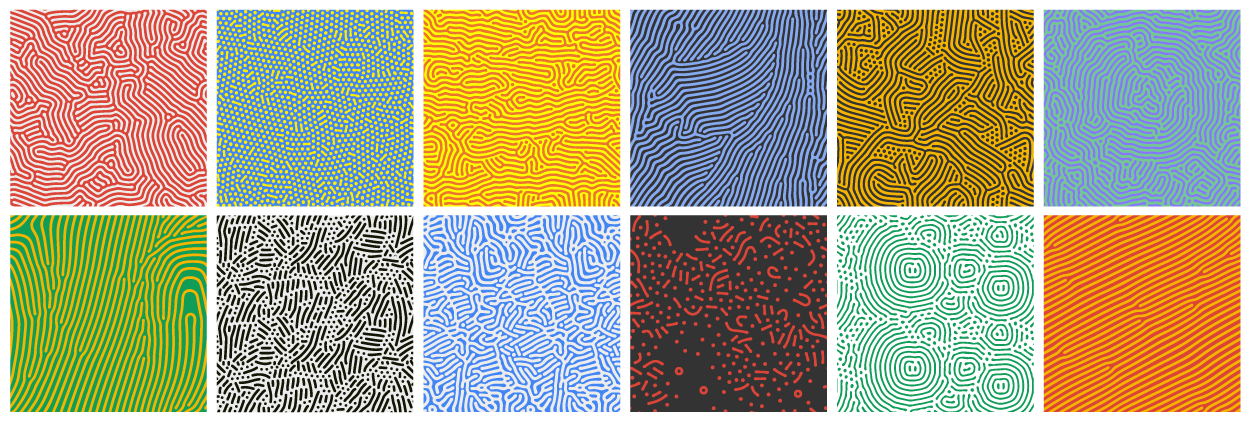
Pattern is important because, within a design, you can use patterns to create texture or use texture to create layers and interesting areas that would then create a pattern in close proximity.
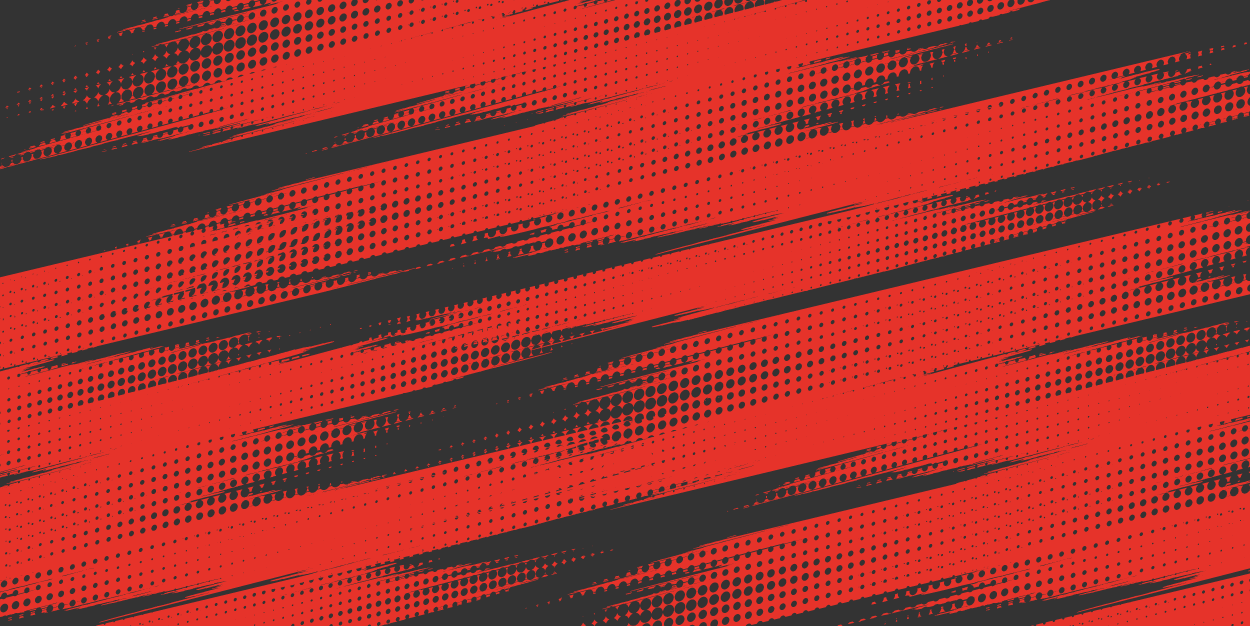
In the image below, repeating patterns of dots and lines are used to simulate texture.
Source: THIS TUTORIAL WAS AUTHORED BY MARIO E. HERNANDEZ FOR SOPHIA LEARNING. PLEASE SEE OUR TERMS OF USE.



