In this tutorial, we will address optimization of distribution in the supply chain and jobs related to this specialized field. In specific, this tutorial will cover:
1. Distribution Optimization
In operations management, distribution optimization refers to the meticulous streamlining of processes involved in delivering finished products to customers. This encompasses everything from packaging and inventory management to transportation logistics, ensuring a smooth journey from production to the point of sale (POS). Recall that the POS can be a direct delivery to the customer or a retail store where the customer makes the final purchase, but it always refers to the final receipt of the product or service. Supply chains have become faster, cheaper, and more reliable through investment in information technology, cost analysis, and process analysis.
-
- Distribution Optimization
- The meticulous streamlining of processes involved in delivering finished products to customers.
1a. Information Technology
Supply chain optimization applies processes and tools that ensure optimal operation of a manufacturing and distribution supply chain. These include:
- Optimal placement of inventory within the supply chain.
- Minimizing operating costs associated with storage, transportation, and distribution.
Optimization now usually uses computer-based modeling to predict and coordinate these efforts with expected demand. Investments in information technology, including the infrastructure and training to use it, applies to the subsequent items on this list. The model offers many advantages, such as:
- The ability to predict needed levels of inventory to balance need and costs.
- Transportation optimization which helps the manager choose the best shipping method and route.
- Selection of suppliers based on analysis of factors such as capabilities, lead time, and costs.
- Design of optimized warehouse layouts to improve speed and efficiency.
- Management of supply chain risks, such as identifying supplier reliability and providing mitigation plans.
- Using IT to optimize distribution, which is now common among most companies and necessary to gain the most value, cost savings, and quality from distribution systems.
-
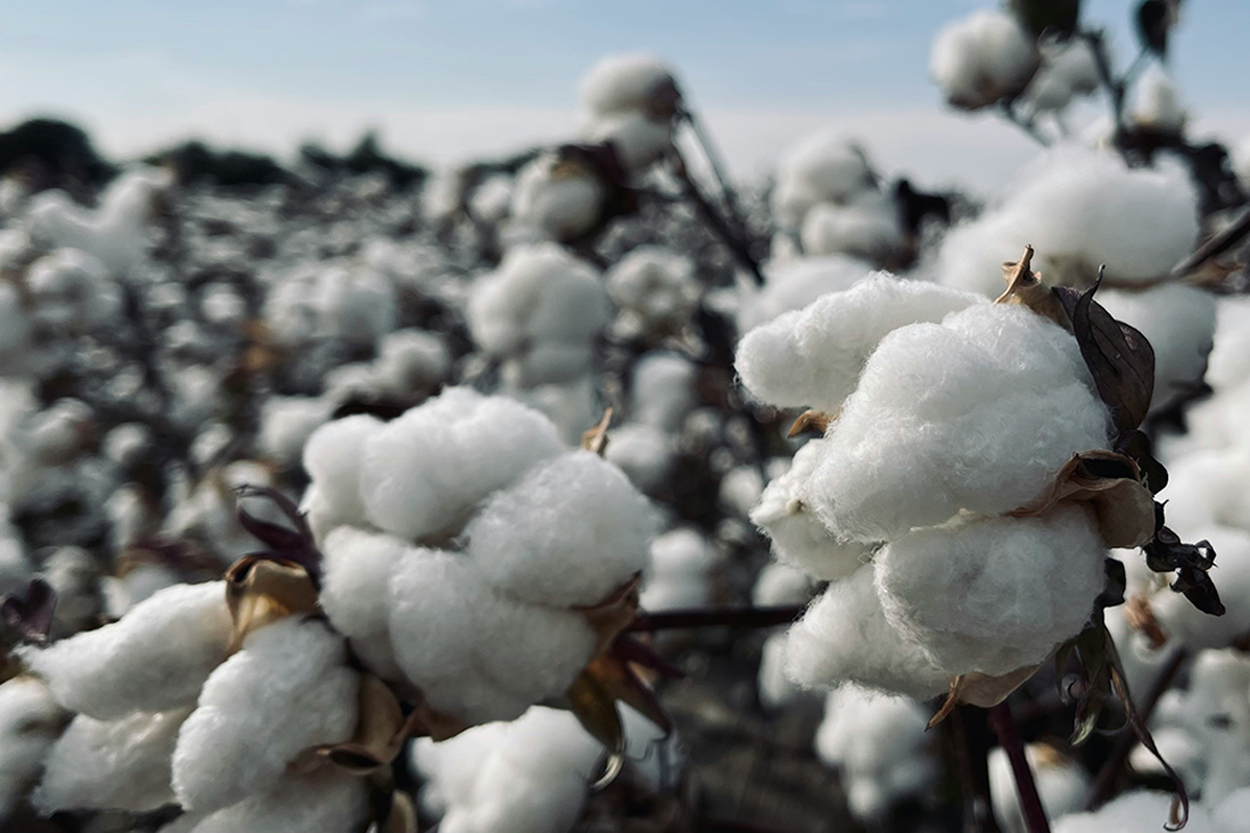
Blockchain technology, which is a complex data system that shares information throughout a network. The technology has many applications across industries, but in the context of operations management, it records transactions from many sources, such as from raw material producers, so a particular product can be tracked throughout the production and distribution process. For example, Target used a supplier to provide Egyptian cotton sheets, but their partnership ended when Target discovered cheap cotton was used, rather than Egyptian cotton. Had they used blockchain technology, the sheet supplier would have known exactly where the cotton for their sheets was coming from, thereby eliminating challenges associated with poor-quality raw materials.
Blockchain technology allows operations manager track raw materials all the way through the supply chain.
-
- Blockchain Technology
- A complex data system that shares information throughout a network. The technology has many applications across industries.
1b. Cost Analysis
Ongoing investment in a company’s operations is necessary for supply chain optimization to be achieved. A thorough cost analysis is fundamental to achieving supply chain optimization. This analysis entails a meticulous examination of all expenditures associated with procurement, production, and distribution. By meticulously scrutinizing costs, such as those related to inventory management and transportation, we can identify areas for improvement. Supply chain managers may employ optimization using IT, such as:
- Maximizing gross margin return on inventory invested (GMROII); this is calculated by dividing the gross margin (i.e., revenue) by inventory costs. The advantage of this calculation is that it addresses the profitability of inventory purchases. In other words, it looks at how much profit is earned per dollar invested in inventory.
- Balancing the cost of inventory at all points in the supply chain with availability to the customer. For example, understanding the amount of inventory needed to meet demand and ensuring inventory isn’t held too long (which costs money) but is available to ship to customers.
- Minimizing total distribution expenses (e.g., warehousing and transportation). For example, expenses can be minimized by using supply chain software that selects the best route or shipper based on cost and speed.
- Maximizing gross profit of products distributed through the supply chain. For example, this is done by negotiating pricing and reducing production and inventory costs, and it can be performed by accurate forecasting and by making adjustments, where needed, of supply and demand.
-
- Gross Margin Return on Inventory Invested (GMROII)
- A calculation of gross margin divided by inventory costs.
1c. Process Analysis
The classic supply chain approach has been to forecast future inventory demand using statistical trending and “best fit” techniques, which are based on historic demand and predicted future events. The advantage of this approach is that it can be applied to data aggregated at a fairly high level (e.g., category of merchandise; weekly, by customer category), thus requiring modest database sizes and small amounts of manipulation. Unpredictability in demand is subsequently managed by setting safety stock levels; for example, a distributor might hold 2 weeks of supply for a steadily in-demand article but twice that supply for an article whose demand is more erratic.
Using this demand forecast, a supply chain manufacturing and distribution plan is created to manufacture and distribute products to meet the demand at low cost and/or high profit. This plan typically addresses several questions:
- How much of each product should be manufactured each day?
- How much of each product should be made at each manufacturing plant?
- Which manufacturing plants should restock which warehouses with which products?
- What transportation modes should be used for warehouse replenishment and customer deliveries?
The technical ability to record and quickly manipulate large databases has allowed for the emergence of a new breed of supply chain optimization solutions, which are capable of forecasting at a granular level (for example, per article per customer per day). Some vendors are applying “best fit” models to this data, to which safety stock rules are applied, while other vendors have started to apply stochastic techniques to the optimization problem. Optimization may include additional refinements at various stages of the product lifecycle, and new, ongoing, and obsolete items are optimized in different ways. Finally, while most software vendors are offering supply chain optimization as a packaged solution and integrated in enterprise software, some vendors are running the software on behalf of clients as application service providers. Either way, the important thing to remember is that while the technology helps with these processes, there are many positions in supply chain management and distribution optimization in which knowing how to use the technology is important, but equally important is the ability to understand how to apply this information to make good decisions.
2. Careers in Distribution Optimization
In recent years, careers in supply chain management and distribution optimization have changed from negotiating contracts and placing orders to extensive data analysis and the ability to use technology to optimize distribution factors, as you’ve learned in this section. This requires new skills and abilities. For example, skills needed include:
- Ability to use data visualization techniques
- Use of statistical techniques, and the ability to analyze statistical results
- Ability to negotiate complex contracts
- Forecasting supply and demand by looking at complex factors
- Strategic decision making
- Ability to find patterns and trends so good decisions can be made
- ...and many more
You may be wondering what job titles or positions relate to distribution optimization. Some of the job titles include:
- Supply Chain Analyst: This position would gather data and analyze it as it relates to the supply chain. They use statistical techniques, data visualization, and modeling software to improve efficiency and reduce costs in the supply chain.
- Supply Chain Manager: This position oversees all aspects of the supply chain, including planning, procurement, logistics, and distribution. They are largely responsible for using technology to monitor inventory levels and optimize all supply chain processes.
- Inventory Planner/Manager: This position will focus solely on inventory optimization and use technology tools to monitor inventory performance and costs and track out-of-stock items.
- Demand Planner/Manager: This position is focused on using technology tools to help forecast demand as it relates to production, inventory, and distribution.
As you can see from this abbreviated list of potential job titles, all positions use a combination of technology and the ability to understand and analyze what the numbers mean, in order to make good optimization decisions. Like many operations careers in the 21st century, this is a good role for someone with tech-savvy and critical-thinking skills.
Distribution optimization refers to the meticulous streamlining of processes involved in delivering finished products to customers. Information technology plays a large role in optimization by using data to aid in cost analysis and process analysis to find the most cost-efficient ways to distribute goods. While technology is important, the ability to apply the technology to make good decisions is equally important. There are several careers in distribution optimization for people with tech-savvy and critical-thinking skills.