Table of Contents |
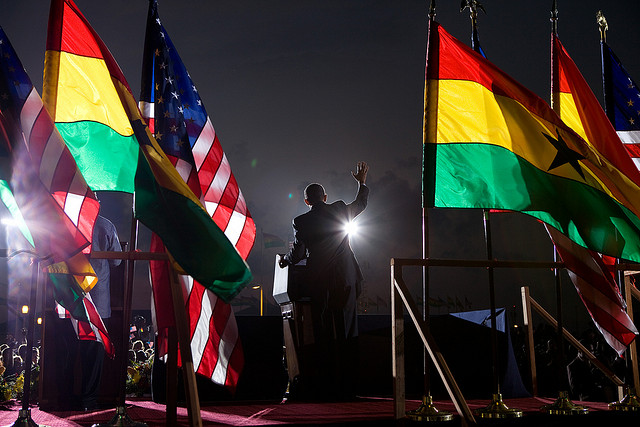
The communication cycle offers a model for communication. In its simplest form, the cycle consists of a sender, a message, and a recipient. Other models include the channel, the vehicle in which your message travels. For the purposes of speech communication, the speaker is you!
The speaker is perhaps the second most crucial factor in the speech communication model, second only to the message (your speech) itself. Let's take a step back and look at a precise definition of the message speaker, also known as the sender.
You're actually encoding your message when you think about how you craft your speech. Your recipient, the audience, will have to decode your message. With their brainpower, experience, and intellect, they need to make sense of the message you're trying to deliver. Understanding the importance of your role as the speaker—or the initiator of communication—in delivering your message is crucial.
When you can communicate your message successfully—that is, when the audience can decode your message—you have become a successful communicator.
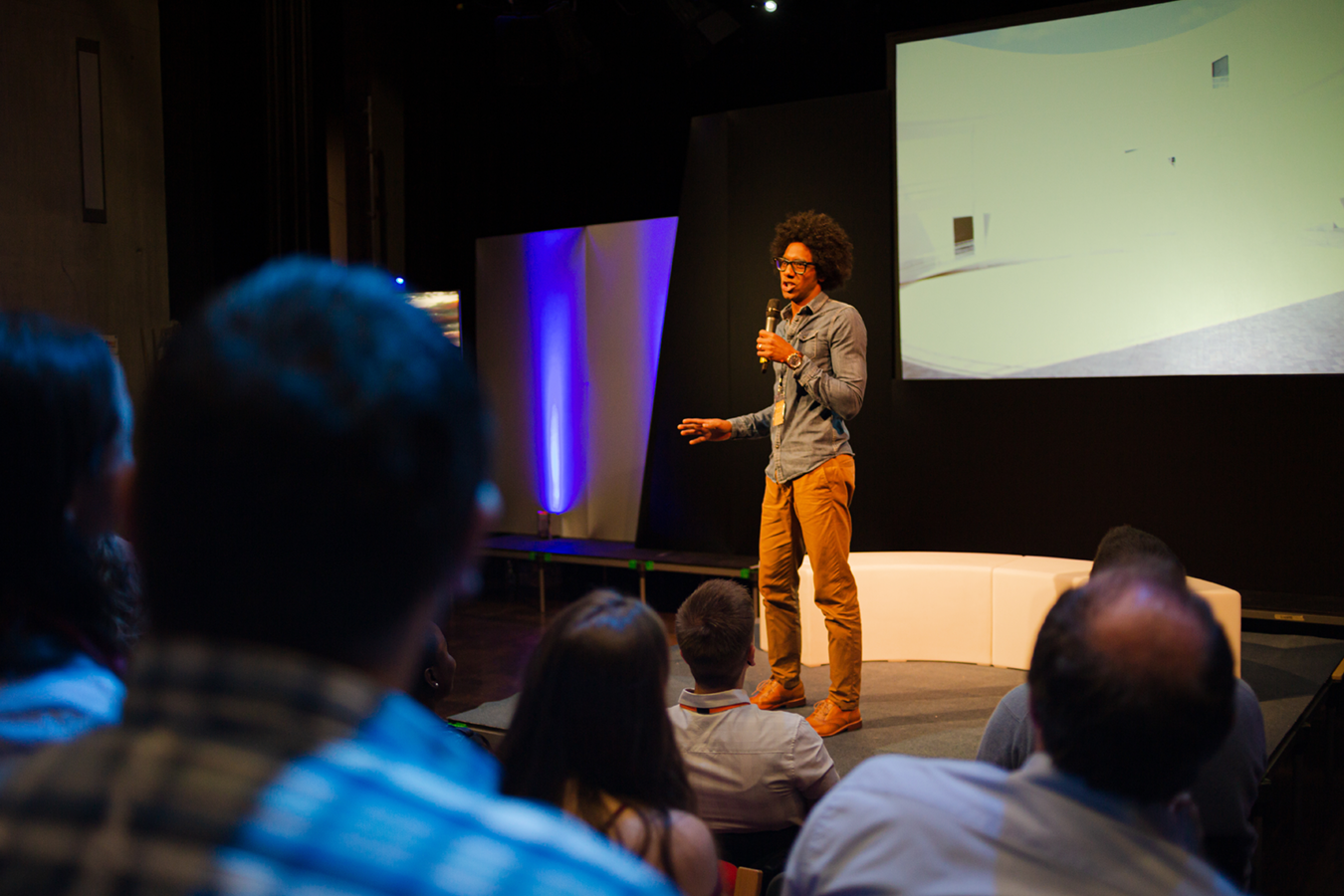
No matter which communication model you study, every model includes the most critical element: the message. You can't have communication without a message. The word "message" comes from the Latin mittere, "to send." The message is fundamental to communication.
With regard to public speaking and speech communication, your speech is your message. But you may also have other intentions for your speech: the message behind the message. Perhaps you have a singular goal, point, or emotion you want your audience to feel and understand. Every word you use to craft your speech then works to achieve that particular goal, point, or emotion.
As the sender, the speechwriter, and the speech giver, you may be getting messages back from your audience: your receivers. When the receiver sends a message back to the sender in this way, it’s known as feedback. In this way, messaging becomes a dynamic conversation of feedback as the sender sends their message to their audience, receives feedback from the audience, and then adjusts the message accordingly based on said feedback.
We can send messages both verbally and nonverbally. You can say one thing with your words, but nonverbal cues such as posture, eye contact, tone of voice, and volume may send an entirely different message to your audience. When crafting your speech, you must consider all aspects of your overall message: verbal, nonverbal, meaning, and message.
Source: THIS TUTORIAL HAS BEEN ADAPTED FROM "BOUNDLESS COMMUNICATIONS" PROVIDED BY BOUNDLESS.COM. ACCESS FOR FREE AT oer commons. LICENSE: CREATIVE COMMONS ATTRIBUTION-SHAREALIKE 4.0 INTERNATIONAL.



