Table of Contents |
Social justice refers to the fair distribution of wealth, opportunities, and privileges within a society. It emphasizes the equitable treatment and status of all individuals and social groups, ensuring everyone has equal rights and opportunities. In the context of public and community health, social justice is crucial because it addresses SDOH, such as access to health care, education, and safe living conditions (American Public Health Association [APHA], n.d.).
Social justice aims to eliminate health disparities by ensuring that all individuals have the same opportunities to achieve their highest level of health. It promotes equal access to essential resources like health care, nutritious food, and clean water, which are fundamental to maintaining good health. By addressing systemic inequities, social justice helps build healthier communities where everyone can thrive. It influences public health policies and practices to be more inclusive and equitable, ensuring that historically marginalized and vulnerable populations are not left behind.
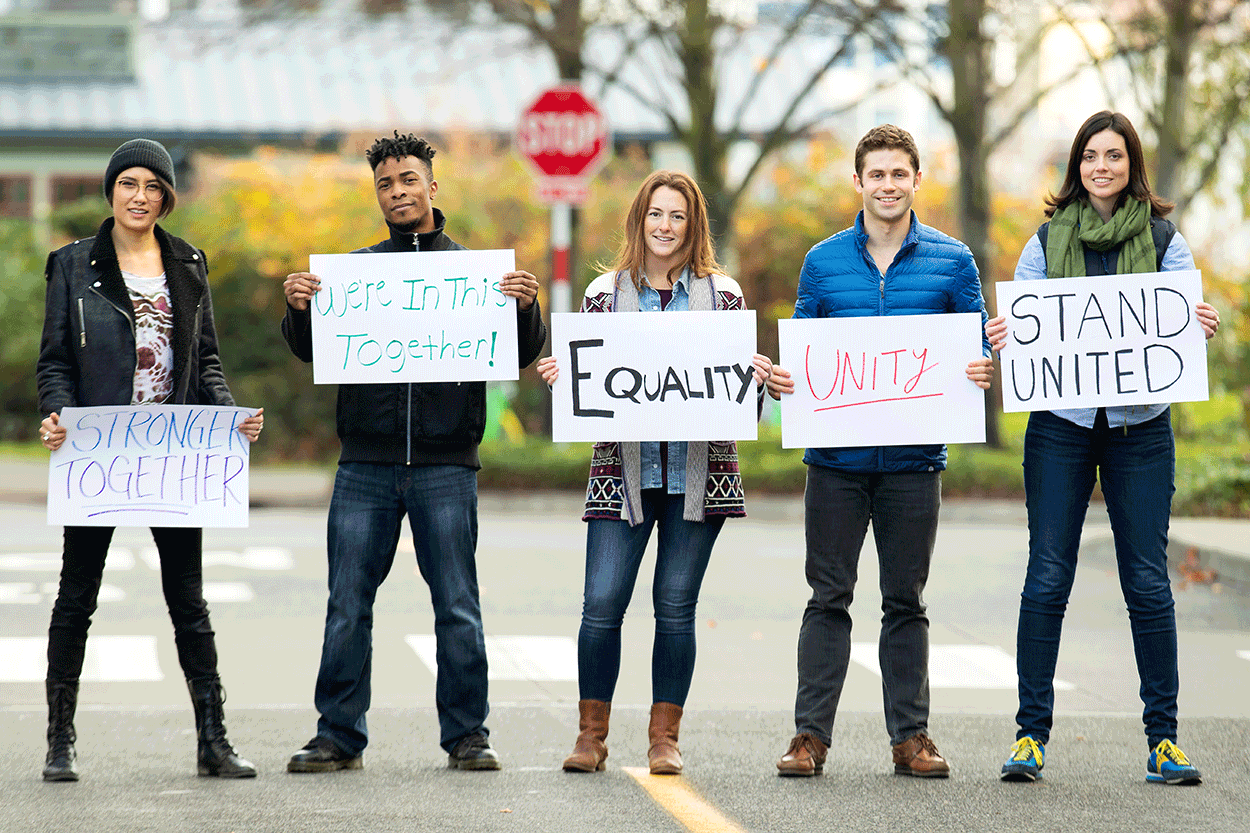
Recall that community health workers (CHWs) were discussed in an earlier lesson. One example of social justice in community health is the CHW programs. These programs aim to reduce health disparities by employing individuals from the community to provide health education, outreach, and support to their neighbors. CHWs also aim to provide historically underserved and marginalized communities with access to health care services and health education. This aligns with the social justice goal of ensuring that everyone, regardless of their socioeconomic status, can achieve optimal health.

By training and employing individuals from the community, CHW programs empower residents to take an active role in their own health and the health of their neighbors. This empowerment helps address systemic inequities and promotes self-sufficiency and resilience within the community. CHWs often share the same cultural background and language as the community members they serve. This cultural competence helps build trust and improve communication, ensuring that health interventions are more effective and respectful of the community’s values and needs.
CHWs can advocate for the needs of their communities at local, state, and national levels. By voicing the concerns and challenges faced by their communities, CHWs contribute to policy changes that promote health equity and social justice. One policy change that promotes social justice that a CHW might advocate for is the expansion of Medicaid. Medicaid expansion is an option created by the federal government as part of the Affordable Care Act (ACA) that some states have elected not to adopt. Expanding Medicaid ensures that more low-income individuals and families have access to essential health care services. Since Medicaid expansion is intentionally being rejected in some states by the state government and leadership, it has become a social justice issue. Medicaid expansion aligns with the social justice goal of reducing health disparities and ensuring that everyone has the opportunity to achieve optimal health. By providing health coverage for more people, Medicaid expansion helps protect individuals from the financial burden of medical expenses, which can be particularly devastating for low-income families.
Let’s take a look at another social justice issue that affects public and community health—voting rights.
IN CONTEXT
Voting Rights and Social Justice
Voting rights are a critical social justice issue in public and community health for several reasons.
- Ensuring that all individuals have the right to vote helps promote health equity. Communities that face barriers to voting, such as restrictive ID laws or limited polling locations, often experience worse health outcomes. These barriers disproportionately affect marginalized groups, including racial and ethnic groups, low-income individuals, and people with disabilities (APHA, n.d.) .
- Voting allows communities to influence health policies that directly impact their well-being. Policies related to health care access, environmental health, and social services are often shaped by elected officials. When certain groups are disenfranchised (to take away a person or group’s rights), their needs and concerns may not be adequately represented in policy decisions (APHA, 2022).
- Voting is a form of civic engagement that empowers individuals and communities to advocate for their health needs. Increased voter participation can lead to more responsive and accountable governance, which is essential for addressing SDOH (Association of Schools and Programs of Public Health, n.d.).
- Voting is recognized as an SDOH. The ability to vote can impact health outcomes; conversely, poor health can affect an individual’s ability to vote. Ensuring equitable access to voting is crucial for addressing broader health disparities.
So, social justice in public health can be defined in several ways, each emphasizing different aspects of equity and fairness. Social justice is the view that everyone deserves equal rights and opportunities, including the right to good health. This definition highlights the need to address inequities in health that are avoidable, unnecessary, and unjust. Social justice also means that all groups and individuals are entitled to equality and important rights such as health protection and minimal standards of income. This definition focuses on minimizing preventable illnesses, injuries, and premature death. When some members of society are exposed to preventable, avoidable conditions while other members of society are not, this is considered unjust. According to the American Nurses Association (2013, as cited in University of Maryland School of Nursing, 2024), social justice is the principle that all persons are entitled to have their basic human needs met, regardless of differences in economic status, class, gender, race, ethnicity, citizenship, religion, age, sexual orientation, disability or health (University of Maryland School of Nursing, 2024).
There are several key strategies for promoting social justice through public health policy and advocacy. The table below highlights these strategies.
| Strategy Name | Description |
|---|---|
| Addressing SDOH | Policies that focus on improving SDOH, such as housing, education, and employment, can help reduce disparities and promote equity. For example, advocating for affordable housing policies can improve living conditions and reduce health risks associated with poor housing. |
| Inclusive policy development | This ensures that historically marginalized and vulnerable populations are included in the policy development process. (i.e., community members have a voice in shaping policies that affect their health). |
| Health equity impact assessments | Implementing health equity impact assessments for new policies can help identify and mitigate potential negative impacts on disadvantaged groups. This proactive approach ensures that policies promote health equity and do not inadvertently exacerbate existing disparities (APHA, n.d.). |
| Advocacy for access to health care | Advocating for policies that expand access to health care, such as Medicaid expansion or universal health care, can significantly improve health outcomes for underserved populations (a fundamental aspect of social justice). |
| Education and awareness campaigns | Public health advocacy can also involve education and awareness campaigns that highlight the importance of social justice in health. These campaigns can mobilize public support for equitable policies and practices. |
| Legislative Advocacy | Engaging in legislative advocacy to support laws and regulations that promote health equity is another important strategy. This can include lobbying for policies that address systemic inequities, such as antidiscrimination laws and policies that protect workers’ rights. |
By implementing these strategies, public health professionals and advocates can work toward creating a more just and equitable society where everyone has the opportunity to achieve their highest level of health. Let’s look at other ways that policy and advocacy can promote social justice.
IN CONTEXT
The Health in All Policies (HiAP) Approach
One example of a social justice activity in public health is the Health in All Policies (HiAP) Approach, which is a strategy that integrates health considerations into policymaking across various sectors to improve the health of all communities and people (APHA, n.d.). The key aspects of HiAP are as follows:For instance, a city might implement HiAP by working with transportation departments to create safer pedestrian pathways, which can reduce accidents and encourage activity, ultimately improving community health.
- Cross-sector collaboration involves collaboration between different sectors like transportation, housing, education, and law enforcement to address SDOH.
- A focus on equity, as mentioned above, ensures that health equity is a priority in all policies aiming to reduce health disparities and promote the fair distribution of health resources.
- Community engagement is encouraged in the HiAP approach. This means active participation from community members in the policymaking process to ensure that their needs and perspectives are considered.
If public health did not promote social justice through advocacy and policy, there would be several negative consequences. There would be an increase in health disparities among different groups that would likely widen. Marginalized communities, including racial and ethnic minorities, people experiencing economic disadvantage, people with low income, and people with disabilities, would continue to face significant barriers to accessing health care and achieving good health. Social injustice is linked to higher rates of disease, disability, injury, and premature death. Without addressing these inequities, public health outcomes would deteriorate, leading to increased rates of chronic diseases, mental health issues, and other health problems. Inequities undermine the social and community fabric, leading to disrupted families, weakened social cohesion, and reduced civic participation. This can result in a less resilient and less engaged community. Public health has a moral obligation to promote health equity and social justice. Failing to do so would compromise the ethical foundation of public health practice and undermine its mission to protect and improve the health of all people.
Source: THIS TUTORIAL WAS AUTHORED BY SOPHIA LEARNING. PLEASE SEE OUR TERMS OF USE.
Disclaimer: The use of any CDC and United States government materials, including any links to the materials on the CDC or government websites, does not imply endorsement by the CDC or the United States government of us, our company, product, facility, service, or enterprise.
REFERENCES
American Public Health Association. (n.d.). Social justice and health. www.apha.org/what-is-public-health/generation-public-health/our-work/social-justice
American Public Health Association. (2022, November 8). Advancing health equity through protecting and promoting access to voting. www.apha.org/policies-and-advocacy/public-health-policy-statements/policy-database/2023/01/18/access-to-voting
Association of Schools and Programs of Public Health. (n.d.). Voting is public health. aspph.org/news/external-relations/voting-is-public-health/
University of Maryland School of Nursing. (2024, November 1). Foundational concepts: Social determinants, social justice and ethics. cf.son.umaryland.edu/NURS467/module2/subtopic2.htm



