Table of Contents |
Sexually transmitted infections (STIs) are an important cause of patient morbidity (suffering from a medical condition). The Centers for Disease Control and Prevention (CDC) estimates that there are approximately 20 million new cases of reportable STIs annually in the United States, half of which occur in people aged 15–24 years old.
When STIs spread to the reproductive organs, they can be associated with severe morbidity and loss of fertility.
EXAMPLE
Some sexually transmitted bacterial infections, such as gonorrhea and chlamydia, can cause pelvic inflammatory disease (PID). This infection of the uterine tubes and other reproductive organs can leave scar tissue and lead to infertility, even after PID is treated and resolved.IN CONTEXT
Secret STIs
Few people who have an STI (or think they may have one) are eager to share that information publicly. In fact, many patients are even uncomfortable discussing the symptoms privately with their doctors. Unfortunately, the social stigma associated with STIs makes it harder for infected individuals to seek the treatment they need and creates the false perception that STIs are rare. In reality, STIs are quite common, but it is difficult to determine exactly how common.
A study on the effects of human papillomavirus (HPV) vaccination found a baseline HPV prevalence of 26.8% for females between the ages of 14 and 59. Among females aged 20–24, the prevalence was 44.8%; in other words, almost half of the females in this age bracket had a current infection. According to the CDC, herpes simplex virus 2 (HSV-2) infection was estimated to have a prevalence of 15.5% in younger individuals (14–49 years of age) in 2007–2010, down from 20.3% in the same age group in 1988–1994. However, the CDC estimates that 87.4% of infected individuals in this age group have not been diagnosed by a physician.
Another complicating factor is that many STIs can be asymptomatic (having no symptoms) or have long periods of latency (the time between being exposed to something that causes symptoms and exhibiting symptoms or a period during which a virus is inactive). For example, the CDC estimates that among females ages 14–49 in the United States, about 2.3 million (3.1%) are infected with the sexually transmitted protozoan Trichomonas. Trichomoniasis is a disease that's caused by Trichomonas. Trichomoniasis leads to the urethra becoming inflamed, which can cause painful urination. However, in a study of infected females, 85% of those diagnosed with the infection were asymptomatic.
Even when patients are treated for symptomatic STIs, it can be difficult to obtain accurate data on the number of cases. Whereas STIs like chlamydia, gonorrhea, and syphilis are notifiable diseases—meaning each diagnosis must be reported by healthcare providers to the CDC—other STIs are not notifiable (e.g., genital herpes, genital warts, and trichomoniasis). Between the social taboos, the inconsistency of symptoms, and the lack of mandatory reporting, it can be difficult to estimate the true prevalence of STIs—but it is safe to say they are much more prevalent than most people think.
Bacteria commonly infect the reproductive tract, and the parts of the reproductive system closest to the external environment are the most likely sites of infection. Here, you will learn about some common bacterial infections that can be sexually transmitted.
Chlamydia trachomatis is the causative agent of the STI chlamydia. While many chlamydia infections are asymptomatic, it is a major cause of urethritis (inflammation of the urethra) and may also cause epididymitis and orchitis (inflammation of the epididymis and testes, respectively) in males. In females, chlamydia infections can cause urethritis, salpingitis (inflammation of the uterine tubes), and PID. In addition, chlamydial infections may be associated with an increased risk of cervical cancer.
Because chlamydia is widespread, often asymptomatic, and has the potential to cause substantial complications, routine screening is recommended for sexually active females who are under age 25, at high risk, or beginning prenatal care.
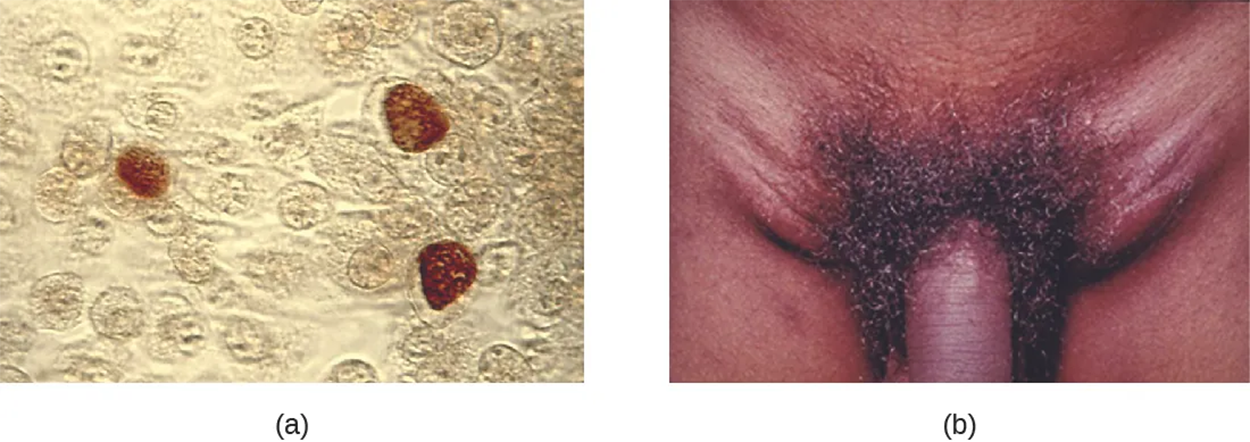
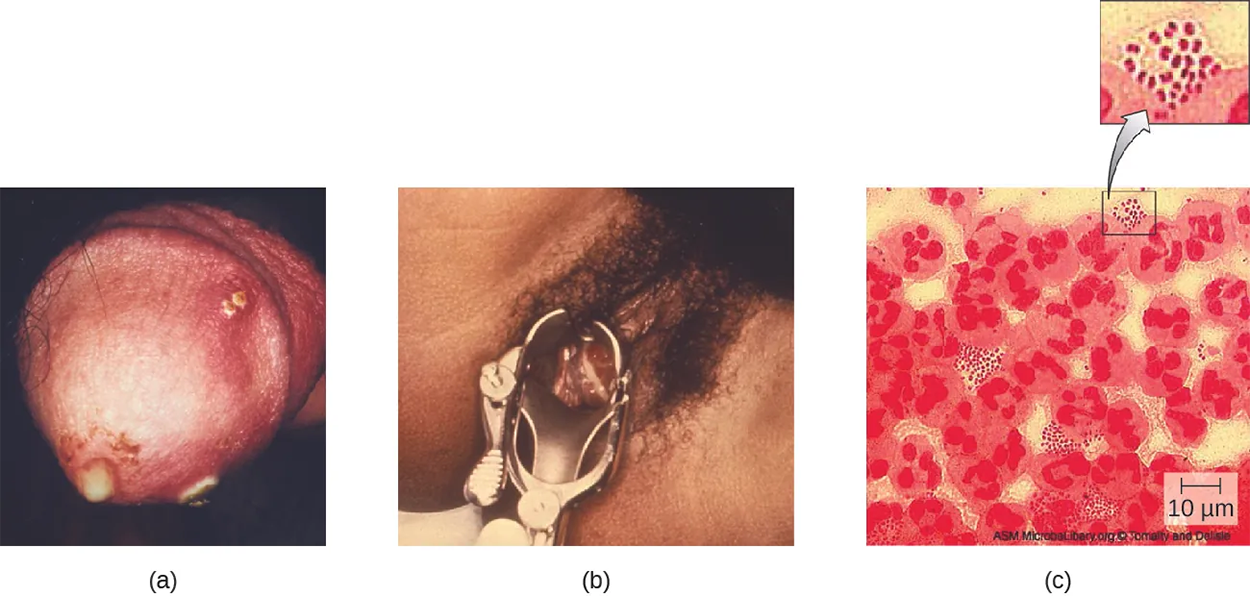
Also known as the clap, gonorrhea is a common STI of the reproductive system that is especially prevalent in individuals between the ages of 15 and 24. It is caused by Neisseria gonorrhoeae, which have fimbriae (finger-like projections) that allow the cells to attach to epithelial cells. It also has a type of lipopolysaccharide endotoxin called lipooligosaccharide as part of the outer membrane structure that enhances its pathogenicity. In addition to causing urethritis, N. gonorrhoeae can infect other body tissues such as the skin, meninges, pharynx, and conjunctiva.
Many infected individuals are asymptomatic carriers of gonorrhea. When symptoms do occur, they manifest differently in males and females. Males may develop pain and burning during urination and discharge from the penis that may be yellow, green, or white. Less commonly, the testicles may become swollen or tender. Over time, these symptoms can increase and spread. In some cases, chronic infection develops. The disease can also develop in the rectum, causing symptoms such as discharge, soreness, bleeding, itching, and pain (especially in association with bowel movements).
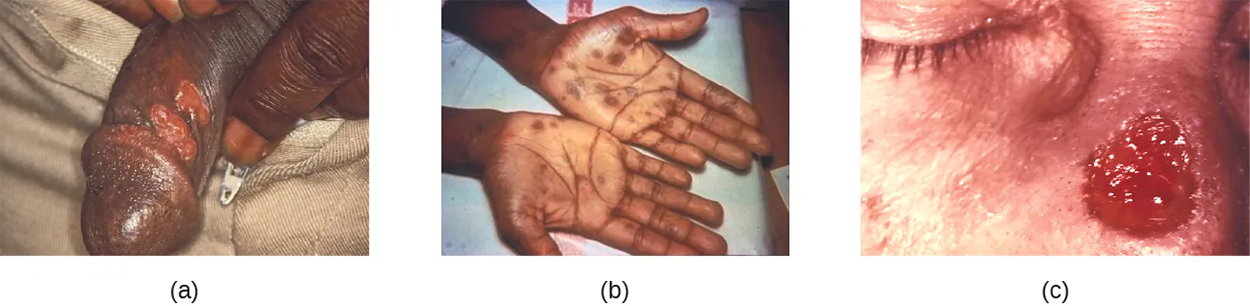
Syphilis is spread through direct physical (generally sexual) contact and is caused by the bacterium Treponema pallidum. This bacterium contains lipoproteins that trigger an immune response in the host, causing tissue damage that may enhance the pathogen’s ability to spread while evading the host immune system.
After entering the body, T. pallidum moves rapidly into the bloodstream and other tissues. If not treated effectively, syphilis progresses through three distinct stages: primary, secondary, and tertiary. Primary syphilis appears as a single lesion on the cervix, penis, or anus within 10 to 90 days of transmission. Such lesions contain many T. pallidum cells and are highly infectious. The lesion, called a hard chancre, is initially hard and painless, but it soon develops into an ulcerated sore. Localized lymph node swelling may occur as well. In some cases, these symptoms may be relatively mild, and the lesion may heal on its own within 2 to 6 weeks. Because the lesions are painless and often occur in hidden locations (e.g., the cervix or anus), infected individuals sometimes do not notice them.
The secondary stage generally develops once the primary chancre has healed or begun to heal. Secondary syphilis is characterized by a rash that affects the skin and mucous membranes of the mouth, vagina, or anus. The rash often begins on the palms or the soles of the feet and spreads to the trunk and the limbs. On mucous membranes, it may manifest as mucus patches or white, wart-like lesions called condylomata lata. The rash may be accompanied by malaise (feeling unwell), fever, and swelling of lymph nodes. Individuals are highly contagious in the secondary stage, which lasts 2 to 6 weeks and is recurrent in about 25% of cases.
After the secondary phase, syphilis can enter a latent phase, in which there are no symptoms, but microbial levels remain high. Blood tests can still detect the disease during latency. The latent phase can persist for years.
Tertiary syphilis, which may occur 10 to 20 years after infection, produces the most severe symptoms and can be fatal. Lesions called gummas may develop in a variety of locations, including mucous membranes, bones, and internal organs. Gummas can be large and destructive, potentially causing massive tissue damage. The deadliest lesions are those of the cardiovascular system (cardiovascular syphilis) and the central nervous system (neurosyphilis). Cardiovascular syphilis can result in a fatal aortic aneurysm (rupture of the aorta) or coronary stenosis (a blockage of the coronary artery). Damage to the central nervous system can cause dementia, personality changes, seizures, general paralysis, speech impairment, loss of vision and hearing, and loss of bowel and bladder control.

Several viruses can cause serious problems for the human reproductive system. Most of these viral infections are incurable, increasing the risk of persistent sexual transmission. In addition, such viral infections are very common in the United States.
Warts (small, hard growths) of all types are caused by a variety of strains of human papillomavirus (HPV). HPV is the most common STI in the country, with an estimated prevalence of 79.1 million infections in 2008; HSV-2 is the next most prevalent STI at 24.1 million infections.
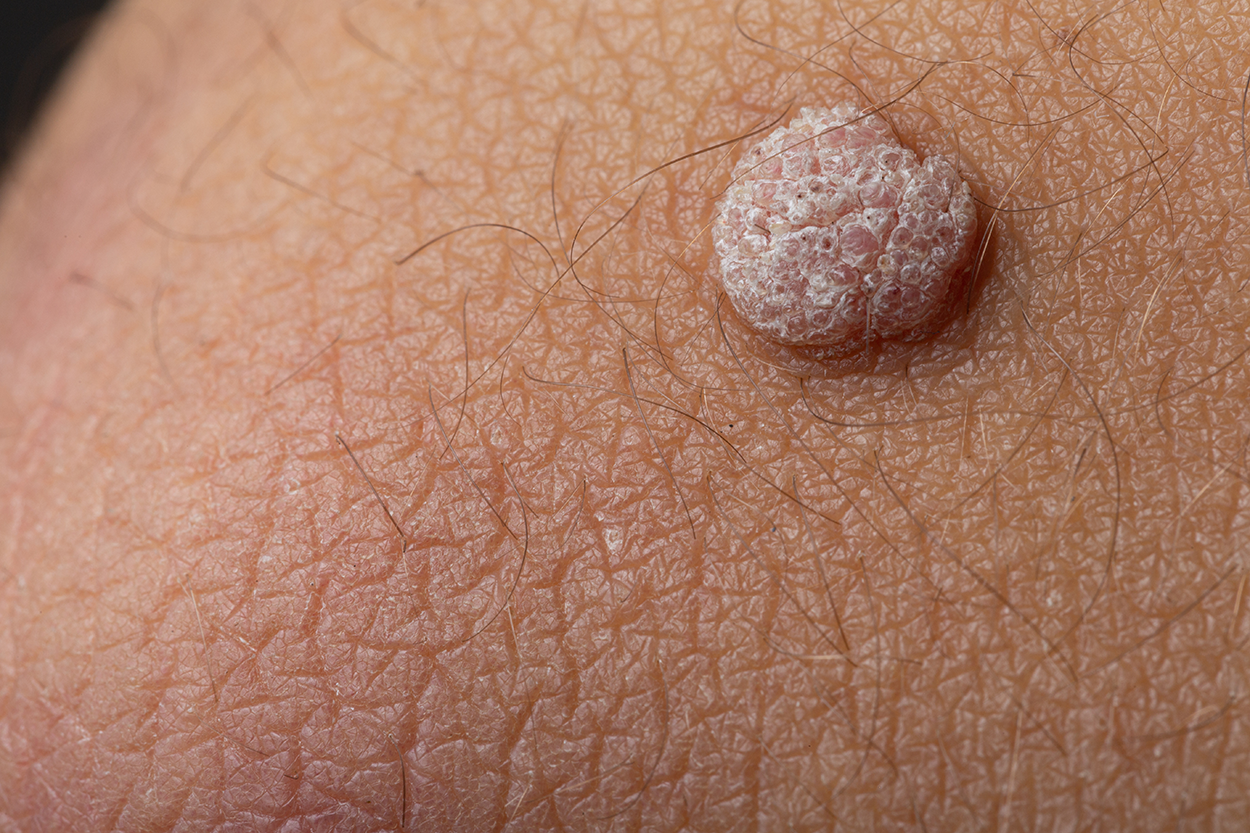
Condylomata acuminata, more commonly called genital warts or venereal warts, are an extremely prevalent STI caused by certain strains of HPV. Condylomata are irregular, soft, pink growths that are found on the external genitalia or the anus.
HPV is a small, non-enveloped virus with a circular double-stranded DNA genome. Researchers have identified over 200 different strains (called types) of HPV, with approximately 40 causing STIs. Although some types of HPV cause genital warts, HPV infection is often asymptomatic and self-limiting. However, genital HPV infection often co-occurs with other STIs like syphilis or gonorrhea.
Additionally, some forms of HPV (not the same ones associated with genital warts) are associated with cervical cancers. At least 14 oncogenic (cancer-causing) HPV types are known to have a causal association with cervical cancers. Examples of oncogenic HPV are types 16 and 18, which are associated with 70% of cervical cancers. Oncogenic HPV types can also cause oropharyngeal cancer, anal cancer, vaginal cancer, vulvar cancer, and penile cancer. Most of these cancers are caused by HPV type 16. HPV virulence factors include proteins that are capable of inactivating tumor suppressor proteins, leading to uncontrolled cell division and the development of cancer.
IN CONTEXT
In 2006, the first vaccine against the high-risk types of HPV was approved. There are currently two HPV vaccines available: Gardasil® and Cervarix®. Whereas these vaccines were initially only targeted for females, because HPV is sexually transmitted, all people require vaccination for this approach to achieve its maximum efficacy. Furthermore, HPV affects both teenagers and adults, so it is advised that teenagers receive the HPV vaccine. A study suggested that the HPV vaccine has cut the rates of HPV infection by the four targeted strains at least in half. Unfortunately, the high cost of manufacturing the vaccine has limited access to many people worldwide.
Genital herpes is a common condition caused by the herpes simplex virus, an enveloped, double-stranded DNA virus that is classified into two distinct types. Herpes simplex virus has several virulence factors, including infected cell protein (ICP) 34.5, which helps in replication and inhibits the maturation of dendritic cells as a mechanism of avoiding elimination by the immune system. In addition, surface glycoproteins on the viral envelope promote the coating of herpes simplex virus with antibodies and complement factors, allowing the virus to appear as “self” and prevent immune system activation and elimination.
There are two herpes simplex virus types. While herpes simplex virus type 1 (HSV-1) is generally associated with oral lesions like cold sores or fever blisters, herpes simplex virus type 2 (HSV-2) is usually associated with genital herpes. However, both viruses can infect either location as well as other parts of the body. Oral-genital contact can spread either virus from the mouth to the genital region or vice versa.
Many infected individuals do not develop symptoms and thus do not realize that they carry the virus. However, in some infected individuals, fever, chills, malaise, swollen lymph nodes, and pain precede the development of fluid-filled vesicles that may be irritating and uncomfortable. When these vesicles burst, they release infectious fluid and allow transmission of HSV. In addition, open herpes lesions can increase the risk of spreading or acquiring HIV.
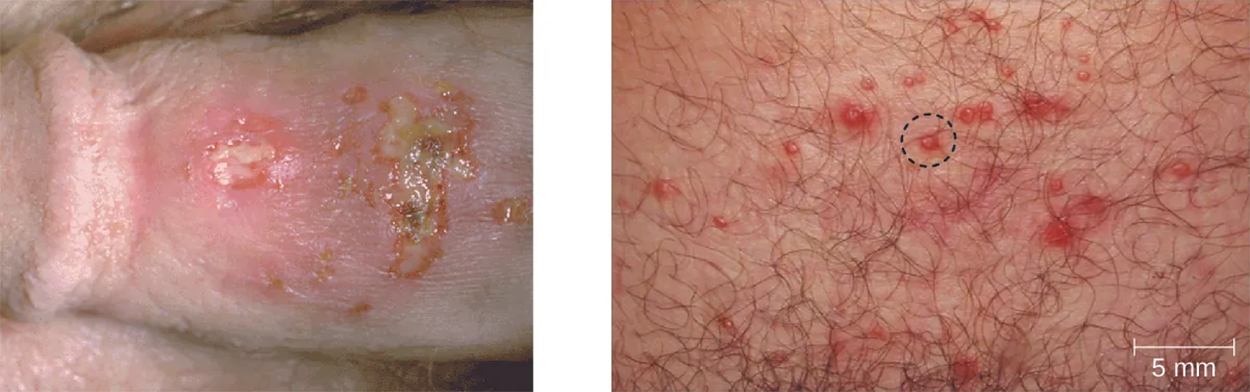
Herpes simplex viruses can cause recurrent infections because the virus can become latent and then be reactivated. This occurs more commonly with HSV-2 than with HSV-1. The virus moves down peripheral nerves, typically sensory neurons, to ganglia in the spine (either the trigeminal ganglion or the lumbar-sacral ganglia) and becomes latent. Reactivation can later occur, causing the formation of new vesicles. HSV-2 most effectively reactivates from the lumbar-sacral ganglia.
Not everyone infected with HSV-2 experiences reactivations, which are typically associated with stressful conditions, and the frequency of reactivation varies throughout life and among individuals. Between outbreaks or when there are no obvious vesicles, the virus can still be transmitted.
Human immunodeficiency virus (HIV) is a retrovirus (viruses that use RNA to replicate inside host cells, where their DNA is then integrated with the host’s DNA), and it is the causative agent of acquired immune deficiency syndrome (AIDS). There are two main variants of HIV. HIV-1 occurs in human populations worldwide, whereas HIV-2 is concentrated in West Africa. Currently, the most affected region in the world is sub-Saharan Africa, with an estimated 25.6 million people living with HIV in 2015. Sub-Saharan Africa also accounted for two-thirds of the global total of new HIV infections.
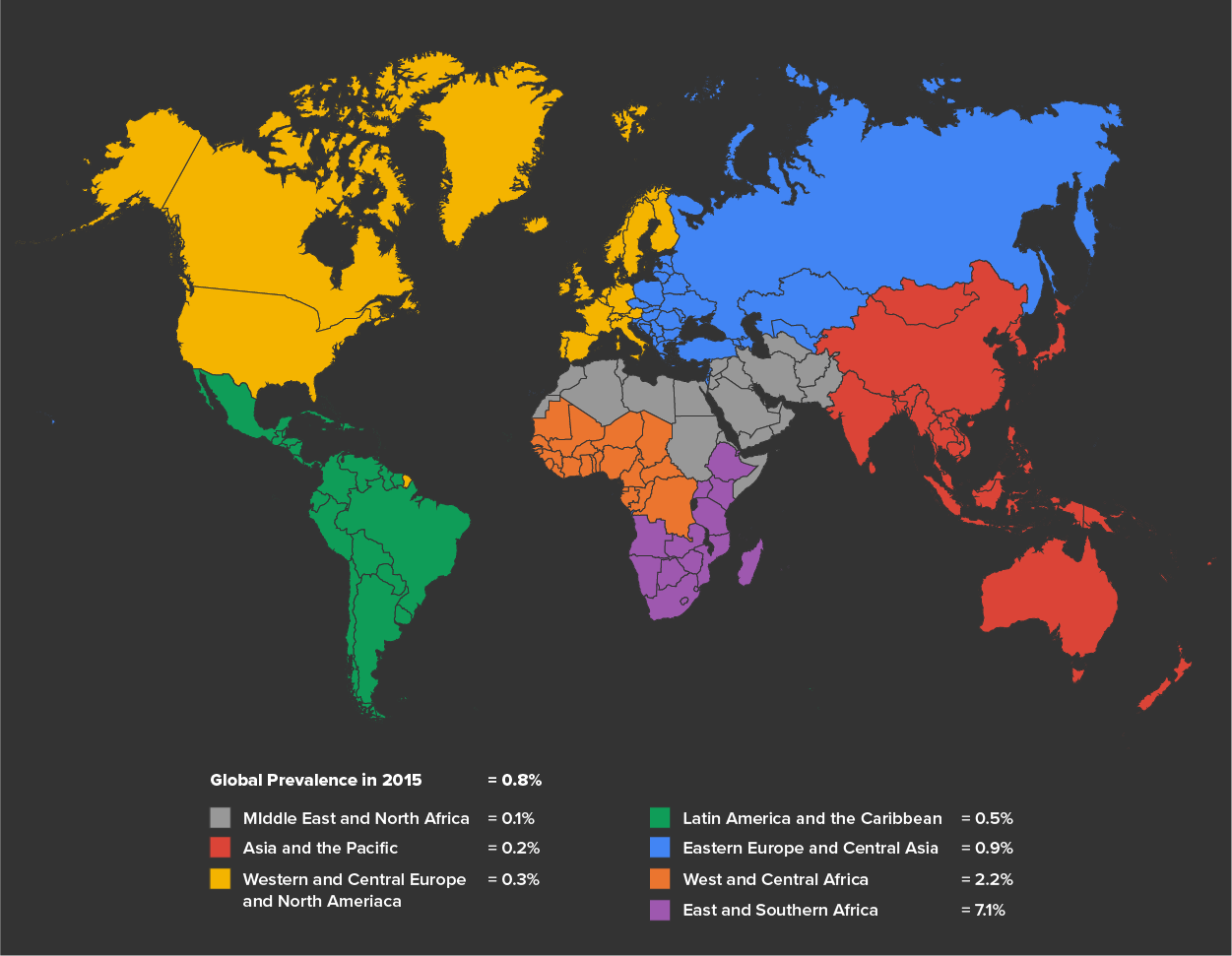
HIV is spread through direct contact with body fluids. Casual contact and insect vectors are not sufficient for disease transmission; common modes of transmission include sexual contact and sharing of needles by intravenous drug users.
It generally takes many years before the effects of an HIV infection are detected. HIV infections are not dormant during this period: Virions are continually produced, and the immune system continually attempts to clear the viral infection, while the virus persistently infects additional CD4 T cells. Over time, the CD4 T-cell population is devastated, ultimately leading to AIDS.
SOURCE: THIS TUTORIAL HAS BEEN ADAPTED FROM (1) OPENSTAX “ANATOMY AND PHYSIOLOGY 2E”. ACCESS FOR FREE AT OPENSTAX.ORG/BOOKS/ANATOMY-AND-PHYSIOLOGY-2E/PAGES/1-INTRODUCTION. (2) OPENSTAX “MICROBIOLOGY”. ACCESS FOR FREE AT OPENSTAX.ORG/BOOKS/MICROBIOLOGY/PAGES/1-INTRODUCTION. LICENSING (1 & 2): CREATIVE COMMONS ATTRIBUTION 4.0 INTERNATIONAL.
REFERENCES
Eileen F. Dunne, Elizabeth R. Unger, Maya Sternberg, Geraldine McQuillan, David C. Swan, Sonya S. Patel, and Lauri E. Markowitz. "Prevalence of HPV Infection Among Females in the United States." Journal of the American Medical Association 297, no. 8 (2007): 813–819.
Centers for Disease Control and Prevention. "Genital Herpes - CDC Fact Sheet," 2015. Retrieved November 8, 2023, from www.cdc.gov/std/herpes/stdfact-herpes-detailed.htm
Centers for Disease Control and Prevention. "Trichomoniasis Statistics," 2015. Retrieved November 8, 2023, from www.cdc.gov/std/trichomonas/stats.htm
Wilde-Ramsing, M. U., & Carnes-McNaughton, L. F. (2016). Blackbeard’s Queen Anne’s Revenge and its French Connection. In: Pieces of Eight: More Archaeology of Pirates. pp 15-56.
Catherine Lindsey Satterwhite, Elizabeth Torrone, Elissa Meites, Eileen F. Dunne, Reena Mahajan, M. Cheryl Bañez Ocfemia, John Su, Fujie Xu, and Hillard Weinstock. "Sexually Transmitted Infections Among US Women and Men: Prevalence and Incidence Estimates, 2008." Sexually Transmitted Diseases 40, no. 3 (2013): 187–193
Lauren Thaxton and Alan G. Waxman. "Cervical Cancer Prevention: Immunization and Screening 2015." Medical Clinics of North America 99, no. 3 (2015): 469–477
Centers for Disease Control and Prevention. "2015 Sexually Transmitted Disease Treatment Guidelines: Genital Herpes," 2015. from www.cdc.gov/mmwr/preview/mmwrhtml/rr6403a1.htm
World Health Organization. "HIV/AIDS" July 12 2023. Retrieved on November 8, 2023 , from www.who.int/mediacentre/factsheets/fs360/en/



