Table of Contents |
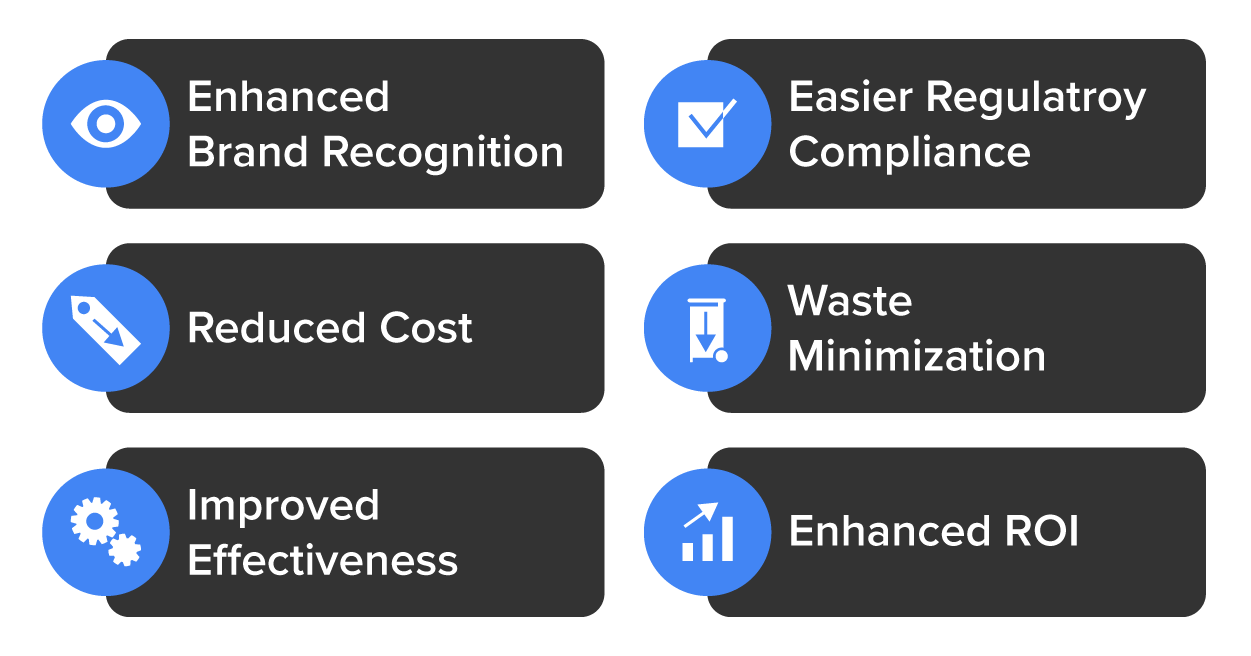
A purpose-driven strategy is when companies work to make a difference in their community through their decisions and support of environmental programs. There are numerous benefits to developing a purpose-driven business strategy, including enhanced brand recognition, reduced costs, improved effectiveness, easier regulatory compliance, waste minimization, and enhanced return on investment (ROI).
IN CONTEXT
Harvard Business School Professor Rebecca Henderson indicates that businesses must adopt a shared value orientation. Doing well and doing good are mutually dependent. Companies cannot do good if they are not doing well. Companies with strong ESG (environmental, social, and governance) programs outperform the market in the long-term despite the short-term investment.
PepsiCo developed its sustainability program under former CEO Indra Nooyi. Nooyi understood the benefits of purpose to planet, people, and profits. PepsiCo focuses on agriculture, water, packaging, products, climate, and people to create systemic change within PepsiCo and the broader environment. The results of this work are outlined in an annual sustainability metrics report that holds PepsiCo accountable for its purpose. The company earned over $70 billion in net revenue in 2020, illustrating the shared value opportunity.
Enhanced Brand Recognition: Brands that incorporate purpose earn enhanced brand recognition for that work, which can become a competitive advantage and result in higher profitability. Patagonia is a prime example of a company known for its sustainability programs. Its founder, Yvon Chouinard, envisioned the company as a pillar of sustainability and set the stage for other companies to follow. Patagonia sells outdoor wear that is durable and designed around sustainability. The brand will repair its goods to avoid customers purchasing new ones when they reuse them. It also donates 1 percent of annual sales to good causes worldwide. Finally, Patagonia facilitates an Action Works website that connects interested parties with local environmental protection groups to promote activism. These sustainability activities are critical to ensuring that Patagonia is a brand with a purpose.
Reduced Costs: Sustainability practices often carry an up-front investment; however, over time, these costs typically return a cost reduction. A survey by Bain & Company indicates five times revenue growth among all brands scoring highest on sustainability. This is possible because sustainability programs mean reduced materials, recycling programs, and lower use of natural resources, which are all good for the planet and reduce production costs.
EXAMPLE
Ben & Jerry’s stopped using plastic straws and spoons in its stores. This reduction strategy was good for the planet while also decreasing expenses for the business, demonstrating that the planet and profits can be mutually beneficial. Founders Ben Cohen and Jerry Greenfield set forth a product, economic, and social mission for the business. In response to the success seen from Ben & Jerry’s, the “triple bottom line” mission has been adopted by many organizations that seek to align profit, planet, and people (triple bottom line).Improved Effectiveness: Sustainability practices can improve organizational effectiveness. For example, investing in human capital is an area of importance because potential new employees consider purpose, well-being, culture, diversity, equity, and inclusion when deciding where to work. Mastercard is an organization that prioritizes its people, and it sees improved effectiveness as a result. Mastercard saw an average annual profit growth of nearly 19 percent in the 10 years it connected purpose to profits.
EXAMPLE
The Anya Hindmarch company brought attention to the excessive use of plastic bags in 2007 with its “I Am Not a Plastic Bag” campaign. The campaign sought to replace plastic bags with an eco-friendly alternative that reuses existing materials. Since 2007, companies have followed suit with reusable tote bags that serve as both a sustainability measure and a means of advertising their brands.Easier Compliance with Regulators: In addition to returning value to shareholders, companies are also responsible for following international, national, and local laws. A sustainability agenda goes beyond companies’ legal obligations and extends to serving the world better. This strategy eases compliance by going above and beyond what is expected by government agencies. For example, the U.S. Environmental Protection Agency (EPA) provides regulatory information by sector to provide businesses with clear regulatory compliance criteria.
Waste Minimization: Environmental measures can reduce waste, creating a healthier planet. Many organizations are focused on waste minimization to demonstrate a commitment to the Earth.
EXAMPLE
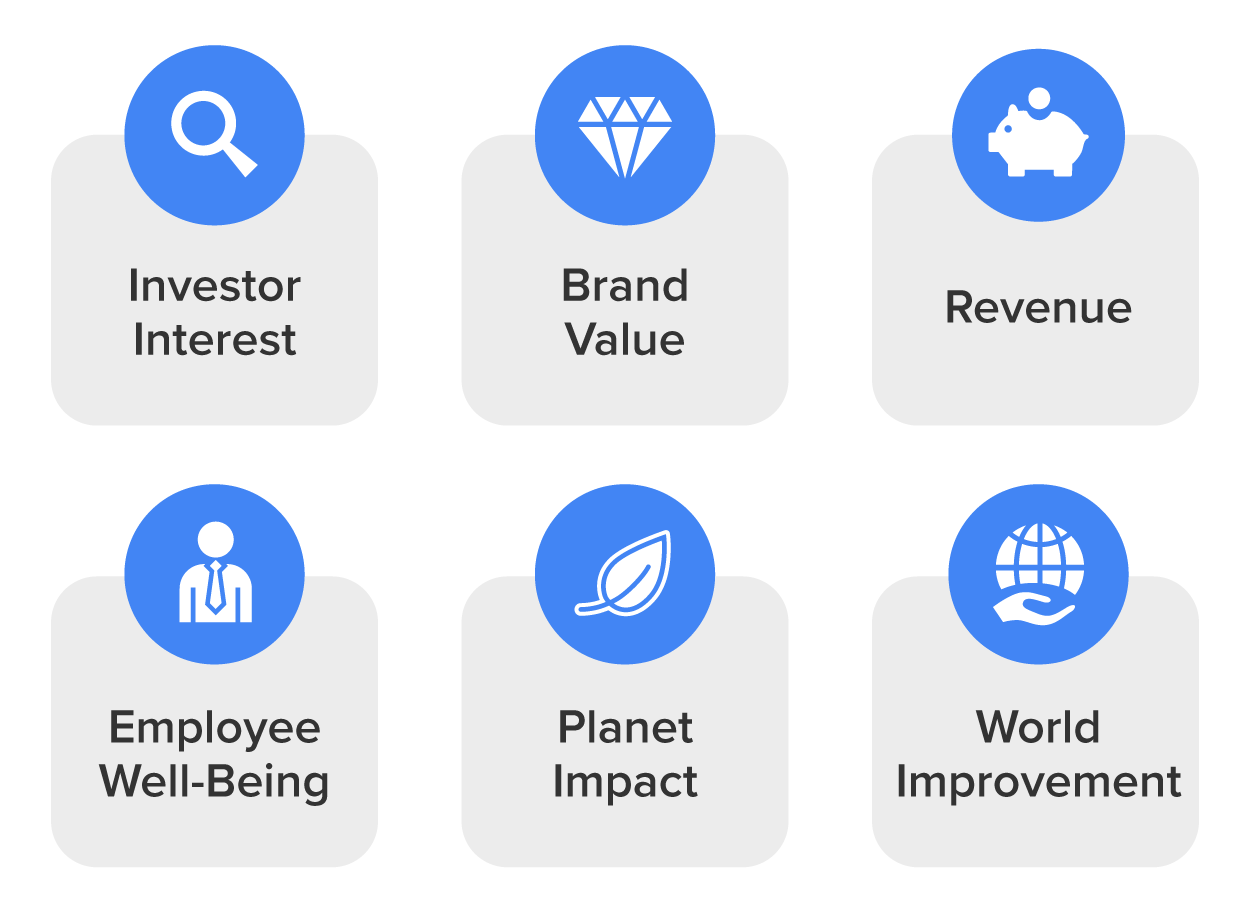
McDonald’s has set a waste minimization goal of having 100 percent guest packaging derived from renewable, recycled, or certified sources by 2025. This is impactful because single-use plastics are a known source of waste, particularly in the oceans where plastic outnumbers fish in some regions.Enhanced Return on Investment: As with any business strategy, goals and metrics are also important with a sustainability strategy. Organizations expect a return on investment when resources are committed, even with sustainability work. Organizations can look at several factors to determine the financial return on sustainability efforts. They will evaluate the increased interest from investors, changes in brand value, and revenue. Additionally, organizations can consider the well-being of their employees, their impact on the planet, and their efforts to improve the world as another key measure of success.
Brands satisfy many people, from employees to investors, to customers, to suppliers, and to the communities that they serve. They do this through a purpose-driven strategy. Brand stakeholders ask for more than a good product at a fair price. They ask for a brand to stand for something more than the product or service being offered. Brand purpose is developed deep in the DNA of an organization and should be infused in everything the brand says and does.
IN CONTEXT
Accenture conducted a global survey of 30,000 consumers about brand purpose. It found that 62 percent of customers want companies to take a stand on issues such as sustainability, transparency, or fair working conditions. Furthermore, the brand purpose should align closely with the consumer’s values to create an optimal purchase choice. Consumers are willing to switch brands if their values do not align.
The challenge runs deep. People expect brands to connect to a deep purpose; however, they are intolerant of brands that do so inauthentically. Walmart is an example of a company that received backlash from customers because of what they felt was not authentic. In May 2022, Walmart launched an ice cream flavor for the upcoming Juneteenth holiday. Consumers felt that Walmart was trying to sell a product rather than honor an important day in history. This example demonstrates the importance of holding a purpose at the center of the brand instead of using it as a means of selling a product.
Bombas knows how to build purpose into its DNA. The innovative, purpose-driven brand built its business on donating socks and underwear to homeless shelters with each purchase. As of this writing, Bombas has donated over 5 million items with the help of 3,500 impact partners in every state. Its message is simple: you buy socks, they give socks. Purpose is at the heart of Bombas’ organizational mission, and it will share it with anyone who will listen.
The brands that put purpose at the center create ways for their customers to experience purpose. Dove was a pioneer in brand purpose when it developed its Campaign for Real Beauty. Marketing research uncovered that young girls were impacted by media’s standards of beauty. Dove took this insight and decided to tackle a systemic societal problem. This multi-decade campaign led to a celebration of all types of beauty, redefining how we think of women and impacting self-esteem. Customers could experience purpose because the Campaign for Real Beauty was all about them. The Campaign for Real Beauty was more than just advertising; it reflected who Dove wanted to be in the world.
Russia’s war on Ukraine in 2022 urged several American companies to cease operations in Russia. It can be costly to cease operations in a country as large and populous as Russia, but companies such as Starbucks and McDonald’s decided that their purpose was more important than their profits in this case.
Brands with purpose are intentional about inclusion. While exclusivity can be an effective marketing tactic for luxury brands, purpose-driven brands know that inclusivity is paramount. Procter & Gamble is known as a company that weaves inclusion into the fabric of its organization, from its hiring practices to the use of its paid media.
IN CONTEXT
If you are looking for a company that is a leader in environmental and social responsibility on many fronts, look no further than Patagonia, a designer of outdoor clothing gear for the “silent sports”—climbing, surfing, skiing, snowboarding, fly fishing, and trail running. Just start with Patagonia’s mission statement: “Build the best product, cause no unnecessary harm, use business to inspire and implement solutions to the environmental crisis.”
In addition to being fair-trade certified for all its sewing production, the brand publicly discloses all its first-tier suppliers and is working to map the rest down to the farm level for the raw materials used in its gear. Many consider Patagonia to be an outdoor brand, but it offers products in many categories, from sundresses to skinny jeans.
A sizable portion of the company’s products are made from recycled materials or raw organic cotton. Plastic soda bottles are made into fleece jackets, guayule plants are made into wetsuits, and they take back worn-out Patagonia products that consumers return to the store at no charge and then recycle them into their supply chain. Look no further if you want to be an ethical consumer!
Source: THIS TUTORIAL HAS BEEN ADAPTED FROM OPEN STAX’S PRINCIPLES OF MARKETING COURSE. ACCESS FOR FREE AT https://openstax.org/details/books/principles-marketing. LICENSE: CREATIVE COMMONS ATTRIBUTION 4.0 INTERNATIONAL.



