Table of Contents |
Those who live in the United States have a wide variety of food choices and can be heavily influenced by marketing through social media, commercials, and product advertisements. Taste and hunger are our primary reasons for selecting certain foods. However, many things affect the way we perceive taste. Some examples of influences other than media are individual or personal factors like knowledge, personal taste preference, mood, hunger, health status, special diet requirements, ethnicity, accessibility and access to certain foods and income. If you learn more about what influences your choices, you may be better able to choose healthier options for what you eat each day.

Biological factors like hunger and satiety (feeling full or satisfaction of appetite) are driven by the human need to survive, these are instinctual. Carbohydrates, fats, and proteins, which we will discuss more in future units, affect our satiety in different ways. So, depending on how hungry we are, we make different food choices. Generally, foods higher in protein and carbohydrate are the most satiating while fat is the least satiating. Palatability is also another biological factor that influences our food choices. Sweet and higher fat-containing foods are known to give us more pleasure when we eat them, so we then crave more of them later. Humans generally prefer sweetness and dislike bitterness; this can be noticed from birth. However, food aversions develop over time and may change our preferences. One more consideration in food choice is mouthfeel or texture. For example, consider the varieties of commercially prepared potatoes there are: hash browns, crinkle-cut fries, smooth thin fries, steak fries, mashed potatoes, and more. Each one of these has a different texture even though they are all potato products. Depending on your personal texture preference, you may choose one over the other.
Environmental factors like the time of day or the weather can impact your food choices as well. Restaurants often have seasonal menus, so in colder weather, items like soup or stew may be served, while in warmer weather, more salads or fresh fruits are available. Sometimes, multiple factors may influence an individual. Think about this scenario where you haven't eaten all day (hunger), you have little money to spend (income), and you are running late (time). You wouldn’t choose to prepare a meal at home using expensive ingredients and a long cook time; instead, you would choose to grab something quick and inexpensive on the way to your next task.
The weather can affect our desire for certain foods. Temperature and precipitation have a great influence on what people choose to eat. Food availability also affects your choices because sometimes the food you actually want may not be available. In this case, you will then have to decide to either make a substitution or not have that food at all. On the other hand, there are food items, such as apples, that tend to regularly be available, and you may choose these more often because they are easy to obtain. Related to availability, is price. Government policies about food and seasonality can impact the price of certain items. If the purchase of an item puts your food budget in jeopardy, you may need to choose another item. Sometimes you may prefer a nice salad with all of the toppings, but a smaller one with few toppings or a whole other dish may be a better fit for the money you have available to spend.
When we think about the environment, the ambiance (lighting, dress code, elegance) of a location may also influence if you choose to eat there. If you are in the mood for a quick meal on the way to a baseball game, you wouldn’t stop at a white tablecloth restaurant to enjoy a five-course dinner. Just like the ambiance of a restaurant, the time it takes to get your food and eat it impacts what you choose. If there is a long line at a fast-food drive-through, do you go somewhere else? If you are driving, are you more likely to get something to eat that you can use your hands with, or will you get a dish where you need to use a fork or spoon?
Although some factors of influence may be more easily identified as environmental, like weather or climate, others may surprise you. For example, a buffet-style restaurant might place items in a certain order knowing that people will tend to take more of the first few items. The restaurant could use this layout to put lower-cost items in the front and higher-cost items in the back of the buffet. This is an example of food product placement commonly used in grocery stores, convenience stores, and self-service restaurants to promote items that will provide a larger profit margin to the owner. These foods usually have more fat, sodium, and added sugar.
Our social class and culture are other determinants of food choice that we may not always think about. Like cost and availability, social and cultural influences affect our choices. We learn from those around us, and food behaviors are no different. People in different cultures consume different foods for various reasons. Sometimes, foods are discouraged or prohibited. In addition to culture, some religions encourage complete avoidance of certain meats, including beef or pork, alcohol, and caffeinated products. Our families are also very important in the relationship we form with food. Some families sit together at a table for meals and value nutritious home-cooked dishes, while others are on-the-go and use more dining out options. At times, the foods we grew up eating are not all that beneficial, nutritionally speaking. Some people find it difficult to shift from eating traditional foods that they have been accustomed to, to eating new ones.
When we have people around us, like our friends and family, who support our desire to have a healthy lifestyle, we are more likely to choose healthy food options. More often than not, the food eaten in the US is eaten outside of the home. Foods in restaurants or available in schools or at worksites may provide limited access to healthy options.
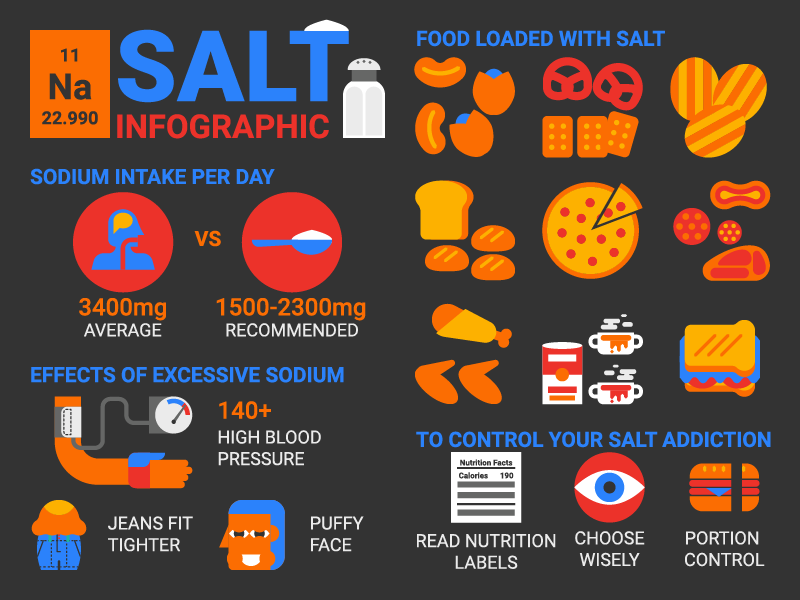
Our health status is another very important area for consideration. If a person is diagnosed with hypertension (high blood pressure) they may need a low-sodium (salt) diet, or if they are diagnosed with diabetes (uncontrolled blood sugar), they may need a carbohydrate consistent diet. Likewise, women who are pregnant may develop smell and/or taste aversions that could make them not like foods they had previously wanted to eat. This could be problematic if the mother isn’t getting enough variety or balance in her diet. As we will talk about in future units, it is critical that women of childbearing age, whether pregnant or not, eat a diet high in iron and folic acid as well as supplement their diet. Finally, as we age, our taste buds change and that may influence our food choices. As we grow older, the preference for sweetness increases and foods that may have previously been well-liked are not as appealing. If teeth are removed or if the gums hurt, chewing food becomes painful and difficult, which will lead to food aversions.
Source: THIS TUTORIAL HAS BEEN ADAPTED FROM LUMEN LEARNING’S “NUTRITION FLEXBOOK”. ACCESS FOR FREE AT https://courses.lumenlearning.com/suny-nutrition/. LICENSE: creative commons attribution 4.0 international.
REFERENCES
Lesson 4 – MyPlate: Foods for life - home | CNS. (n.d.). Retrieved April 19, 2022, from cns.ucdavis.edu/sites/g/files/dgvnsk416/files/inline-files/fof_lesson_4_final.pdf



