Table of Contents |
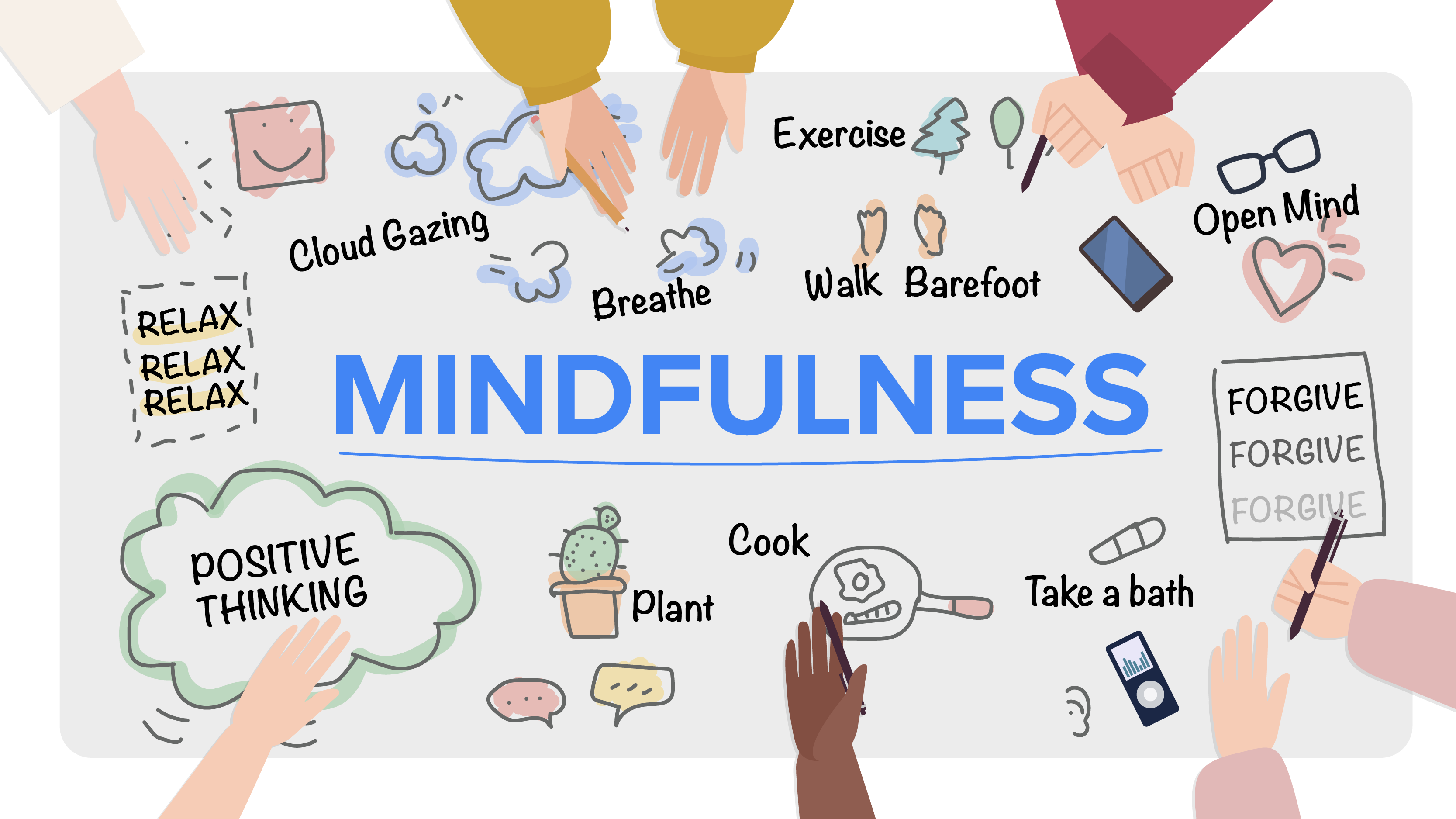
Mindfulness is the practice of staying fully aware of the present moment, including thoughts, emotions, and sensations, without judgment. This involves observing both internal and external experiences calmly and avoiding impulsive reactions. In conflict resolution, mindfulness improves emotional regulation, self-awareness, and attention. It helps individuals recognize strong emotions like anger or frustration and respond thoughtfully rather than reactively, creating space for calmer, measured responses. By enhancing self-awareness, mindfulness allows individuals to recognize their biases and emotional triggers. Additionally, it improves focus, enabling individuals to engage deeply in discussions and listen more effectively, fostering productive, empathetic conflict resolution.

In this section, we explore how mindfulness can transform conflict resolution. By becoming more aware of our emotions, practicing mindful pauses, and reducing reactivity, we can prevent conflicts from escalating and engage in more constructive, thoughtful discussions. Mindfulness helps us stay present, understand our emotional triggers, and better appreciate the perspectives of others, leading to more intentional choices during conflicts and, ultimately, more productive resolutions.
Identifying emotions is essential for effective conflict resolution. Emotions often signal underlying concerns that may not be immediately clear during a conflict. Recognizing emotions like anger or frustration allows individuals to address the root of the issue rather than focusing solely on the surface conflict.
Pause and reflect is the concept of taking a mindful pause before responding in the heat of the moment. This brief pause helps individuals choose a more constructive response, avoiding impulsive reactions that can escalate a conflict.
EXAMPLE
Pausing before reacting in a workplace disagreement over deadlines can lead to a calm discussion about workload management instead of confrontation.Reducing reactivity is a key benefit of mindfulness. By practicing mindfulness, individuals can respond to conflicts with more awareness and control, preventing unnecessary escalation.
EXAMPLE
Recognizing a defensive emotional trigger during a team meeting and calmly asking for clarification instead of reacting defensively can foster a more productive dialogue.IN CONTEXT
Imagine a conflict between two friends who disagree on how to spend their vacation together. One friend, Alex, feels frustrated that Taylor insists on a rigid schedule, while Taylor is anxious about missing out on planned activities. As tensions rise, Alex notices their frustration but decides to pause and reflect before reacting. During this mindful pause, Alex identifies their frustration as stemming from a desire for spontaneity, which differs from Taylor’s need for structure. By reducing reactivity, Alex can communicate this feeling calmly, saying, “I realize I’m getting frustrated because I like being more spontaneous on trips. Can we find a balance that works for both of us?” This mindful approach allows the friends to resolve the conflict without escalating into a heated argument.
Recognizing bias is an essential part of conflict resolution. Often, our biases influence the way we perceive and interpret the actions and intentions of others, which can cloud our judgment and escalate tensions. By practicing mindfulness, individuals can notice these biases in real time, acknowledging their existence without letting them dominate their reactions. For instance, if someone has a bias against a colleague due to past experiences, they might assume negative intentions during a disagreement. Mindfulness helps create space for a more objective perspective, allowing the individual to recognize the bias and approach the situation more fairly.
Improving self-awareness is another key benefit of mindfulness in conflict resolution. Through mindful practices, individuals can become more attuned to their own emotional triggers and habitual responses during conflict situations. For instance, a person might notice that they become defensive whenever their ideas are challenged. By being more self-aware, they can recognize these automatic reactions and choose to respond in a more constructive way, such as by asking clarifying questions instead of shutting down or arguing.
 How do you think your own biases or habitual reactions have impacted conflicts in the past? Can you think of a time when being more self-aware could have helped you respond differently in a disagreement?
Speaking mindfully involves pausing before reacting to consider your words and their potential impact on the conversation. In conflict resolution, this practice encourages individuals to communicate with clarity and purpose, reducing the likelihood of misunderstandings or escalation. By taking a moment to reflect before responding, individuals can ensure their tone remains calm and that their message is delivered in a constructive manner. For instance, instead of reacting with frustration in the heat of the moment, a mindful pause allows a person to acknowledge their emotions internally and then express themselves in a more balanced, thoughtful way. This helps maintain the integrity of the conversation, focusing on resolution rather than blame.
We’ve previously discussed the importance of active listening, and mindful listening takes that skill to another level. Mindfulness helps individuals stay fully present during a conversation, focusing completely on the other person’s words, tone, and body language. This heightened awareness allows for deeper understanding, minimizing distractions and assumptions that might interfere with clear communication. When you’re mindfully listening, you’re not thinking about how to respond or interrupting the speaker—you’re giving your full attention, which can improve trust and openness in conflict resolution.
Empathy development is another benefit of mindful listening. By staying fully attentive to the emotions and perspectives of others during a conflict, individuals are better able to connect with the other person’s experiences and feelings. Mindfulness encourages a nonjudgmental approach, which helps foster empathy and reduce emotional reactivity. For instance, instead of simply hearing what someone is saying, mindfulness allows you to truly understand the underlying emotions and concerns, making it easier to address the core issues of the conflict compassionately.
Nonviolent communication (NVC), a concept developed by Marshall Rosenberg, is a framework for communicating with empathy and compassion, which fits seamlessly with mindfulness practices. NVC emphasizes expressing needs and feelings without blame, judgment, or hostility. By combining mindfulness with NVC, individuals can engage in dialogues that focus on mutual understanding and respect. Mindfulness helps support the core principles of NVC by promoting awareness of one’s emotions and intentions before speaking.
EXAMPLE
In a conflict, instead of saying, “You never listen to me,” a person might use NVC principles and mindfulness to reframe the statement: “I feel unheard when you speak over me, and I would appreciate it if we could both have space to share our thoughts.” This approach fosters cooperation and reduces the chances of defensiveness.
Mindful breathing is one of the simplest yet most powerful mindfulness techniques for managing stress during conflict situations. By focusing on slow, deliberate breaths, individuals can calm their nervous system, helping them regain clarity and composure when emotions run high. In the midst of a heated argument or disagreement, a few deep breaths can create the space needed to step back mentally and avoid reacting impulsively.
EXAMPLE
If someone feels their frustration rising during a disagreement, taking a few mindful breaths can help prevent an emotional outburst and allow for a more measured response.Another effective tool is the body scan, which encourages individuals to bring awareness to their physical body, noticing areas of tension and consciously releasing it. Conflict can manifest physically in the form of clenched fists, a tightened jaw, or tense shoulders. By teaching students to scan their bodies from head to toe during stressful moments, they can detect where tension is being held and release it. This practice not only promotes physical relaxation but also creates a moment of pause, preventing reactive behavior.
EXAMPLE
Noticing a tight chest or tension in the hands can serve as a signal to stop and reset before engaging further in the conflict.Staying grounded involves using specific techniques to remain present and connected to the current moment, even when emotions are heightened. Grounding practices such as focusing on the breath, counting backward, or noticing physical sensations (e.g., the feeling of feet on the ground) can help individuals stay centered and avoid being swept away by strong emotions. In conflict situations, grounding is especially helpful when someone feels overwhelmed or disconnected from the conversation.
EXAMPLE
If anger starts to take over, a quick grounding exercise like focusing on the breath or silently counting can bring the person back to the present and prevent them from acting out of anger.Mindfulness is a powerful tool for preventing conflicts from escalating into heated exchanges. When tensions rise, mindfulness creates space for calm reflection and mutual understanding. By being fully present and aware of emotions and reactions, mindfulness allows you to step back from immediate anger or frustration and respond thoughtfully.
EXAMPLE
During a heated argument, a mindful pause can prevent impulsive remarks that might worsen the situation. This pause gives both sides the opportunity to slow down, breathe, and focus on resolving the issue instead of trying to “win” the argument.A key benefit of mindfulness in de-escalating conflict is its ability to focus your attention on the present moment rather than getting caught up in past grievances or anxieties about the future. Conflicts are often fueled by unresolved past issues or fears about future outcomes, which can overwhelm the current situation. By focusing on the present, mindfulness helps you address the immediate issue without letting past hurts or future worries cloud your judgment.
EXAMPLE
Instead of dwelling on a past disagreement or worrying about the future of the relationship, being mindful can help you stay in the present moment and concentrate on resolving the current conflict.To practice mindfulness, try reflecting on a recent conflict and consider how mindfulness might have changed your response or influenced the outcome. This reflection can help you understand how staying present could lead to a calmer, more productive conversation.
Another way to build mindfulness skills is through role-playing scenarios. Practicing mindful responses during simulated conflicts helps you stay calm and focused in real-life situations.
Incorporating regular mindfulness meditation into your routine can also strengthen emotional regulation and self-awareness. The more you practice, the better equipped you’ll be to manage emotions and stay grounded during conflicts, leading to more effective conflict resolution.
Building long-term conflict resilience through mindfulness will help manage ongoing or repeated conflicts in both personal and professional settings. Regular mindfulness practice helps develop emotional resilience, allowing you to face conflict without becoming overwhelmed or reactive. It cultivates patience and tolerance, which are key for handling conflicts over time.
For instance, in a workplace where tensions frequently arise over deadlines or differing opinions, practicing mindfulness helps you pause, breathe, and approach situations with calm rather than frustration. Mindfulness allows you to respond thoughtfully, preventing unnecessary escalation and leading to more productive outcomes. If a coworker repeatedly misses deadlines, instead of reacting with frustration, you can pause, reflect, and calmly address the issue, focusing on solutions rather than venting emotions.
Reducing stress and burnout is another benefit of mindfulness, particularly in conflict-heavy environments. Unresolved conflicts can lead to chronic stress and burnout, but practicing mindfulness helps you recognize and manage stress before it becomes overwhelming. Practices like mindful breathing and meditation lower stress levels, clear your mind, and improve decision-making during conflicts.
EXAMPLE
A manager dealing with frequent team conflicts might experience burnout without stress-management tools. By integrating mindfulness practices, the manager can approach conflicts with greater patience and resilience, leading to better outcomes for both the team and the organization. Mindfulness keeps stress in check, enabling more composed and balanced conflict resolution over time.Source: THIS TUTORIAL WAS AUTHORED BY MARLENE JOHNSON (2019) and STEPHANIE MENEFEE and TRACI CULL (2024). PLEASE SEE OUR TERMS OF USE.



