Table of Contents |
Often, we can recognize visible signs when a person’s physical health has been affected. For example, when a person has an allergic reaction, they might develop puffy eyes and a stuffy nose. Or, if a person has sustained an injury to their body, they might need a cast, a splint, or a bandage.
However, mental health is not as apparent. We can’t judge a person's mental health based on their outward appearance. In the previous lesson, “Psychology and Well-Being,” you learned that the term “mental health,” which is often used interchangeably with the term “psychological health,” is a multidimensional state of well-being affecting our thoughts, feelings, and actions. It is because mental health is a multidimensional continuum that we cannot judge a person's mental health based on the presence or absence of symptoms.
EXAMPLE
It is normal to feel anxiety in many situations, and this can be a productive emotion in helping you face problems. You might feel anxious before taking tests. Realizing the source of anxiety may prompt you to find ways to better manage it, such as structuring your study habits in the days leading up to the test, or having a calming ritual of deep breathing the morning of the test. However, showing no anxiety at all may be more of an unhealthy response, such as failing to recognize when things are problematic (Insel et al., 2022).We all have mental health concerns from time to time. We may feel prolonged sadness and grief over losing a loved one, or we may feel a specific fear or worry that gets in the way of trying new things we might enjoy. However, a mental illness, also called a mental disorder or mental health disorder, is when ongoing mental signs and symptoms cause frequent stress and impact your ability to function in your daily life by affecting mood, thinking, and behavior (Mayo Clinic, 2022). A serious mental illness (SMI) interferes significantly with a person’s life and ability to function. Some examples of SMIs are major depressive disorder, bipolar disorder, and schizophrenia (American Psychiatric Association, 2023).
Although the terms “mental illness” and “mental health disorder” are often used synonymously, the term “mental health disorder” is typically preferred because it has less negative of an implication and does not label someone the way “mental illness” does. For this reason, we will be using “mental health disorder” throughout the rest of this lesson.
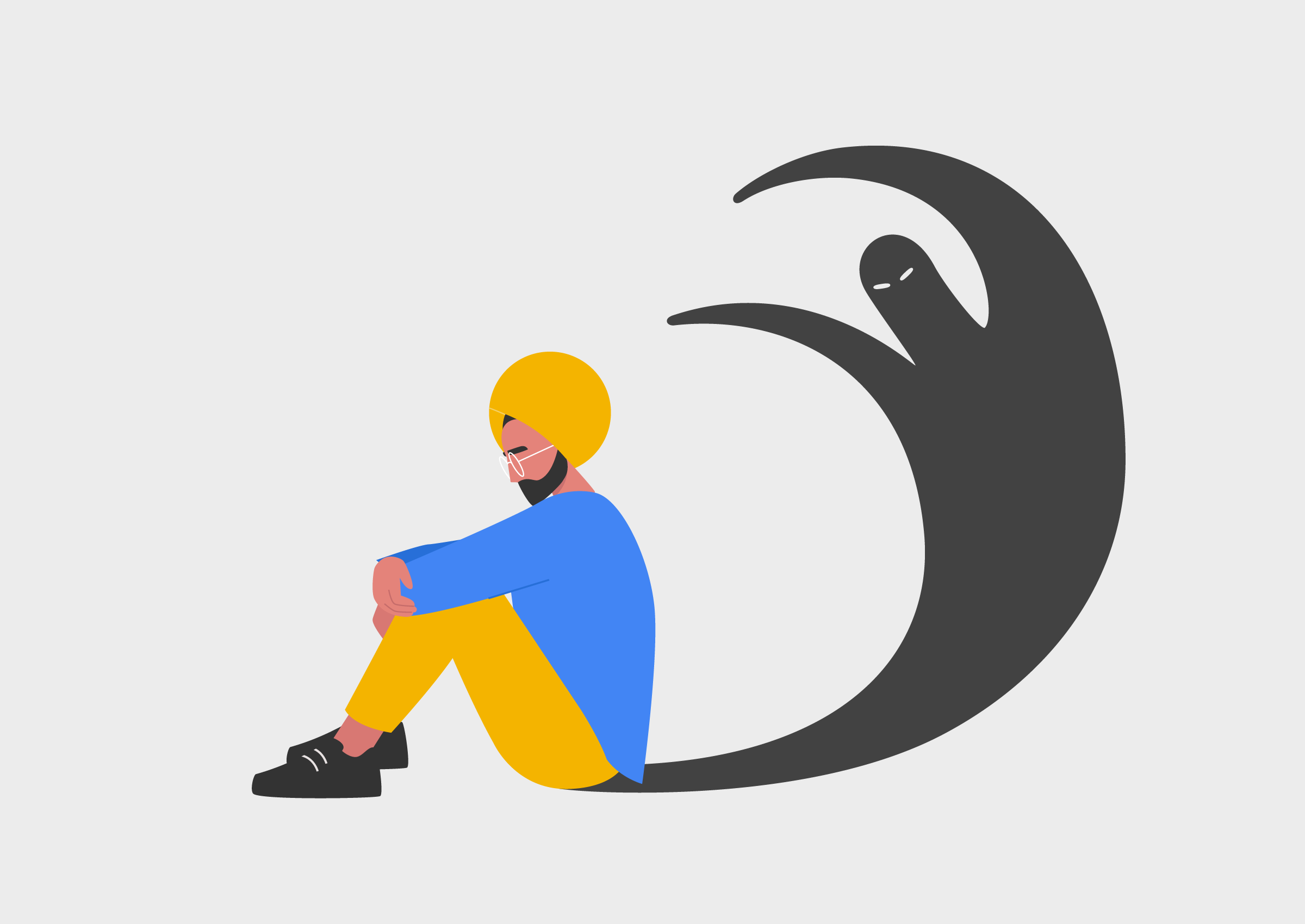
As with many types of conditions, mental health disorders are severe in some cases and mild in others. While signs of mental health disorders may not be visible in many individuals, other people may show more explicit symptoms like confusion, agitation, or withdrawal. Data from the Centers for Disease Control (2023) reflects that mental health disorders are some of the most common health conditions in the United States.
So, if mental health signs and symptoms are not always visible, how is a mental health disorder diagnosed? A common tool for mental illness diagnosis is called the DSM, or the Diagnostic and Statistical Manual of Mental Disorders. The DSM is a handbook used as the authoritative guide in the United States and throughout much of the world for diagnosing mental disorders and providing a common language to describe each type of disorder (American Psychiatric Association, 2023).
IN CONTEXT
The DSM has been around since 1952. Its first edition contained 106 mental health diagnoses (Johns Hopkins University Press, 2021). Over the decades, the DSM has gone through revisions based on input from hundreds of mental health experts. The current edition (since 2013) is the DSM-5 or its fifth edition. The DSM-5 now includes information on almost 300 mental health conditions.
A mental health professional may use the DSM paired with a psychological evaluation, such as questionnaires or asking about thoughts, feelings, symptoms, and behavior, to determine the diagnosis of a mental health disorder (Mayo Clinic, 2023). They may also perform a physical exam and/or lab tests to check for physical problems that could be impacting mental health symptoms. Mental health conditions can be treated, and in some cases, a person can improve to the point of fully functioning. In the next few lessons of this Challenge, we’ll further explore specific types of mental health disorders along with their possible treatment options.
| Mental Health Databases | |
|---|---|
| FindTreatment.gov | To find a provider treating substance use disorders, addiction, and mental illness. |
| American Psychiatric Association Foundation | To find a psychiatrist. |
| American Academy of Child and Adolescent Psychiatry | To find a psychiatrist for kids and teens. |
| American Psychological Association | To find a psychologist. |
| Services through 211 | In areas where 211 is available, you can dial this number on a phone to confidentially and anonymously explore mental health treatment options or connect with services in your area. Services through this site can also be provided via text or web chat. |
There is no single cause for a mental health disorder. Multiple individual and social factors can combine throughout our lifespan to either protect or undermine our mental health (World Health Organization, 2022). However, some factors are linked to a higher risk of developing a mental health disorder: adverse experiences, particularly in childhood, ongoing chronic medical conditions, use of alcohol or drugs, and feelings of loneliness and isolation (Centers for Disease Control, 2023).
IN CONTEXT
Chemical imbalances are also often implicated as risk factors for mental health conditions. The main idea behind this is that certain chemicals or areas of the brain help regulate mood. For example, a widespread scientific theory has been that people with depression lack serotonin, a chemical in the brain that makes us feel emotionally stable and happy. However, more recent research poses that depression and other mental health disorders are far more complex than low or high levels of certain brain chemicals (Harvard Health Publishing, 2022).
Since mental health and functioning exist on a continuum, it is important to understand that not everyone’s brain functions the same way. The term neurodiversity indicates that there is no right way of thinking, learning, or behaving and that people experience the world in many different ways (Baumer & Frueh, 2021). Everyone’s brain is different, and even the brains of identical twins can have significant differences. The term conveys that everyone has qualities of being neurodiverse. In fact, the origins of the term “neurodiversity” stem from efforts to promote equality, acceptance, and inclusion of individuals (Baumer & Frueh, 2021).
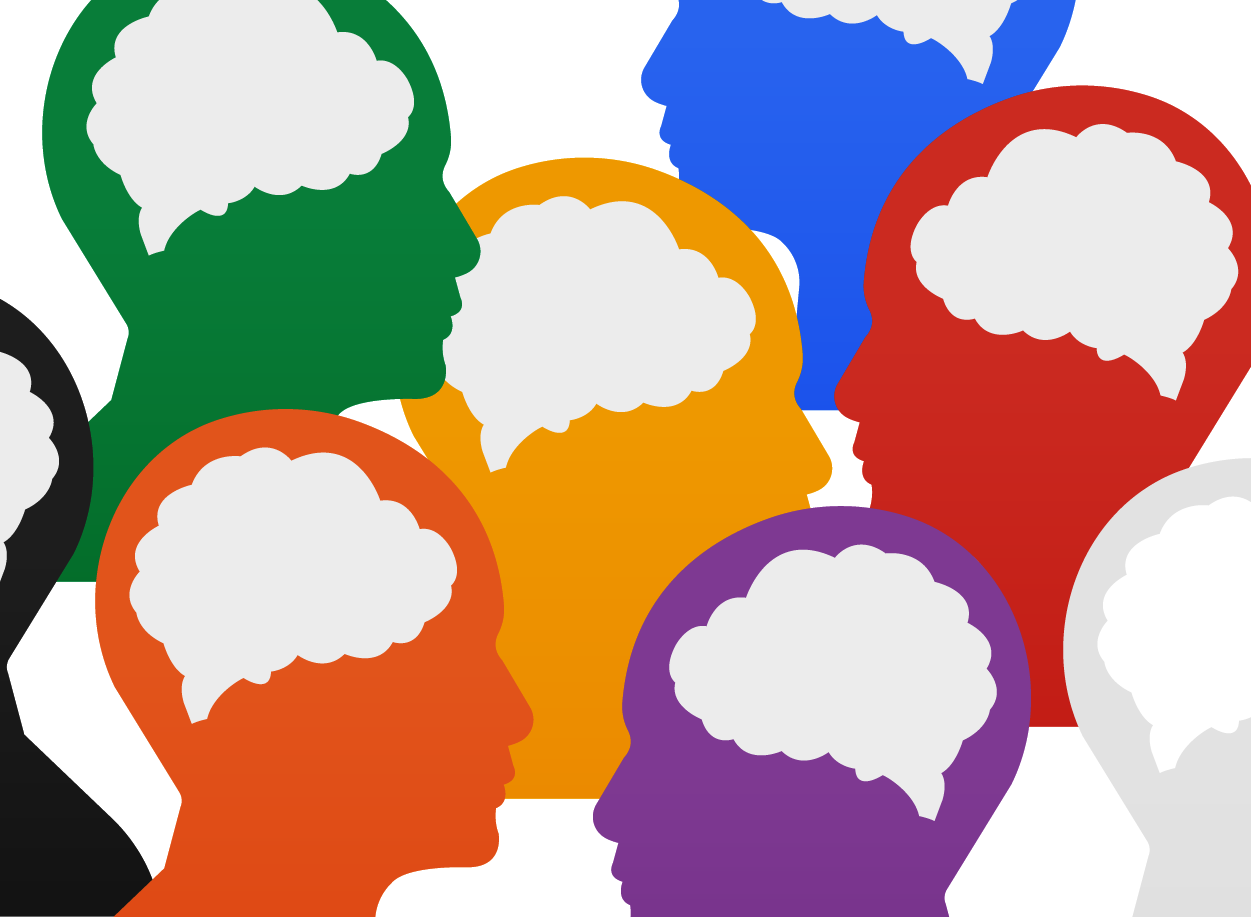
With the immense variation in the human brain and how it thinks, learns, and behaves, there can be difficulty in separating what is relatively average and what may be a cause for concern with impacting mental functioning, even with tools like the DSM. The term neurodivergence refers to any condition that displays itself through differences in cognitive function, sensory processing, or response to stimulus from what is considered neurotypical or cognitively normal (Yergeau, 2018). While we’ve mentioned that there is no single standard of a normal brain, this concept of being neurotypical or cognitively normal is based on what is in line with the expectations of society (Chapman & Botha, 2023).
Examples of neurodivergence include, but are not limited to, the following:
EXAMPLE
While neurodivergence is about differences, it is not about deficits. There are many kinds of neurodivergence that have particular strengths. Research has shown that people with ASDs are often very strong at attention to detail and working with complex systems. People with ADHD have greater levels of creativity than populations without it (Armstrong, 2015).Countering stigma or negative viewpoints about an individual’s personal characteristics or traits is important to address in the realm of mental health. Despite common misperceptions, having a mental health disorder is not a choice, a lack of willpower, a weakness, or a character flaw (SAMHSA, 2023). However, harmful stereotypes and stigma around mental health disorders still exist. Some stereotypes include views that people with mental health disorders as potentially violent, dangerous, and incompetent, or views that they are seeking attention and should just get over it.
These types of preconceptions about people with mental health disorders are often based on ignorance and false information. Very few people with mental health disorders are dangerous to society. Most can hold jobs, attend school, and live independently. A person with a mental health disorder cannot simply decide to get over it any more than someone with a different chronic disease such as diabetes, asthma, or heart disease.
Stigmas against individuals with mental health disorders lead to injustices, including discriminatory decisions regarding housing, employment, and education. Many people who successfully manage their mental health disorder report that the stigma they face is in many ways more disabling than the illness itself.
IN CONTEXT
Research on mental health stigma in the workplace found that more than one in three employees were concerned about negative effects, or even being fired if they needed mental health care (American Psychological Association, 2023).
Stigmatizing attitudes can lead to feelings of shame and guilt, loss of self-esteem, social dependence, and a sense of isolation and hopelessness. One of the worst consequences of stigma is that people who are struggling with a mental health disorder may be reluctant to seek treatment that, in most cases, would significantly relieve their symptoms.
One way that each of us can combat stigma related to mental health is in the words we choose and use when talking about people with mental health disorders.
Use person-first language rather than labeling someone with their condition. Rather than saying, “She is bipolar”, using the preferred language, we could say, “She is a person with bipolar disorder”. This puts the focus on the person and avoids making their mental health disorder the defining characteristic of who they are (American Psychiatric Association, 2023).
EXAMPLE
Person-first language is preferred when talking about people in general, not just in the context of mental health. Instead of saying, “They are a disabled person”, it is preferred that you say, “They are a person with a disability.” Or, instead of saying, “They are an alcoholic”, it is preferred that you say, “They are a person with an alcohol use disorder.”Source: THIS TUTORIAL HAS BEEN ADAPTED FROM (1) "WELLNESS" BY EXTENDED LEARNING INSTITUTE (ELI)" AT NOVA. ACCESS FOR FREE AT: oer commons. (2) "HEALTH EDUCATION" BY COLLEGE OF THE CANYONS. ACCESS FOR FREE AT: open.umn.edu. LICENSING (1 & 2): CREATIVE COMMONS ATTRIBUTION 4.0 INTERNATIONAL..
Disclaimer: The use of any CDC and United States government materials, including any links to the materials on the CDC or government websites, does not imply endorsement by the CDC or the United States government of us, our company, product, facility, service, or enterprise.
REFERENCES
American Psychiatric Association (2023). DSM: frequently asked questions. www.psychiatry.org/psychiatrists/practice/dsm/frequently-asked-questions
American Psychiatric Association (2023). What is mental illness? www.psychiatry.org/patients-families/what-is-mental-illness
American Psychiatric Association (2023). Stigma, prejudice, and discrimination against people with mental illness. www.psychiatry.org/patients-families/stigma-and-discrimination
American Psychiatric Association (2023). Words matter: reporting on mental health conditions. www.psychiatry.org/news-room/reporting-on-mental-health-conditions
Armstrong, T. (2015). The myth of the normal brain: Embracing neurodiversity. AMA Journal of Ethics, 17(4), 348-352. journalofethics.ama-assn.org/article/myth-normal-brain-embracing-neurodiversity/2015-04
Baumer, N., and J. Frueh (2021). What is neurodiversity? Harvard Health Publishing. www.health.harvard.edu/blog/what-is-neurodiversity-202111232645
Centers for Disease Control and Prevention (2021). Adverse childhood experiences (ACEs): preventing early trauma to improve adult health. www.cdc.gov/vitalsigns/aces/index.html
Centers for Disease Control and Prevention (2021). Loneliness and social isolation linked to serious health conditions. www.cdc.gov/aging/publications/features/lonely-older-adults.html
Centers for Disease Control and Prevention (2023). About mental health. www.cdc.gov/mentalhealth/learn/index.htm
Chapman, R., & Botha, M. (2023). Neurodivergence‐informed therapy. Developmental Medicine & Child Neurology, 65(3), 310-317. doi.org/10.1111/dmcn.15384
Greenstein, L. (2017). How you can stop mental illness stigma. National Alliance on Mental Illness. www.nami.org/Blogs/NAMI-Blog/May-2017/How-You-Can-Stop-Mental-Illness-Stigma
Harvard Health Publishing (2022). What causes depression? Harvard Medical School. www.health.harvard.edu/mind-and-mood/what-causes-depression
Horwitz, Allan V. (2021). DSM: a history of psychiatry’s bible. Johns Hopkins University Press. www.press.jhu.edu/newsroom/dsm-history-psychiatrys-bible
Insel, Claire E., Walton T. Roth, and Paul M. Insel (Eds.) (2022). Connect Core Concepts in Health, 17th ed. New York: McGraw-Hill Education. ISBN: 978-1-264-14465-5.
Mayo Clinic (2022). Mental illness: overview. www.mayoclinic.org/diseases-conditions/mental-illness/symptoms-causes/syc-20374968
Mayo Clinic (2022). Mental illness: diagnosis. www.mayoclinic.org/diseases-conditions/mental-illness/diagnosis-treatment/drc-20374974
Mushtaq, R., Shoib, S., Shah, T., & Mushtaq, S. (2014). Relationship between loneliness, psychiatric disorders and physical health ? A review on the psychological aspects of loneliness. Journal of clinical and diagnostic research : JCDR, 8(9), WE01–WE4. doi.org/10.7860/JCDR/2014/10077.4828
National Alliance on Mental Illness (2023). Mental health by the numbers. NAMI. www.nami.org/mhstats
National Institute of Mental Health (2021). Chronic illness and mental health: recognizing and treating depression. www.nimh.nih.gov/health/publications/chronic-illness-mental-health
Substance Abuse and Mental Health Services Administration (2023). Living well with serious mental illness. www.samhsa.gov/serious-mental-illness
Substance Abuse and Mental Health Services Administration (2023). Mental health and substance use co-occurring disorders. www.samhsa.gov/mental-health/mental-health-substance-use-co-occurring-disorders
World Health Organization (2022). Mental health. www.who.int/news-room/fact-sheets/detail/mental-health-strengthening-our-response
World Health Organization (2022). COVID-19 pandemic triggers 25% increase in prevalence of anxiety and depression worldwide. www.who.int/news/item/02-03-2022-covid-19-pandemic-triggers-25-increase-in-prevalence-of-anxiety-and-depression-worldwide
Yergeau, M. (2018). Authoring autism: On rhetoric and neurological queerness. Duke University Press.



