Table of Contents |
There are many health conditions that public and community health attempts to address across various populations. As you have seen in our discussion on disease surveillance, populations experience different health outcomes related to disease. One area of surveillance within public and community health is maternal and child health (MCH). MCH refers to the health outcomes of mothers, infants, children, and adolescents. It encompasses a comprehensive package of health care services designed to meet the promotive, preventive, curative, and rehabilitative needs of this vulnerable population.
Broken down further, maternal health specifically focuses on women during pregnancy, childbirth, and the postnatal (after birth) period. Maternal health goals are to ensure that each stage of pregnancy and childbirth is a positive experience, allowing women and their babies to reach their full potential for health and well-being. Unfortunately, maternal mortality remains a significant concern globally. In 2020, approximately 287,000 women died during childbirth or following pregnancy and childbirth (World Health Organization [WHO], 2024). Some direct causes of maternal injury and death include excessive blood loss, infection, high blood pressure, unsafe abortion, and obstructed labor. Indirect causes include anemia, malaria, and heart disease.
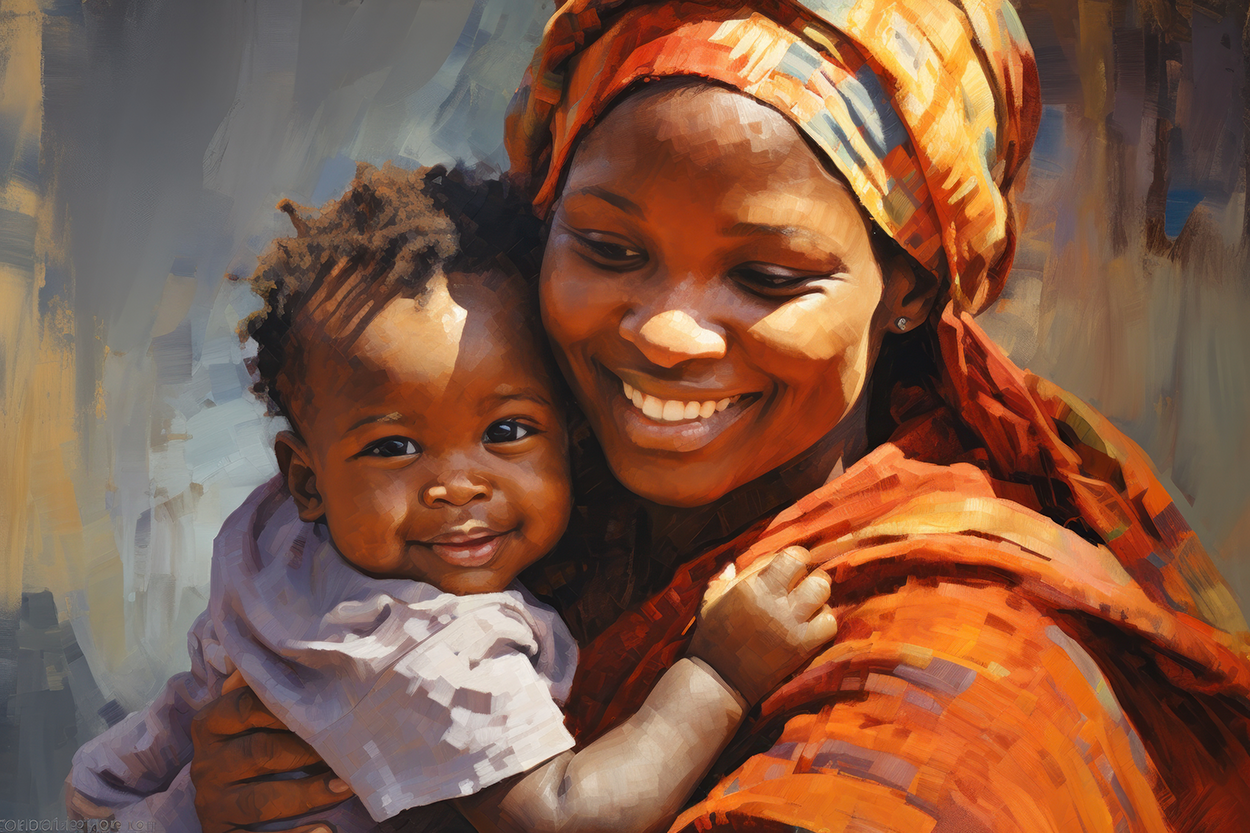
Most maternal deaths are preventable with timely management by skilled health professionals in supportive environments. Beyond survival, successful maternal health care involves addressing inequalities related to sexual and reproductive health, gender, and access to high-quality maternity care (WHO, 2024).
Child health encompasses the well-being of infants, children, and adolescents. It includes various aspects such as nutrition, immunization, growth and development monitoring, and disease prevention. Key interventions focus on reducing child mortality, promoting healthy growth, and preventing childhood illnesses. Ensuring access to essential health services during early childhood is critical for lifelong health and well-being.
MCH issues impact various populations in the United States and around the world. Some of the affected populations reside in low-income and developing countries, where there is high maternal and child mortality due to malnutrition, inadequate sanitation, and limited access to quality health care. Poor communities in the United States also experience issues related to MCH, and maternal mortality disproportionately affects women in these regions. Lack of skilled birth attendants (e.g., midwives), poor infrastructure, and cultural factors contribute to maternal deaths during childbirth. Child mortality is also a significant concern. Factors such as infectious diseases (e.g., malaria, pneumonia, and diarrhea), malnutrition, and inadequate immunization coverage all contribute to child deaths.
Populations located in rural and remote areas are also affected by MCH issues. Populations that reside in these areas face challenges related to accessing health services. These areas often lack health facilities, skilled health workers, and transportation. Pregnant women and children in these regions may not receive timely prenatal care, vaccinations, or emergency obstetrics services.
IN CONTEXT
Santiago, Dominican Republic
There are many communities located in the Dominican Republic (DR) that are remote and have little access to clinics or hospitals for maternal and child health. Mountain communities are especially vulnerable, because road conditions, weather, and lack of public transportation can all affect the timely transport of a pregnant mother in labor.
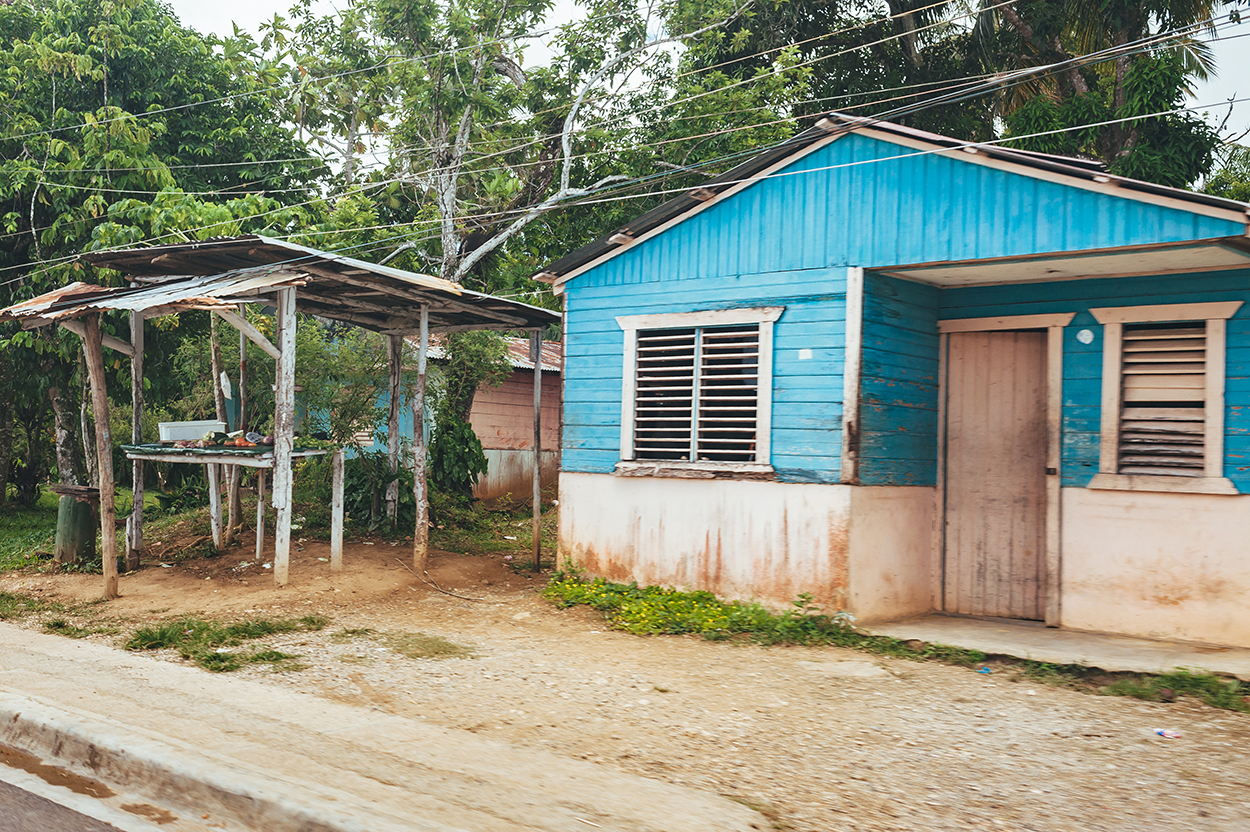
One example is the mountain community of Carrizal in the province of Santiago, DR. The nearest hospital for maternal and child health is the main hospital for women and children in the entire province. Acute services (difficult pregnancies and child health issues) can only be accessed there. This hospital, with good road conditions, is 52 km (about 32 mi) away. The drive, under good conditions, would be over 1.5 hr from Santiago, where there is no public transport. Friends and family would have to drive if they were available and in the community when needed. Available vehicles are likely to be uncomfortable and would offer a rough ride. Unexpected issues with the health of the mother or the unborn child would make this situation untenable and place both mother and child in significant danger.
Globally, adolescent girls (aged 15–19 years) are another population at a higher risk of complications during pregnancy and childbirth. Their bodies are still developing, and they may lack knowledge about reproductive health. Early pregnancies can lead to adverse outcomes for both mothers and children. Teenage mothers often face social stigma and economic hardships. Generally, women with limited education also face issues with MCH because they, too, lack knowledge of reproductive health, family planning, and nutrition. This can hinder their ability to seek appropriate pre- and postnatal care. Globally, maternal issues are the second leading cause of death in girls aged 15–19 years (United Nations Children’s Fund, 2024).
Indigenous and ethnic minority groups often experience health disparities. They may have limited access to health services, face discrimination, and have unique cultural practices that are not considered in Western medical facilities. Further, this group has a higher rate of maternal and child mortality due to the social determinants of health.
The U.S. government funds and collaborates with various public health agencies like HRSA (Health Resources and Services Administration) to prioritize and fund MCH efforts. Further, HRSA established the Maternal and Child Health Bureau, whose mission is to strengthen the public health systems to meet the needs of America’s mothers, children, and families (HRSA, n.d.). Public health approaches include implementing evidence-based strategies to reduce racial and ethnic disparities in health outcomes (Centers for Disease Control and Prevention, 2024). Some of the approaches consider addressing diabetes, blood pressure, substance use, mental health issues such as depression, pregnancy complications, preterm birth, and access to prenatal care.
Maternal and child health disparities persist across diverse populations. Efforts to improve MCH outcomes should focus on equitable access to quality care and education and addressing social and economic factors that influence health.
Source: THIS TUTORIAL WAS AUTHORED BY SOPHIA LEARNING. PLEASE SEE OUR TERMS OF USE.
REFERENCES
Centers for Disease Control and Prevention. (2024, May 15). Maternal and infant health: An overview. Downloaded from: www.cdc.gov/maternal-infant-health/about/?CDC_AAref_Val=https://www.cdc.gov/reproductivehealth/maternalinfanthealth/index.html
Health Resources and Services Administration. (n.d.). Who we are. mchb.hrsa.gov/#:~:text=The%20Maternal%20and%20Child%20Health,with%20special%20health%20care%20needs
Hoyert, D. L. (2024). Maternal mortality rates in the United States, 2022. Centers for Disease Control and Prevention. www.cdc.gov/nchs/data/hestat/maternal-mortality/2022/maternal-mortality-rates-2022.pdf
United Nations Children’s Fund. (2024). Early childbearing can have severe consequences for adolescent girls. data.unicef.org/topic/child-health/adolescent-health/
World Health Organization. (n.d.). Maternal health. www.who.int/health-topics/maternal-health#tab=tab_1



