Table of Contents |
According to the Health Promotion Glossary (1998, as cited in the World Health Organization [WHO], n.d.), health promotion enables people to increase control over and improve their health. The origins of health promotion are at the first International Conference on Health Promotion held in Ottawa, Canada, in 1986. The conference was mainly a response to the growing expectations of a new public health movement worldwide. Global principles and action objectives for health promotion have been established at the WHO Global Health Promotion conferences since then. A key health promotion strategy includes health education, which empowers individuals with the knowledge to make healthier choices. This can be executed through courses, training, workshops, support groups, and materials like brochures and videos. Health communication like public service announcements (PSAs), health fairs, mass media campaigns, and newsletters helps to get health education and health information out to communities. Creating an environment that supports healthy behaviors through policy, systems, and environmental changes is a part of health promotion strategies. This is achieved through implementing laws, regulations, and policies that promote health, such as smoke-free zones and creating safe spaces for physical activity.

Community engagement, as described throughout this course, means involving community members in health promotion activities and developing relationships with partners while organizing community events and fostering local health initiatives (WHO, n.d.). Influencing public policy and resource allocation to support health through advocacy means lobbying, public campaigns, and partnerships with organizations to promote health equity.
Health promotion involves empowering individuals and communities, fostering public health leadership, promoting intersectoral action, and creating sustainable health systems. Health promotion can be implemented in specific settings like schools, workplaces, and residential areas to address health determinants. Health promotion addresses the triple burden of diseases (communicable, noncommunicable, and emerging diseases) and is crucial for achieving positive health outcomes globally (Kumar & Preetha, 2012). These strategies are designed to address the social determinants of health, reduce health disparities, and improve overall health. They are essential for building resilient and healthy communities.
There are some key agencies in the United States that lead the way in health promotion strategies. Many have been highlighted throughout this course, such as the Centers for Disease Control and Prevention (CDC), National Institutes of Health (NIH), Substance Abuse and Mental Health Services Administration (SAMHSA), Health Resources and Services Administration (HRSA), Agency for Healthcare Research and Quality (AHRQ), and the Office of Disease Prevention and Health Promotion (ODPHP). These agencies collaborate with various partners, including state and local health departments, nonprofit organizations, and community groups, to implement comprehensive health promotion strategies.
Health promotion strategies in public health and levels of prevention are interconnected constructs that aim to improve population health. Health promotion emphasizes a positive and holistic view of health. It aims to improve or maintain health in populations. Prevention strategies aim to avoid disease, injury, or the worsening of existing conditions and associated risk factors. All levels of prevention contribute to achieving a healthy population by averting specific morbidities and promoting overall well-being.
In Unit 1 of this course, you learned that there were three levels of prevention to control disease. Recall that these were primary, secondary, and tertiary prevention. Primary prevention is about reducing risk factors and promoting health before a disease occurs. Secondary prevention focuses on the early detection of diseases, which allows for interventions that can prevent the progression of diseases and mitigate their impact. And tertiary prevention focuses on managing existing (chronic) diseases in the early stages to prevent complications and further damage. These topics were introduced in Unit 1 mainly to explore prevention of the onset of disease and its control and management. In this section, we will explore these same levels of prevention by applying them to the issue of access to clean water in public and community health. The strategies proposed for this public and community health issue can also be used for other public and community health issues.
As previously mentioned, primary prevention aims to prevent public and community health issues before they occur by addressing the root causes and implementing proactive measures. Here are several examples to consider for access to clean water. Primary prevention strategies could include elements such as infrastructure development, sanitation improvements, hygiene education, water quality monitoring, policy and regulation, and community engagement.

Infrastructure development means building and maintaining safe water supply systems, including wells, pipelines, and treatment facilities, to ensure that communities have reliable access to clean water. Individuals living in the following communities have a diminished capacity to deliver safe drinking water and may face increased exposure to unsafe drinking water (American Public Health Association, 2019):
IN CONTEXT
Source Water Protection Program
One notable primary prevention project for access to clean water in the United States is the Source Water Protection Program by the Environmental Protection Agency (EPA). This program focuses on protecting sources of drinking water from contamination through various proactive measures. Assessment and planning on this project mean identifying potential sources of contamination and developing protective plans tailored to local conditions and needs. Engaging local communities in planning and implementation processes to ensure sustainable and effective protection strategies is key to successful outcomes. Collaborating with state and local governments, water utilities, and other interested partners to leverage resources and expertise is important. Providing education and outreach to the public about the importance of source water protection and ways to prevent contamination can ensure sustainable solutions. This program aims to prevent contamination at the source, ensuring that communities have access to safe and clean drinking water, thereby reducing the risk of waterborne diseases and health issues (EPA, 2024).
Hygiene education is also a primary prevention strategy that emphasizes the need for access to clean water. Educating communities about the importance of hygiene practices, such as handwashing with soap and safe water storage to reduce the spread of waterborne diseases, is needed to promote healthy behaviors around safe water used in handwashing. Water quality monitoring refers to regularly testing water sources for contamination and taking corrective actions when necessary to ensure water safety and to prevent waterborne disease. Enforcing laws and regulations that protect water sources from pollution and overuse and ensuring that water standards are met are also part of primary prevention methods. As mentioned above, involving local communities in water management and decision-making processes to ensure sustainable and culturally appropriate solutions is imperative (WHO, 2023).
These measures help prevent disease and health issues related to unsafe water and other public and community health issues, contributing to overall health promotion and public health improvements.
Continuing with the public and community health issue of access to clean water, secondary prevention methods aim to detect and address water contamination issues early to prevent them from worsening and causing more significant health problems. Secondary prevention strategies can sometimes overlap with primary prevention and include regular monitoring, public notification, interim solutions, source control, health surveillance, remediation efforts, and education and outreach.
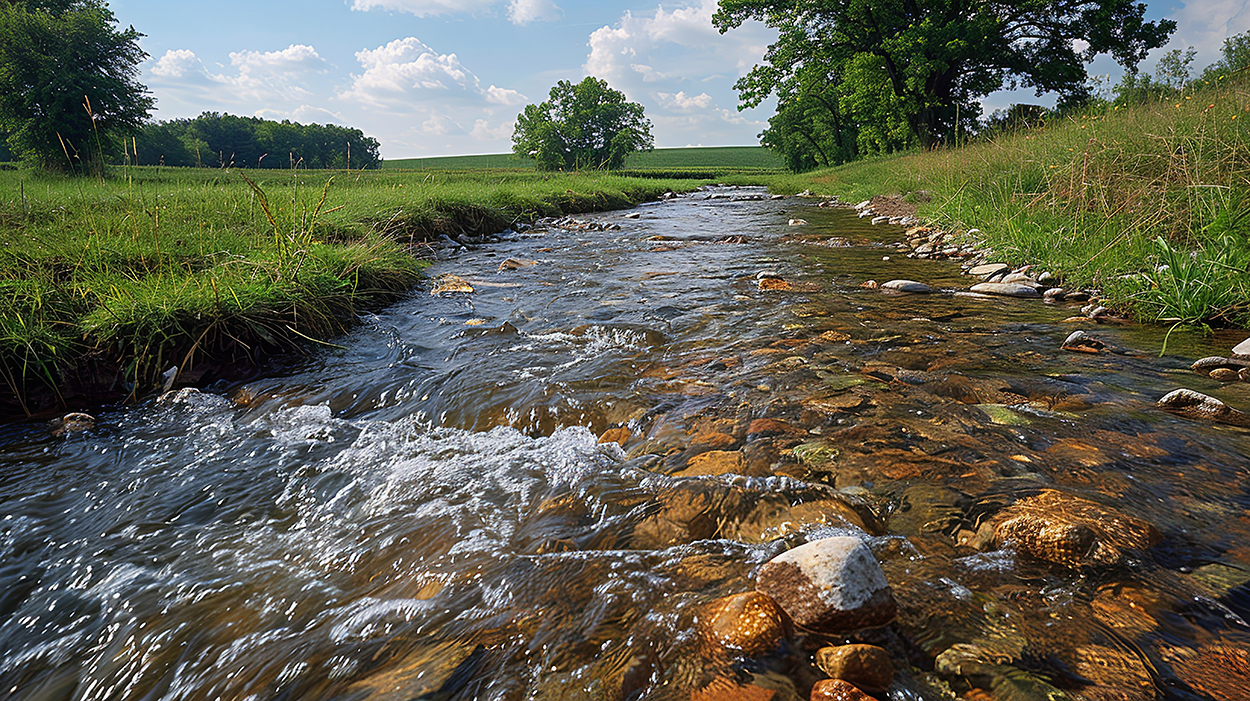
Regular monitoring refers to conducting frequent testing of water sources to detect contaminants early. This includes testing for bacteria, chemicals, and other pollutants. Public notification informs the community promptly if contamination is detected, along with guidance on how to avoid exposure, such as using bottled water or boiling water before use. Some interim solutions are meant to provide temporary measures to ensure safe water access, such as distributing bottled water or installing point-of-use water filters. Identifying and mitigating the sources of contamination, such as repairing leaking sewage systems, controlling agricultural runoff, or addressing industrial discharge, is a form of secondary prevention called source control. Health surveillance is the monitoring of the health of the community residents for signs of waterborne diseases and providing medical care and advice to those affected.
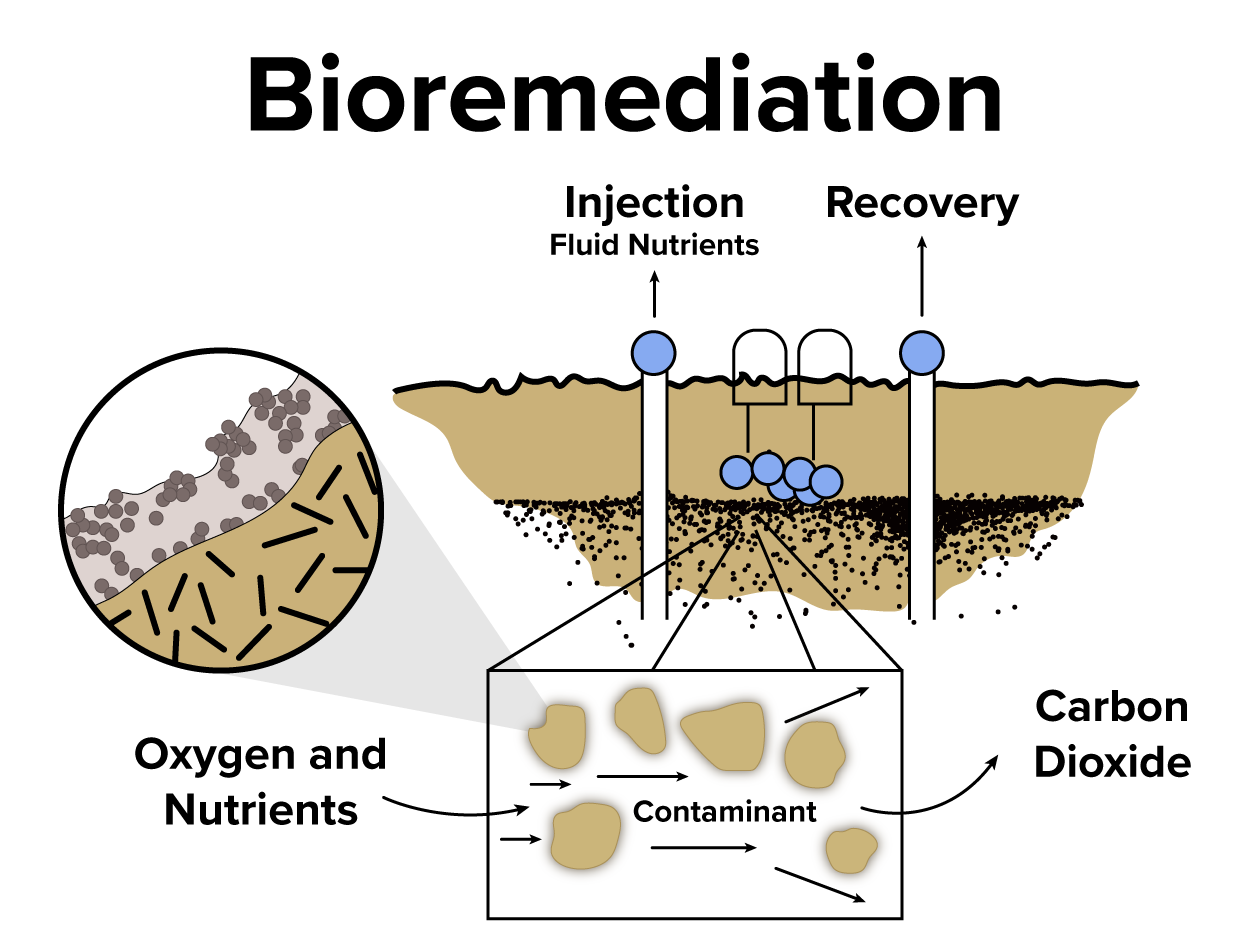
Remediation efforts mean implementing cleanup and remediation projects to remove contaminants from water sources. This might involve techniques such as filtration, chemical treatment, or bioremediation. The bioremediation process uses microorganisms, such as bacteria and fungi, to break down and remove contaminants from water and soil. Microorganisms metabolize pollutants, converting them into less harmful substances (EPA, 2012).
Finally, educating the community about the risks of contaminated water and safe practices to reduce further exposure, such as proper water storage and postcontamination hygiene practices, is also a secondary prevention strategy. These methods help manage and mitigate the impact of water contamination, protecting public health while long-term solutions are developed and implemented.
Secondary prevention is about early detection and preventing the water from becoming more contaminated before it really has a chance to impact the health of the people and the community. Once the water is contaminated, such as from historical and ongoing pollution, tertiary prevention is about reducing the impact and harm to the communities and residents from the already contaminated water.
Earlier in this course, the water crisis in Flint, Michigan, was presented as a case study, wherein the water supply was switched from Detroit’s water system to the Flint River as a cost-saving measure. The water from the Flint River was not adequately treated to prevent pipe corrosion, resulting in lead leaching into the water supply. Residents complained about the water’s taste, smell, and appearance and reported health issues like skin rashes, hair loss, and itchy skin. The contaminated water contributed to a significant increase in blood lead levels, especially among children, which can lead to long-term health problems. The tertiary prevention approach to this crisis would include addressing the medical treatment needed to mitigate the health impact of the water, as well as reducing other harms while the water crisis continued, such as testing the blood levels of children for lead exposure and follow-up health services for the impacted families. This water crisis is a stark reminder of the critical importance of maintaining safe water supplies and the devastating consequences when public trust and safety are compromised.

Health monitoring and medical treatment include health screenings and medical interventions for populations affected by contaminated water to manage and treat health conditions resulting from exposure. Remediation of contaminated sites involves cleaning up polluted water sources and surrounding environments to reduce ongoing exposure. This includes removing contaminants from soil and water through various methods like filtration, chemical treatments, and bioremediation.
Some control measures that may mitigate the impact of contaminated water include installation of water purification systems, distribution of bottled water, or connecting communities to alternative safe water sources to provide access to safe drinking water. Also, educating affected communities about the risks of contaminated water and ways to minimize exposure reduces the impact. This includes providing information on safe water practices and encouraging behaviors that reduce health risks (CDC, n.d.). Further, strengthening and enforcing regulations to prevent further contamination can protect public health. This involves monitoring compliance with environmental standards and taking corrective actions against violators. Offering social and psychological support services to communities dealing with the impacts of water contamination is necessary for tertiary prevention. This can include counseling, community engagement support groups, and assistance programs. These strategies aim to protect and improve the health of communities already impacted by water contamination, ensuring that they have the resources and support needed to manage and mitigate the effect.
Source: THIS TUTORIAL WAS AUTHORED BY SOPHIA LEARNING. PLEASE SEE OUR TERMS OF USE.
Disclaimer: The use of any CDC and United States government materials, including any links to the materials on the CDC or government websites, does not imply endorsement by the CDC or the United States government of us, our company, product, facility, service, or enterprise
REFERENCES
American Public Health Association. (2019, November 5). Drinking water and public health in the United States [Policy statement]. www.apha.org/policies-and-advocacy/public-health-policy-statements/policy-database/2020/01/13/drinking-water-and-public-health-in-the-united-states
Centers for Disease Control and Prevention. (n.d.). Control outbreak through remediation and outreach. www.cdc.gov/healthywater/emergency/waterborne-disease-outbreak-investigation-toolkit/control-outbreak.html
Environmental Protection Agency. (2012, September). A citizen’s guide to bioremediation [Fact sheet]. www.epa.gov/sites/default/files/2015-04/documents/a_citizens_guide_to_bioremediation.pdf
Environmental Protection Agency. (2024, March 24). Source water protection program. www.epa.gov/climate-change-water-sector/source-water-protection-program
Kumar, S., & Preetha, G. S. (2012). Health promotion: An effective tool for global health. Indian Journal of Community Medicine, 37(1), 5–12. doi.org/10.4103/0970-0218.94009
World Health Organization. (n.d.). Health promotion. www.who.int/health-topics/health-promotion
World Health Organization. (2023, June 28). Improving access to water, sanitation and hygiene can save 1.4 million lives per year, says new WHO report. www.who.int/news/item/28-06-2023-improving-access-to-water--sanitation-and-hygiene-can-save-1.4-million-lives-per-year--says-new-who-report



