The history of health legislation in the United States is multifaceted and has evolved over time. What follows is a brief historical timeline of some legislation that has been passed to address health in the United States. It would be too vast a task to cover all the laws passed for health care in the United States. These laws are a few of the most impactful on public and community health.
At the turn of the 20th century, health care was virtually unregulated, and health insurance did not exist. Physicians practiced in patients’ homes, and hospitals provided minimal therapeutic care. Both physicians and hospitals operated without regulation. Patients paid modest fees out-of-pocket and were more concerned about lost wages due to illness than medical costs. Medical science and technology were primitive. Licensure and higher medical standards were adopted once the American Medical Association (AMA) was established, and early health law focused on professional autonomy. By the 1920s, medical care costs rose due to demand and quality standards. This was a time of self-governance by the profession, which evolved and shaped the U.S. health care landscape.

The emergence of patients’ rights marked a significant shift in the paradigm of U.S. health care. In early law, patients’ rights stemmed from the understanding that health care consumers had certain expectations and needs that health care providers should address. These interests persisted even after entering a relationship with a physician or health care facility. Physicians and health care providers did not always recognize those rights. Over the years, laws have been passed that promote patient rights (such as protection of privacy around health information and access to health information). Consumers of health care in the United States began to exercise those rights by creating a strong and respectful alliance with their physicians by asking questions, being candid about symptoms and activities, and expecting that health care providers would fulfill their responsibilities to meet patient needs.
The paradigm began to shift again from a focus on patient rights into one of law and economics. Policymakers grappled with the rising costs of health care impacting consumers’ disposable income and state budgets. In recent decades, economic considerations have played a significant role in health care. As mentioned earlier, the United States spends more on health care than any other country. Health spending has risen faster than the overall economy, impacting insurance premiums, out-of-pocket costs, and employer-sponsored health coverage, placing a huge financial burden on consumers of health care. Economic factors drive health care decisions, impact access, and influence policy choices. A well-functioning health care sector is vital for a healthy economy.

The paradigm now focuses on health justice and equity. Health justice is an aspirational goal for scholars, practitioners, and anyone who refuses to accept the status quo of profound inequity in health care. Health justice refers to building power for people disproportionately harmed by health inequity. It also means cultivating their political capacity through advocacy. This may help break the power that keeps health inequities alive. Consciously and systematically deconstructing economic and political forces that perpetuate health inequity breaks its power. The way to do this is through dismantling and breaking down structural barriers through more advocacy, policy change, and challenging unjust systems.
Health care reform, which aims to create a system that provides comprehensive, affordable, and equitable care for all Americans, was needed. These reforms would attempt to address various challenges, enhance access, control costs, and improve overall health outcomes.
Many politicians from both main political parties in the United States have attempted to reform health care in the United States by passing legislation. Many pieces of legislation passed over time have affected the public’s health in areas such as employment and the environment, in addition to health care. Specific pieces of legislation that have significantly impacted public and community health are described below.
The Civil Rights Act was signed into law by President Lyndon B. Johnson, which outlaws discrimination based on race, color, religion, sex, or national origin. The law prohibits unequal application of voter registration requirements and racial segregation in schools, employment, and public accommodations. Title VI of the act prevents discrimination by programs and activities that receive federal funds, including hospitals and other health care facilities (National Health Law Program, n.d.). The provisions of the Civil Rights Act affecting public health ensure equal access to health care services for all individuals, regardless of their background. While there are still limitations in achieving complete health equity, this act has contributed to preventing Black infant deaths over decades (Schweikart, 2021).
President Johnson signed Title XVIII and XIX of the Social Security Act into law on July 30, 1965. Title XVIII established Medicare, providing public health coverage to seniors over the age of 65. Title XIX established Medicaid, providing health care coverage for people with low incomes. Both programs contribute significantly to public health by expanding coverage, improving health behaviors, and responding to emerging health challenges. Both programs provide health insurance for vulnerable populations, provide access to care and preventive screenings, and lower mortality rates.
The amendments removed national origin quotas for immigrants that had stood for decades, clearing the way for mass immigration. For supporters of the law, these immigrants strengthened the American economy. To detractors, they have been a burden, especially for native-born Americans who face new competition for jobs. The impact of this act on public health includes identifying communicable diseases that would trigger the inadmissibility of immigrants into the United States. It intends to prevent the importation of infectious diseases into the United States by enhancing disease surveillance, improving public health capacity at border crossings, and supporting outbreak responses (Centers for Disease Control and Prevention, 2024).
The NEPA was established by President Richard Nixon in 1969. NEPA was one of the first laws ever written that established a broad national framework for protecting our environment. The act was meant to ensure that all branches of government consider the environment prior to undertaking federal actions like building highways, airports, buildings, military installations, and parkland purchases. NEPA requires environmental assessments and impact statements to be performed and analyzed before starting the work (EPA, 2023). This act benefits public health by promoting environmental justice by ensuring that populations that are vulnerable and marginalized are included in these analyses.
The EPA is a federal agency in the United States dedicated to safeguarding human health and the environment. Its mission includes addressing climate change, ensuring clean air and water, managing hazardous waste, and promoting environmental justice.

The Clean Air Act Amendments played a key role in the federal government’s preemption of state regulatory authority over the environment and, coming shortly after the first Earth Day, was designed to be a clear signal that environmental regulation and economic growth were not incompatible (Jacobson, 2005). This act significantly impacts public health by cutting pollution levels while the U.S. economy has grown. Cleaner air means lower risks of premature death and serious health effects. This act has prevented over 160,000 air pollution-related deaths annually and reduced incidents of asthma, bronchitis, and heart attacks (EPA, 2024).
The ADA is a crucial U.S. law that protects the rights of individuals with physical and mental disabilities. It was enacted in July 1990 under President George H. W. Bush. The ADA ensures equal opportunities in public accommodations, employment, transportation, state and local government services, and telecommunications. It defines disability as a “physical or mental impairment that substantially limits one or more major life activities.” The ADA impacts employers to promote fair treatment and requires necessary changes for access to public facilities, such as restaurants, theaters, and parks. The ADA champions civil rights and inclusivity for people with disabilities. The impact of the ADA on public health is like the Civil Rights Act of 1964 as it codifies protections to eliminate discrimination barriers. It focuses on those with disabilities, ensuring equal opportunities in employment, community accessibility, health care provision, and overall quality of life.
During President Bill Clinton’s administration in the 1990s, there was a significant focus on creating a Patients’ Bill of Rights (BOR) to protect health care consumers. Some key points to this legislation include appointing an advisory commission to assess changes in the health care system. It made recommendations on measures promoting health care quality, value, and health care consumer protection. President Clinton signed an Executive Memorandum directing federal health plans overseeing 85 million Americans to implement the BOR. This initiative aimed to hold federal health care plans accountable for any harm caused by denying critical care to patients (Clinton White House Archives, 1998).
The BOR had a significant impact on public health by emphasizing essential protections and empowering patients. It ensured that patients could access specialists when necessary, improving care quality and outcomes. Patients gained access to emergency room services without delay, addressing critical health situations promptly. The act offered patients assurances of continuity of care and the ability to appeal decisions of health plans; it encouraged open communication between doctors and patients to inform decision-making, and patients who suffered harm due to health plan actions had recourse through an enforcement mechanism (Clinton White House Archives, 1998).
The Affordable Care Act, also known as “Obamacare” since it was enacted under President Barack Obama, was an attempt at reforming health care in the United States. It aimed to help more people get health insurance and improve how health care works. By expanding coverage, it made sure more Americans could afford medical care. Next, in this lesson, you will delve more deeply into the ACA.

The Patient Protection and Affordability Care Act, referred to as the Affordable Care Act (ACA), is a comprehensive health care reform law that was enacted in March 2010 and significantly impacted public and community health. The ACA extended health coverage to 20 million Americans who previously lacked insurance. This expansion saved lives and improved overall health outcomes (Rapfogel et al., 2020). The ACA codified protections for people with preexisting conditions. A preexisting condition refers to a health condition that exists in someone before the new health insurance coverage starts. The ACA ensured that insurers cannot deny coverage or charge more money based on an individual’s health history (U.S. Department of Health and Human Services, 2022).
Other key features of the ACA include the following:
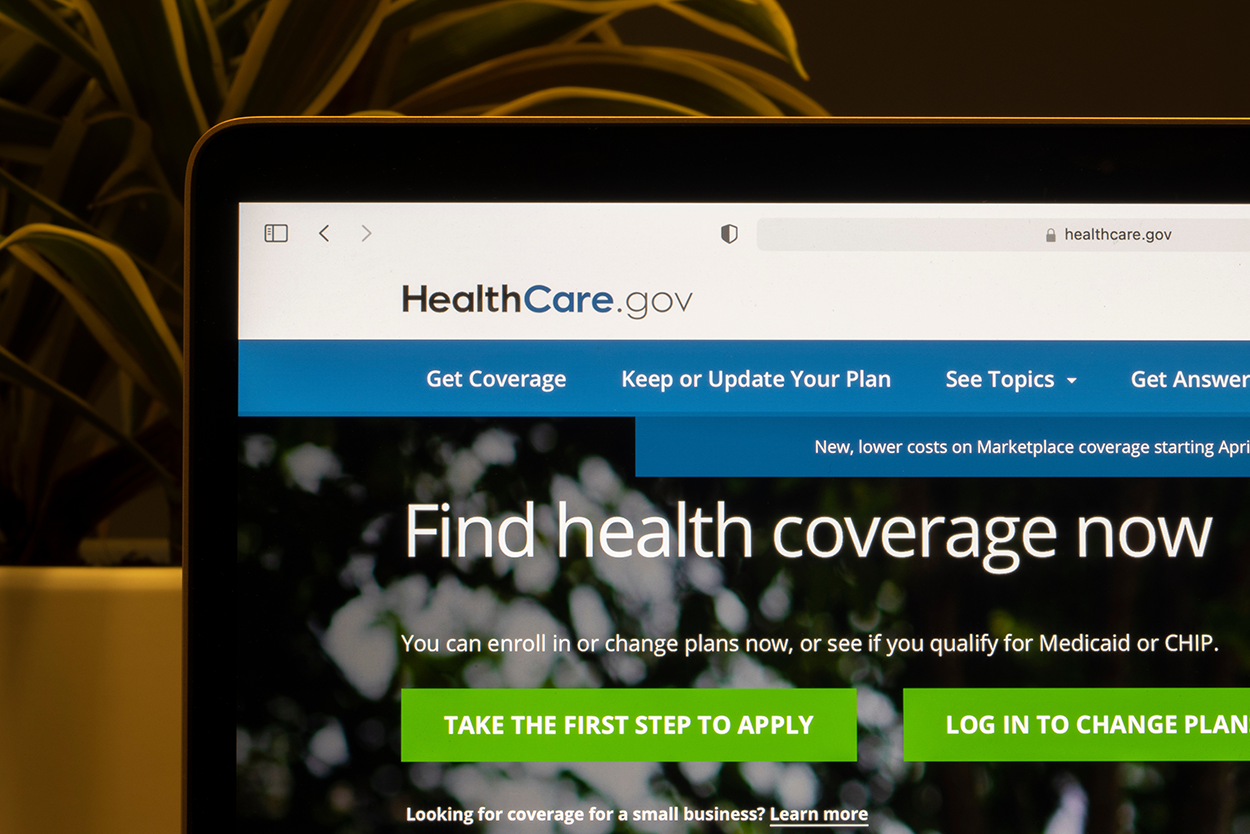
On the marketplace website, you can enter your zip code and answer a few questions about your estimated income and household members. Based on the basic information, you will find health insurance plans with estimated prices available to you. Premium estimates show any savings you may qualify for. The actual Marketplace application provides exact prices after you complete it. During Open Enrollment, anyone can enroll in or change plans. Outside Open Enrollment, you need to qualify for a Special Enrollment Period due to a life event (e.g., losing other coverage, getting married, or having a baby) or based on estimated household income.
The ACA eliminated patient cost sharing for expensive preventive services. The ACA established the Prevention and Public Health Fund, providing mandatory funding for public health initiatives. This means that essential screenings, vaccinations for adults and youth, and preventive care were accessible without financial barriers. Other preventive health services covered included blood pressure and cholesterol screenings, cancer screening such as colonoscopies and mammograms, alcohol misuse screening and counseling, depression screening, and tobacco cessation counseling and intervention (Jordan & Duckett, 2024).
A National Prevention Strategy was also established. It focused on behavioral choices and SDOH. For the first time, the ACA prioritized individual health behaviors and environmental determinants. It improved overall health by supporting proven interventions. The overarching goal of the National Prevention Strategy was to increase the number of Americans who are healthy at every stage of life (Jordan & Duckett, 2024). The ACA has enhanced overall health care quality and controlled rising costs.
Despite its value to vulnerable populations, the ACA faced several challenges. Numerous lawsuits challenged the ACA’s constitutionality, including attempting to invalidate key provisions. Twenty-eight states filed joint or individual lawsuits to strike down the ACA’s individual mandate, stating that it was a violation of state sovereignty and an unfair financial burden on state governments.
The individual mandate was a provision within the ACA that required individuals to purchase minimum essential coverage or face a tax penalty unless they were eligible for an exemption. Supporters argued that the penalty would increase the number of people with health insurance, while opponents believed that health insurance should be a personal choice. The mandate was removed in 2017, but some states have enacted their own mandates without financial penalties. Despite the many lawsuits filed against the ACA, the U.S. Supreme Court upheld the ACA in a June 2021 decision.
| Summary of U.S. Legislation That Affects Public Health | |
|---|---|
| Title of Legislation | Summary |
| Civil Rights Act (1964) | It outlaws discrimination based on race, color, religion, sex, or national origin. The law prohibits unequal application of voter registration requirements and racial segregation in schools, employment, and public accommodations. |
| Medicare and Medicaid (1965) | Title XVIII established Medicare, providing public health coverage to seniors over the age of 65. Title XIX established Medicaid, providing health care coverage for people with low incomes. Both programs contribute significantly to public health by expanding coverage, improving health behaviors, and responding to emerging health challenges. |
| Immigration and Nationality Act amendments (1965) | The amendments removed national origin quotas for immigrants that had stood for decades, clearing the way for mass immigration. |
| National Environmental Policy Act (1969) | NEPA was one of the first laws ever written that established a broad national framework for protecting our environment. The act was meant to ensure that all branches of government consider the environment prior to undertaking federal actions like building highways, airports, buildings, military installations, and parkland purchases. |
| Clean Air Act (1970) | The Clean Air Act amendments played a key role in the federal government’s preemption of state regulatory authority over the environment and, coming shortly after the first Earth Day, was designed to be a clear signal that environmental regulation and economic growth were not incompatible. |
| Americans With Disabilities Act (1990) | The ADA ensures equal opportunities in public accommodations, employment, transportation, state and local government services, and telecommunications. It defines disability as a “physical or mental impairment that substantially limits one or more major life activities.” |
| Patients’ Bill of Rights | Some key points to this legislation include appointing an advisory commission to assess changes in the health care system. It made recommendations on measures promoting health care quality, value, and health care consumer protection. |
| Affordable Care Act (2010) | The Affordable Care Act, also known as “Obamacare” since it was enacted under President Barack Obama, was an attempt at reforming health care in the United States. It aimed to help more people get health insurance and improve how health care works. By expanding coverage, it made sure more Americans could afford medical care. |
Source: THIS TUTORIAL WAS AUTHORED BY SOPHIA LEARNING. PLEASE SEE OUR TERMS OF USE.
Disclaimer: The use of any CDC and United States government materials, including any links to the materials on the CDC or government websites, does not imply endorsement by the CDC or the United States government of us, our company, product, facility, service, or enterprise.
REFERENCES
Centers for Disease Control and Prevention. (2024, May 15). About immigrant and refugee health. www.cdc.gov/immigrant-refugee-health/about/index.html
Clinton White House Archives. (1998, July 16). President Clinton: A good and bi-partisan Patients’ Bill of Rights. clintonwhitehouse3.archives.gov/WH/Work/071698.html
Environmental Protection Agency. (2023, September 6). Summary of the National Environmental Policy. www.epa.gov/laws-regulations/summary-national-environmental-policy-act
Environmental Protection Agency. (2024, April 30). Progress cleaning the air and improving people’s health. www.epa.gov/clean-air-act-overview/progress-cleaning-air-and-improving-peoples-health
Jacobson, L. (2005, May 2). Ten bills that really mattered. Roll Call. rollcall.com/2005/05/02/ten-bills-that-really-mattered/
Jordan, N., & Duckett, P. (n.d.). The Affordable Care Act and public health. Northwestern Public Health Review. sites.northwestern.edu/nphr/the-affordable-care-act-and-public-health/
National Health Law Program. (n.d.). 1964 – The Civil Rights Act. healthlaw.org/announcement/civil-rights-act-of-1964/
Rapfogel, N., Gee, E., & Calsyn, M. (2020, March 23). 10 ways the ACA has improved health care in the past decade. CAP. www.americanprogress.org/article/10-ways-aca-improved-health-care-past-decade/
Schweikart, S. J. (2021). How to apply the Fourteenth Amendment to the Constitution and the Civil Rights Act to promote health equity in the US. AMA Journal of Ethics, 23(3), E235–E 239. journalofethics.ama-assn.org/article/how-apply-fourteenth-amendment-constitution-and-civil-rights-act-promote-health-equity-us/2021-03
U.S. Department of Health and Human Services. (2022, March 17). Pre-existing conditions. www.hhs.gov/healthcare/about-the-aca/pre-existing-conditions/index.html



