Table of Contents |
As you first learned in the lesson La culture: The French-Speaking World, about 50% of French speakers in the world live in Africa; as the population in Africa grows, so does the number of French speakers. This large number of Francophones is due to the previous colonization of many African territories by two French-speaking empires: France and Belgium. We will discuss the French-speaking countries in the Maghreb (the northern portion of Africa) in the later lesson La culture: Le Maghreb (Algeria, Tunisia, Morocco).
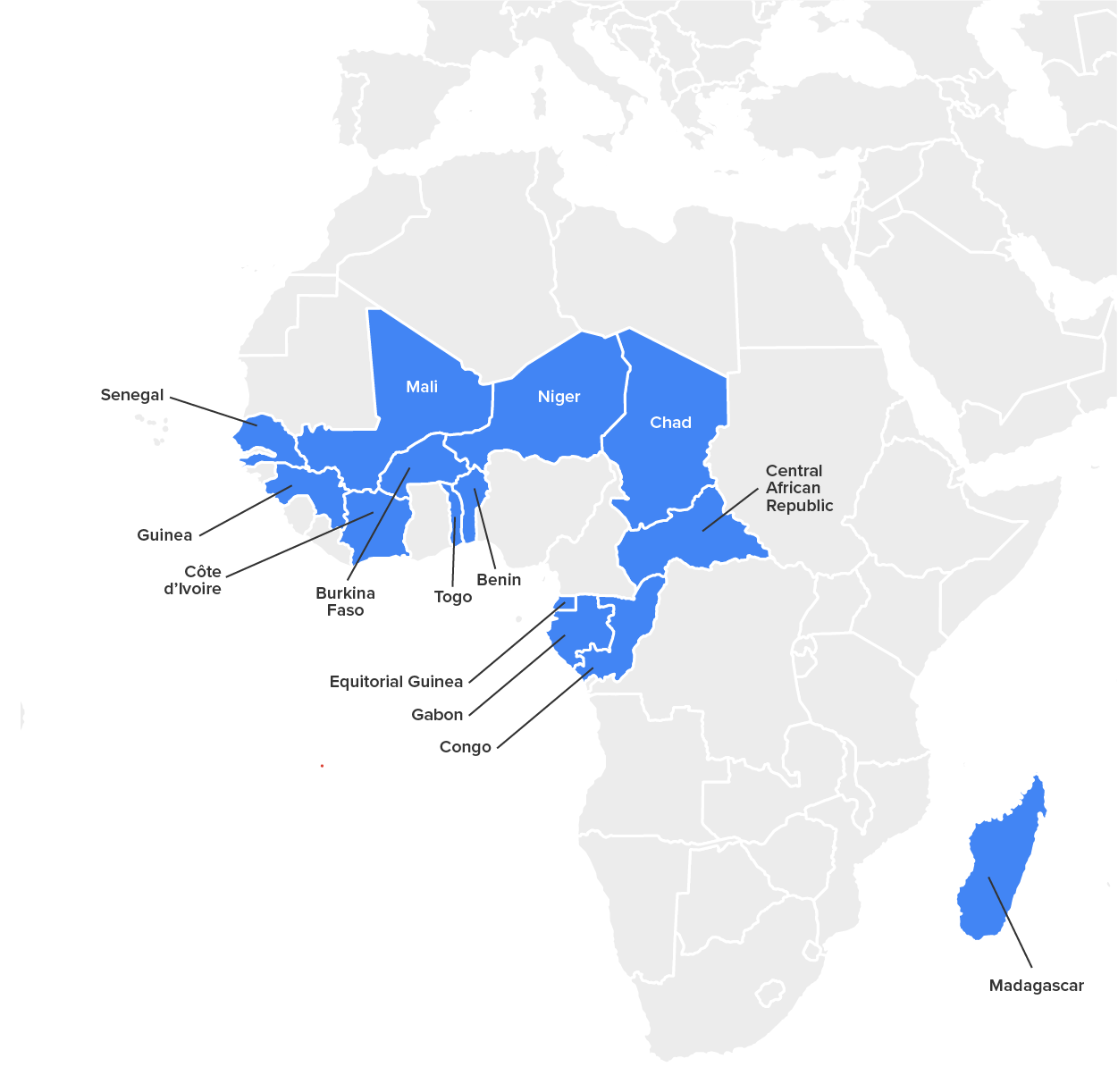
French is one of the official languages in the following African countries, which all used to be French colonies:
|
|
Starting in the 1850s, Sub-Saharan countries were colonized by several European nations. Conflicts rapidly grew as Europeans wanted to claim African countries as their own; this imperialistic rush for conquest was called “The Scramble for Africa.” By the 1900s, Africa had lost control over most of its territories, and countries like France, Belgium, Spain, Portugal, and Germany had taken them over. This explains the variety of European languages that coexist within the African continent to this day, even though African countries gained their independence back little by little during the second half of the twentieth century (mostly between 1950 and 1970).
Obtaining independence was a long and difficult process for some countries. Algeria, for instance, was at war with France from 1954 to 1962. You will learn more about Algeria and other countries from the Maghreb region in the lesson La culture: Le Maghreb (Algeria, Tunisia, Morocco). On the other hand, Chad became independent in 1960 after peacefully negotiating its independence with the French government. No war was fought and the conflict remained merely political and diplomatic.
In turn, linguistic commonalities facilitated the emigration of Africans to Europe. Today, one out of ten citizens of France is of African origin. Almost half of all immigrants in France were born in Africa (mostly in Algeria and other Maghrebin countries, but also in former French colonies in Africa); as of 2021, this represented about 1.2 million people.
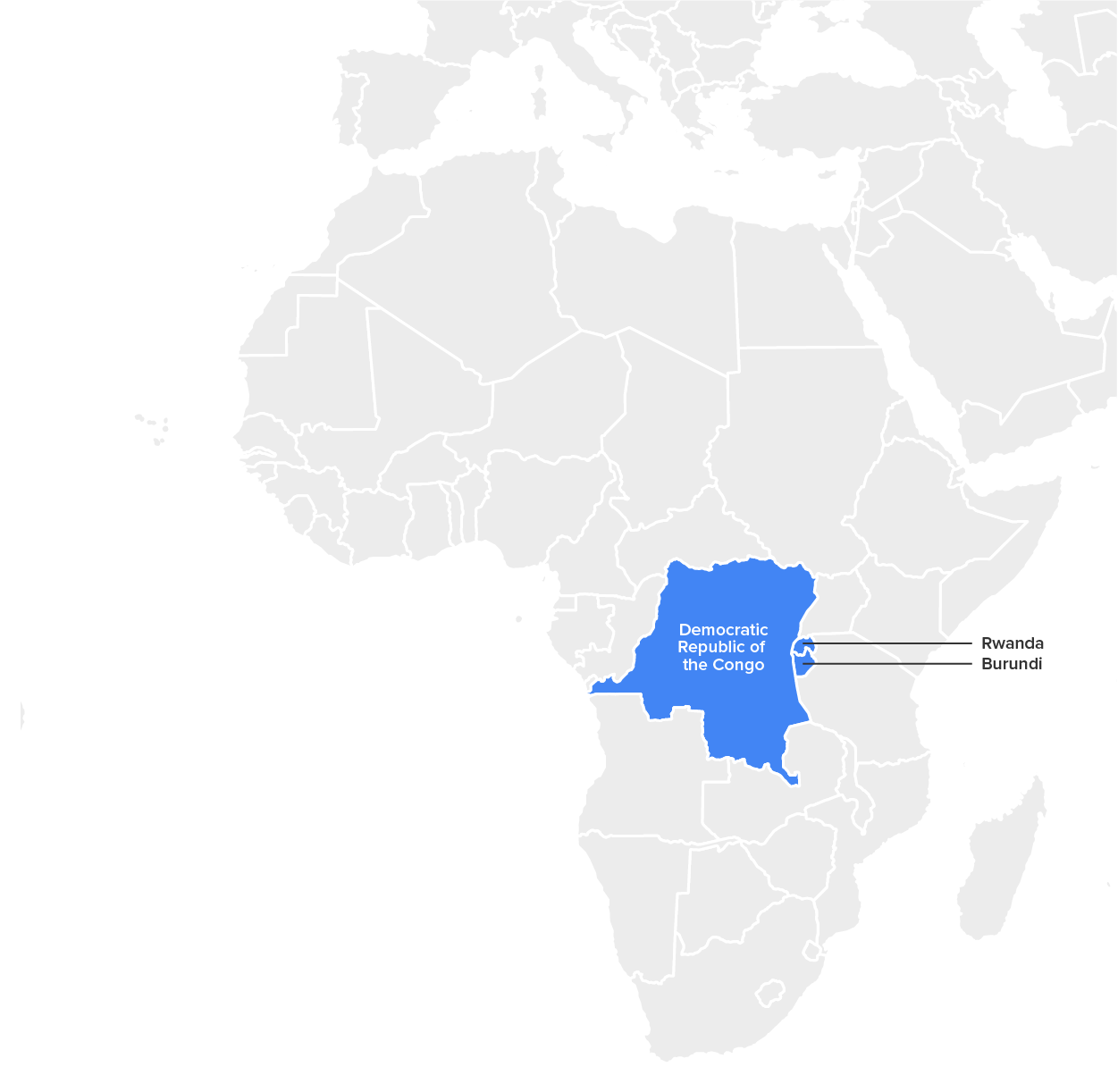 The following countries are former Belgian colonies:
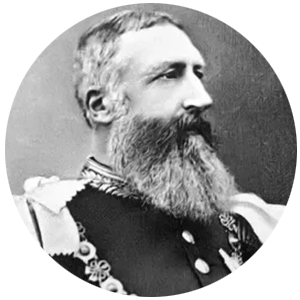
King Leopold II was clear about his desires to colonize Central Africa. While his initial objective was to spread Christianity, economic enrichment was also crucial for Belgium. Belgian colonists invaded Congo and Ruana-Urundi to exploit the area’s natural resources, such as ivory from elephants and rhinoceroses; minerals, such as gold, diamonds, or cobalt; and various agricultural crops, such as rubber, cotton, coffee, and cocoa. Rubber and ivory were considered the fastest and easiest to collect, so focus was mostly put on these two resources. Les Congolais (the Congolese) soon found themselves working for Belgium as forced labor.
Between 1885 and 1908, millions of Congolais were killed due to the extraordinary violence of the Belgian management system. As slaves were forced to collect rubber for Belgium, they would often get their hands cut off if the quality of the rubber was considered inferior; if the quality did not improve, they would then lose a foot, or even get murdered. Entire villages were also burnt as punishment, killing entire village populations. By the time Belgian Congo reached independence, about 10 million Congolais had been killed in what is now called the Congolese genocide. In spite of many philosophers, writers, and politicians pushing for the Belgian government to apologize for its terrible actions, no apologies have been presented yet, although several members of the Belgian Royal family have recently expressed their deepest regrets for the genocide.
11 countries in West and Central Africa have chosen French as their only official language. This is largely attributable to France and Belgium’s aggressive colonial past and their lasting diplomatic and business influence after many African countries gained independence. Because these countries’ government systems mostly kept the French administrative model (e.g., schools are structured similarly, the governmental chain of command resembles that of the French government, etc.) and because the number of French speakers in these countries surpasses the number of speakers of other native languages, they decided to make French their sole official language.
These 11 countries include:
|
|
Seven countries in West Africa, Central Africa, and East of Africa have French as one of their official languages because they have a high number of speakers of other languages. For this reason, many inhabitants in these countries may not speak French, or speak it well:
IN CONTEXT: French as the Lingua Franca
In African countries where inhabitants speak many different languages, such as local dialects and Creole, French is often seen as the lingua franca (a language that is used between speakers whose native languages differ), which explains why French is still widely used today. For the same reason, French also helps these countries communicate with one another, and with the rest of the world, more easily since they all share the same language. In addition, many African countries still have strong economic ties with France and Belgium, so this helps maintain the use of the French language among countries.
Similarly, though many young Africans tend to speak other languages at home, they perceive that speaking French can open many doors, including when studying at the university level or when looking for employment, especially in larger cities where French is often the second language spoken (or even the main one). Speaking French provides additional opportunities: moving to France or Belgium is an option, where more lucrative careers may be available. For this reason, it is possible to see an increase in knowledge and mastery of French, either as a first or second language, among the younger generations.
Besides each country’s capitals and main cities, there are numerous places and landmarks to visit in Francophone Africa. Below are just a few out of a long list of very popular places in a continent full of natural beauty.
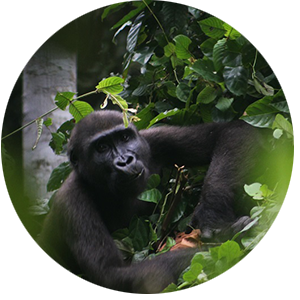 This newly established park is located in a large rainforest and home to hundreds of mammals, birds, and fish living in their natural habitat, including elephants, lions, and crocodiles, but most of all, chimpanzees and gorillas.
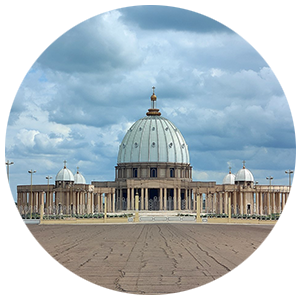 This is the tallest Catholic church in the whole world, with almost 100,000 square feet of stained glass windows and indoor and outdoor seating for several hundreds of thousands. Today, it is maintained by the Vatican.
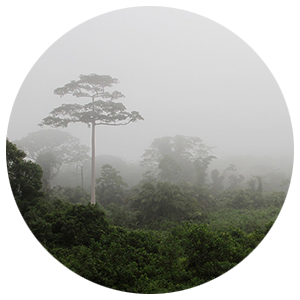 A UNESCO world heritage site, this park is the second-largest primary forest in Africa. It is home to hundreds of animal species, including one of the largest chimpanzee populations in West Africa.
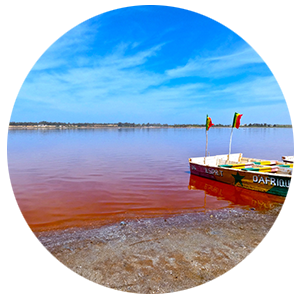 Located 20 miles away from Dakar, Sénégal’s capital, this lake is officially called le lac Retba (Lake Retba) and has a high salt content, which is harvested by people all over West Africa and used to preserve fish. The lake owes its pink coloration to an algae that absorbs more sunlight by producing a red pigment.
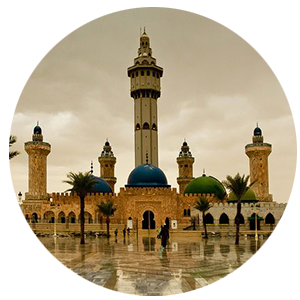 One of the largest mosques in all of Africa, it took several decades to build because of the economic crisis of the 1930s, World War II, and French colonial interference.
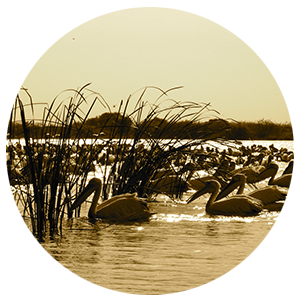 A UNESCO world heritage site, this is the third-largest bird sanctuary in the world and is home to about three million migratory birds, or 350 species of birds, including pelicans, egrets, and gray herons.
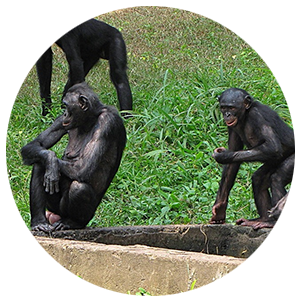 The DRC is the only country in the world where bonobos live, and this sanctuary allows you to see them up close while leaving them at peace in their natural habitat.
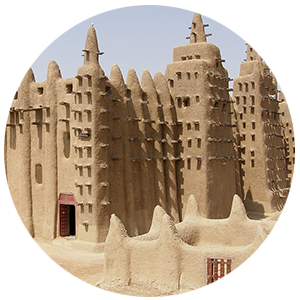 This is the largest building made out of adobe (mudbrick) in the world, which gives it its distinctive earthy color, and is an example of Sudano-Sahelian architecture.
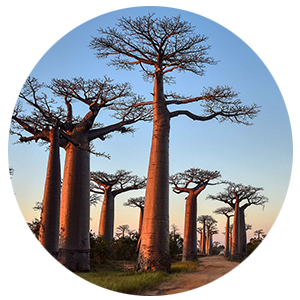 While the island is home to several types of the tree, this location is the best way to see more than 20 very large specimens all at once.
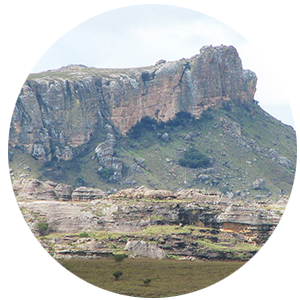 The island has several national parks and reserves, and this is the most-visited one. It is often called “Jurassic Park” because of its large sandstone formations dating from the Jurassic period.
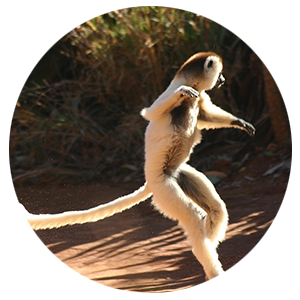 It is a great place to see several types of lémurs (lemurs), an animal species that is only native to Madagascar, including ring-tailed lemurs and sifakas.
You will notice that many of the West and Central African dishes mentioned below use similar staple foods in their recipes.
EXAMPLE
Many recipes use tomatoes, leafy greens, onions, and peppers for vegetables; side dishes are either a grain, such as rice, millet, or couscous, or a starchy vegetable.While we will mention popular dishes in specific countries, many other countries have variants of the same dishes, sometimes with different names, which are not mentioned here though you may have heard of them previously.
| Audio | Food and Dishes | Picture |
|---|---|---|
|
|
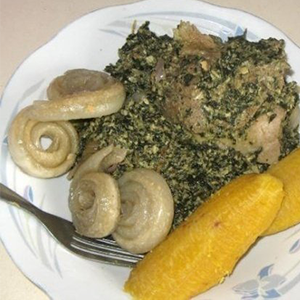
Le ndolé (National dish of Cameroun) is cooked with fish or meat, this dish is made with boiled bitter leaf vegetables like spinach or cassava, peanuts, melon seeds, and spices. |
|
|
|
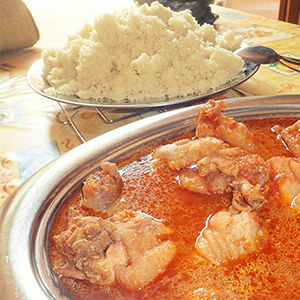
Le poulet kedjenou (kedjenou chicken) (Traditional dish from Côte d’Ivoire) consists of braised chicken cooked with tomatoes, onions, peppers, and spices. |
|
|
|
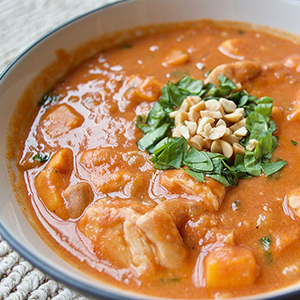
Tiguadege Na (National dish of Mali) is a lamb or chicken dish cooked in a peanut butter sauce. |
|
|
|
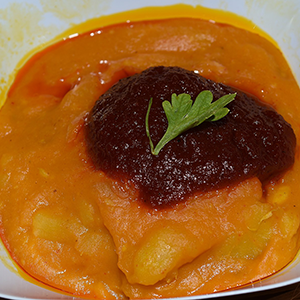
Le ragoût d'igname (yam stew) (Traditional dish of Burkina Faso) is a stew made with yams, tomatoes, carrots, peppers, garlic, and ginger. |
|
|
|
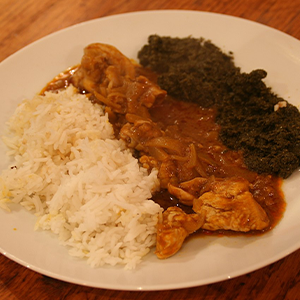
Le poulet à la moambé (National dish of both Congo and République démocratique du Congo) consists of chicken, tomatoes, onions, tomato paste, garlic, ginger, and hot peppers cooked in red palm oil. |
|
|
|
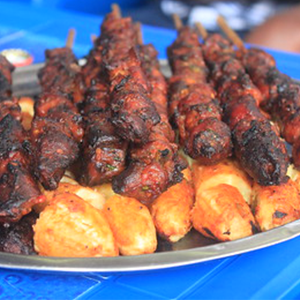
Les brochettes (skewers) (National dish of Rwanda) are made with goat, beef, chicken, or pork first marinated with tomatoes, onions, peppers and oils, then grilled on skewers. |
|
|
|
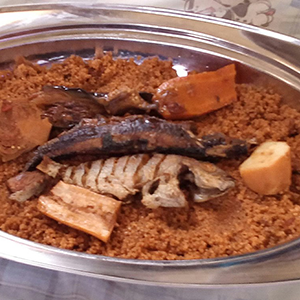
Le thiéboudienne / thiéboudieune / thieb (National dish of Sénégal) is a fish and vegetable dish served over rice pilaf in a tomato paste. |
|
|
|
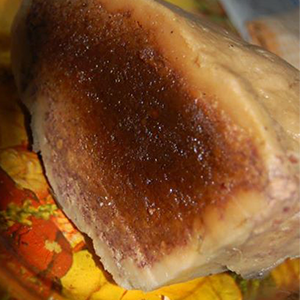
Le koba (Madagascar) is a traditional sweet food made with ground peanuts, rice flour, and brown sugar. |
|
Many African dishes are served with one of these starch-based side dishes:
| Audio | Food and Dishes | Picture |
|---|---|---|
|
|
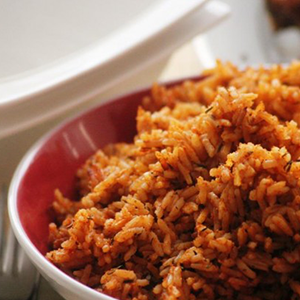
Le riz jollof (jollof rice), originally from Sénégal but cooked throughout West Africa; called riz gras (fried rice) in Côte d’Ivoire, is a side dish made with rice, tomatoes, tomato paste (which gives the rice its reddish color), onions, hot chili peppers, curry powder, and peanut oil. |
|
|
|
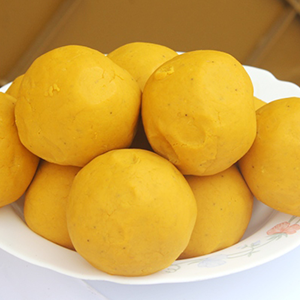
Le foufou (fufu) is a side dish cooked throughout West and Central Africa, and made with mashed yams, plantains, or other types of starch. It is eaten with meat or vegetable stews. |
|
|
|
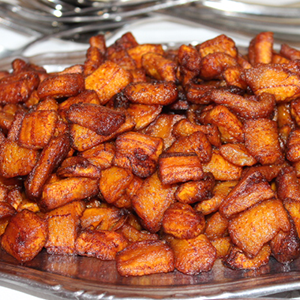
Les allocos / alokos (from Côte d’Ivoire but cooked throughout West and Central Africa) are fried plantain bananas that are eaten as a side dish, not a dessert. |
|
Here are some French words you encountered during this lesson on Africa’s French-speaking countries. Take some time to practice listening to and repeating them at your own pace.
| Audio | French | English |
|---|---|---|
|
|
le Bénin | Benin |
|
|
le Burundi | Burundi |
|
|
le Burkina Faso | Burkina Faso |
|
|
le Cameroun | Cameroon |
|
|
le Congo | Congo |
|
|
la Côte d’Ivoire | Ivory Coast |
|
|
le Gabon | Gabon |
|
|
la Guinée | Guinea |
|
|
la Guinée Équatoriale | Equatorial Guinea |
|
|
Madagascar | Madagascar |
|
|
le Mali | Mali |
|
|
le Niger | Niger |
|
|
la République centrafricaine | Central African Republic |
|
|
le Congo belge | Belgian Congo |
|
|
la République Démocratique du Congo (RDC) | Democratic Republic of the Congo (DRC) |
|
|
le Rwanda | Rwanda |
|
|
le Sénégal | Senegal |
|
|
le Tchad | Chad |
|
|
le Togo | Togo |
|
|
le Parc national de Campo Ma’an | Campo Ma’an National Park |
|
|
la basilique Notre Dame de la Paix | Our Lady of Peace Basilica |
|
|
le parc national du Taï | Taï National Park |
|
|
le lac rose | Pink Lake |
|
|
la grande mosquée de Touba | Great Mosque of Touba |
|
|
la grande mosquée de Djenné | Great Mosque of Djenné |
|
|
le parc national de Djoudj | Djoudj National Park |
|
|
le sanctuaire des bonobos | Bonobo sanctuary |
|
|
l’allée des baobabs | Avenue of the baobabs |
|
|
le parc national de l’Isalo | Isalo National Park |
Source: THIS TUTORIAL WAS AUTHORED BY SOPHIA LEARNING. PLEASE SEE OUR TERMS OF USE
REFERENCES
Adamolekun, D. (2022, June 17). Once the blood on Our hands dries: Royal apologies for the Belgian colonization of Congo. Harvard International Review. Retrieved from hir.harvard.edu/once-the-blood-on-our-hands-dries-royal-apologies-for-the-belgian-colonization-of-congo/
Ageron, C.-R. (n.d.). Décolonisation. Encyclopædia Universalis. Retrieved January 18, 2023, from www.universalis.fr/encyclopedie/decolonisation/5-la-decolonisation-belge/
Diffalah, S. (2018, December 26). Les "mains coupées" du Congo, une horreur de la colonisation. L'Obs. Retrieved from www.nouvelobs.com/monde/afrique/20181220.OBS7462/les-mains-coupees-du-congo-une-horreur-de-la-colonisation.html
Histoire Coloniale: La France en Afrique. BNF Gallica. (n.d.). Retrieved from gallica.bnf.fr/dossiers/html/dossiers/VoyagesEnAfrique/themes/Fr3.htm
La guerre d'Algérie. Alloprof aide aux devoirs. (n.d.). Retrieved January 18, 2023, from www.alloprof.qc.ca/fr/eleves/bv/histoire/la-guerre-d-algerie-h1308
Les Malgaches et la langue française : Je t'aime moi non plus. TV5MONDE. (2021, December 24). Retrieved from information.tv5monde.com/info/les-malgaches-et-la-langue-francaise-je-t-aime-moi-non-plus-133105
Les membres du comité scientifique précédent et actuel du BELvue. (n.d.). La colonisation belge en Afrique centrale. BELvue Museum. Retrieved from www.belvue.be/media/documents/documents/BELvue20dossier20-20La20colonisation20belge20en20Afrique20centrale.pdf
L'essentiel sur... Les Immigrés et les étrangers . Insee. (2014). Retrieved from www.insee.fr/fr/statistiques/3633212
Les Temps avec l’AFP. (2022, December 19). La Belgique échoue à présenter des "excuses" pour son Passé Colonial. Le Temps. Retrieved January 18, 2023, from www.letemps.ch/monde/belgique-echoue-presenter-excuses-passe-colonial
Obioma Ukawuilulu, J. (2023, January 18). Africa: Belgian Colonies. Encyclopedia.com. Retrieved from www.encyclopedia.com/social-sciences/encyclopedias-almanacs-transcripts-and-maps/africa-belgian-colonies



