Table of Contents |
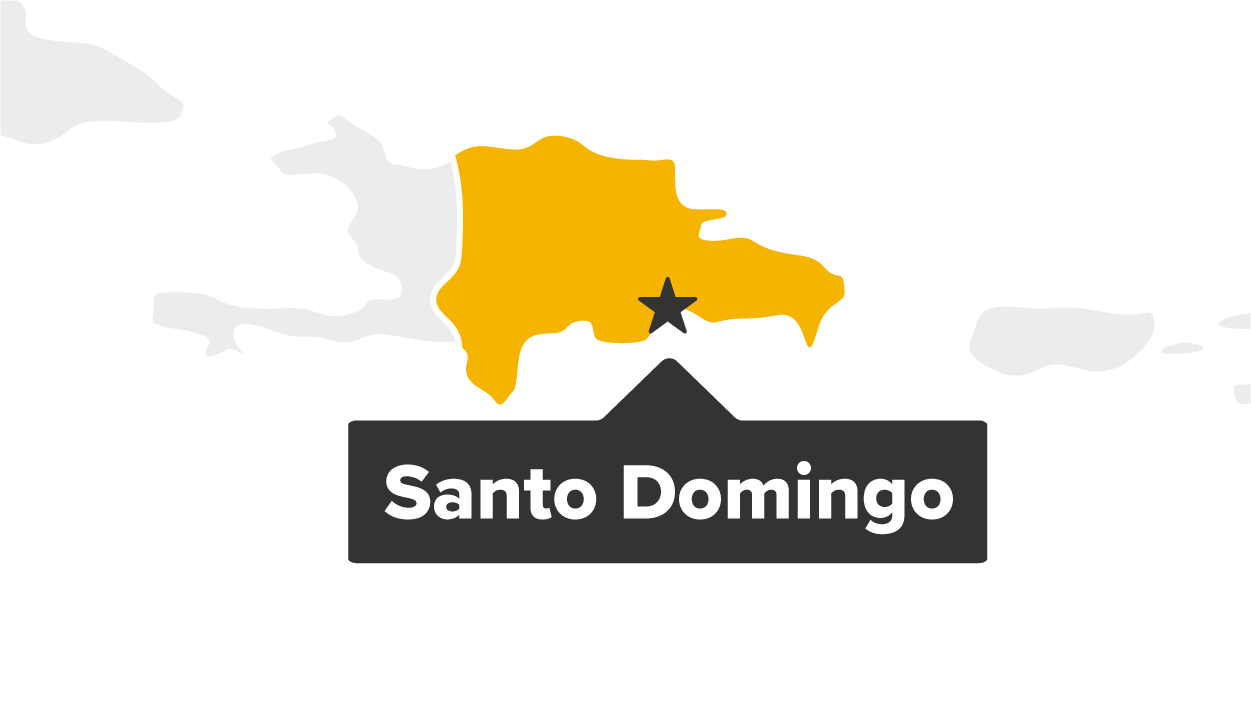
The Dominican Republic, or República Dominicana, is located in the Caribbean and shares the island of Hispaniola with Haiti. Christopher Columbus first visited the Dominican Republic in 1492 and named the island it is located on La isla La Española (Hispaniola, in its Anglicized form). This country is rich in agriculture and tourism, so let’s explore some important aspects of the Dominican Republic’s culture.
Here are just a few interesting facts about Dominican Republic:
| Picture | Industry |
|---|---|
|
One of the main industries is the production and refining of sugar. |
|
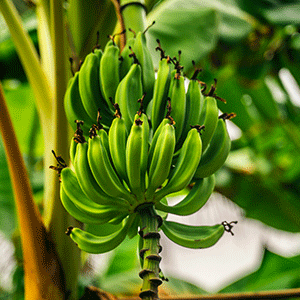
The Dominican Republic produces 55% of the world’s bananas. |
|
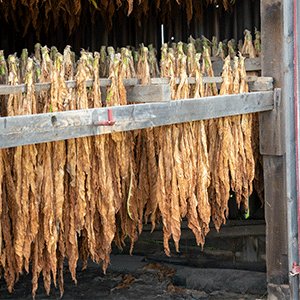
Other important exports are coffee, cocoa, and tobacco. |
|
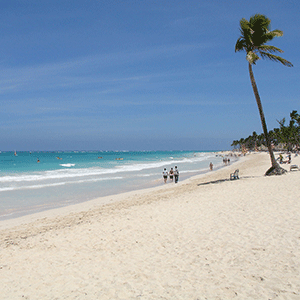
Tourist destinations like Punta Cana, in the east of the country. There, you can enjoy a tropical climate and beautiful beaches of fine white sand. |
Now let’s explore some information related to daily life, customs, and other significant history and culture in the Dominican Republic. Life in the Dominican Republic is vibrant and community-oriented, with strong family ties and a rich blend of cultural influences. The Dominican Republic is renowned for its stunning natural landscape, from pristine beaches to lush mountains.
Dominican cuisine is rooted in Taíno, African, and Spanish influences. Staples include rice, beans, and plantains, often accompanied by fresh seafood and meats. Let’s look closer at a few traditional dishes from the island:
| Food | Picture | Description |
|---|---|---|
| El casabe |
|
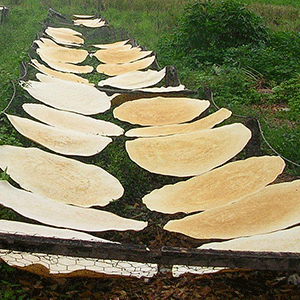
A type of tortilla made with yuca. It is a staple food of Dominican cuisine and was also one of the foods of the Taínos, the Indigenous people of the island. El casabe was prepared by the Indigenous people of other nearby Caribbean countries as well. La yuca is called mandioca in some countries. |
| Sancocho |
|
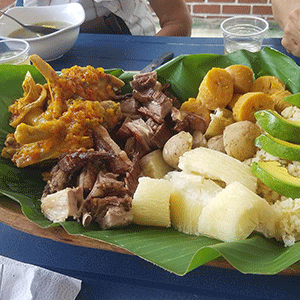
Some claim sancocho (meat stew) is the king of Dominican foods, and for a good reason. Though many Latin American countries offer their own variety of sancocho, the Dominican version is exquisite if you like meat, as it features seven different types of meat from four types of animals: pork, beef, chicken, and goat. A simplified version can just include beef and perhaps chicken. It is served with white rice, avocado slices, and a spicy sauce called agrio de naranja. |
| Habichuelas guisadas |
|
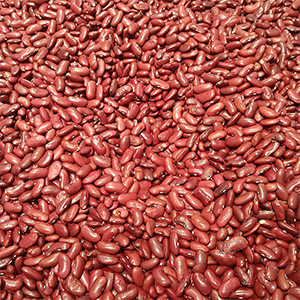
Stewed beans is a dish typically made with red kidney beans (though pinto or cranberry beans are acceptable substitutions) and served with rice. Beans are a staple of Dominican cuisine, and every home has their own version of cooking them, with small variations in seasonings and sometimes ingredients. |
| Bizcocho dominicano |
|
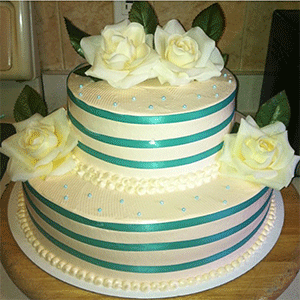
Dominican cake is a cake present in many Dominican celebrations. With vanilla flavoring and orange juice, this cake has a buttery and airy texture that features Dominican pineapple filling. The traditional meringue icing (not to be confused with merengue, Dominican Republic’s national music) that is used in Dominican cake is called suspiro which means "sigh" in Spanish. |
Although the Arawak and Taíno people who were indigenous to Hispaniola were virtually eliminated following the European conquest, Caribbean Spanish continues to be marked by lexical items from these cultures. These words of Native American origin have entered Spanish (you may remember reading about the last three words on the list in a previous lessons):
Tourism is the most important economic sector in the Dominican Republic. The biodiversity of its forests, national parks, rivers, lakes, beaches, cities and rural areas makes the Dominican Republic a country that offers places of interest for any visitor.
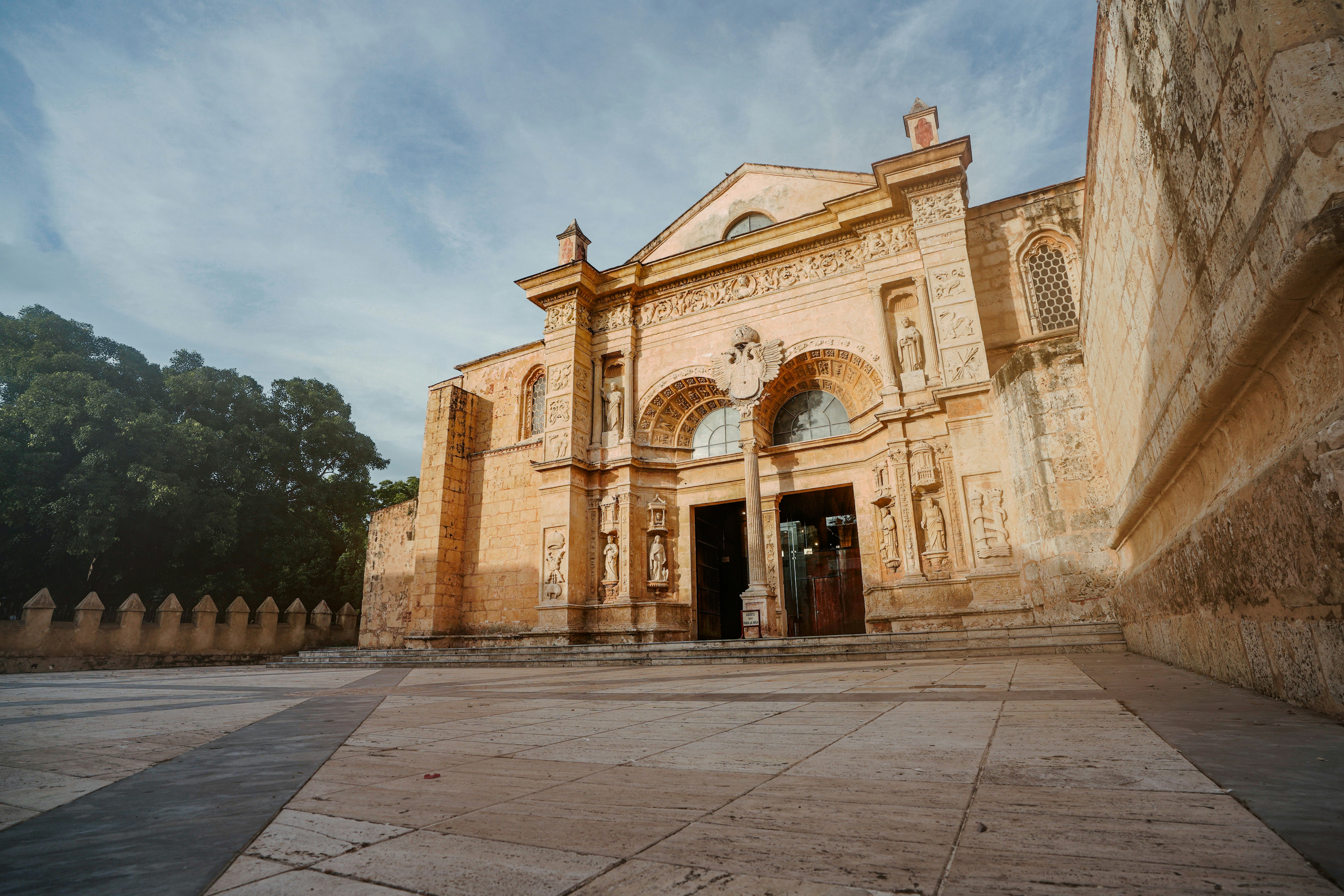
Santo Domingo is the oldest city founded by the Europeans in the Western Hemisphere. Both Santo Domingo and Punta Cana are the most popular tourist spots, as many visit Punta Cana for its resorts and white sand beaches. Santo Domingo, the capital of the country, is a beautiful colonial area with museums, old houses, and other historical monuments. In 1990, Santo Domingo was recognized as a World Cultural Heritage Site by UNESCO, which serves to highlight cultural and natural places of outstanding value to the world.
Additional tourist spots in the Dominican Republic include:
We’ll now turn our focus to some important people and cultural icons throughout the Dominican Republic’s past and present. These figures and symbols have shaped the cultural and artistic heritage of the Dominican Republic.
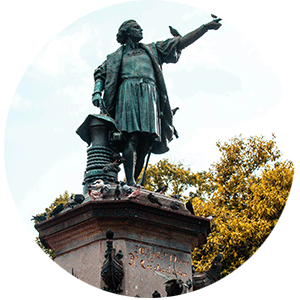
Cristobal Colon or Christopher Columbus
Christopher Columbus’ remains passed through several cities from his death in the 16th century until the 19th century. For this reason, there are two known tombs of this controversial historical figure:
Fray Bartolomé de las Casas
Friar de las Casas (1484-1566) is the earliest and best-known activist for the rights of the Indigenous people, at a time when the existence of slavery as an institution was not questioned by most. Friar de las Casas was born in Spain but lived for many years on the island of Hispaniola. He worked all his life to create laws to protect the Indigenous people, not only on Hispaniola but also in all the Spanish colonies of the time. Fray, which in English is "friar," refers to a male member of a religious community that is supported by donations or other charitable contributions.
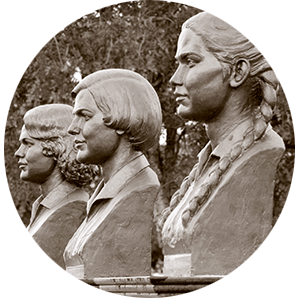 The Mirabal Sisters: Patria, Minerva, and María Teresa.
These three women are considered heroines of the twentieth century who actively opposed the brutal Trujillo rule. They were assassinated on November 25, 1960, a date that has been chosen as el Día Internacional de la No Violencia contra la Mujer (International Day of Non-Violence against Women) in their honor.
Enriquillo and Sebastián Lemba
Early Dominican freedom fighters from the first half of the 16th century include Enriquillo, a native Taíno leader, and Sebastián Lemba, an African slave.
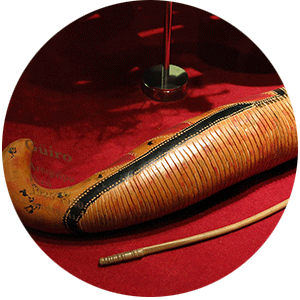
El güiro
El güiro is an instrument of African origin that is used in Dominican music. It is a hollow gourd whose surface is intricately carved; it is rubbed with a stick to produce a sound. This instrument, with varying names, is used all over the Caribbean and in other Hispanic countries.
El colmado
El colmado is the name of the iconic neighborhood store where everything is sold, from prepared food to tools. But the most important thing is that it serves as a meeting place for the people of the neighborhood, where people mostly shop but also socialize. Similarly, general stores like el colmado are traditional in most neighborhoods in countries throughout Latin America. 
El béisbol
Baseball, or el béisbol, as it is known in Spanish-speaking countries, is very popular in the Dominican Republic.
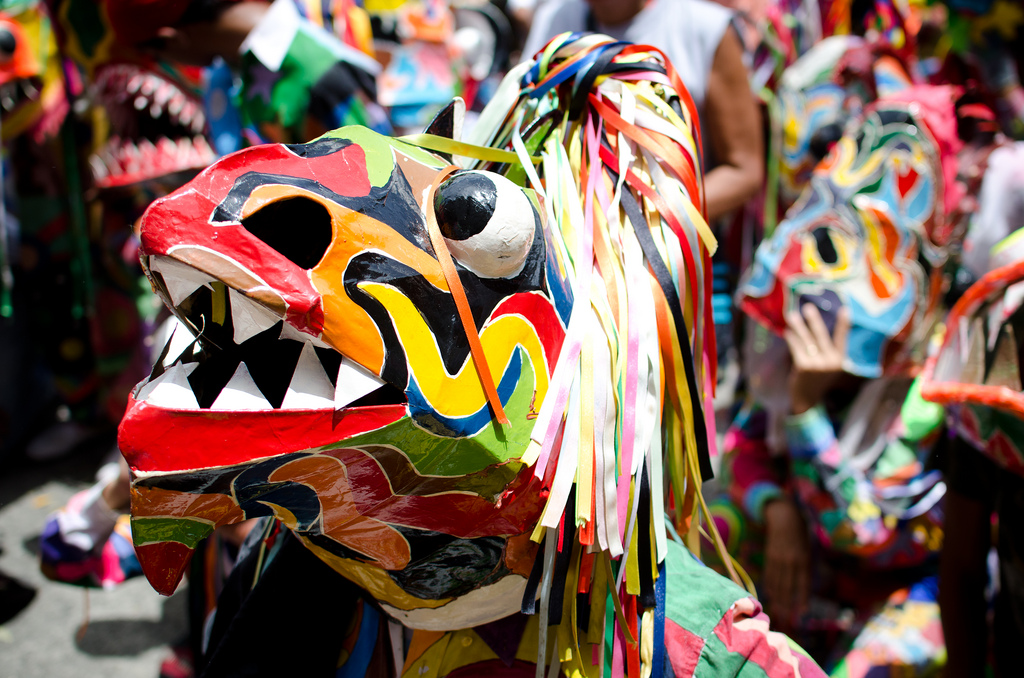
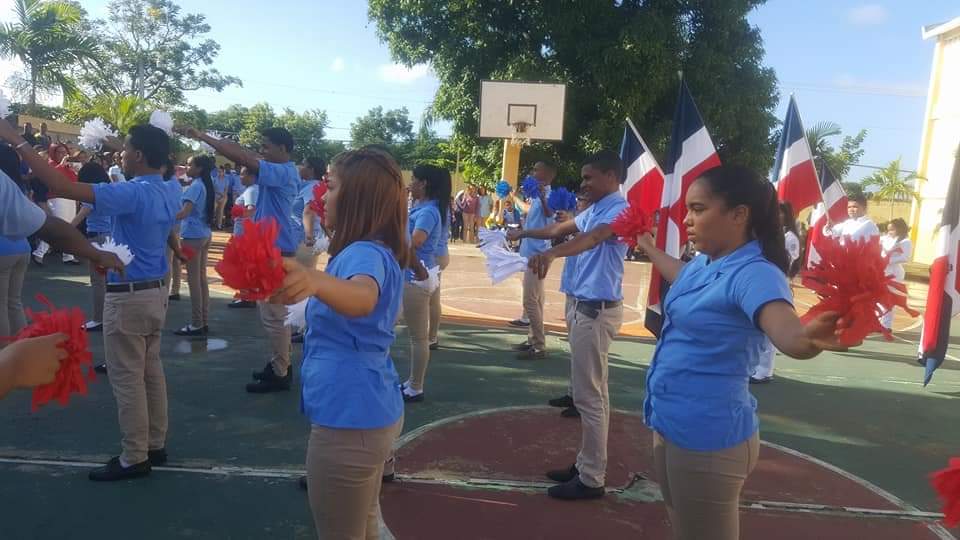
Here are some significant yearly celebrations in The Dominican Republic. Click each of the holidays below to see an image of the festivities:
The Dominican Republic is a country rich in architecture, music, literature, crafts, and art in general. Here are some highlights:
The colonial area of Santo Domingo, a city founded in 1496, has some of the oldest buildings in the hemisphere. Thanks to restorations, the city’s architecture is famous not only for its beauty but also for the good condition of its buildings.
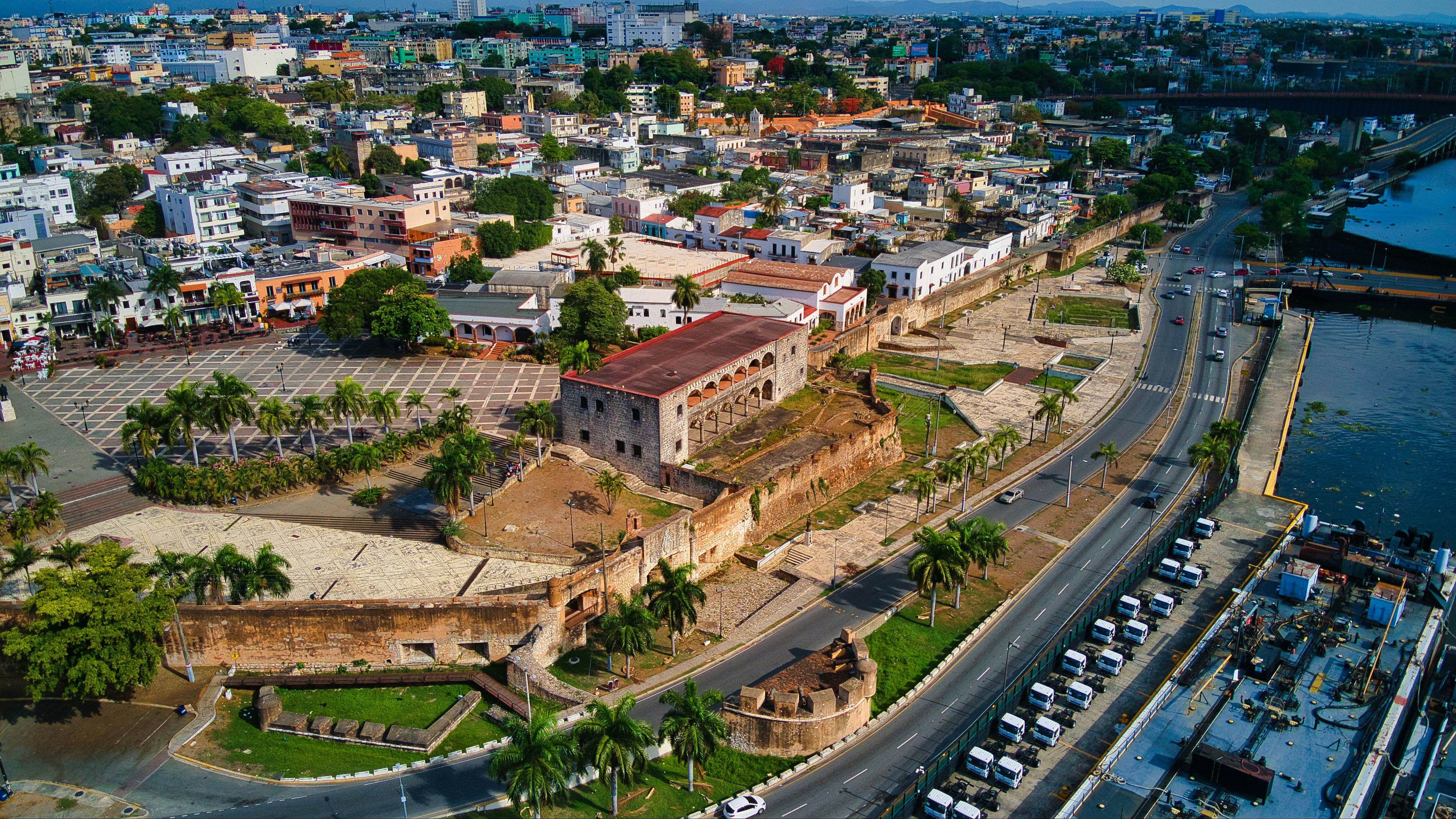
Among its most visited sites are:
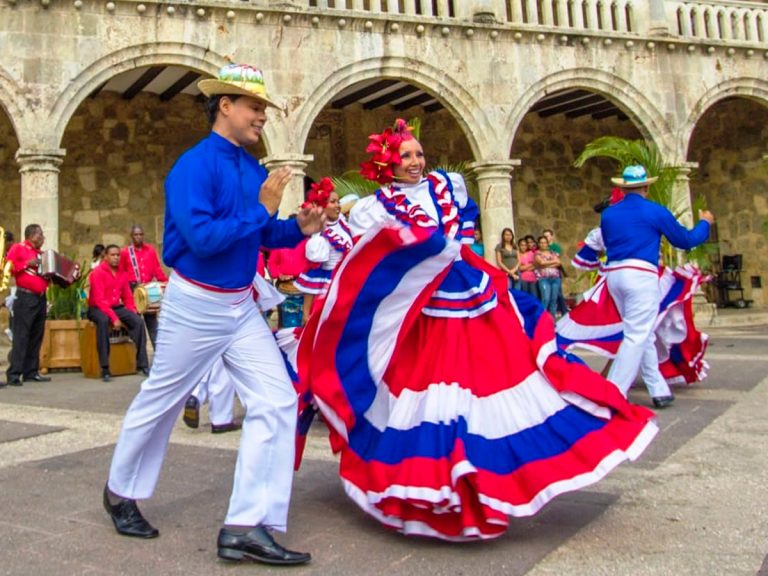
Dancing is an essential component of almost every celebration and family gathering in the Dominican Republic. You will hear music at all gatherings and most people are not afraid to get up and dance.
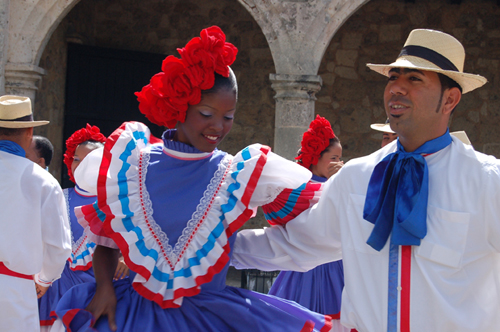
Merengue, a rhythm originating in the Dominican Republic, has its roots in the countryside. Traditionally, the songs spoke of the social problems of peasants. The instruments used were the guitar, the accordion, the güiro, the guayano (a metal scraper), and the tambora—a drum characteristic of the area. Between 1930 and 1960, merengue became popular in the cities, adopting a more urban tone in which instruments such as the saxophone and bass were incorporated, and large orchestras began to form.
Merengue represents a fusion of the cultures that make up the Dominican Republic’s heritage. The gourd scraper—or güiro—comes from the Indigenous Arawak people, the tambora is part of the nation’s African legacy, the stringed instruments were adapted from the Spanish guitar, and the accordion was introduced by German merchants.
Merengue is a cheerful and upbeat style of music, capable of lifting spirits and moods, and it usually accompanies a fast-paced dance where couples swing their hips and take quick steps. There is even an annual merengue festival where hundreds of people join in on the dancing fun.
Bachata is another popular type of music and dance that originated in the Dominican Republic. Bachata originated from bolero and son music, and the basic steps are very easy. Like salsa dancing from Cuba, both merengue and bachata have spread throughout the Caribbean, becoming some of the most popular forms of dance from that region.
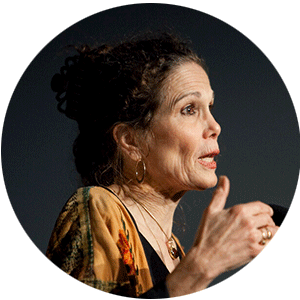
Julia Álvarez, Elizabeth Acevedo, and Angie Cruz are just some of the literary voices that express a Dominican identity that is both used to explore and grapple with different issues related to the Dominican and Dominican-American experience and culture. Subjects such as immigration, assimilation, family, gender, and love (among many more) can be found in their narratives.
Additionally, here are four other contemporary Dominican and Dominican-American writers worth knowing about and reading:
Source: THIS TUTORIAL WAS AUTHORED BY SOPHIA LEARNING. PLEASE SEE OUR TERMS OF USE