Table of Contents |
Panamá is a country of natural beauty and an interesting history. Panamá is also a country that makes many connections: The Isthmus of Panama connects Central America to South America, while the Panama Canal connects the Pacific Ocean to the Caribbean Sea, providing a shortcut between the eastern and western coasts of the Americas. By passing through the Panama Canal instead of sailing all the way around South America, a ship sailing from New York to Los Angeles can save 5,000 miles of travel.
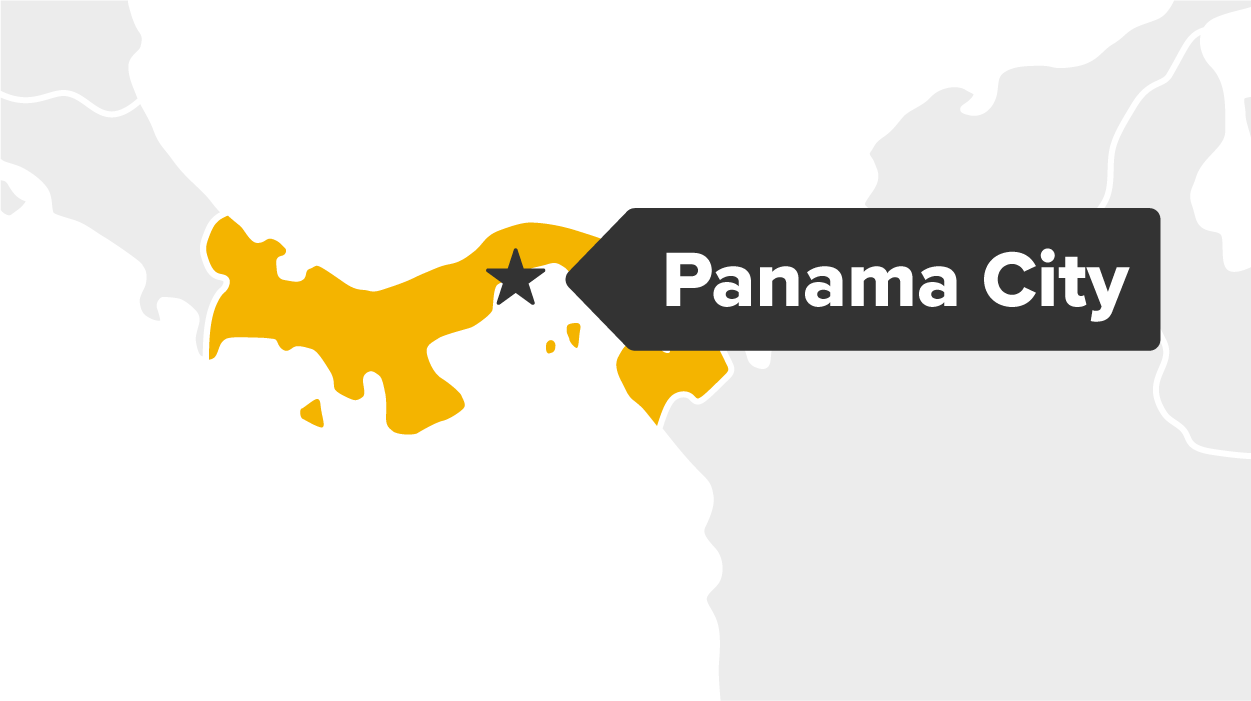
Here are just a few interesting facts about Panamá:
Now let’s explore some information related to daily life, customs, and other significant history and culture in Panamá.
As all other Latin American countries, Panamá is a diverse nation and that includes its culinary scene. Below, we showcase just four iconic dishes from Panamá:
| Food | Picture | Description |
|---|---|---|
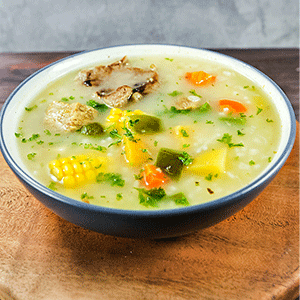
| Sancocho de gallina |
|
A hearty stew and a staple of Panamanian cuisine. Some claim it to be Panamá’s national dish. Chicken, yucca, corn, and plantains are its main ingredients, and it is typically served with rice and avocado. Though it is prepared with different herbs and spices, it is actually the local culantro spice (not to be confused with cilantro) that gives this stew an aromatic flavor with sweet undertones. |
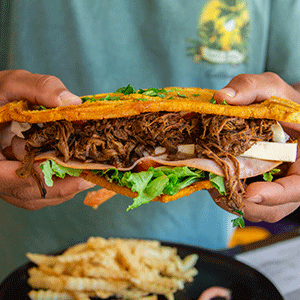
| Ropa vieja |
|
An iconic and popular dish. Made with beef simmered with tomatoes, garlic, onion, cumin, coriander, oregano, and paprika (many of these are spices of Spanish origin), it is served with white rice and fried plantains.
Ropa vieja translates as "old clothes." According to a Spanish legend, when a poor man ran out of food, he cut up his old clothes to make stew. The shredded beef is supposed to invoke an image of the vision of the tattered garments. Can you visualize this? |
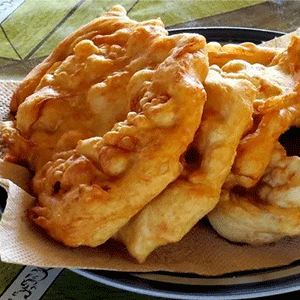
| Hojaldres |
|
Puff pastries are the quintessential Panamanian breakfast. This flaky fried bread is usually served with cheese, butter, or jam, and in cases when the goal is to consume a hearty meal for breakfast, some people prefer to top hojaldres with sausage and a fried egg. |
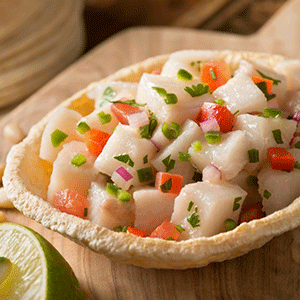
| Ceviche |
|
Since Panamá is almost entirely surrounded by two oceans, fish and seafood are central to Panamanian food. And just like in other Latin American countries, the fish, shrimp, or lobster used for making ceviche are marinated in lime juice long enough to cook the meat. But there are, of course, variations of ceviche-making depending on different influences from people from other countries and cuisines. |
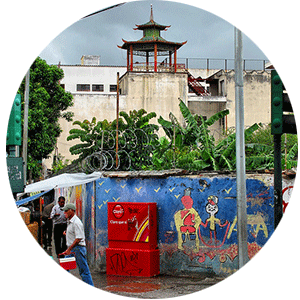
Without a doubt, one of the main identity markers of Panamá is its canal, which is considered one of the greatest marvels of the modern world. The Panama Canal generates a third of the country’s economy and is also fundamental to the U.S. national identity through its contribution to the U.S. becoming a world power.
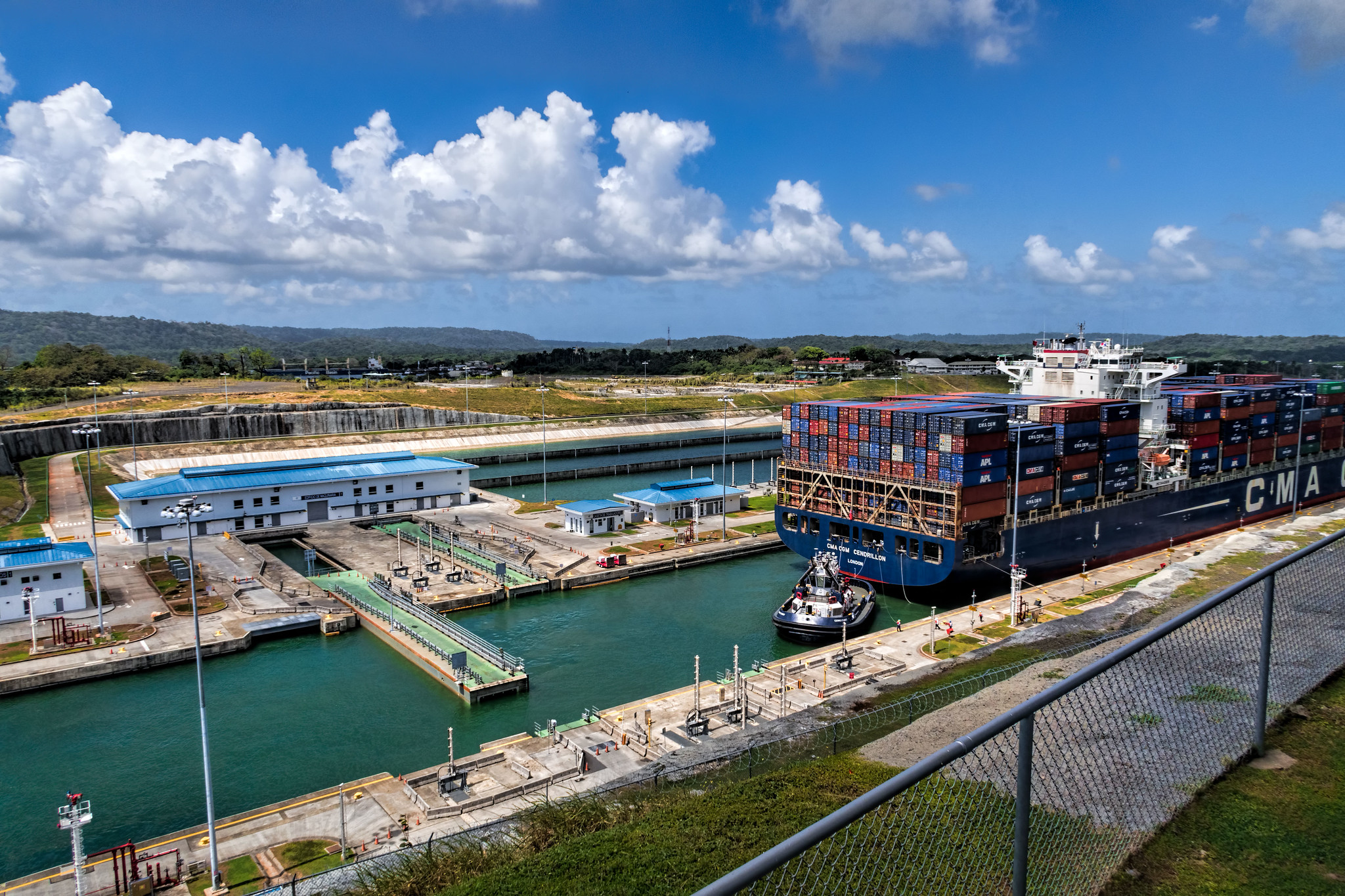
Though originally an idea of the Spanish colonizers of the sixteenth century, the Panama Canal was conceived and initiated in 1881 by a Frenchman, Ferdinand Marie de Lesseps, who was the developer of the Suez Canal. De Lesseps was forced to leave the Panama Canal uncompleted because of the malaria and yellow fever epidemics. After modifying the design, the U.S. completed the project in 1914.
The Panama Canal is a lake-and-lock type of canal, connecting the Atlantic and Pacific oceans at one of the lowest points on the Continental Divide. It is about 50 miles long, and the narrowest part of the country is only 30 miles wide. The Canal is one of the two most strategic man-made waterways on earth (the Suez Canal is the other).
Some other interesting details about the Canal include:
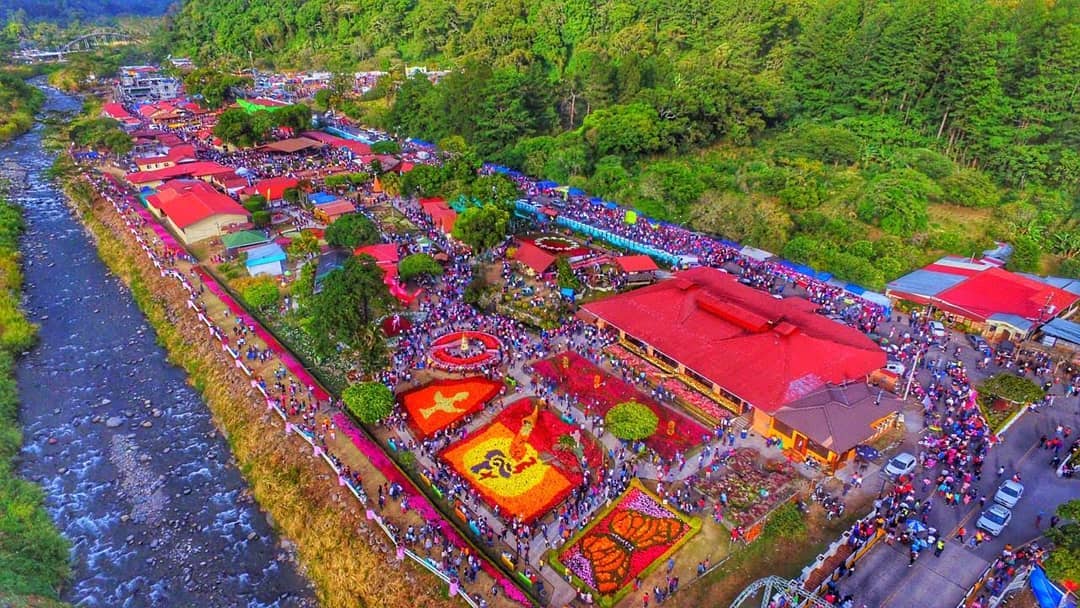
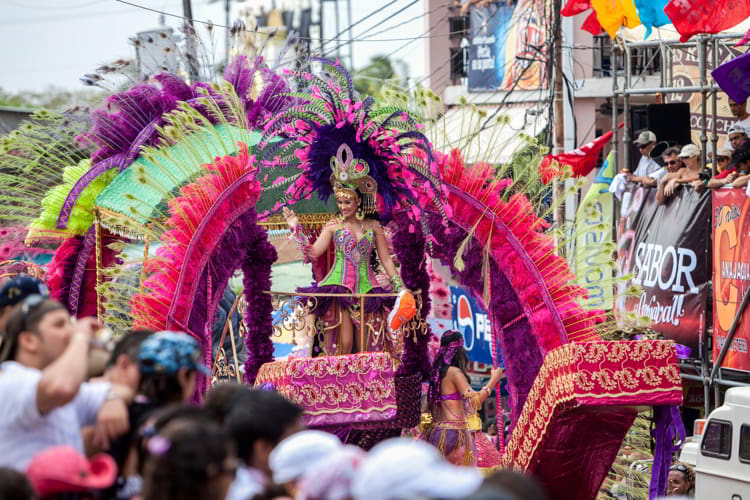
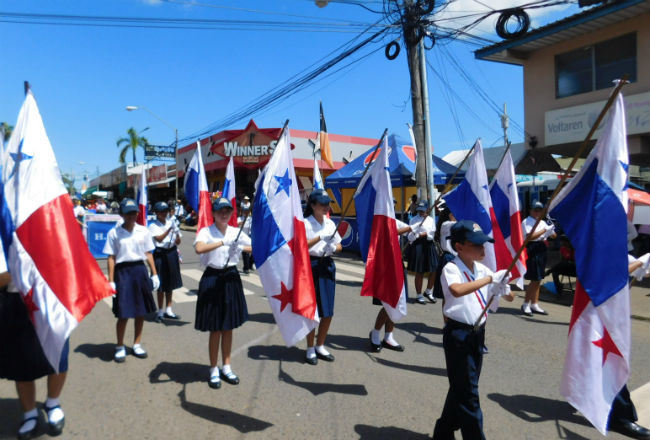
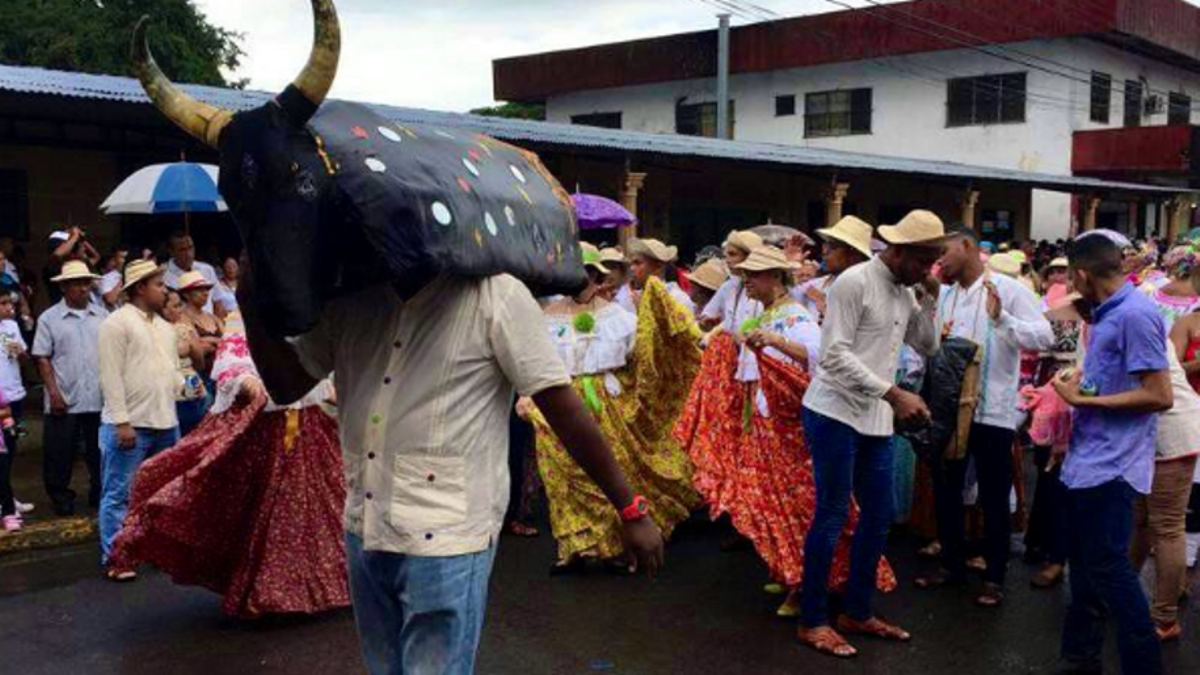
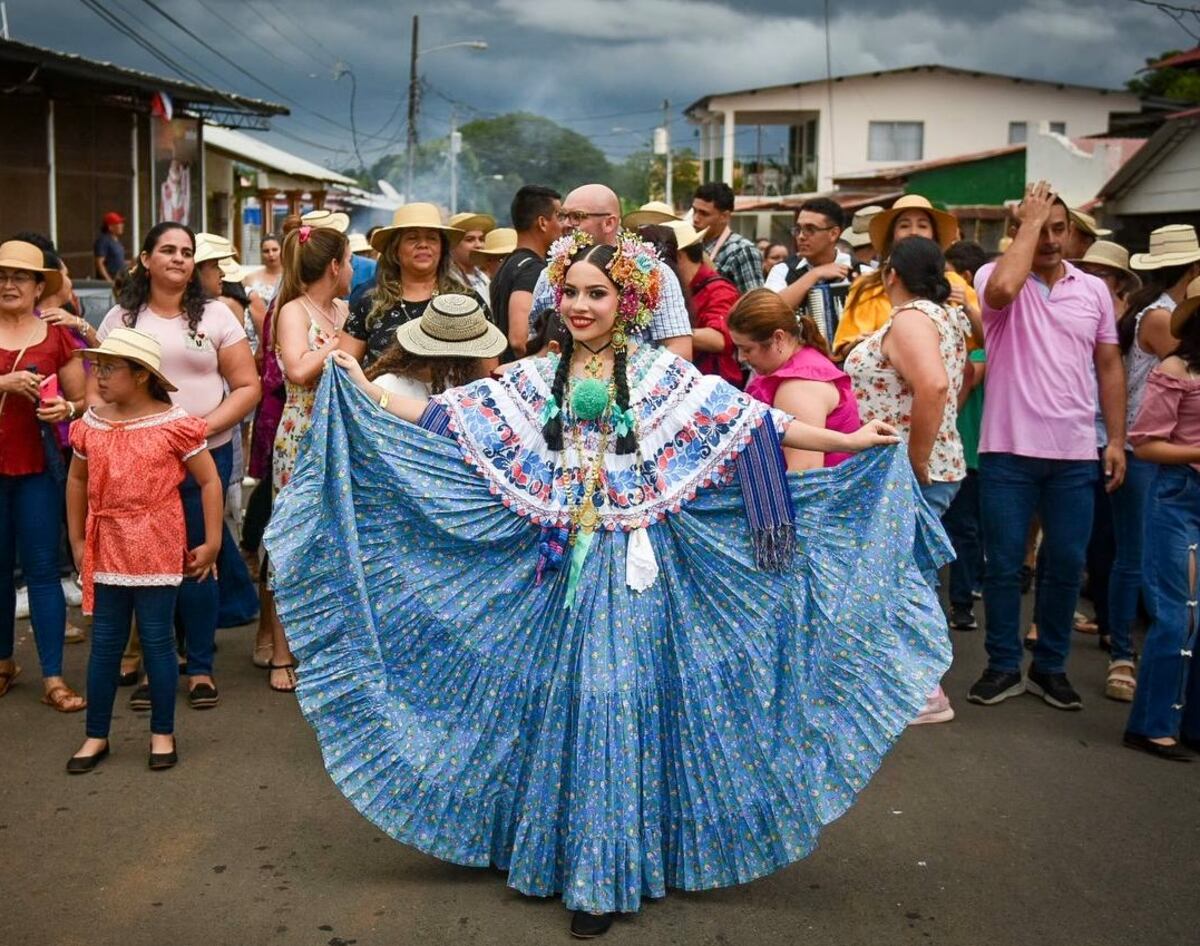
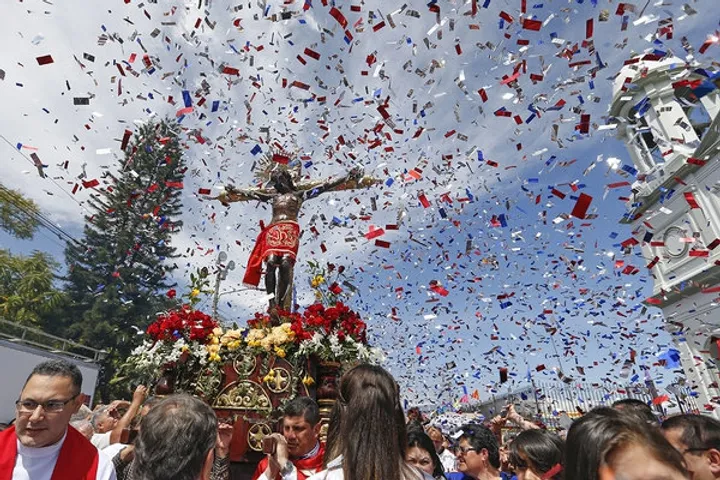
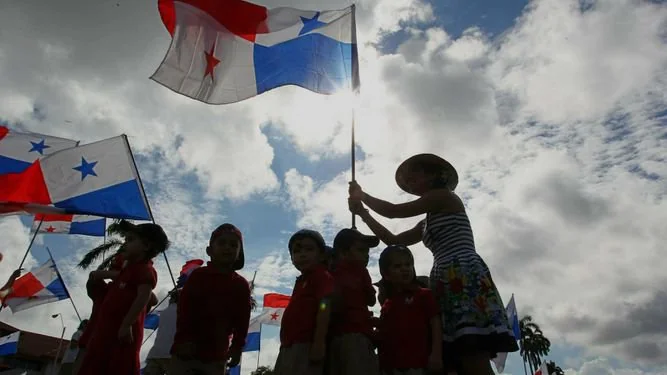
Here are some significant yearly celebrations in Panamá. Click each of the holidays below to see an image of the festivities:
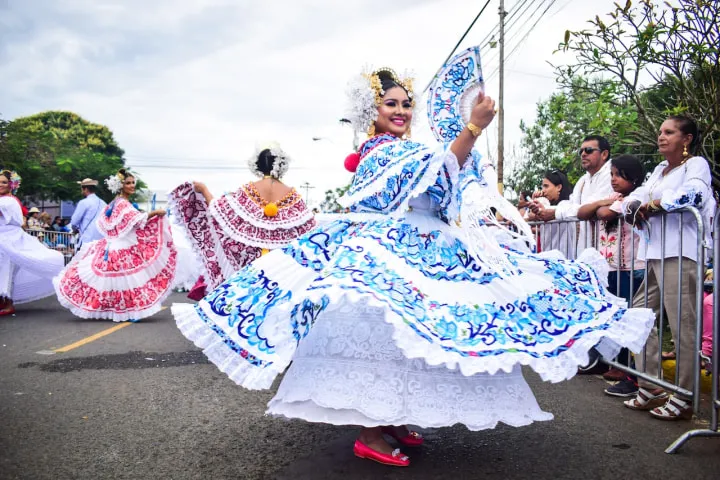
Panamá is a country rich in architecture, music, literature, crafts, and art in general. Let’s look at some highlights.
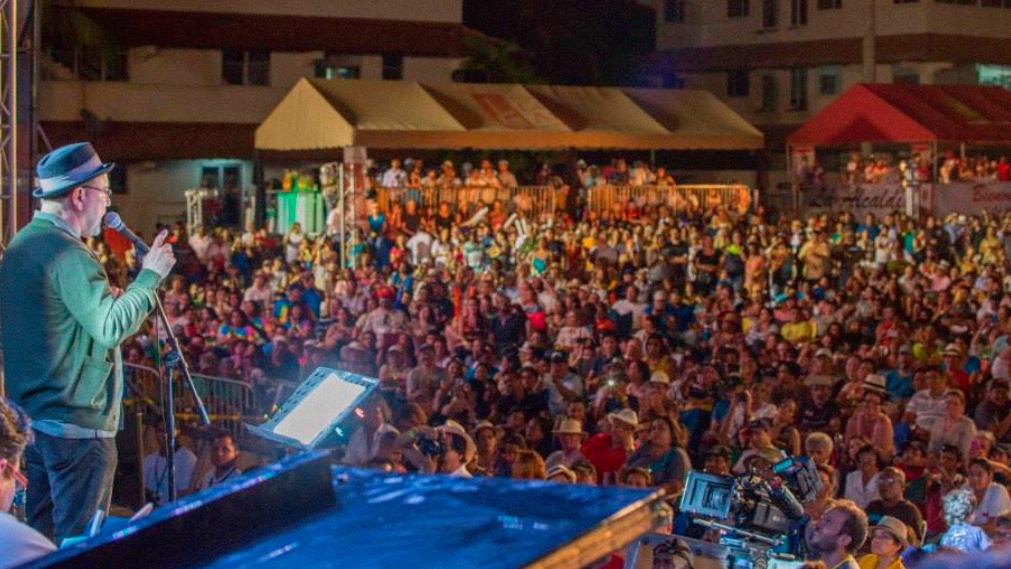
The Panamanian artist Rubén Blades changed the world of salsa music by introducing lyrics with social commentary into what previously had been almost exclusively dance music. Specifically, his recording Buscando América (Looking for America) includes the song "El padre Antonio y su monaguillo Andrés," based on the story of Archbishop Óscar Romero of El Salvador.
Similarly, the story of "Pedro Navaja" from Blades’ album Siembra is a collaboration with Willie Colón (American salsa musician and social activist) and is inspired by the song "Mack the Knife."
Molas are a form of textile art made by the Guna Indian women of Panamá. Mola is also the Kuna word for clothing, specifically a blouse. Molas have earned fame as a type of folk art because of their intricate and beautiful designs. The best way to describe a mola is a brightly colored, embroidered panel on the front of a blouse; the patterns are geometric or are inspired by nature. The technique used is a reverse appliqué and has been passed down for generations. The stitches are almost invisible, and the designs are elaborate.
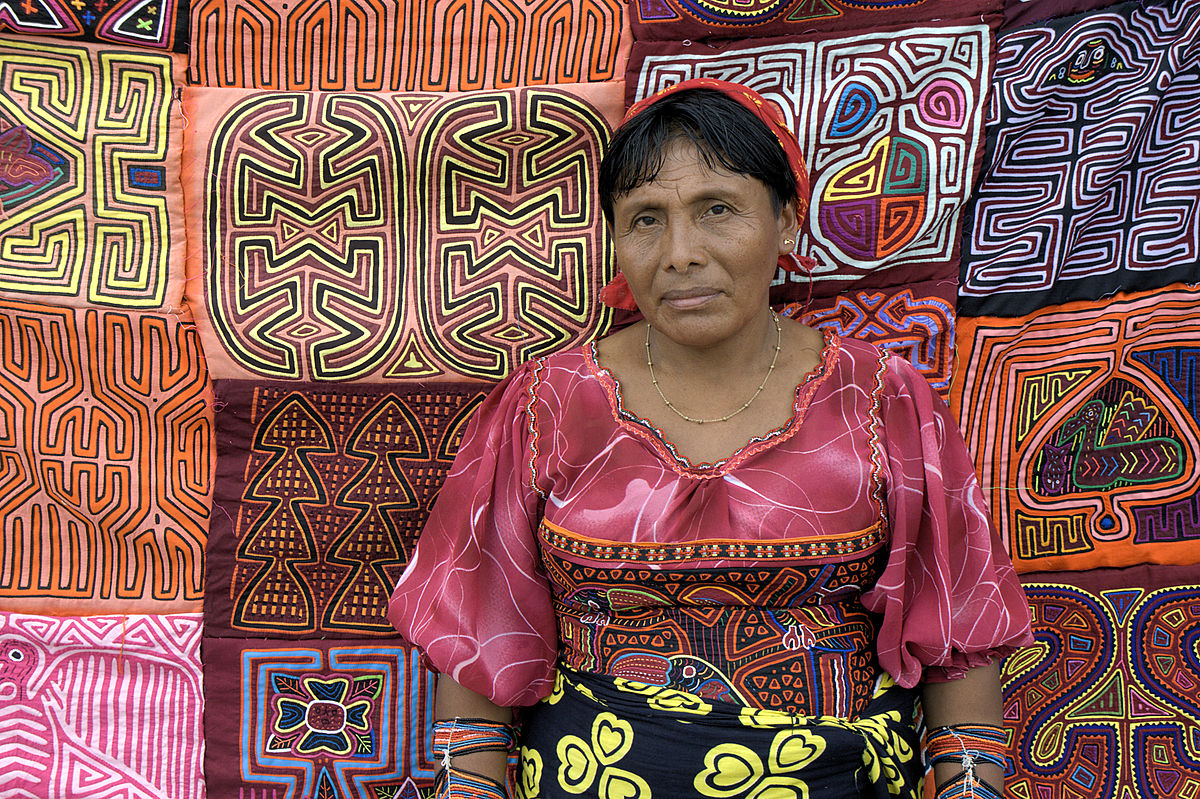
The Guna (also spelled Kuna or Cuna) are an indigenous people of Panama and Colombia. To this day, there is Guna presence in Panama City and Colón, as well as autonomous regions in Panama and a few villages in Colombia. Most Guna live along the eastern Caribbean coast and in many islands belonging to the Guna Yala archipelago, also known as the San Blas Islands.
Guna people speak the Kuna language, though many people speak Spanish as well, and Spanish is also the language used in education and official documents. Furthermore, the Guna people have a strong, rich oral tradition. During regular community meetings, ritual forms of speaking (including storytelling and speeches) are presented by community elders. It is only recently that a written form of the Kuna language has been developed by outsiders. However, as Spanish (and even English) begin to encroach into Guna Yala (their homeland), linguistic anthropologists have highlighted the urgency of recording and preserving the rich Kuna oral tradition, fearing that the traditional Kuna language and culture will begin to be diluted by outside influences.
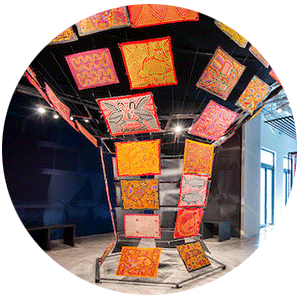 Museo de la Mola (known as MuMo) in Panama City showcases about 200 molas. The museum’s permanent exhibit centers around these five different areas related to the molas:
MAC Panamá: Museo de Arte Contemporáneo is the place to visit in Panama if interested in contemporary art. It holds the largest collection of Panamanian art in the world, featuring works by Panamanian and Latin American artists of the 20th and 21st centuries, and media include oil paintings, drawings, lithographs, photographs, sculptures and ceramics.
Originally, the museum was founded as an NGO in 1962 called the Panamanian Institute of Art, and in 1983, it became the current museum. Initially, the building that houses this cultural center was an old Masonic Temple in the Canal Zone settlement of Ancón.
Source: THIS TUTORIAL WAS AUTHORED BY SOPHIA LEARNING. PLEASE SEE OUR TERMS OF USE