Chile is a country rich in ancient history with more than 19 million inhabitants. Its cultural richness is based on the mixture of indigenous cultures such as Mapuche, Quechua, and Aymara with the influence of Spanish colonialism. Chile is a very narrow country, over 4,000 miles long and only about 60 miles wide. It borders Perú and Bolivia to the north, Argentina to the east, and the Pacific Ocean to the west.
Here are some facts about Chile’s geography and culture:
| Spanish | English | Spanish | English |
|---|---|---|---|
|
| |||
| ¿Cachai? | Get it? | Qué fome. | How boring. / How lame. |
| weón (huevón) / weona (huevona) | dude | pololo / polola | boyfriend / girlfriend |
| po | Po is an abbreviation of the word pues. It is used as a space filler. It is placed at the end of a sentence or after the words sí or no. For example: sí po, no po, or ya po. | achuntar | to hit the nail on the head |
| copete | any alcoholic drink | pasarlo chancho | to have fun |
|
cuico cuica |
rich guy / posh guy / snob rich girl / posh girl / snob |
achacarse | to be sad |
| andar pato | to be broke |
bronca (also used in other countries) |
fight |
| caleta | a lot | carrete | party |
| dar pelota | to pay attention to something or someone | engrupir | to fool / to deceive |
| flaite | thug | gallo / galla | guy (man or woman) |
| guata | belly | la firme | the truth |
|
la micro (also used in Argentina, but there it is el micro) |
bus |
luca quina |
mil (1000) pesos quinientos (500) pesos |
|
mino / mina (also used in Argentina) |
man / woman | pega | job / work |
| pucho | cigarette / cigarette butt | ¡Qué penca! | How bad! / How awful! |
| taco | traffic jam | tener tuto | to feel sleepy |
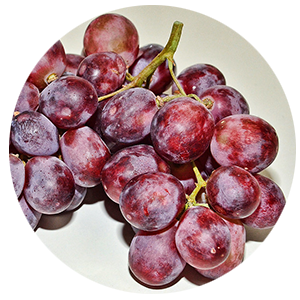 Chilean gastronomy is based on marine products, which are of excellent quality. Chile also produces high-quality fruits, of which Chilean grapes and nectarines stand out.
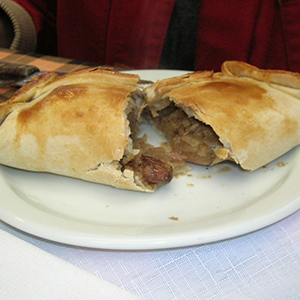
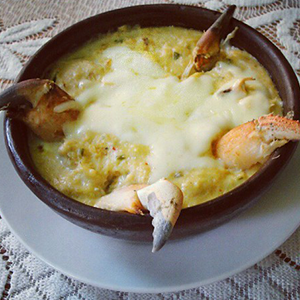
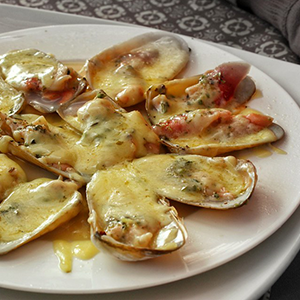
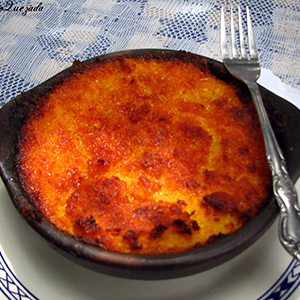
Here are the names and images of some typical foods and drinks in Chile.
Comidas típicas
|
Comida (Food) |
Picture |
Comida (Food) |
Picture |
|---|---|---|---|
|
COMchile.mp3
| |||
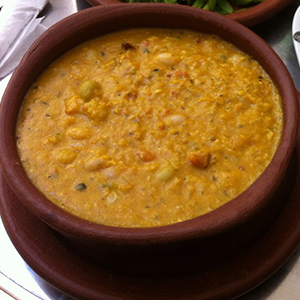
| porotos granados |
|
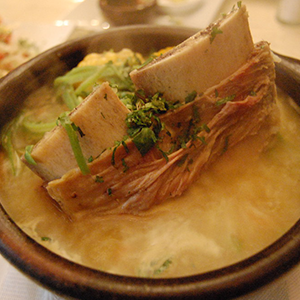
cazuela |
|
| caldillo de congrio |
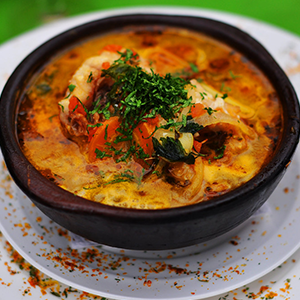
|
curanto |
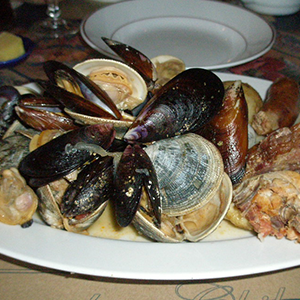
|
| chancho en piedra |
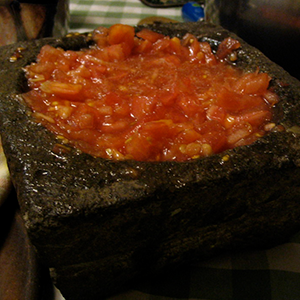
|
chorrillana |
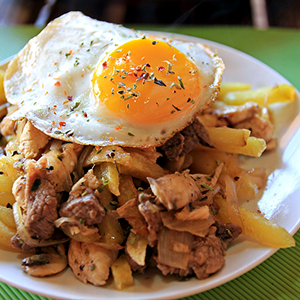
|
| empanadas de pino |
|
pastel de jaiba |
|
| machas a la parmesana |
|
pastel de choclo |
|
| ensalada chilena |
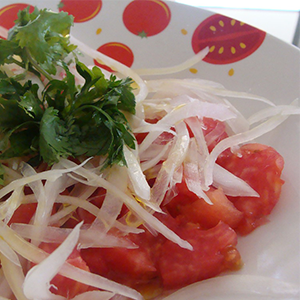
|
sopaipillas |
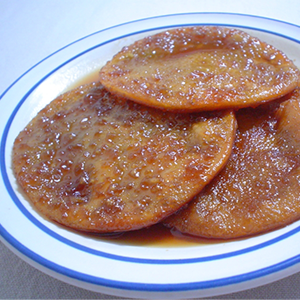
|
| milcaos |
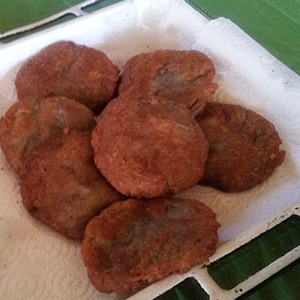
|
charquicán |
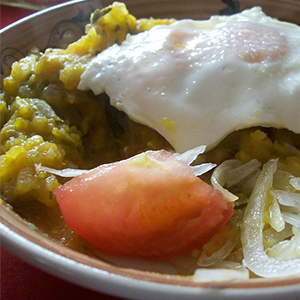
|
| chumbeque |
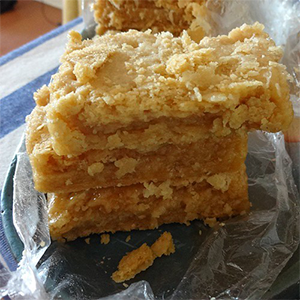
|
calzones rotos |
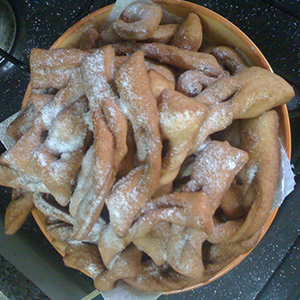
|
| humitas |
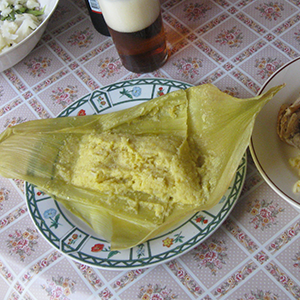
|
leche nevada |
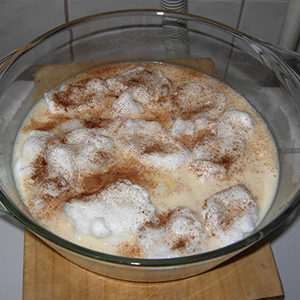
|
Bedidas típicas
|
Bebida (Drink) |
Picture |
Bebida (Drink) |
Picture |
|---|---|---|---|
|
BEBchile.mp3
| |||
| piscola |
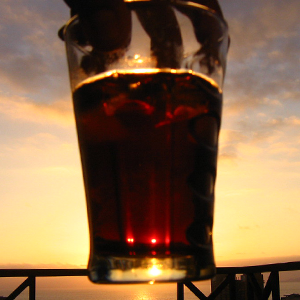
|
pisco chileno |
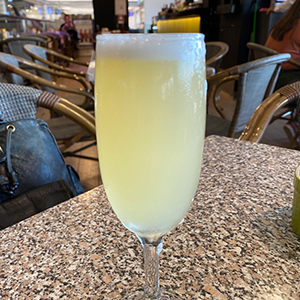
|
| cola de mono |
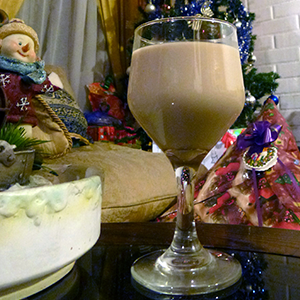
|
navegado |
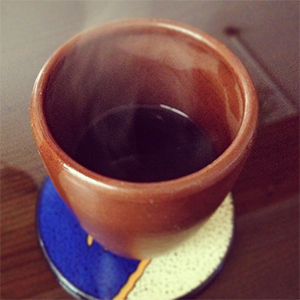
|
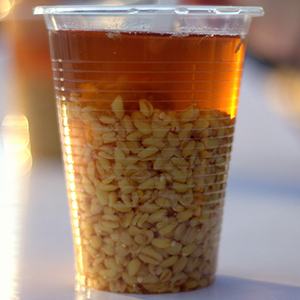
| mote con huesillos |
|
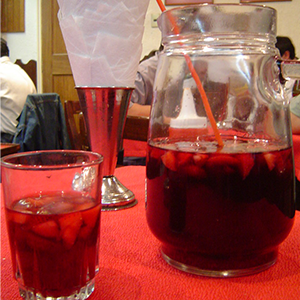
borgoña |
|
These are some significant celebrations in Chile:
CULTURAL INSIGHT: LA MINGA
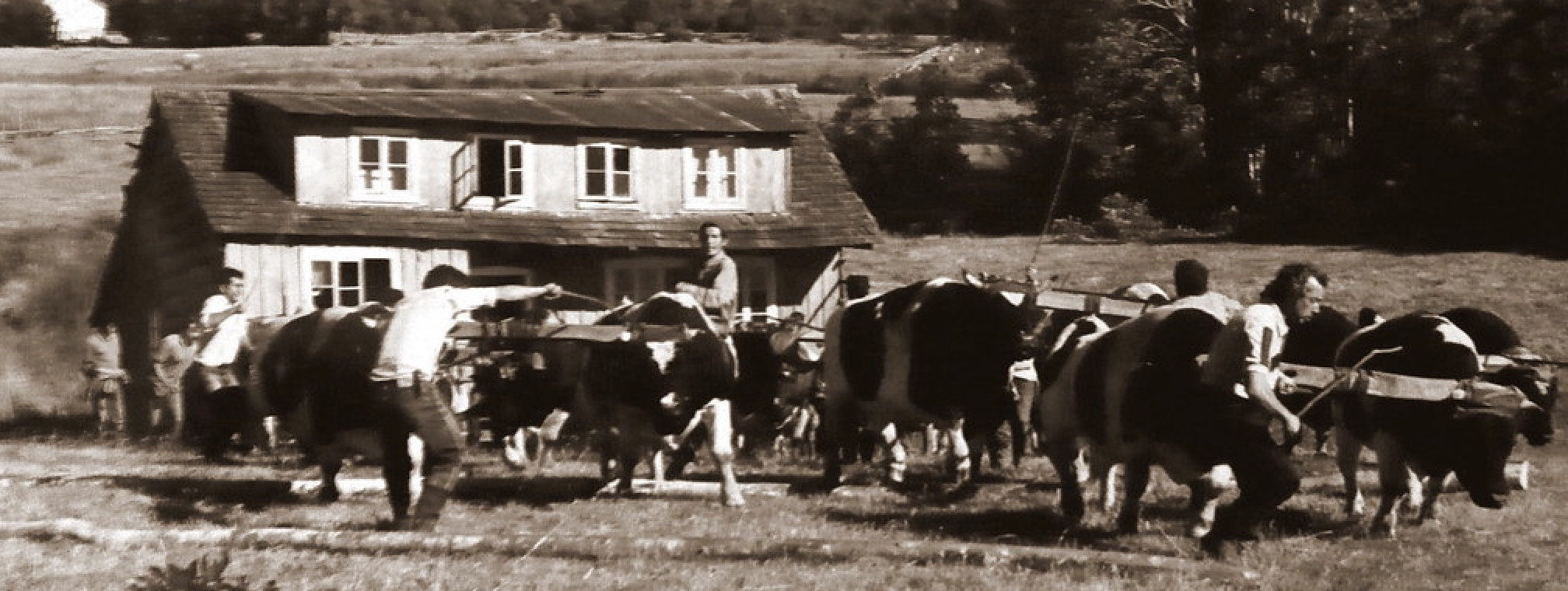
A unique tradition that shows a high degree of collectivism is practiced on the island of Chiloé, located in southern Chile. This tradition, known as la minga, dates back to pre-Columbian times and is still practiced to this day by Chilean farmers.
The tradition of la minga involves moving something from one place to another location through collective effort. This is no small feat, considering that the thing being moved is usually a house or a church! In other words, when the farmers of Chiloé need to relocate from one place to another, they do it in a different way than we are used to: They move the house itself to the new location. Yes, you read that right—in Chiloé, people move their entire house! How is that even possible?
The owner who plans to move the house first calls a meeting of family, friends, and neighbors to inform them of the plan and ask who wants to help out. Once he knows the number of people who are willing to help, the owner proceeds to announce the date when la minga will begin. (Because of the large effort involved, it lasts several days.)
First, the neighbors and relatives must remove the foundation of the house, which is not an easy task. Once the foundation has been removed, the neighbors put the house on wooden beams so that it can slide on the ground like a sled. It should be noted that these houses are made of wood, which is what makes this process possible. Finally, the house is tied to the yoke of a team of strong oxen or bulls. All of the family members, friends, neighbors, and animals join forces and pull the house until they succeed in sliding it to its new destination.
After the house has arrived at its new location, a celebration is held with typical food, folk music, and drinks offered by the owner of the house. The minga participants take this task as an opportunity to celebrate community spirit and solidarity among neighbors.
Here are some famous people in art, film, music, and other industries who hail from Chile or have Chilean roots: