In this lesson, you will learn about the historical function and the current state of jails in the United States. Specifically, this lesson will cover:
1. History of Jails in the United States
 The concept of a jail (or gaol, the old English spelling) is another concept that we have carried with us from England. Jails are local establishments, originally managed at the level of colonies and now largely operated out of counties. In their history, jails have gone by various names, depending upon their function and use, such as bridewells and workhouses.
The first colonial jails differed in their operation and functionality from those that we use today. Jails prior to the late 18th century did not function as a form of punishment but were rather used to:
- Hold individuals awaiting trial or execution
- Detain debtors, the contagiously sick, those with severe mental illness, and other dependent individuals
-
Jails in this period were privately operated for profit, with no public oversight and absolutely no amenities provided—detainees may have been required to provide their own food, drink, clothing, and medication, if not asked to pay for their own stay.
The deficiencies of this system—detainees were ill-treated and often escaped—were first addressed in the construction of the Walnut Street Jail, which opened in 1790 in Philadelphia, PA.
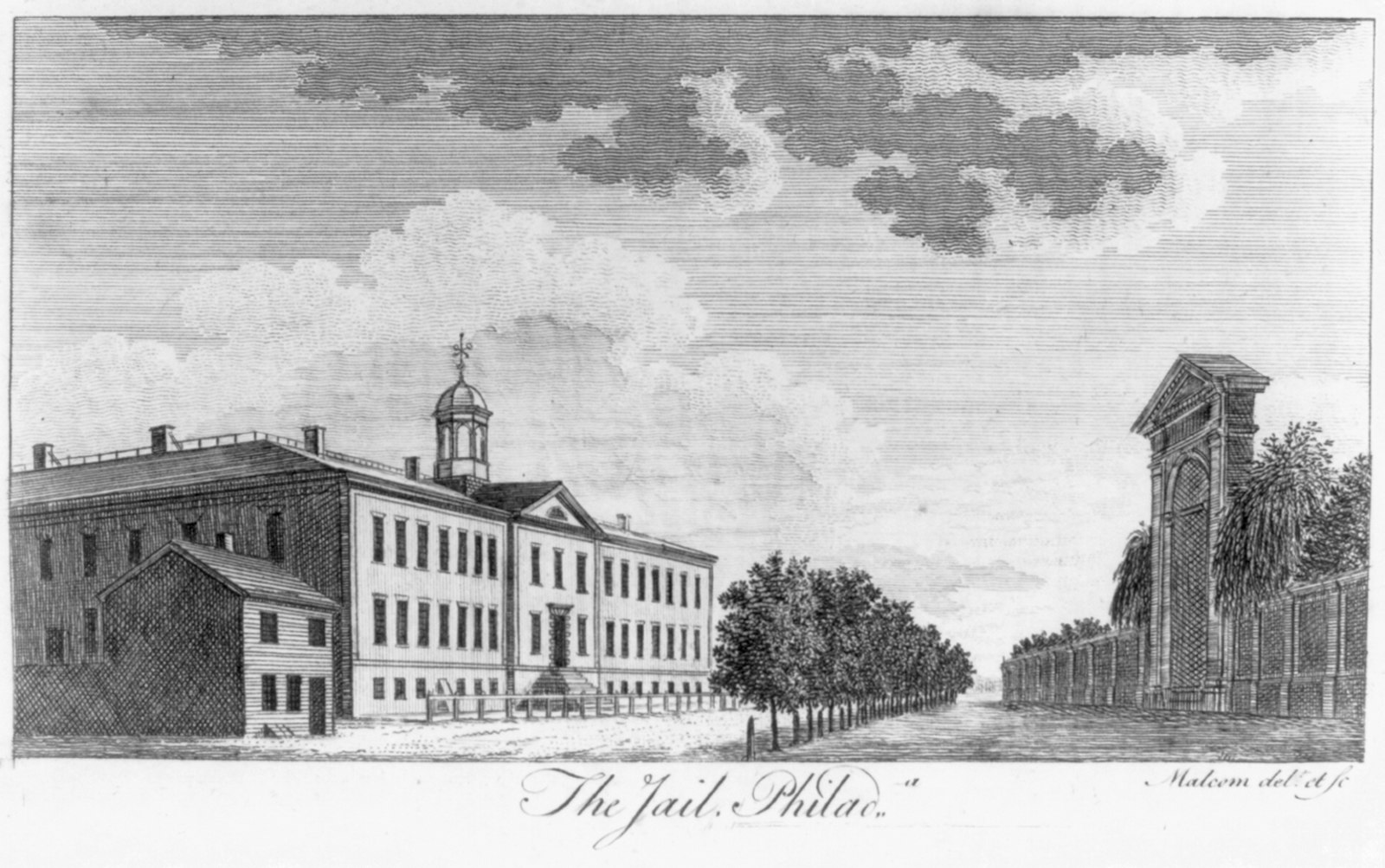
This facility housed both jail inmates and, at some points in time, convicted offenders. Later labeled as a prison, the Walnut Street Jail became a blueprint for later prison construction.
 As the United States began to increase in population, county lines were drawn up within newly established states. Sheriffs began to police their counties and also became responsible for managing lower-level infractions, or misdemeanors, within their jurisdictions. In this way, county jails began to multiply within the United States. Initially, many jails were nothing more than parts of a sheriff’s office—literally, cells in a back room.
Today, large structures (even multiple structures in a single county) constitute jails in the United States. Still today, the vast majority of jails are small in size. And while there are a few larger jails, they increasingly hold more individuals—a potential problem within facilities that are mostly populated by those awaiting trial, who have not been convicted of a crime.
-
Pre-trial detainees represent roughly 81% of all local jail inmates in the United States, while the remaining 19% are individuals who have been sentenced to less than a year or two of incarceration, depending on the jurisdiction.
At this point in history, jails in the U.S. hold three primary functions:
- To hold individuals prior to trial
- To hold individuals serving shorter sentences, typically for less serious crimes
- To hold individuals awaiting transportation to another institution
-
- Jail
- A short-term detention facility where individuals are held while awaiting trial or sentencing or serving short sentences for minor offenses.
2. Diverse Population in Jails Today
One of the more troubling aspects of jails in the United States is the diverse population that gets placed within them. Whenever someone is arrested, this typically starts their process in the criminal justice system. While it might not be the first time they have been arrested, this action places them on the way to jail.
-
Jails are a collection point for many differing agencies, including the county sheriff’s office and municipal or local police.
State police may send individuals directly to jail, and even federal agencies may use a local jail as a point of entry.
-
EXAMPLE
ICE (Immigration and Customs Enforcement) houses many thousands of ICE-holds in jails across the country.
At the end of the day, jails hold all kinds of individuals. While this list is not comprehensive, people held in jails include:
- Felons and misdemeanants
- First-time and repeat offenders
- Those awaiting arraignment or trial
- The accused and convicted
- Parolees stepping down from prison
- Juveniles pending transfer
- Individuals with mental illness awaiting transfer
- Individual with alcohol and substance use disorders
- Detainees for the military
- Detainees for federal agencies
- Individuals in protective custody
- Individuals in contempt of court
- Detainees awaiting transfer to state, federal, or other local authorities
As you can see from this list, there are many types of people in the country’s 3,300-plus jails at any given time. In fact, on any given day, there are over 650,000 individuals in jail in the United States. This daily census has steadily increased since the 1970s, with some decrease during the COVID-19 pandemic. Over the past decade, however, daily jail populations have generally fluctuated between 725,000 to 750,000 people housed in them. Of course, this is only one portion of the people who enter jail annually. Roughly 11 million people are processed through America’s jails each year. Average lengths of stay vary by jurisdiction, but a good estimate is roughly 25 days in jail for each individual.
-
If the majority of jail inmates are awaiting trial and have not been convicted, what does this say about the use of jails in the justice system? What might address this imbalance?
One of the most notable items in the snapshot above is the proportion of individuals that have not been convicted. Roughly 81% of individuals in jails at any given time have not been convicted of a crime, nor sentenced. Other notable groups are individuals held for other agencies. This could be a matter of processing time or allocations of bed space. Still, jails only make up one portion of the brick-and-mortar approach to punishment. Prisons are the other large part, which we will discuss in the next lesson.
In this lesson, you learned about the history of jails in the United States, which originated from English practices. They were initially used to hold individuals awaiting trial or execution, or dealing with debt, illness, or dependency. Historically, jails were privately run, profit-driven, and often provided inadequate care, which led to the establishment of the Walnut Street Jail in 1790, marking the beginning of more regulated facilities. As the U.S. expanded, county jails proliferated, typically managed by sheriffs.
Today, jails serve three main functions: detaining individuals before trial, holding those with short sentences, and temporarily housing individuals awaiting transfer. Jails accommodate a diverse population, including pre-trial detainees, misdemeanants, those with mental illnesses or substance use disorders, among others. Despite their original design, modern jails primarily hold those awaiting trial, with about 81% of people being unconvicted, reflecting a broader issue of pre-trial detention. In the next lesson, you will learn more about prisons in the U.S.



