Table of Contents |
Suppose at 7 AM, you walk outside and it is  F. Then, at 11 AM, the temperature is
  F. We know at some point between 7 AM and 11 AM, the temperature had to be
  F. Why?
This is because temperature doesn’t “jump” from one level to the next, meaning that the temperature is a continuous function of time.
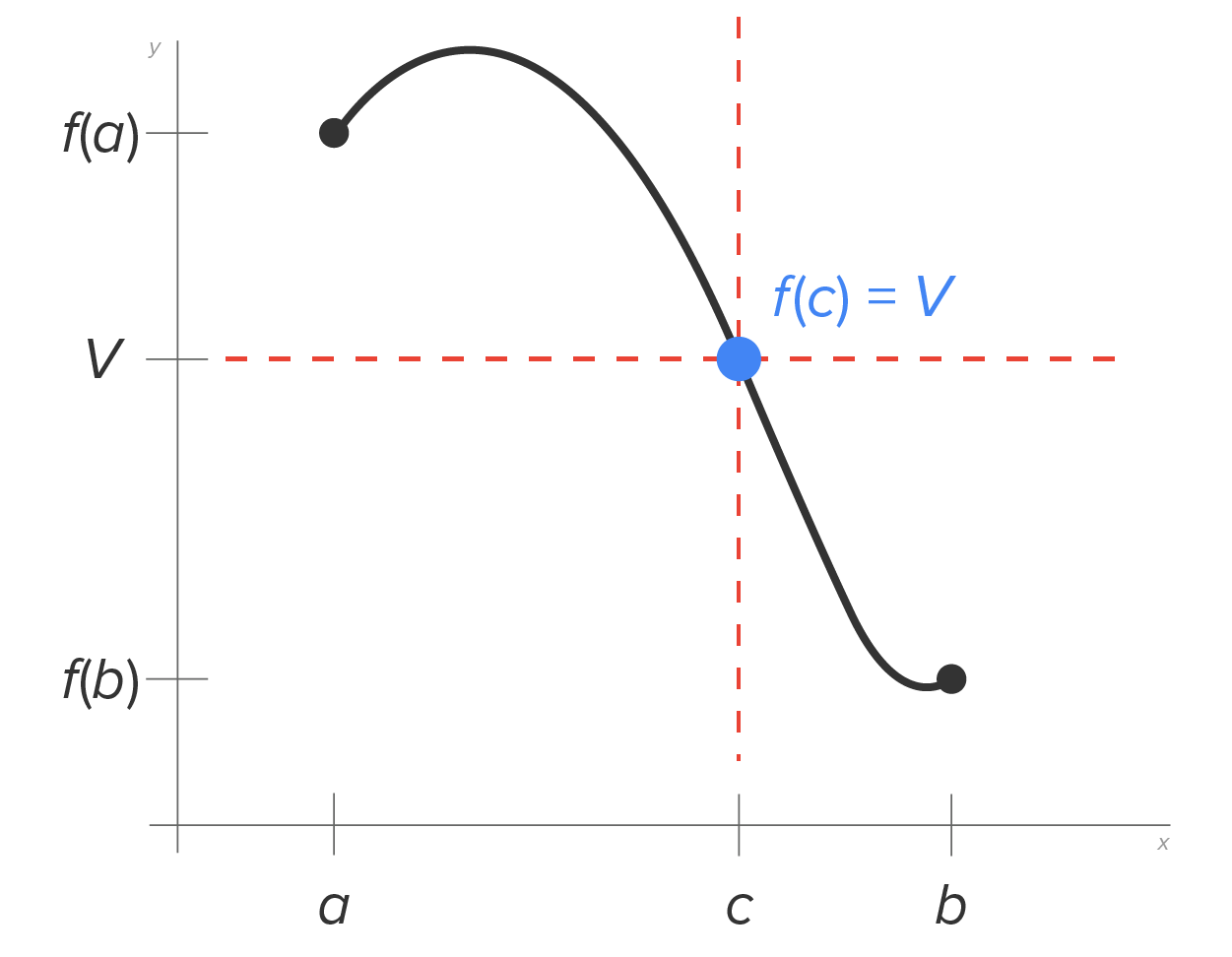
Another way to visualize this:
 and
and 
 between
  and
and  ? The answer should be yes. Otherwise, your graph is not continuous.
For the intermediate value theorem (IVT), suppose  is a continuous function on the closed interval
  . Let V be a value between
  and
and  . Then, there is at least one value of c between
  and b such that
  .
.
EXAMPLE
Consider the continuous function on the closed interval
  Note that
 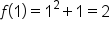 and
and 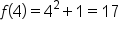 .
.
 . Let’s find this value.
, this means
. Let’s find this value.
, this means  , which means
  , or
, or  . Since
  is between 1 and 4, this illustrates the existence of the value of c in the theorem.
 is a solution to the equation but is not in the interval
  This value of c is not considered when applying the Intermediate Value Theorem in the interval
 make sure to check that each value of c is between and b (the endpoints of the interval). This idea is emphasized again in the next video.
 on
on  is presented in this video.
is a continuous function on the closed interval . Let V be a value between and . Then, there is at least one value of c between a and b such that .
is presented in this video.
is a continuous function on the closed interval . Let V be a value between and . Then, there is at least one value of c between a and b such that .Here is an example of a real-world application in which the IVT can be useful.
EXAMPLE
Suppose a design requires a spherical shape with volume 200 , but the radius of the sphere is to be between 3 and 4 inches. Is it possible to meet these requirements?
 . This problem translates to: Is
  for some value in the interval
  ?
?
 is continuous. Now, evaluate at the endpoints:

 .
.
One particularly useful application of the IVT is locating x-intercepts. Here is the important point:
and have different signs (one is positive and one is negative), then there is a value of c in the interval  such that
  .
.
EXAMPLE
Let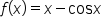 . Show that there is an x-intercept on the interval
  .
is continuous. Next, evaluate the function at the endpoints:
.
is continuous. Next, evaluate the function at the endpoints:


 and
and  have opposite signs, it follows from the IVT that there is a value of x in the interval such that
  .
.
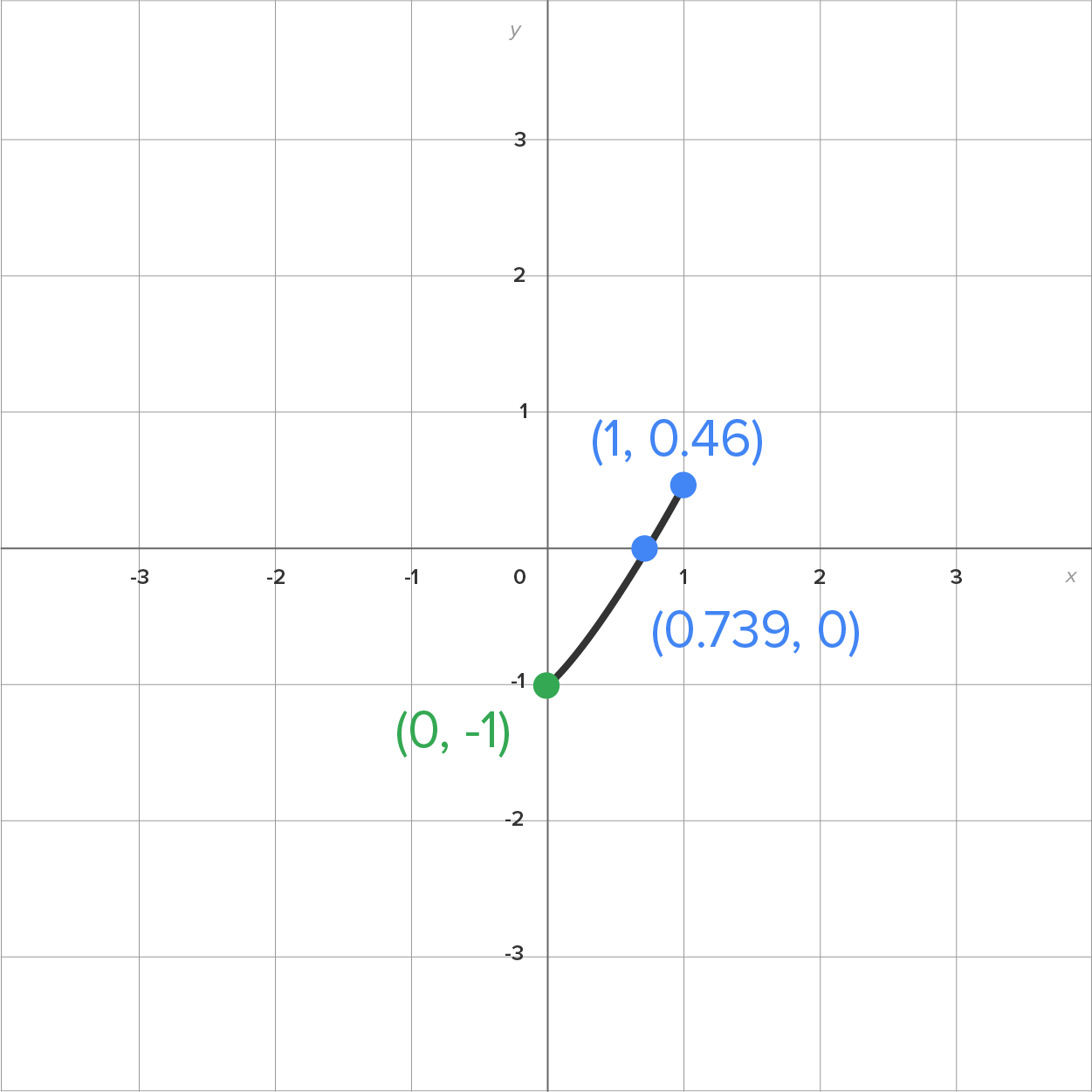
 , which is inside the interval .
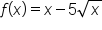 .
is continuous on
.
is continuous on  with
with  and
and  , there must be a value of x for which
  on the interval .
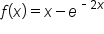 .
is continuous on
.
is continuous on  with
with  and
and  , there must be a value of x for which on the interval . for which the output is V when you have a continuous function on a closed interval
  Specifically, the IVT states that if you have a continuous function on a closed interval
  and if V is between and
  you are guaranteed at least one input, c, in the interval for which
  and have different signs (one is positive and one is negative), then there is a value of c in the interval such that
Source: THIS TUTORIAL HAS BEEN ADAPTED FROM CHAPTER 1 OF "CONTEMPORARY CALCULUS" BY DALE HOFFMAN. ACCESS FOR FREE AT WWW.CONTEMPORARYCALCULUS.COM. LICENSE: CREATIVE COMMONS ATTRIBUTION 3.0 UNITED STATES.
Suppose  is a continuous function on the closed interval
  . Let V be a value between
  and
and  . Then, there is at least one value of c between a and b such that
  .
.




