Table of Contents |
Recall that very early in this course, you learned about the three core functions of public health: assessment, policy development, and assurance. Assessment has been discussed throughout the course; it refers to the collection and analysis of data and information regarding health problems. Additionally, recall that public health professionals collect data and conduct research on health conditions, the potential risks of health conditions, and the resources that are available to address health conditions. One way to address health problems in public and community health is to develop policies that directly address the issues revealed in the analysis of the assessment data. Assurance is the responsibility of and oversight by governmental and nongovernmental public health agencies to ensure that the key parts of a health care system or public health system are in place and effective in providing equal access to quality care and resources.

The core functions of policy development and assurance are closely related and work together to improve public health outcomes. Policy development involves creating policies, plans, and laws that support public health goals. This includes identifying health issues, setting priorities, and developing strategies to address those issues. Activities related to policy development include engaging partners, using evidence-based research, and considering social, economic, and political factors to create effective public health policies. The steps involved in developing a policy are systematic to ensure that the policy effectively addresses the health issue. Because the enforcement of policies can require resources that are scarce, rendering the policy difficult to enforce, and the policy development process can be long and arduous, public health professionals do try to resolve public health problems by other means before initiating the policy development process described below.

Assurance ensures that public health policies and programs are implemented effectively and that the community has access to necessary health services. This involves monitoring and evaluating the effectiveness of policies, ensuring compliance with regulations, and providing services directly through partnerships. Policies developed through policy development are put into action (implemented) through assurance activities. Assurance ensures that the strategies and plans created are executed effectively. Assurance holds policymakers and public health agencies accountable for achieving the goals set during policy development. It ensures that the resources are used efficiently and that the public health objectives are met. Assurance and policy development are interdependent functions that together ensure the creation, implementation, and evaluation of public health policies to protect and promote community health.
One case that demonstrates the interplay between policy development and assurance in public health is the effort to address diesel bus pollution in Northern Manhattan, New York. This case involved the collaboration between West Harlem Environmental Action, Inc. (WE ACT) and the Columbia Center for Children’s Environmental Health.
IN CONTEXT
Case Study: Addressing Diesel Bus Pollution in Northern Manhattan
In the problem identification phase, the community identified high levels of diesel bus pollution as a significant public health issue, particularly affecting children and residents of Northern Manhattan. During policy analysis, WE ACT and its partners conducted research to understand the health impacts of diesel pollution and evaluated various policy options to mitigate these effects. They then developed a comprehensive strategy that included advocating for cleaner bus technologies and stricter emissions standards.
During the assurance phase, the policy was implemented through coordinated efforts with local government agencies to transition to cleaner bus technologies and enforce new emissions standards. The air quality and health outcomes were continuously monitored to assess the effectiveness of the policy. This included tracking reductions in pollution levels and improvements in respiratory health among residents. Assurance activities also involved engaging the community in the monitoring process and ensuring that residents were informed about the policy’s progress and impact.


Outcomes:This case study highlights how policy development and assurance can work together to protect community health by addressing environmental health issues through evidence-based policies and continuous monitoring and evaluation.
- The policy led to significant reductions in diesel emissions, resulting in improved air quality in Northern Manhattan.
- There were measurable improvements in respiratory health among children and other vulnerable populations in the community.
- The success of this initiative demonstrated the importance of community-based research and advocacy in driving policy change and ensuring its effective implementation.
(Adapted from PolicyLink: Promoting Healthy Public Policy through Community-Based Participatory Research: Ten Case Studies, n.d.)
While policy development can technically occur without assurance, the effectiveness and impact of the policy would be significantly compromised. Both functions are essential and interdependent in public and community health. Policies can be developed based on identified needs and evidence-based research. However, without assurance, there would be no mechanism to ensure that these policies are put into action effectively. The absence of assurance means there would be no systematic monitoring or evaluation to determine if the policies are achieving their intended outcomes. Policymakers and public health agencies would not be held accountable for the implementation and success of the policies.
Assurance ensures that policies are executed as intended, with the necessary resources and infrastructure in place. Continuous monitoring and evaluation help assess the impact of policies and provide feedback for improvements. Assurance also holds partners accountable for their roles in implementing and maintaining public health policies. This is crucial for translating policies into tangible actions and outcomes.
Public health laws and policies intend to provide protection and equity in health care. But what happens when laws and policies actually cause harm and exacerbate health disparities? Several public health laws and policies have historically demonstrated systemic racism and bias, leading to health disparities among different racial and ethnic groups. Systemic racism in public health refers to the policies, practices, and structures that create and perpetuate racial inequities in health outcomes. It is deeply embedded in the fabric of society and affects various aspects of life, including where people live, work, learn, and access health care (Braverman et al., 2022).
IN CONTEXT
When Public Health Policies Fall Short
- Redlining was a discriminatory practice that took place from the 1930s to the 1960s, where services (like mortgages and other loans) were denied to residents of certain areas based on their race or ethnicity. This led to segregated neighborhoods with limited access to health care, healthy food, and safe environments (Centers for Disease Control and Prevention [CDC], 2023).
- Communities of color have historically been disproportionately affected by environmental hazards due to policies that allowed industrial facilities and waste sites to be located in their neighborhoods. “Cancer Alley” is a term used to describe one such neighborhood. This is an 85-mile stretch of land along the Mississippi River between Baton Rouge and New Orleans, Louisiana. This area is home to over 200 petrochemical plants and refineries (Human Rights Watch, 2024). The region has earned its nickname due to the high rates of cancer and other health issues among its residents. This has also led to higher rates of asthma, cancer, and other health issues.
- Policies that resulted in unequal access to health care services and disparities in the quality of care received by different racial and ethnic groups have contributed to poorer health outcomes for these populations.
- Laws and policies that have led to the overpolicing and mass incarceration of people of color have had significant public health implications, including mental health issues, substance abuse, and an increased risk of infectious diseases.
The disproportionate impact of COVID-19 on vulnerable and historically marginalized racial and ethnic populations highlighted the existing health disparities and the need for policies that address systemic racism as a root cause of these inequities (CDC, 2024). Addressing systemic racism and bias in public health requires deliberate efforts to create equitable policies and ensure that all communities have access to the resources and opportunities needed for optimal health.
There are, unfortunately, too many examples of vulnerable and marginalized populations disproportionately affected by health disparities and systemic racism. What follows is a description of a case of systemic racism and discrimination in overpolicing.
IN CONTEXT
Systemic Racism: George Floyd
Mr. George Floyd, a Black man, was arrested on May 25, 2020, in Minneapolis, Minnesota, for allegedly using a counterfeit $20 bill. During the arrest, a White police officer knelt on Mr. Floyd’s neck for over 9 min, despite Mr. Floyd repeatedly stating he could not breathe. This excessive use of force for a nonviolent offense highlights the issue of overpolicing, where minor infractions lead to disproportionately aggressive police responses, especially against people of color.
The murder of Mr. Floyd sparked widespread protests and calls for police reform. In response, several cities and states implemented changes. Some cities, like Austin and Los Angeles, pledged to cut police budgets and reinvest in community programs. New York City ended qualified immunity for police officers, which can shield officials from being held liable for monetary damages, making it easier to hold them accountable for misconduct. At least 30 states and Washington, D.C., enacted statewide legislative policing reforms to ensure greater policy uniformity (Amaso, 2020).
The case of Mr. Floyd is a stark reminder of systemic racism in the United States. Black Americans are disproportionately affected by police violence and mass incarceration. Despite making up only 13% of the U.S. population, Black people face 21% of police contact and are over three times more likely to be killed by police than their White counterparts (Amaso, 2020). Mr. Floyd’s death, along with the death of other Black individuals like Ms. Breonna Taylor and Mr. Ahmaud Arbery, intensified calls for addressing systemic racism in policing and the criminal justice system.
Bias in public health can manifest in various ways, including implicit bias, which refers to unconscious attitudes or stereotypes that affect understanding, actions, and decisions in an unintentional manner. Health care providers may unknowingly treat patients differently based on race or ethnicity (Hamed et al., 2022).
IN CONTEXT
Pain Mangement Influenced by Implicit Bias
A Black patient and a White patient both visit the emergency department with similar symptoms of severe pain. The health care providers, influenced by implicit biases, perceive the Black patient’s pain as less severe than the White patient’s pain. This perception is based on the false belief that Black people have a higher pain tolerance (Ray, 2022).
The White patient receives a thorough pain assessment and is quickly provided with pain relief medication. In contrast, the Black patient’s pain is underestimated, and they receive less comprehensive assessment. The White patient is referred to a pain specialist for further evaluation and management. The Black patient, however, is more likely to be screened for substance use and referred for substance use evaluation, reflecting a biased assumption that they might be seeking drugs (Ray, 2022).
The White patient receives timely and appropriate pain management, leading to better health outcomes and relief from pain. The Black patient experiences prolonged pain and discomfort due to inadequate pain management. The biased treatment approach also leads to mistrust in the health care system and reluctance to seek future medical care.
Explicit bias is overt and intentional discrimination against individuals based on their race or ethnicity. Systemic racism and bias lead to significant health disparities, including higher rates of chronic disease, lower life expectancy, and poorer mental health outcomes among racial and ethnic minority groups.
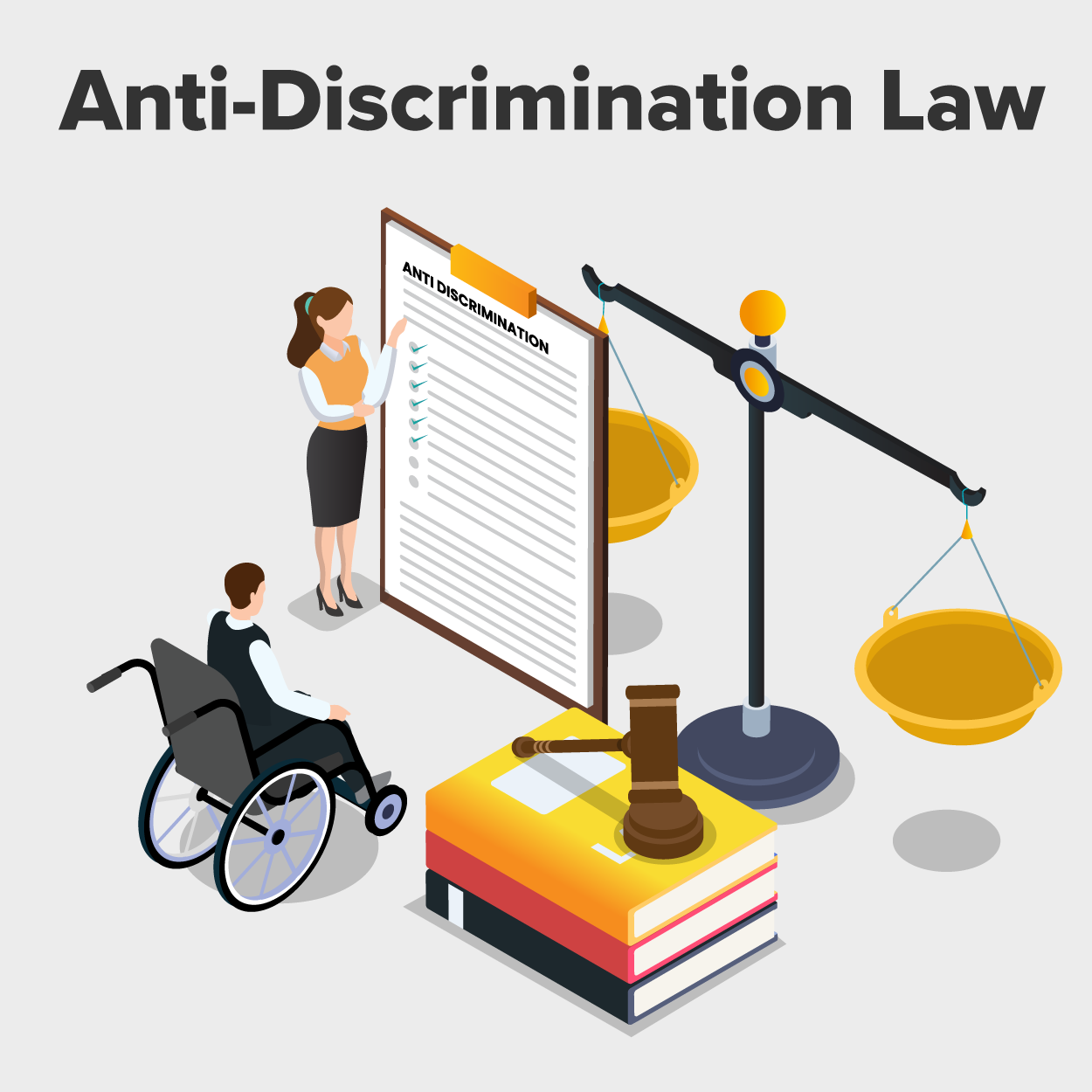
Addressing systemic racism and bias in health care requires a multifaceted approach. Antidiscrimination policies that clearly define and prohibit discrimination, systemic racism, explicit and implicit bias, and microaggressions should be established by health care organizations. Microaggressions refer to subtle, often unintentional, expressions of bias or prejudice that can negatively impact individuals from marginalized communities. These can be verbal, nonverbal, or behavioral actions that convey derogatory or dismissive messages (Healthline, 2024). Microaggressions can create a hostile environment, leading to mistrust, stress, and poorer health outcomes for patients. They can also affect the well-being and sense of belonging of health care professionals from underrepresented groups. Addressing microaggressions, like other discriminatory practices, involves raising awareness, providing training on cultural competency, and fostering an inclusive and respectful health care environment.
This is an example of a verbal microaggression that can occur in a health care workplace:
EXAMPLE
One doctor asks another doctor to help interpret for a patient from Senegal, but when she says she cannot, the doctor says, “I thought you were African.” She has also been told many times that she “doesn’t sound African.” These are subtle verbal (and sometimes nonverbal) actions directed at groups that are vulnerable and marginalized (Albert Einstein College of Medicine, 2023).Preventing public health policies and laws from failing requires a comprehensive approach that addresses various factors. Policies should be based on robust scientific evidence and data to ensure they are effective. Partners, including community members, health care professionals, and policymakers, need to be involved in policy development processes to ensure the policies are relevant and feasible and have broad support. Adequate funding and resources ensure that public health policies and programs are successfully implemented and sustainable. Policy goals, benefits, and implementation plans should be clearly communicated to the public and partners for compliance and support. Continuous monitoring and evaluation of policies help identify issues or gaps and allow for adjustments to improve effectiveness. Policies should be flexible and adaptable to changing circumstances and emerging health threats. Policies should consider and address social determinants of health to ensure a holistic approach to improving public health.
Source: THIS TUTORIAL WAS AUTHORED BY SOPHIA LEARNING. PLEASE SEE OUR TERMS OF USE.
Disclaimer: The use of any CDC and United States government materials, including any links to the materials on the CDC or government websites, does not imply endorsement by the CDC or the United States government of us, our company, product, facility, service, or enterprise.
REFERENCES
Albert Einstein College of Medicine. (2023, May 5). Verbal and behavioral microaggressions in the healthcare workplace. einsteinmed.edu/departments/medicine/diversity-equity-inclusion/articles/10997/verbal-and-behavioral-microaggressions-in-the-healthcare-workplace/
Amaso, A. (2020). Justice for George Floyd: Policing against privilege with noncustodial arrests and a more transparent police force. Georgetown Journal on Poverty Law & Policy. www.law.georgetown.edu/poverty-journal/blog/justice-for-george-floyd-policing-against-privilege-with-noncustodial-arrests-and-a-more-transparent-police-force/
Braverman, P., Arkin, E., Proctor, D., Kauh, T., & Holm, N. (2022, January 1). Systemic racism and health equity. Robert Wood Johnson Foundation. www.rwjf.org/en/insights/our-research/2021/12/systemic-racism-and-health-equity.html
Centers for Disease Control and Prevention. (2023, September 1). Redlining. www.cdc.gov/dhdsp/health_equity/racism.htm#redlining
Centers for Disease Control and Prevention. (2024, June 26). Impact of racism on our nation’s health. www.cdc.gov/minority-health/racism-health/index-1.html
Hamed, S., Bradby, H., Ahlberg, B. M., & Thapar-Björkert, S. (2022). Racism in healthcare: A scoping review. BMC Public Health, 22, Article 988. doi.org/10.1186/s12889-022-13122-y
Healthline. (2024, April 3). What do microaggressions look like in healthcare? Here are some examples. www.healthline.com/health/microaggression-examples-in-healthcare
Human Rights Watch. (2024, January 25). US: Louisiana’s ‘Cancer Alley’. Dire health crisis from government failure to rein in fossil fuels. www.hrw.org/news/2024/01/25/us-louisianas-cancer-alley
PolicyLink. (n.d.). Promoting healthy public policy through community-based participatory research: Ten case studies. www.policylink.org/sites/default/files/CBPR_PromotingHealthyPublicPolicy_final.pdf
Ray, K. (2022). Clinicians’ racial biases as pathways to iatrogenic harms for Black people. AMA Journal of Ethics. 24(8), E768–E772.



