Table of Contents |
In this lesson, you will explore various approaches designed to prevent conflicts from recurring over time. The objective is to understand how long-term conflict prevention strategies can be applied across personal, organizational, and community settings. By comparing these strategies, you will evaluate their effectiveness in different contexts and learn how to implement proactive measures that maintain positive relationships and foster organizational stability. The focus will be on developing the skills and knowledge that will help you address underlying causes of conflict, ensuring a harmonious and productive environment.
Long-term conflict prevention involves using proactive strategies to address the root causes of conflict before they grow into larger issues. Instead of simply reacting to disputes as they occur, this approach encourages continuous, intentional efforts to create a healthy, positive environment—whether in personal relationships, workplaces, or communities. As a student, understanding these strategies will help you navigate future conflicts in various settings, from group projects to workplace dynamics.
The key idea behind long-term conflict prevention is to reduce the likelihood of conflict by promoting open communication, trust, and mutual understanding.
EXAMPLE
Regular check-ins, team-building activities, or feedback mechanisms are all proactive steps that allow potential issues to be addressed before they escalate. In these situations, creating an atmosphere of openness ensures that everyone feels heard, which can stop misunderstandings from developing into bigger problems.Additionally, long-term conflict prevention emphasizes the importance of building strong relationships and enhancing conflict resolution skills. Learning techniques like active listening, empathy, and negotiation can empower you to handle disagreements constructively. By focusing on these skills, you’ll be better equipped to resolve conflicts effectively and maintain healthier, more collaborative relationships in both personal and professional environments.
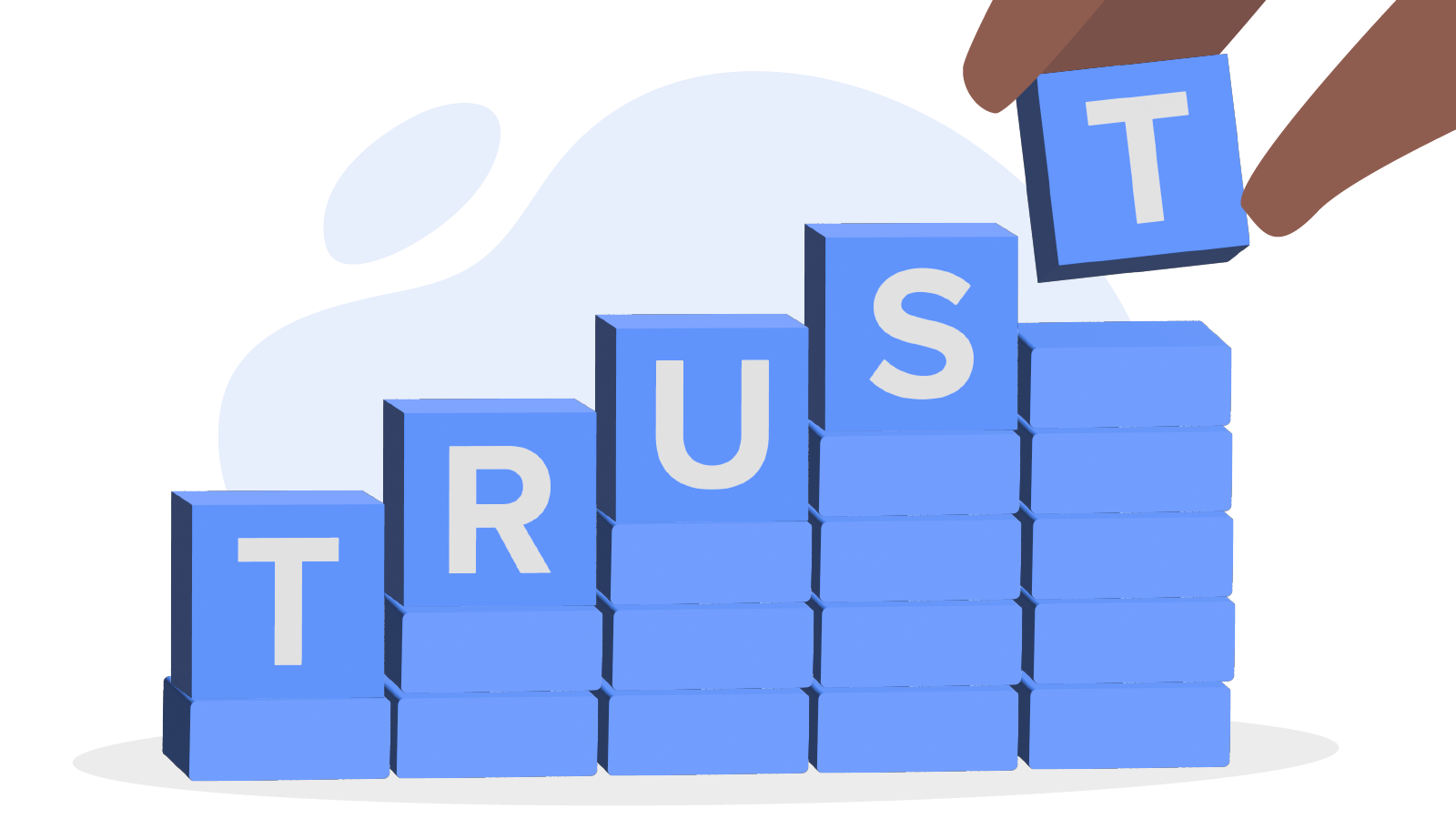
Effective long-term conflict prevention hinges on several key elements that create a foundation of trust, open communication, and proactive engagement. By focusing on these components, we can address potential sources of tension before they escalate into serious conflicts. Here are the primary elements that drive long-term conflict prevention:
In this section, we will explore long-term strategies for preventing conflict. By focusing on communication and collaboration strategies and structural and external support strategies, you will learn how fostering open dialogue and creating supportive frameworks can help maintain lasting harmony and prevent conflicts from escalating in both personal and professional settings.
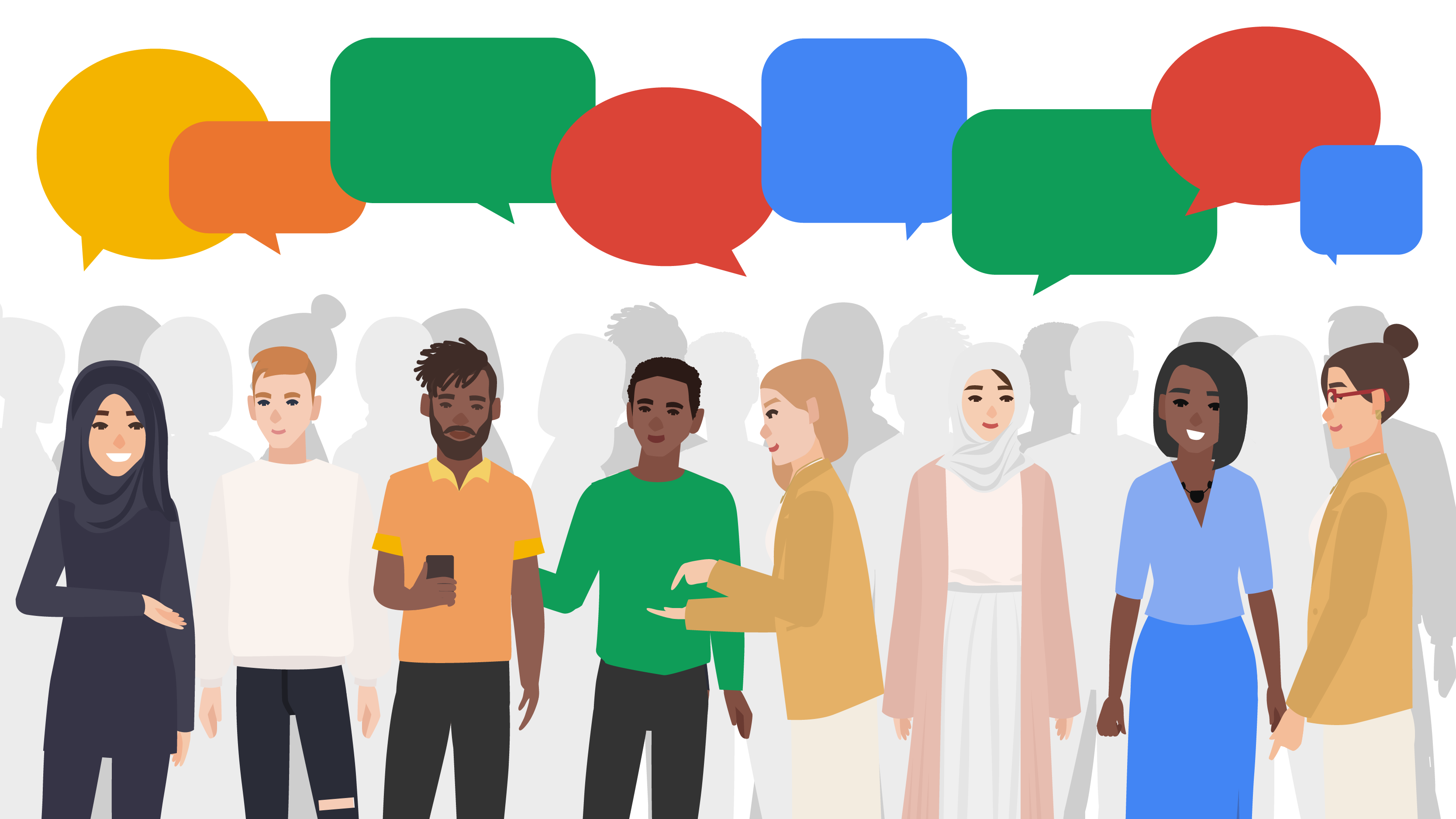
Open and transparent communication is a fundamental element in preventing misunderstandings that can lead to conflict. When individuals feel comfortable expressing concerns and sharing thoughts, issues are more likely to be addressed before they escalate. This proactive approach to communication fosters trust and transparency within teams, families, or communities. Regular feedback mechanisms, such as check-ins, surveys, or open discussions, paired with active listening, allow people to voice concerns and make them feel heard. Active listening, which involves fully concentrating on the speaker and understanding their message, further promotes collaboration and reduces the likelihood of conflict.
EXAMPLE
In a workplace setting, having regular team meetings or one-on-one check-ins helps identify and resolve minor issues before they become major problems. Similarly, in family settings, holding weekly family discussions can ensure everyone’s concerns are addressed, helping to maintain open lines of communication.Collaborative problem-solving emphasizes working together to find mutually beneficial solutions rather than competing to “win” a dispute. This approach encourages cooperation, strengthens relationships, and ensures that each party’s voice is heard. Collaborative problem-solving fosters ownership in the outcome, as all participants contribute to crafting the solution. It also reduces future conflict by ensuring that everyone feels satisfied with the result. By promoting teamwork over competition, this approach helps build stronger, more cooperative relationships that can withstand future challenges.
EXAMPLE
In a workplace, using consensus-based decision-making can help teams navigate disagreements and find a solution that satisfies everyone. In family or group settings, collaborative problem-solving might involve discussing and agreeing on a shared plan for tackling household responsibilities, ensuring that everyone feels involved in the outcome.Trust is at the heart of long-term conflict prevention. Relationships built on trust foster an atmosphere of respect, understanding, and openness, making conflicts less likely to arise. When individuals trust one another, they are more likely to communicate openly, resolve differences peacefully, and collaborate effectively. Regular team-building activities, community programs, or family bonding experiences provide opportunities for individuals to develop stronger relationships and understand one another better. These activities promote connection, reduce misunderstandings, and lay the groundwork for a supportive and cooperative environment.
EXAMPLE
Organizing workplace retreats or family gatherings centered on shared experiences and teamwork helps strengthen relationships and establish trust. These experiences provide a relaxed setting where participants can bond, build trust, and cultivate a deeper understanding of one another’s perspectives.By incorporating these types of proactive communication, collaborative problem-solving, and relationship-building efforts, you create a foundation for preventing future conflicts, ensuring a more harmonious and productive environment.
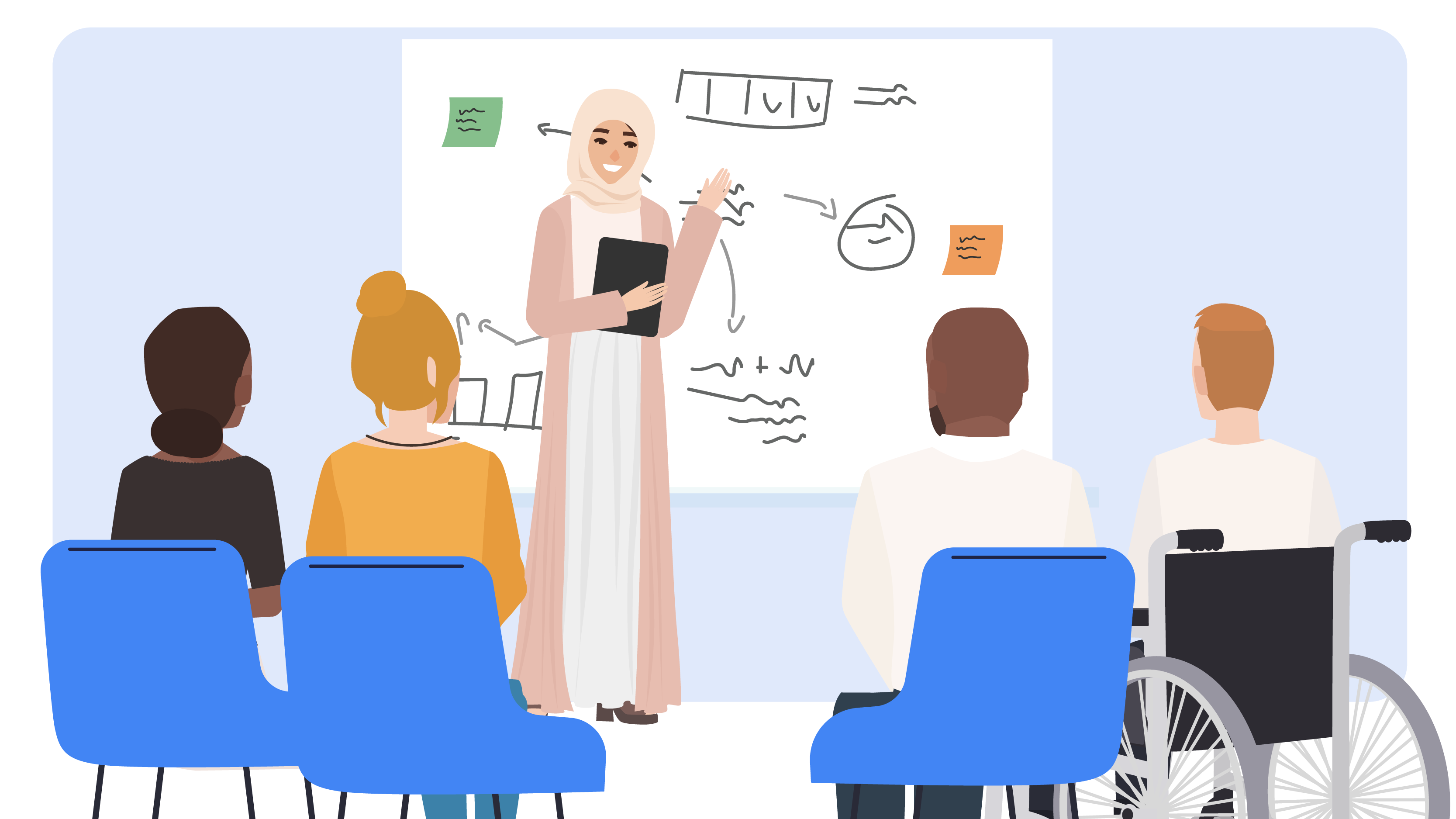
Providing individuals with conflict resolution training equips them with the tools needed to handle disputes constructively and confidently. This proactive approach helps individuals understand the underlying dynamics of conflict, enabling them to recognize, de-escalate, and resolve issues before they grow. Training often focuses on key skills such as negotiation, emotional intelligence, and mediation. These skills not only foster collaboration but also empower people to manage difficult situations themselves, reducing reliance on external intervention. By investing in training, organizations and communities build a culture of problem-solving where individuals are prepared to engage in constructive dialogue and prevent conflicts from escalating.
EXAMPLE
Hosting conflict resolution workshops in workplaces, schools, or community centers teaches participants how to handle disputes, improve their interpersonal communication, and work toward win-win outcomes. Such programs might include role-play exercises, teaching participants how to mediate disagreements or negotiate mutually acceptable solutions.Setting clear guidelines, boundaries, and expectations prevents confusion and potential conflicts. When responsibilities and rules are clearly defined, it helps minimize misunderstandings, providing structure and clarity for all involved. Formal agreements and well-defined roles are particularly important in environments such as workplaces, families, and communities, where ambiguity can lead to frustration and disputes. Implementing clear policies ensures that everyone understands their obligations and the behavior expected of them, thus reducing the likelihood of conflicts arising from unmet expectations.
EXAMPLE
In the workplace, formal policies can outline specific job responsibilities, ensuring that employees know what is expected of them. Similarly, in family or community settings, establishing agreements on shared chores, schedules, or acceptable behavior helps create a harmonious environment by clarifying each person’s role.In high-stakes or emotionally charged situations, involving a neutral third party, such as a mediator, can prevent conflicts from escalating. These professionals facilitate open and productive discussions, guiding individuals toward resolution while maintaining fairness and objectivity. Mediators help ensure that all parties feel heard and provide a structured process to navigate the conflict, promoting mutual understanding and compromise. Early intervention by mediators can be particularly effective in preventing small disputes from developing into larger conflicts, helping to resolve issues before they disrupt the broader environment.
EXAMPLE
Schools or workplaces can establish a dedicated mediation or conflict resolution team to intervene in disputes early, providing guidance and helping to resolve issues before they escalate. This ensures that conflicts are addressed in a constructive and timely manner, helping to maintain a positive environment for all the parties involved.Source: THIS TUTORIAL WAS AUTHORED BY MARLENE JOHNSON (2019) and STEPHANIE MENEFEE and TRACI CULL (2024). PLEASE SEE OUR TERMS OF USE.



