Table of Contents |
Labor relations refer to the relationship between employers and employees, focusing on how they communicate, negotiate, and manage workplace issues. This field includes various aspects, such as collective bargaining, labor laws, and union activities. At its core, labor relations aim to balance the interests of both parties to create a fair and productive work environment.
Understanding labor relations is important for several reasons. It helps maintain harmony in the workplace. When employees feel heard and valued, they are more likely to be motivated and productive. Effective labor relations practices can prevent conflicts and resolve disputes before they escalate, ensuring smoother operation of the organization.
Labor relations also play a role in protecting workers’ rights. Through unions and collective bargaining, employees can negotiate better wages, benefits, and working conditions. This not only improves their quality of life but also promotes a sense of security and job satisfaction.
Good labor relations contribute to the overall success of a business. Companies that prioritize fair treatment and open communication with their employees often enjoy higher levels of loyalty and lower turnover rates. This can lead to a more stable and experienced workforce, which is beneficial for long-term growth and competitiveness.
Additionally, understanding labor relations is necessary for compliance with labor laws and regulations. Employers must navigate a complex legal landscape to avoid penalties and ensure they are meeting their obligations. Knowledge of labor relations helps in making informed decisions that align with legal requirements and ethical standards.
The early labor movements began during the Industrial Revolution, a time of rapid industrial growth and significant changes in the workforce. As factories and industries expanded, workers faced long hours, low wages, and unsafe working conditions. These harsh realities led to the rise of labor unions, which aimed to improve the lives of workers through collective action.
During the Industrial Revolution, the need for organized labor became clear. Workers began to realize that they could achieve more by banding together than by acting individually. This period saw the formation of some of the first labor unions, which sought to address the grievances of workers and push for better conditions.
One of the earliest and most influential labor organizations was the Knights of Labor, founded in 1869. The Knights of Labor welcomed workers from various trades and backgrounds, promoting the idea of solidarity among all laborers. They fought for an eight-hour workday, equal pay for equal work, and the abolition of child labor. Their inclusive approach and broad goals made them a powerful force in the labor movement. The Knights of Labor also advocated for political reforms, such as the establishment of cooperatives and the regulation of monopolies, which they believed would benefit the working class.
Another important organization was the American Federation of Labor (AFL), established in 1886 by Samuel Gompers. Unlike the Knights of Labor, the AFL focused on skilled workers and aimed to secure better wages, hours, and working conditions through collective bargaining. The AFL’s emphasis on practical goals and its structure of autonomous craft unions made it a lasting and influential entity in the labor movement. The AFL’s approach was more conservative compared to the Knights of Labor, focusing on immediate economic gains rather than broader social reforms.
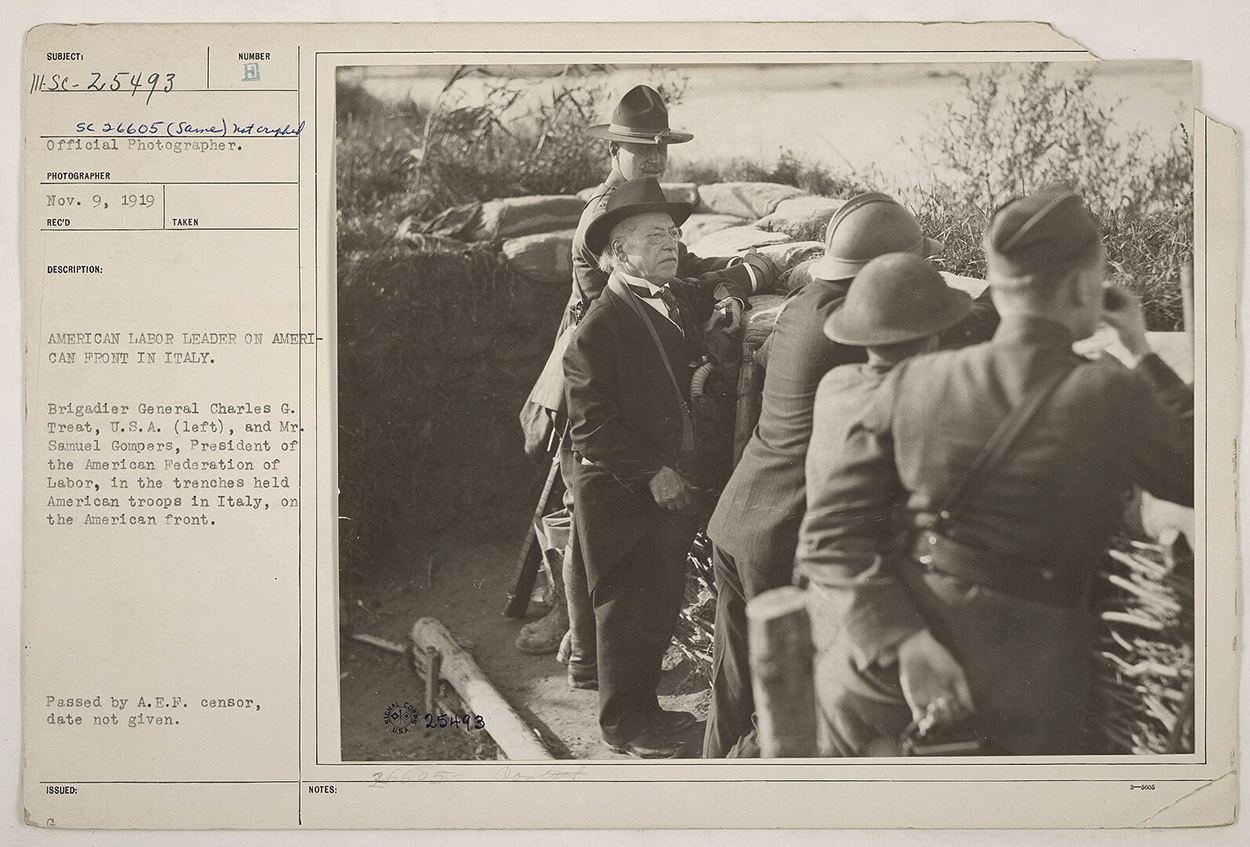
These early labor movements laid the groundwork for future labor activism. They highlighted the importance of unity and collective action in achieving workers’ rights. The efforts of organizations like the Knights of Labor and the AFL showed that organized labor could bring about significant changes, setting the stage for the continued evolution of labor relations in the United States. The legacy of these early movements is evident in the labor protections and rights enjoyed by workers today, as well as in the ongoing efforts to address new challenges in the modern workplace.
Today, workers benefit from a range of rights and protections that were hard-won by these early labor movements. For instance, the establishment of the 40-hour workweek and overtime pay ensures that workers are compensated fairly for their time. The minimum wage laws guarantee a baseline level of income for all workers. Additionally, anti-discrimination laws protect workers from unfair treatment based on race, gender, religion, and other characteristics. The right to collective bargaining allows workers to negotiate better wages and working conditions.
The history of labor relations is marked by several important strikes and events that have shaped the landscape of workers’ rights and labor laws. These events highlight the struggles and achievements of the labor movement, illustrating the ongoing fight for fair treatment and better working conditions.
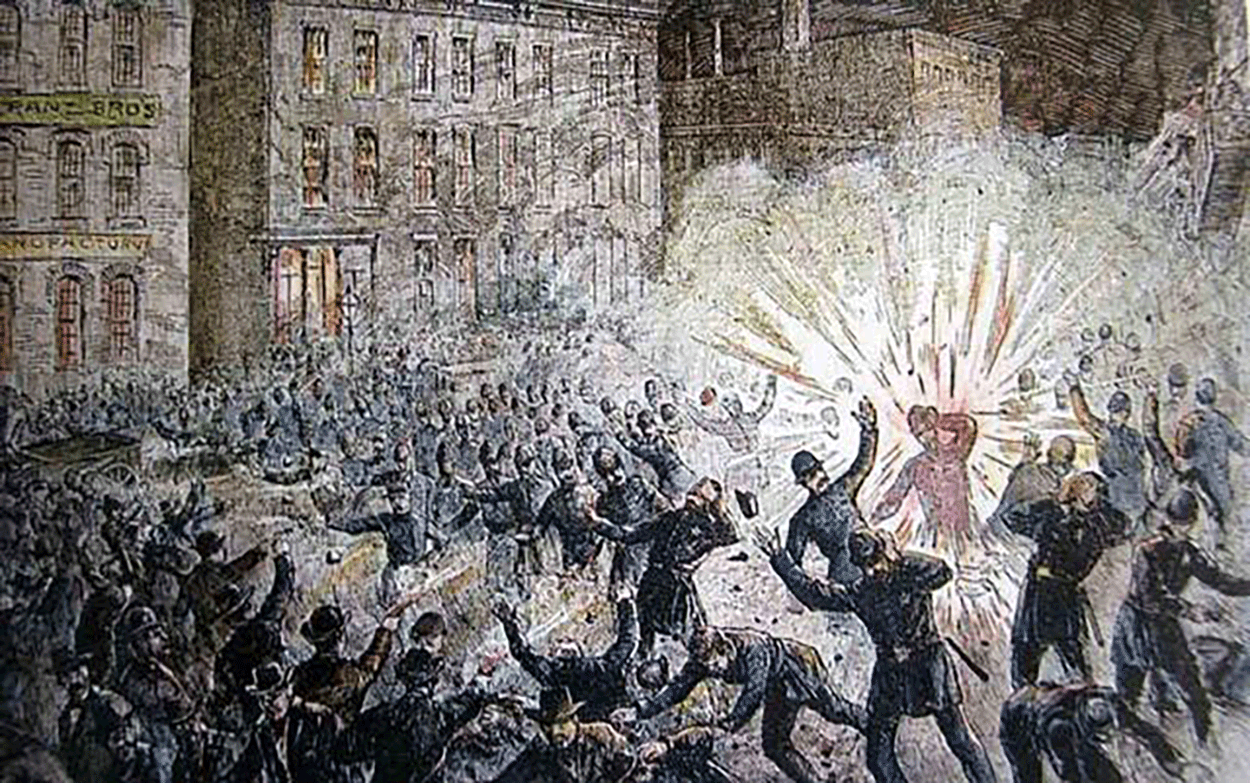
The Haymarket Affair, also known as the Haymarket Massacre or Haymarket Riot, took place on May 4, 1886, in Chicago. It began as a peaceful rally in support of workers striking for an eight-hour workday. The rally was organized by labor activists and anarchists who were advocating for workers’ rights. The situation turned violent when an unknown person threw a bomb at the police, who were attempting to disperse the crowd. The explosion and subsequent gunfire resulted in the deaths of several police officers and civilians.
The Haymarket Affair had a profound impact on the labor movement. It led to a backlash against labor unions and anarchists, with many leaders being arrested and some executed. Despite the negative consequences, the event also galvanized the labor movement, highlighting the need for better working conditions and labor laws. The Haymarket Affair is remembered as a pivotal moment in labor history, symbolizing the struggle for workers’ rights and the sacrifices made by labor activists.
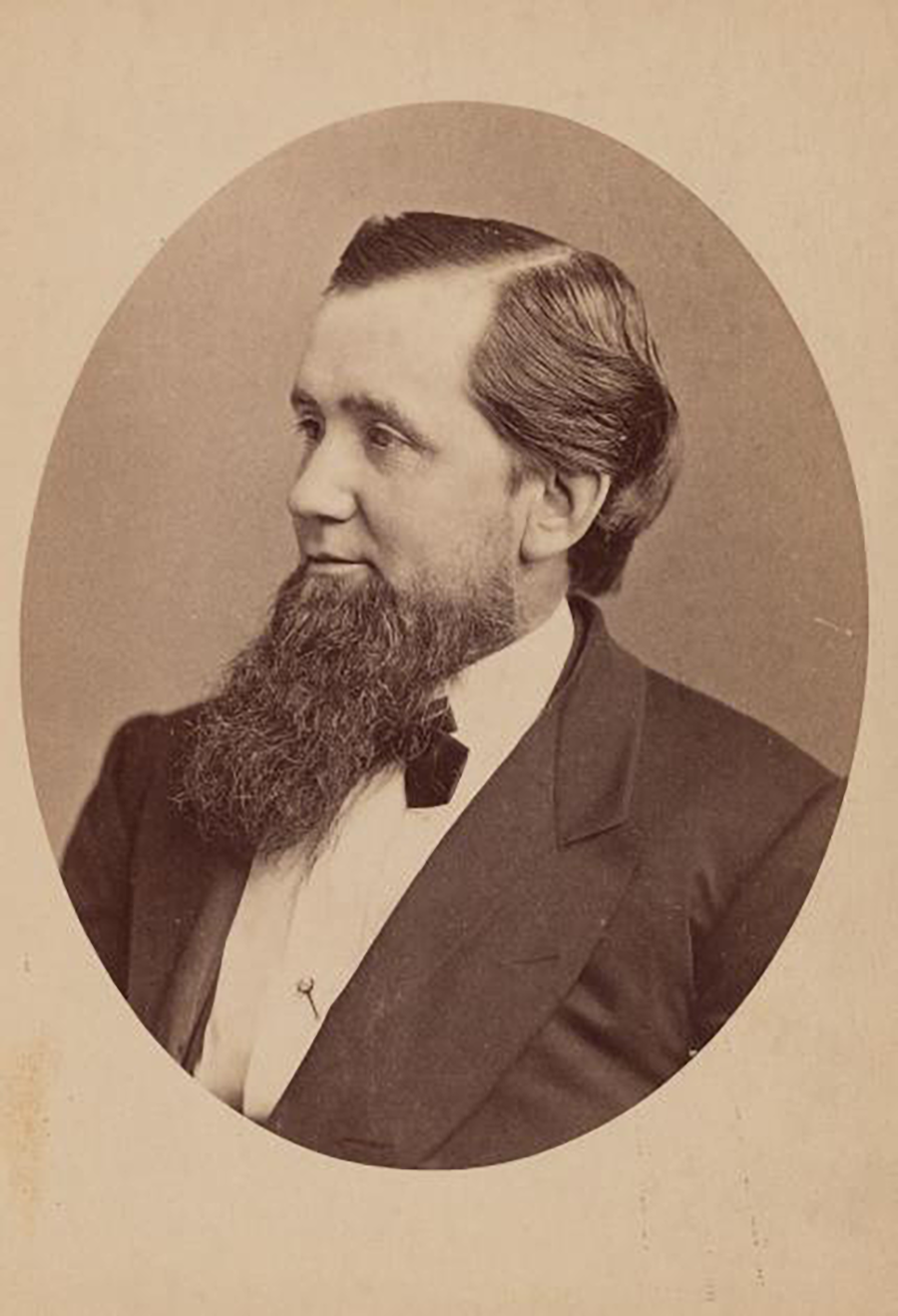
The Pullman Strike of 1894 was a nationwide railroad strike that had far-reaching implications for labor relations in the United States. The strike began at the Pullman Company in Chicago, where workers were protesting wage cuts and high rents in company-owned housing. Led by the American Railway Union (ARU) and its leader, Eugene V. Debs, the strike quickly spread to other railroads, disrupting rail traffic across the country.
The federal government intervened, citing the disruption of mail delivery and interstate commerce. President Grover Cleveland sent federal troops to break the strike, leading to violent clashes between strikers and soldiers. The strike ended with the defeat of the workers, and many were blacklisted from future employment in the railroad industry.
The Pullman Strike highlighted the tensions between labor and management and the willingness of the government to intervene on behalf of business interests. It also underscored the need for labor reforms and better protections for workers. In response to the strike, Congress established Labor Day as a national holiday to honor the contributions of workers and the labor movement.
The Great Depression of the 1930s brought widespread economic hardship, with high unemployment and severe poverty affecting millions of Americans. The dire conditions led to increased labor unrest and a renewed push for labor reforms. The labor movement gained momentum as workers sought to improve their living and working conditions during this challenging period.
Unions faced significant challenges during this time, including strong opposition from employers and government authorities, who often used legal and sometimes violent means to suppress union activities. Additionally, there was fear and resistance from some workers themselves, who were concerned about potential retaliation from employers or losing their jobs if they joined unions. Despite these obstacles, the determination and solidarity of workers led to crucial labor reforms.
One of the most significant labor reforms of this era was the passage of the National Labor Relations Act (NLRA) in 1935, also known as the Wagner Act. The NLRA guaranteed workers the right to form unions, engage in collective bargaining, and take collective action, such as strikes. It also established the National Labor Relations Board (NLRB) to oversee labor relations and ensure the enforcement of labor laws.
Another important reform was the Fair Labor Standards Act (FLSA) of 1938, which established minimum wage, overtime pay, and child labor standards. These reforms provided critical protections for workers and helped to stabilize the labor market during the economic recovery.
The labor reforms of the Great Depression era had a lasting impact on labor relations in the United States. They strengthened the rights of workers, promoted fair labor practices, and laid the foundation for modern labor laws. The legacy of these reforms continues to influence labor relations and workers’ rights today.
These significant strikes and events illustrate the ongoing struggle for workers’ rights and the importance of labor activism in shaping labor laws and policies. They serve as reminders of the sacrifices made by labor activists and the progress achieved through collective action and advocacy.
The period following World War II marked a significant transformation in labor relations, characterized by the rapid growth of unions and their increasing influence on the American workforce. During this time, the United States experienced a boom in industrial production and economic growth. This period saw a significant increase in union membership, with unions becoming a powerful force in the American economy. By the mid-20th century, unions represented a substantial portion of the workforce, advocating for better wages, benefits, and working conditions.
The war effort had highlighted the importance of labor, and many workers who had contributed to the war industries sought to maintain their improved working conditions and wages. The success of unions in securing these benefits attracted more workers to join. Unions played a crucial role in negotiating collective bargaining agreements that set standards for wages, hours, and working conditions across various industries. These agreements not only improved the lives of union members but also set benchmarks that benefited non-union workers. The principles and practices established during this time laid the foundation for modern labor relations, emphasizing the importance of collective action and solidarity among workers.
Modern labor relations have evolved from their historical roots, adapting to changes in the economy, technology, and workforce demographics. Today, they address issues like workplace diversity, technological advancements, and the gig economy, reshaping how unions and employers interact.
A notable trend is the decline in union membership due to economic shifts, such as the move from manufacturing to service industries, and the rise of freelancing and gig work. Globalization has also increased competition, leading companies to cut costs, sometimes at the expense of unionized labor. Unions continue to play a role in supporting workers’ rights, focusing on sectors like healthcare and education, and addressing issues like workplace safety, fair wages, and benefits.
Technology impacts labor relations, with automation and AI transforming industries and raising concerns about job displacement and retraining needs. Unions and employers must balance technological benefits with potential worker impacts. Digital platforms and social media have become essential for unions to organize, mobilize, and engage with members, reaching a broader audience and advocating innovatively.
The gig economy presents unique challenges and opportunities. Gig workers, like ride-share drivers and freelancers, often lack traditional employee protections and benefits, sparking debates on their classification and fair treatment.
Modern labor relations also stress workplace diversity and inclusion. Unions and employers recognize the value of a diverse workforce and the need for inclusive environments, addressing gender equality, racial discrimination, and accessibility for workers with disabilities. Efforts include policies ensuring equal opportunities for all employees, with unions supporting these changes to eliminate barriers and create equitable workplaces.
Source: This tutorial has been adapted from Lumen Learning's "Human Resources Management". ACCESS FOR FREE AT courses.lumenlearning.com/wm-humanresourcesmgmt/. LICENSE: CC ATTRIBUTION 4.0 INTERNATIONAL. Accessed by June 2024.



