Table of Contents |
Group dynamics and cultural influence play a critical role in shaping how individuals form and interact within groups. Human grouping tendencies are deeply rooted in both the psychological need for belonging and the cultural norms that define acceptable behaviors and values within a society. As people navigate their social environments, they are influenced by shared beliefs, traditions, and the collective goals of their communities, which in turn dictate how they align themselves with others. Understanding these dynamics and cultural influences is essential for grasping how groups form, function, and evolve, as well as how they address conflicts and achieve common objectives.
While group formation is a natural and often beneficial process, it can also lead to tension and conflict, both within and between groups. Understanding the dynamics of group-related conflict is essential for resolving disputes and fostering positive intergroup relations.
The formation of in-groups and out-groups can lead to significant conflict between groups, particularly when there are perceived differences in values, goals, or resources. These conflicts can range from mild tensions to severe confrontations, depending on the level of animosity between the groups.
Intergroup conflict often arises when one group perceives a threat from another group. This threat can be real or perceived, and it can take many forms, such as competition for resources, differences in cultural values, or political disagreements.
EXAMPLE
In political contexts, conflict between different parties or ideologies is common. Supporters of one party may view the other party as a threat to their values and way of life, leading to intense rivalry and opposition. This type of intergroup conflict can be exacerbated by attribution bias, as each side attributes positive traits to their own group and negative traits to the other.The consequences of intergroup conflict can be severe. In addition to causing psychological distress and social division, intergroup conflict can lead to violence, discrimination, and even war. The longer a conflict persists, the more entrenched the positions of the groups involved become, making resolution more challenging.
Remember social identity theory? Social identity theory offers a framework for understanding why intergroup conflict occurs. According to this theory, individuals derive part of their self-esteem from their group membership. When their group’s identity is threatened, individuals may respond defensively, leading to conflict with other groups.
This theory also explains why intergroup conflicts can become so intense. When individuals strongly identify with their group, any challenge to the group’s status or values is perceived as a personal attack. This leads to heightened emotions, such as anger and resentment, which can fuel conflict.
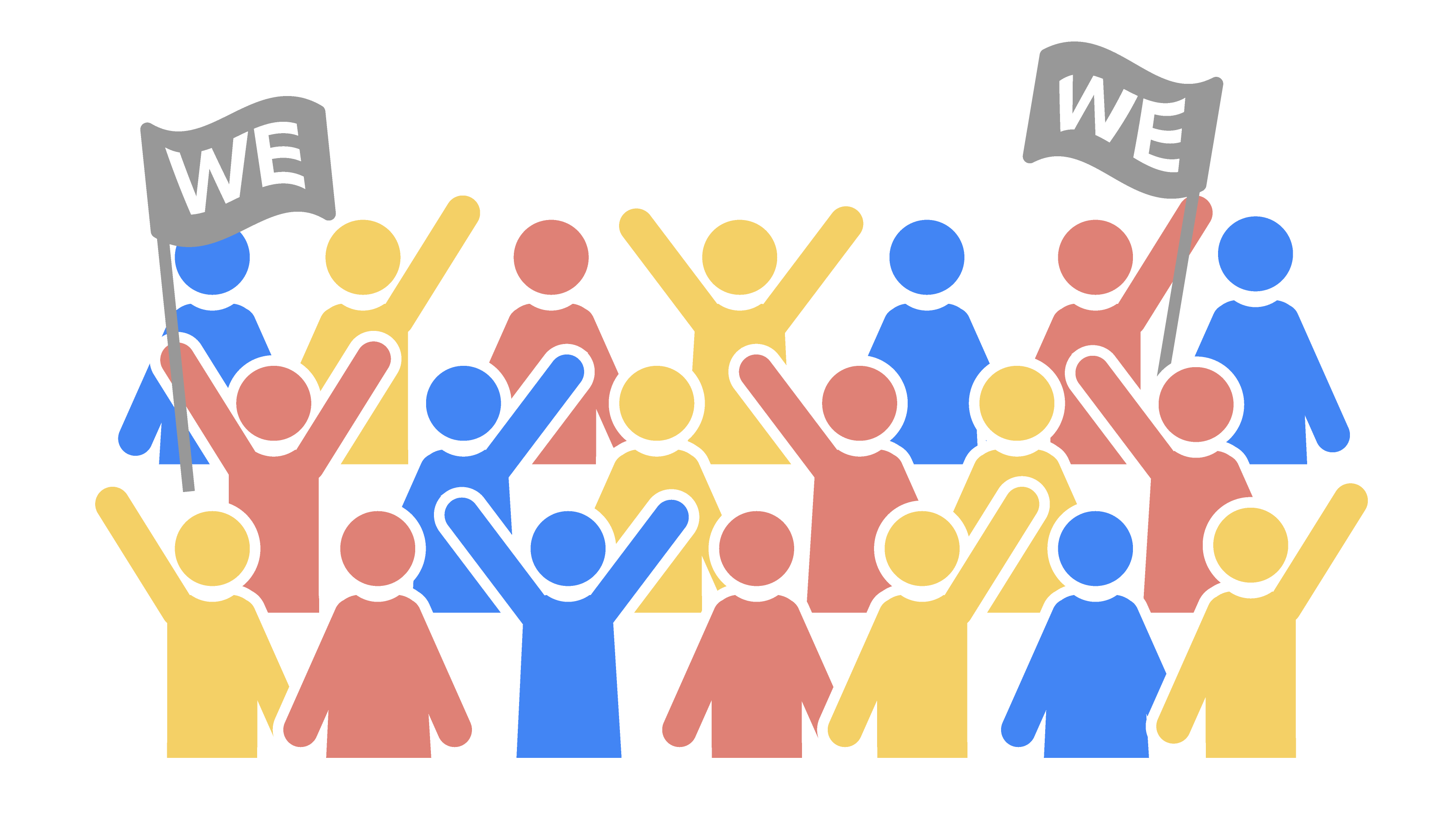
Social identity theory also suggests that the more an individual identifies with their group, the more likely they are to devalue out-groups. This devaluation can manifest in stereotypes, prejudice, and discrimination, all of which contribute to intergroup conflict.
While much attention is often given to conflicts between groups, conflicts within groups are also common. Intragroup conflicts can arise from differences in opinions, goals, or levels of commitment among group members.
Intragroup conflict can occur for several reasons. One common cause is differing opinions or perspectives within the group. Even in groups with shared values or goals, members may disagree on how to achieve those goals or interpret those values. These disagreements can lead to tension and, if not addressed, escalate into more significant conflicts.
Another cause of intragroup conflict is unequal participation or contribution from group members. In any group, some members may be more committed or involved than others. When certain members feel that others are not pulling their weight, it can lead to frustration and resentment. This dynamic is particularly common in work or team settings, where the success of the group depends on the collective effort of all members.
Intragroup conflict can also arise from role ambiguity or competition. When group members are unclear about their roles or responsibilities, or when multiple members vie for the same role or position, it can create confusion and conflict. This is especially true in hierarchical groups, where status and power dynamics play a significant role.
It is also important for group leaders or facilitators to clarify roles and responsibilities, ensuring that all members understand their contributions to the group’s goals. When roles are clearly defined, it reduces the likelihood of misunderstandings and competition within the group.
In some cases, addressing intragroup conflict may involve renegotiating group norms or goals. If the group is experiencing persistent conflict, it may be necessary to revisit the group’s mission or objectives to ensure that all members are aligned. This process can help reestablish group cohesion and create a sense of shared purpose.
We talked about culture when we learned about intergroup conflict, but culture also plays a significant role in shaping how humans form groups and how they manage conflict within and between those groups.
Cultural norms, values, and worldviews influence everything from the types of groups people join to the ways in which conflicts are perceived and resolved.

One of the most significant cultural factors influencing group formation is the distinction between individualism and collectivism. These cultural orientations shape how people prioritize their own needs versus the needs of the group, and they influence how conflicts are approached.
In individualistic cultures, such as those found in many Western societies, individuals are encouraged to prioritize their own goals and desires. Group membership is often based on personal choice, and individuals may join or leave groups based on how well the group’s values align with their own.
However, the emphasis on individualism can also lead to challenges in group cohesion. When individuals prioritize their own goals over the group’s, it can lead to conflicts and a lack of cooperation.
EXAMPLE
In a workplace setting, an employee who is primarily focused on advancing their own career may be less willing to collaborate with colleagues, leading to tension and conflict.In collectivist cultures, such as those found in many Asian, African, and Latin American societies, the needs of the group are often prioritized over individual desires. Group membership is often seen as a duty, and individuals are socialized to think of themselves as part of a larger whole.
In these cultures, people are more likely to form groups based on shared values, communal goals, and social obligations.
EXAMPLE
In Japan, group harmony and consensus are highly valued, and individuals are expected to align their behavior with the expectations of their group, whether it be family, work, or community.The emphasis on collectivism can lead to strong group cohesion and a sense of solidarity. However, it can also result in challenges, particularly when group members feel pressured to conform to group norms or suppress their own opinions for the sake of harmony. This dynamic can lead to underlying tensions that may not be openly expressed but can affect group functioning.
When conflicts arise within or between groups, cultural differences can significantly impact how those conflicts are perceived and resolved. Understanding these cultural influences is important for effective conflict resolution, particularly in multicultural or international contexts.
One important cultural factor in conflict resolution is the distinction between high-context and low-context communication.
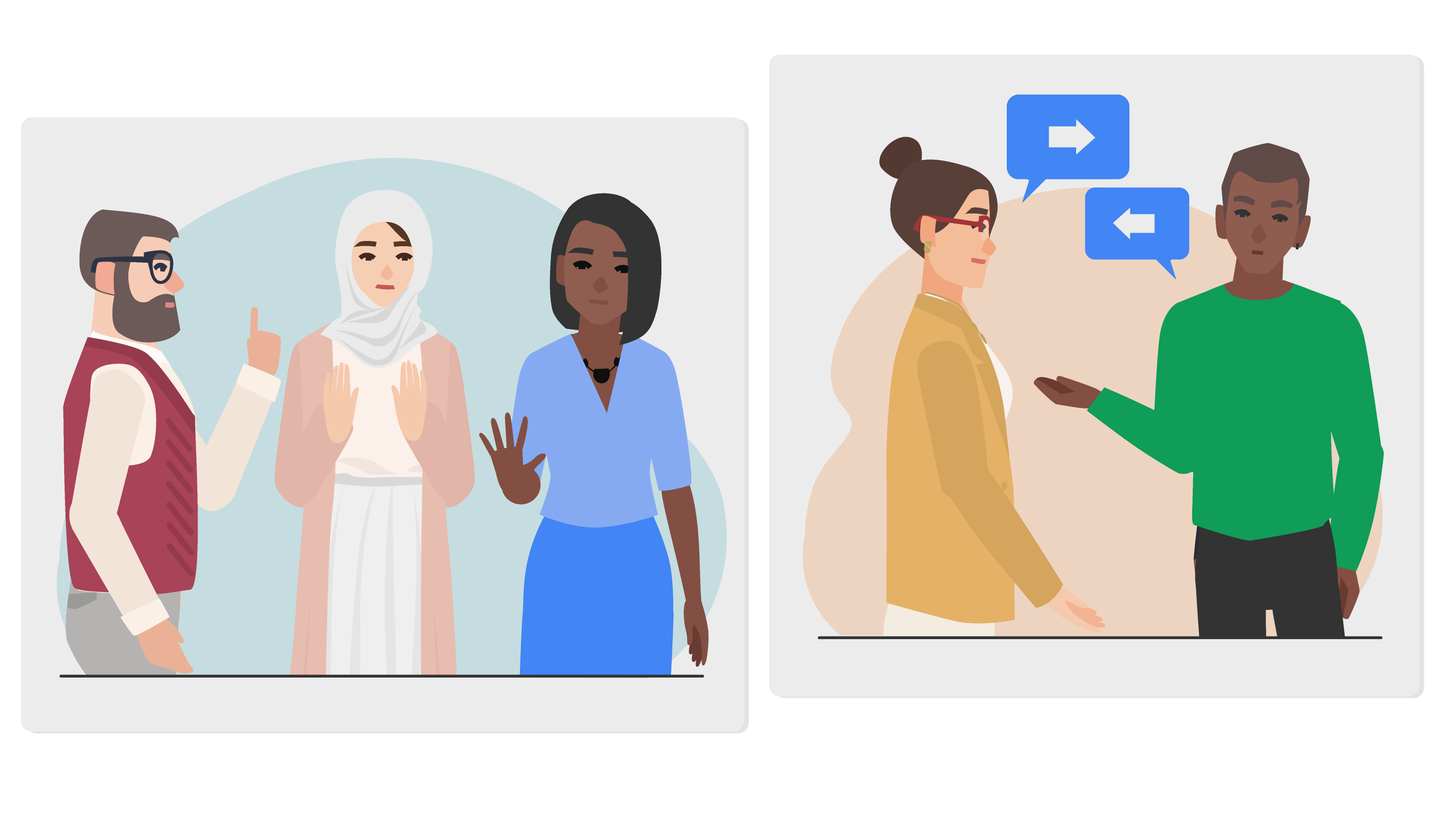
When individuals from high-context and low-context cultures interact, misunderstandings can easily arise. For example, someone from a low-context culture might perceive indirect communication as evasive or unclear, while someone from a high-context culture might view direct communication as rude or confrontational. These differences can complicate conflict resolution and require a solid understanding of cultural communication styles.
Another cultural dimension that influences conflict resolution is power distance, which refers to the extent to which less powerful members of a society accept and expect power to be distributed unequally. In high-power-distance cultures, such as those in many Latin American, African, and Asian countries, hierarchies are more pronounced, and authority is often respected and unquestioned. In these cultures, conflicts are typically resolved by deferring to authority figures or through hierarchical decision-making processes.
In low-power-distance cultures, such as those in Northern Europe and Australia, there is a greater emphasis on equality and participatory decision-making. Conflicts are often resolved through democratic processes, where all members of the group have a voice, and decisions are made collectively.
Understanding power distance is imperative in conflict resolution, particularly in multicultural settings. For instance, in a multinational organization, employees from high-power-distance cultures may expect leaders to make decisions and resolve conflicts, while employees from low-power-distance cultures may expect a more collaborative approach. Navigating these differences requires cultural sensitivity and the ability to adapt conflict resolution strategies to suit the cultural context.
Source: THIS TUTORIAL WAS AUTHORED BY MARLENE JOHNSON (2019) and STEPHANIE MENEFEE and TRACI CULL (2024). PLEASE SEE OUR TERMS OF USE.



