The federal government supports public health in many ways. Its role encompasses policy, funding, infrastructure, and legal protection that promotes public health and well-being. To a lesser extent, it provides direct health care services through the Military Health System, the Veterans Health Administration, and the Indian Health Service.
This section will identify key public health agencies supported and funded by the federal government. This will not be an exhaustive list; rather, it will be a list of federal departments and agencies that aim to protect and promote public health services and initiatives. These highlighted initiatives include funding the availability of high-quality health services that are accessible and affordable to all who need them, funding the support of health facilities and hospitals to provide essential care, implementing policies around health practices and interventions, funding the support of training to ensure health services are provided by well-trained professionals, and ensuring roads are in good condition so people can reach health care facilities and social services. The government also ensures that the cost of using health services does not put people at risk of financial harm by providing benefits to those in need (World Health Organization [WHO], 2022).
HHS is a federal public health agency with the mission of enhancing the health and well-being of all Americans, including advancing the sciences underlying medicine, public health, and social services (HHS, n.d.). The HHS family of agencies includes 12 operating divisions, nine of which operate under the U.S. Public Health Services and three additional human services agencies. Featured below are a few of the most prominent public health agencies within the HHS.
The CDC was originally established in 1946 as the Communicable Disease Center and is not just a major research agency that plays a pivotal role in public health. It provides funding to states and large cities through grant programs and focuses on disease prevention, health promotion, and emergency preparedness. It is headquartered in Atlanta, Georgia, and it is the nation’s leading science- and data-driven agency that protects public health. Its mission is to protect America from health, safety, and security threats, foreign or domestic to the United States.
The NIH was established in 1887 and is a major research agency that funds scientific studies related to health and disease. The agency originated in a one-room laboratory inside the Marine Hospital Services (MHS), which is the United States’ first public health agency and became the U.S. Public Health Service (PHS; NIH, n.d.-a). The NIH supports innovative research across fields such as cancer, infectious diseases, and genetics. Over the years, over 80 Nobel Prizes have been awarded for NIH-supported research. These pivotal basic research discoveries have led to the deciphering of the genetic code that governs all life processes, better antidepressants, and other drugs that are targeted at specific diseases (NIH, n.d.-b).

The FDA ensures the safety and efficacy of food, drugs, medical devices, and cosmetics. It regulates products to protect public health and promotes innovation in health care. Also included in its mission is ensuring the safety and security of veterinary drugs, biological products, and products that emit radiation. The FDA also regulates the manufacturing, marketing, and distribution of tobacco products as part of the public health initiative to reduce tobacco product use by minors (FDA, n.d.).
The HRSA focuses on improving access to health care services, especially for historically underserved populations. It also supports health centers, rural health programs, and workforce development. This agency’s programs support people with low income, people with HIV, pregnant people, rural communities, many more populations, and the health care workforce. Programs include setting up health centers; promoting maternal and child health; offering provider relief support, which reimbursed health care providers for COVID-19-related expenses until 2023; improving access to quality health care using telehealth; and connecting skilled health workforce and providers to communities in need (HRSA, n.d.).
The SAMHSA is another federal agency within the HHS. Its primary mission is to advance the behavioral health of the nation by supporting community-based mental health and substance abuse treatment and prevention services. SAMHSA was established in 1992 by Congress, and it leads public health efforts to improve the lives of people living with mental health and substance use disorders and their families. Their services and programs include the provision of resources, funding, and guidance to enhance behavioral health across the country; mental health, substance abuse, and recovery programs; and initiatives to prevent substance abuse, promote mental health awareness, and address homelessness and addiction (SAMHSA, n.d.).
The IHS is another public health agency within the HHS. Its mission is to provide federal health services to American Indian and Alaska Native populations. The provision of health services to members of the federally recognized Tribes emerged from relationships between the federal government and American Indian Tribes. IHS is the principal federal health care provider and health advocate for American Indian and Alaska Native people. The goal of IHS is to raise the health status of American Indian and Alaska Native people to the highest possible level. An IHS strategic goal is to ensure comprehensive, culturally appropriate personal and public health services are available and accessible to American Indian and Alaska Native populations (IHS, n.d.).
Test your knowledge of the role federal government agencies play in public health.
Public health policies and laws are powerful tools for improving the health of communities. The federal government plays a significant role in shaping policies and regulations. Some key aspects include the Healthy People Initiative, which focuses on improving health outcomes across the nation. The initiative highlights evidence-based legal and policy interventions that impact public health. Examples include smoke-free air laws and mandatory seat belt laws. While addressing health issues is primarily a state-level responsibility, the federal government can adopt public health laws. Public health laws range from narrow questions of legal interpretation to complex matters of public policy, social justice, and ethics (Robert Wood Johnson Foundation, 2024). HHS agencies discussed in this course create regulations (also known as “rules”) to carry out public health policy. These regulations protect public health and safety.
EXAMPLE
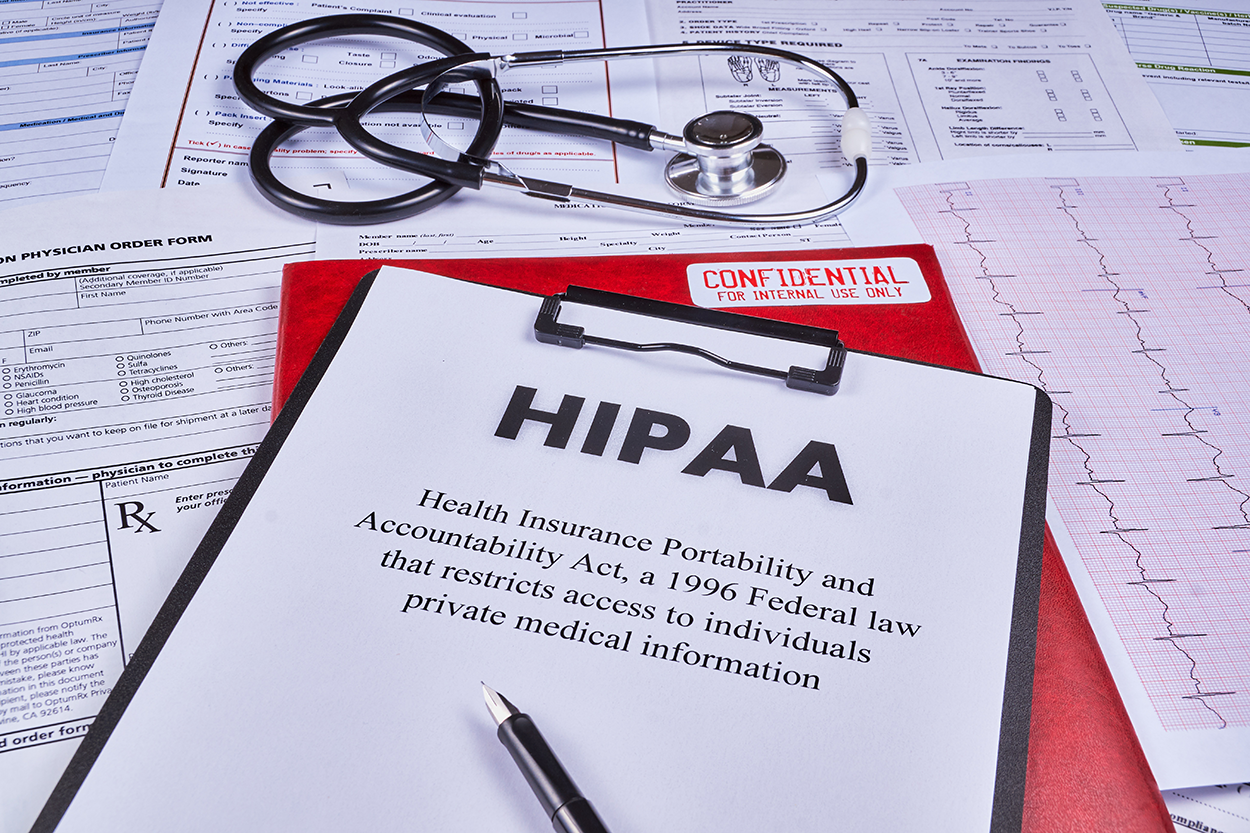
The Health Insurance Portability and Accountability Act of 1996 (HIPAA) is a privacy rule that establishes national standards to protect individuals’ medical records and other identifiable information (also called protected health information). The rule gives individuals rights over their protected health information, including rights to examine and obtain a copy of their health records and to request corrections (HHS, 2022).Federal policies and laws significantly impact public health, ensuring the well-being of communities nationwide.
Source: THIS TUTORIAL WAS AUTHORED BY SOPHIA LEARNING. PLEASE SEE OUR TERMS OF USE.
Disclaimer: The use of any CDC and United States government materials, including any links to the materials on the CDC or government websites, does not imply endorsement by the CDC or the United States government of us, our company, product, facility, service, or enterprise.
REFERENCES
Food and Drug Administration. (n.d.). What we do. www.fda.gov/about-fda/what-we-do#mission
Health Resources & Services Administration. (n.d.). About. www.hrsa.gov/about
Indian Health Service. (n.d.). Agency overview. www.ihs.gov/aboutihs/overview/
National Institutes of Health. (n.d.-a). Who we are. www.nih.gov/about-nih/who-we-are#:~:text=The%20National%20Institutes%20of%20Health,improve%20health%20and%20save%20lives
National Institutes of Health. (n.d.-b). A short history of the National Institutes of Health. history.nih.gov/display/history/A+Short+History+of+the+National+Institutes+of+Health
Robert Wood Johnson Foundation. (2024). Who we are. Network for Public Health Law. www.networkforphl.org/about-us/who-we-are/
Substance Abuse and Mental Health Services Administration. (n.d.). Who we are. www.samhsa.gov/about-us/who-we-are
U.S. Department of Health and Human Services. (n.d.). About HHS. www.hhs.gov/about/index.html
U.S. Department of Health and Human Services. (2022). The HIPAA Privacy Rule. www.hhs.gov/hipaa/for-professionals/privacy/index.html
World Health Organization. (2022). The role of government in supporting health. www.who.int/tools/your-life-your-health/a-healthy-world/people-s-roles/the-role-of-government-in-supporting-health



