Table of Contents |
As you learned in the tutorial on World Nutrition, GMOs (genetically modified organisms) are crops that have been scientifically altered to survive better and have a bigger yield. The process of introducing these new traits or characteristics to crops or other organisms is called genetic engineering.
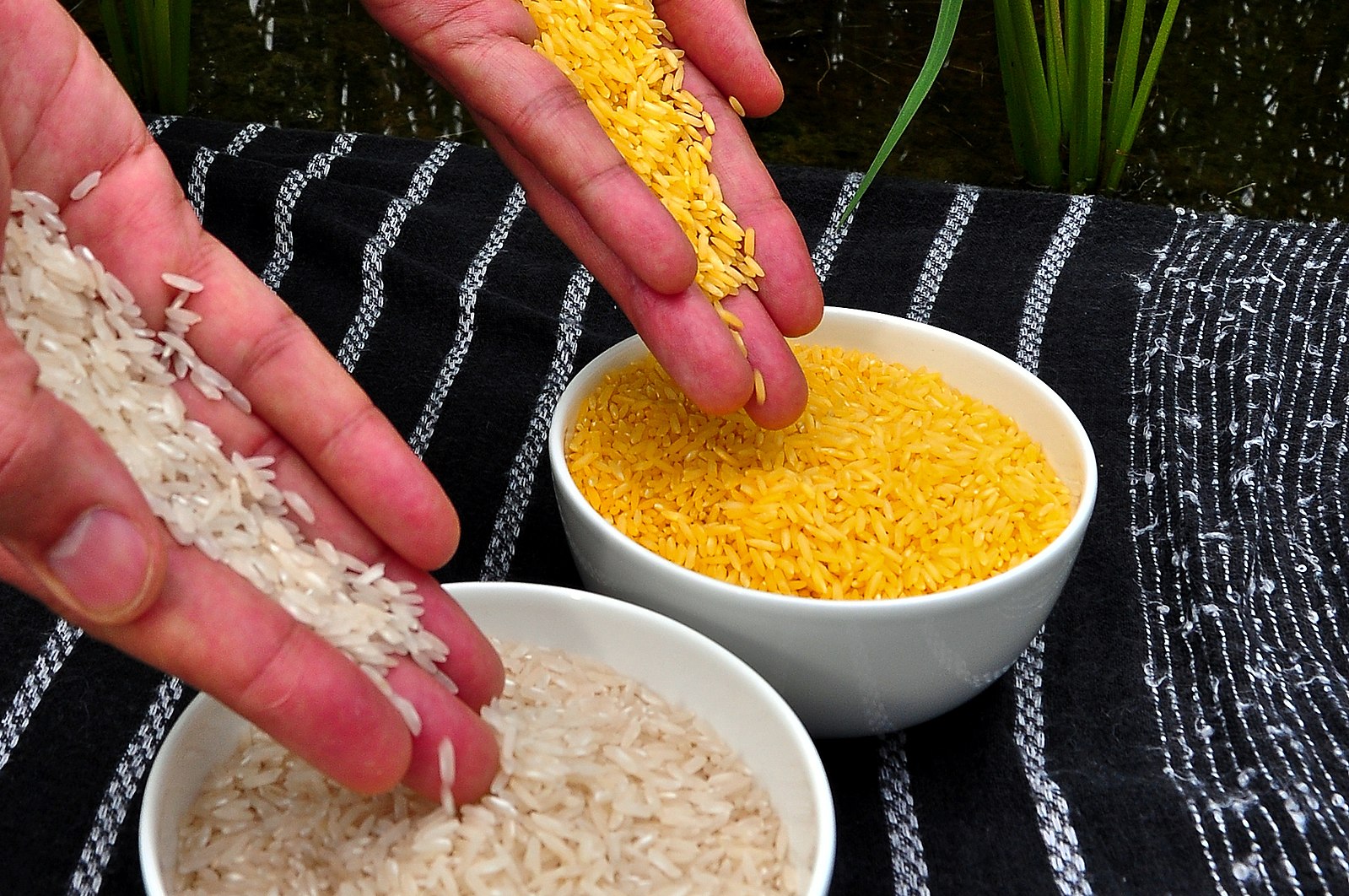
There are both benefits and drawbacks to GMOs, and they remain controversial among environmentalists, farmers, and other groups of people.
GMOs can be beneficial to both food producers and food consumers. Crops that have been engineered to withstand certain herbicides or be resistant to diseases and pests are easier for farmers to manage. These crops also use synthetic chemicals which may result in runoff into waterways. The subsequent decrease in the need for pesticides can also help bring down the cost of production.
GMOs have also been very beneficial in bringing increased food security and nutrition to some of the world’s poorest areas because of their durability and higher yields.
However, there are some drawbacks to GMOs, too. These are mainly uncertainties surrounding their complexity and disputes between farmers who grow genetically modified crops and companies who own the GMOs’ intellectual property (IP).
Uncertainty about the long-term effects of GMOs on the environment in which they are grown or on the people who consume them has contributed to their controversial reputation. Increased scientific research into their effects has helped us get some clarity about GMOs. Product labeling that allows consumers to have a choice about the ingredients in the product they’re buying has also helped reassure the public about GMOs.
Another controversy surrounding GMOs is the ownership of their IP. While farmers can go to a trade supplier to buy regular seeds that can produce crops that in turn produce more seeds for the next year, GMO seeds can be modified to grow crops that don’t produce their own seeds, forcing farmers to buy more seeds from the GMO producers, such as Monsanto, year after year. Farmers can also get into legal trouble if GMO crops from a neighboring farm are found growing on their property.
Source: THIS TUTORIAL WAS AUTHORED BY JENSEN MORGAN FOR SOPHIA LEARNING. PLEASE SEE OUR TERMS OF USE.



