Table of Contents |
Forecasting begins with developing a pro forma income statement. Pro forma financial statements are prepared in advance of a planned transaction, merger, acquisition, or new capital investment. They are also done before planning for the upcoming fiscal period.
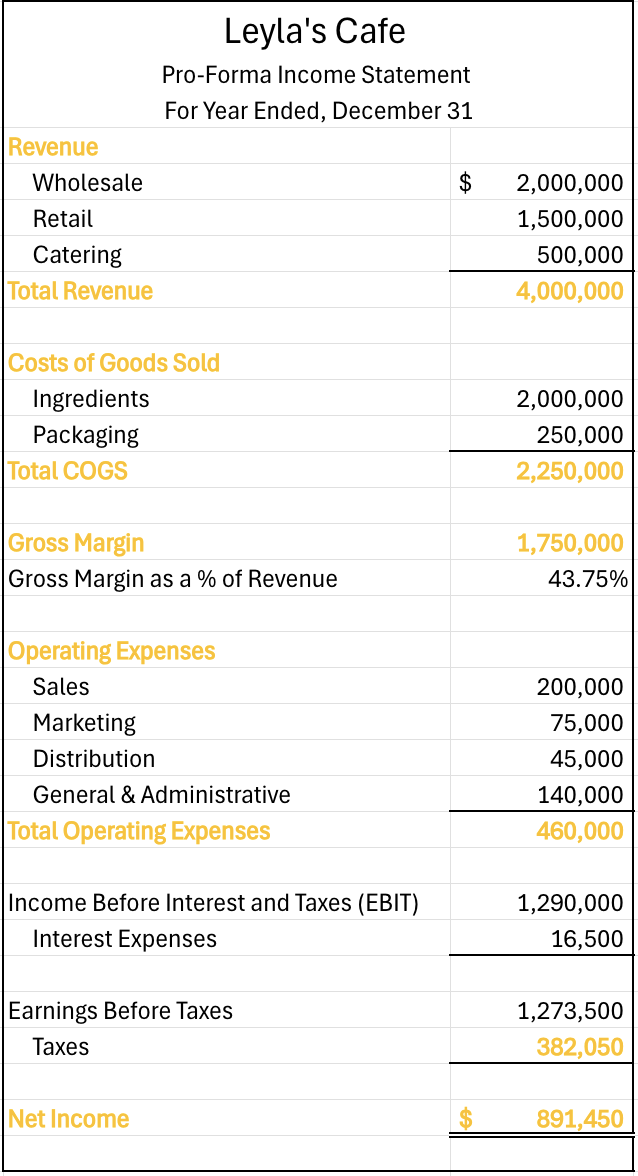
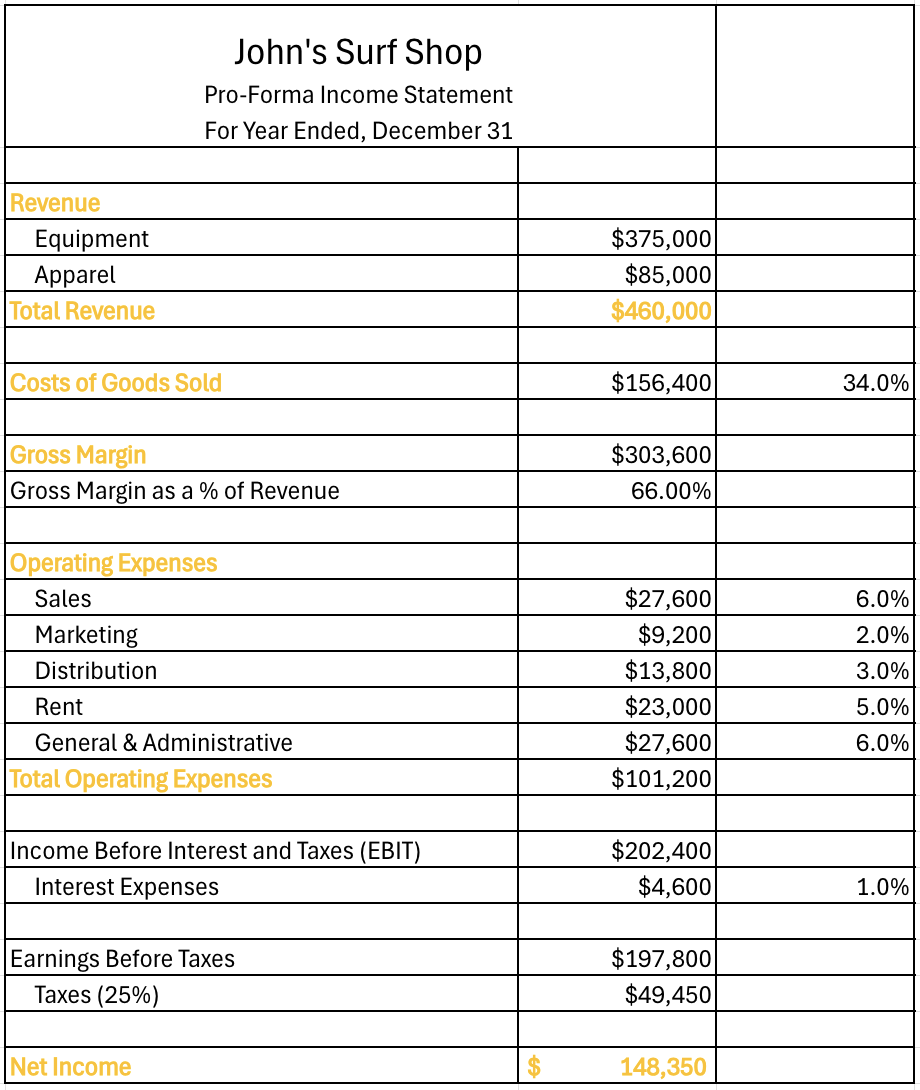
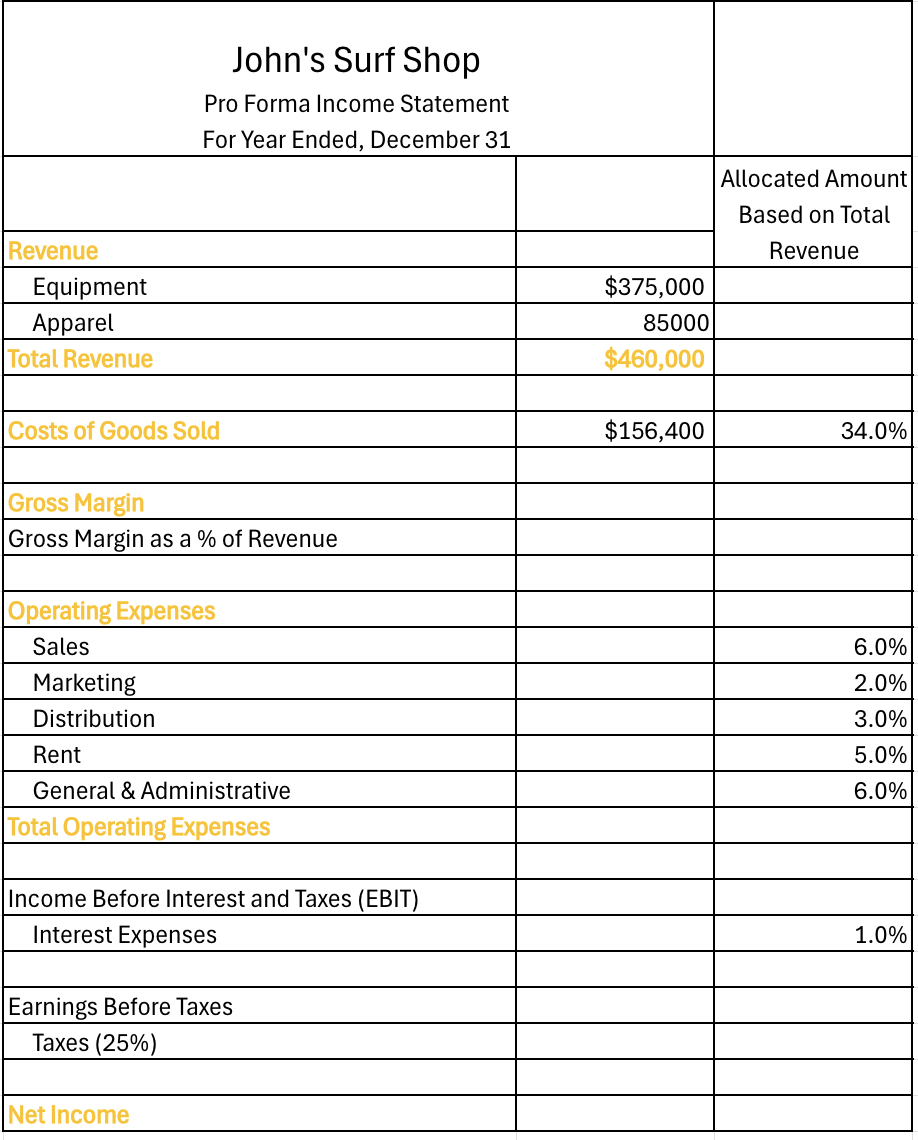
The pro forma income statement is the company’s estimate of how it plans to convert its revenue into net income, which is the result after all expenses have been accounted for.
Let’s use Leyla, the owner of a cafe, to illustrate this.
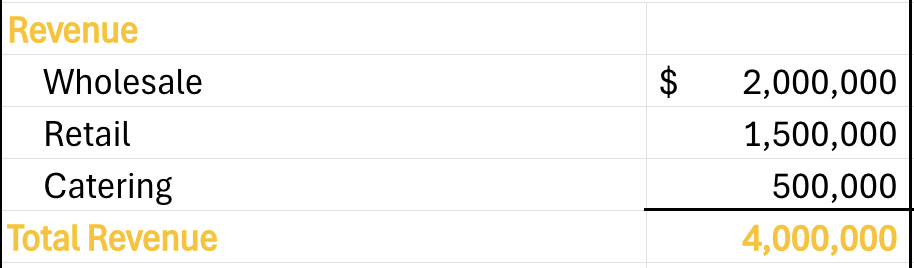
As mentioned in a previous lesson, the starting point for a pro forma income statement is the sales/revenue forecast. After the total revenue forecast is set, there may be adjustments for returns, refunds, discounts, and other nonstandard items. These adjustments bring us from gross sales to net sales. In Leyla’s case, these will not be necessary.
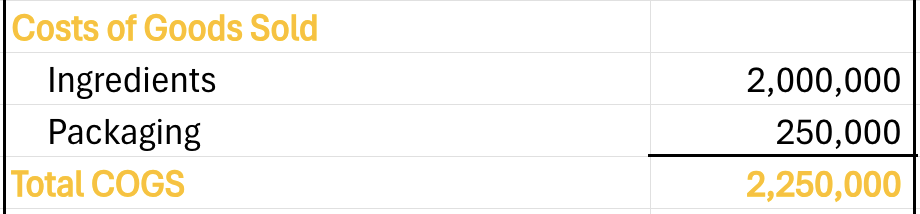
The next item to be forecast is the cost of goods sold or COGS. This is the inventory cost of the goods that a business has sold. It includes all costs to purchase and convert inventory to sell. If a business sells physical goods, other costs like freight, labor, and allocated overhead may be incurred. Leyla has two line items in her cost of goods sold section: ingredients and packaging.
Once the cost of goods sold is calculated, Leyla can calculate her gross margin. Gross margin represents what is left of the revenues after all costs of goods have been subtracted. To determine gross margin as a percentage of revenue, divide gross margin by total revenue.
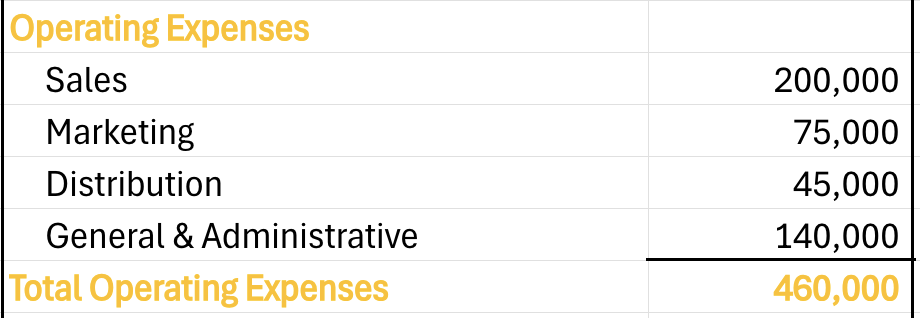
Next, an estimate must be made for selling, general, and administrative expenses or SGA. These costs can include combined payroll costs and the major portion of non-production-related costs. We also deduct depreciation and amortization on fixed assets, along with research and development costs. Leyla’s cafe does not have any depreciation or amortization, but she does have expenses for sales, marketing distribution, and general and administrative items.
There is also a section for deducting financing costs, income tax expenses, and any other irregular items. Out of these, Leyla only has interest expenses.
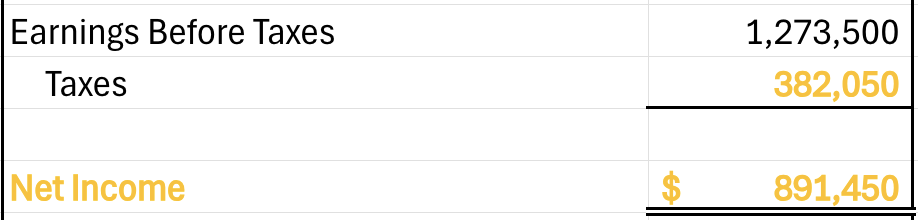
Finally, taxes must be paid. In Leyla’s case, she is paying a 30% rate. She applies this rate and subtracts it from her earnings before taxes to yield her projected net income.
Source: THIS TUTORIAL HAS BEEN ADAPTED FROM "BOUNDLESS FINANCE" PROVIDED BY LUMEN LEARNING BOUNDLESS COURSES. ACCESS FOR FREE AT LUMEN LEARNING BOUNDLESS COURSES. LICENSED UNDER CREATIVE COMMONS ATTRIBUTION-SHAREALIKE 4.0 INTERNATIONAL.