Table of Contents |
Companies use a variety of tools to establish and evaluate marketing objectives and strategies. Marketers must be able to analyze and design a company’s business portfolio, evaluate the relative market share of strategic business units and products, apply the SWOT analysis (strengths-weaknesses-opportunities-threats) framework to make decisions about marketing effectiveness and recommend diversification objectives and strategies.
Every company has a business portfolio, which is the total line of products, services, and strategic business groups or units that exist. Marketers may be assigned to one or many product lines or services, or to one strategic business unit (SBU) or group that is dedicated to a product category. Strategic business units frequently have responsibility for budgeting, designing and developing, promoting, pricing, and distributing their offerings. An example of strategic business units for Proctor & Gamble after a restructuring is shown in the image below.
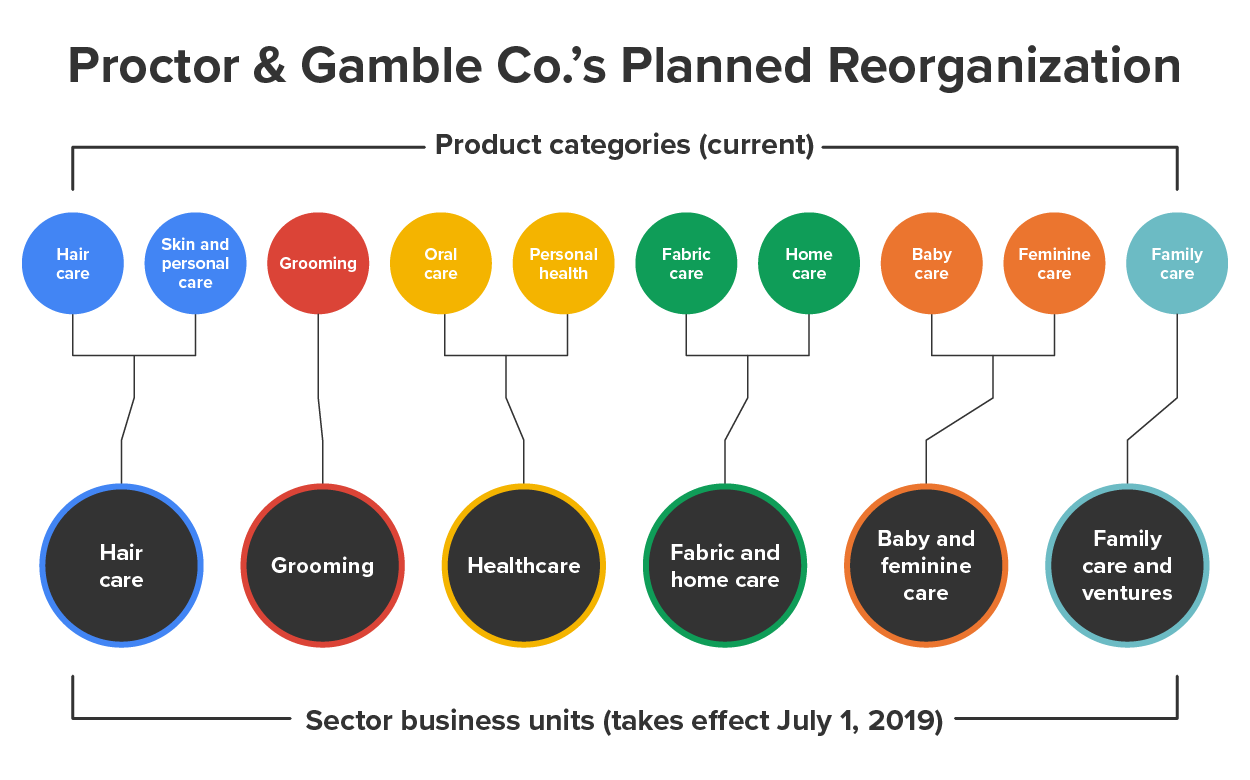
Marketers need to be able to establish and evaluate their marketing objectives and strategies to determine the most efficient alignment for product development, investment, and entrepreneurial venturing. The image above shows that the product categories were segmented based on Proctor & Gamble’s ability to focus their marketing on clearly defined segments of customers. The Beauty business unit focuses exclusively on research, design, promotion, and product development for hair care and skin and personal care, and is not concerned about designing messaging and promotions for the Healthcare business unit. This allows marketers in the Beauty business unit to adapt and change their objectives and strategies to increase their market share for their hair and skin care products as trends and shifting consumer needs change without consideration for the Baby and Feminine Care product line. The Family Care and Ventures business unit has also been realigned to provide for the acquisition of other start-ups and entrepreneurial opportunities that could expand the number of products offered.
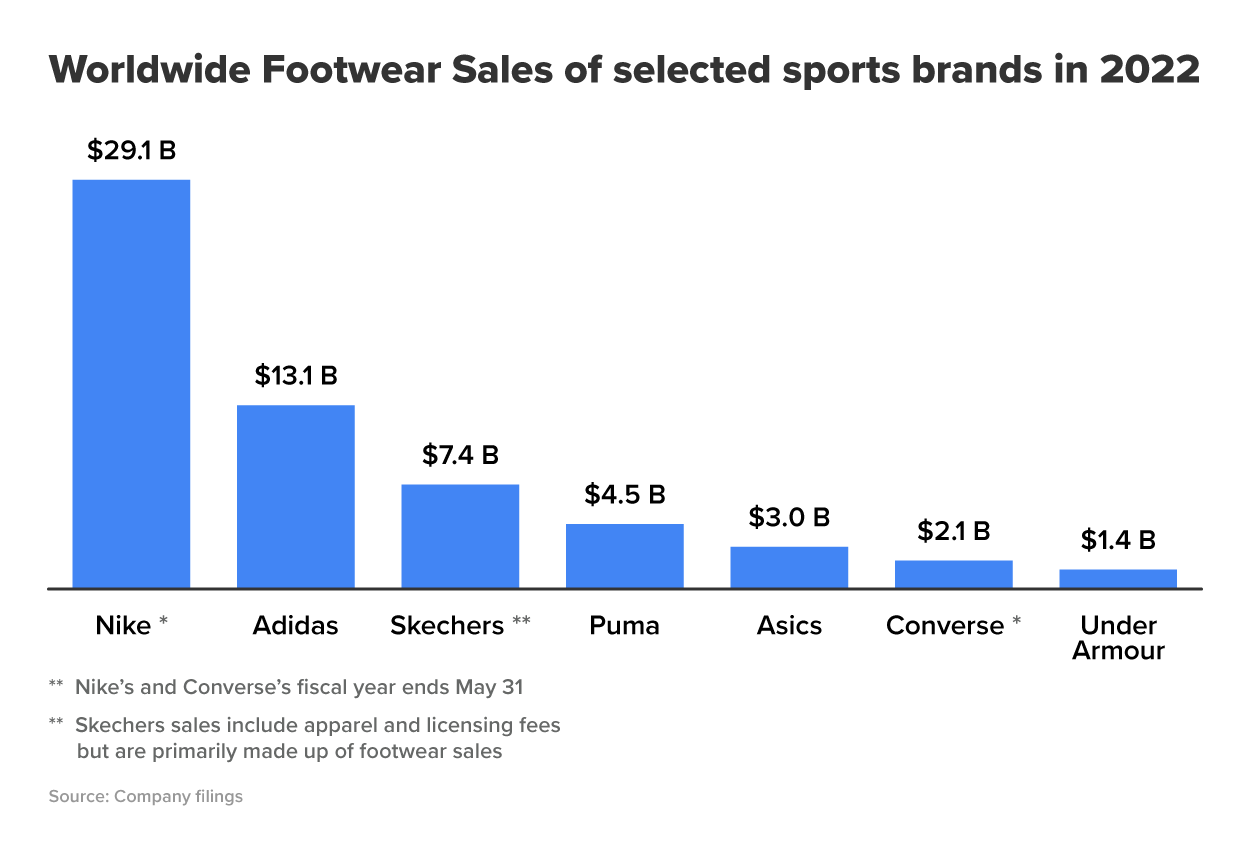
Market share is defined as a company’s sales as a percent of the total sales in a market. Marketers are also concerned about relative market share, which compares the company’s market share to that of their largest competitor. For example, using the image below, Under Armour’s relative market share would be compared to that of Nike. Marketers use the Boston Consulting Group (BCG) matrix as a tool to evaluate their products and services to determine where to invest and disinvest for long-term success.
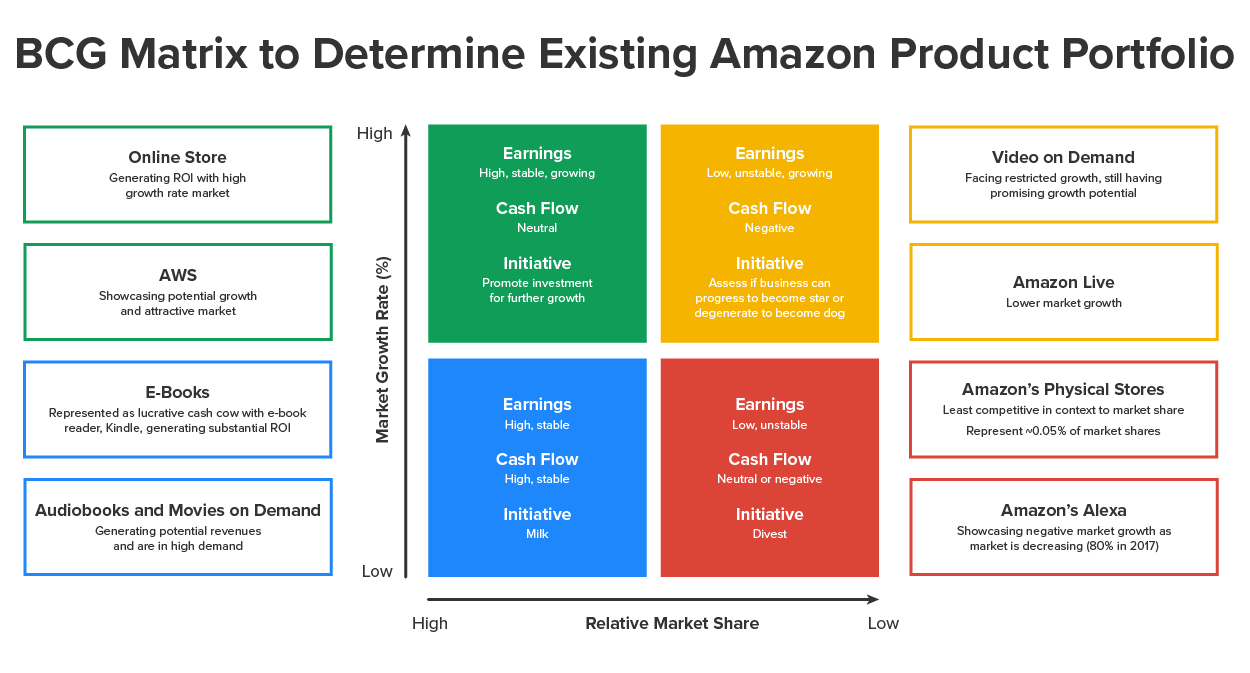
The image below shows an example of using the BCG matrix to evaluate Amazon’s product portfolio. Using this matrix, Amazon should invest the most in its online store and Amazon Web Services (AWS). It should also invest in its video-on-demand and Amazon Live services to capture more growth in this market, which shows significant potential. Amazon should continue to reinvest its revenues from e-books, audiobooks, and movies on demand in its online store, AWS, video on demand, and Amazon Live. When its e-books, audiobooks, and movies on demand no longer return a profit, Amazon should discontinue these services. Amazon should work to reposition its physical stores and Alexa to increase profits or evaluate the next steps to divest in these categories.
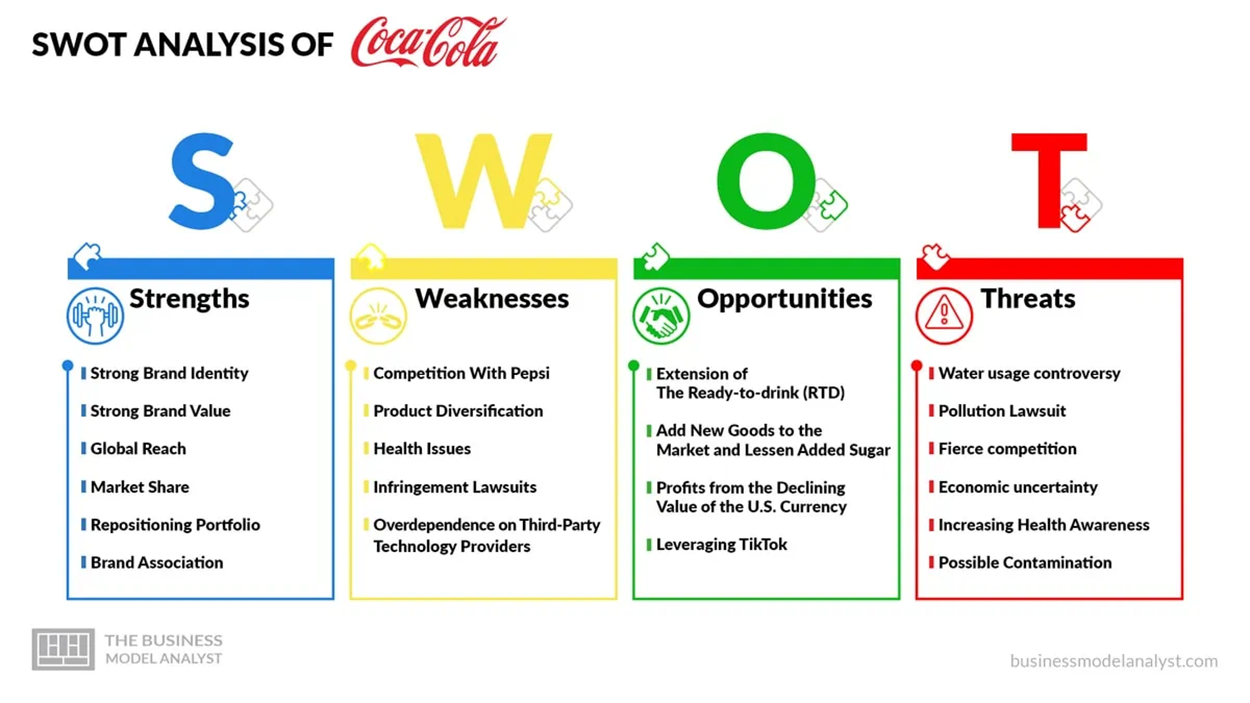
Business feasibility (or feasibility) exists when a company can leverage its strengths to maximize its opportunities, given its internal weaknesses and competitive threats.
IN CONTEXT
This example highlights examples that companies can use to determine where their capabilities lie between strengths and weaknesses, and where external factors impose opportunities and threats.
Strengths
Internal capabilities that may help a company reach its objectives
Examples:Weaknesses
- Strong brand identity
- Technological innovations
- High market share in industry
Internal capabilities that may interfere with a company’s ability to reach its objectives
Examples:Opportunities
- Outdated technology
- Strong brand identity of competitors
- High employee turnover
External factors that a company may be able to exploit for its advantage
Examples:Threats
- Competitor goes out of business
- Low interest rates
- Favorable exchange rates
External factors that may create barriers or challenges to the company’s performance
Examples:
- Rising interest rates
- Pending legislation
- Price war with competitor
A key question that companies face is the decision about whether to invest in new products or new markets. Companies can choose from market penetration, product development, market development, and diversification.
Source: THIS TUTORIAL HAS BEEN ADAPTED FROM OPEN STAX’S PRINCIPLES OF MARKETING COURSE. ACCESS FOR FREE AT https://openstax.org/details/books/principles-marketing. LICENSE: CREATIVE COMMONS ATTRIBUTION 4.0 INTERNATIONAL.
REFERENCES
Alberdi, R. (2023). The BCG Matrix: How to Strategically Improve Your Product Portfolio. Retrieved from www.thepowermba.com/en/blog/bcg-matrix
Bitter, A. (2018). With New Structure, P&G Likely to Hunt for New Products. Retrieved from www.spglobal.com/marketintelligence/en/news-insights/trending/AOIrxNOnjxBWDUNDUB59kQ2
Pereira, D. (2023). Coca-Cola SWOT Analysis. Retrieved from businessmodelanalyst.com/coca-cola-swot-analysis/
Richter, F. (2023). Ahead of the Game: Nike Rules the Sneaker World. Retrieved from www.statista.com/chart/13470/athletic-footwear-sales/
SlideGeeks. (2023). Diversification Strategy Overview Goal Requirement And Types Designs. Retrieved from www.slidegeeks.com/template/diversification-strategy-overview-goal-requirement-and-types-designs-pdf
SlideTeam. (2023). Business Strategy Behind Amazon BCG Matrix To Determine Existing Amazon Product Portfolio. Retrieved from www.slideteam.net/business-strategy-behind-amazon-bcg-matrix-to-determine-existing-amazon-product-portfolio.html



