Table of Contents |
Applying an understanding of conflict stages to the dynamics of conflict involves recognizing how various factors contribute to the escalation or de-escalation of conflicts. This analysis can be enhanced by examining concepts such as cognitive dissonance, which is the mental discomfort experienced when a person holds two or more contradictory beliefs, values, or attitudes; power distance, which is the degree to which less powerful individuals accept and expect that power is distributed inequitably; social identity theory, which is a framework where an individual’s sense of identity is derived from their membership in social groups; and, finally, family dynamics. Each of these plays a significant role in how conflicts unfold and are resolved.
Cognitive dissonance is a key factor in understanding conflict dynamics because it explains how inconsistencies between beliefs and actions can affect behavior. Cognitive dissonance occurs when an individual holds two or more contradictory beliefs or engages in actions that conflict with their core values. This dissonance creates psychological discomfort, which people seek to alleviate.
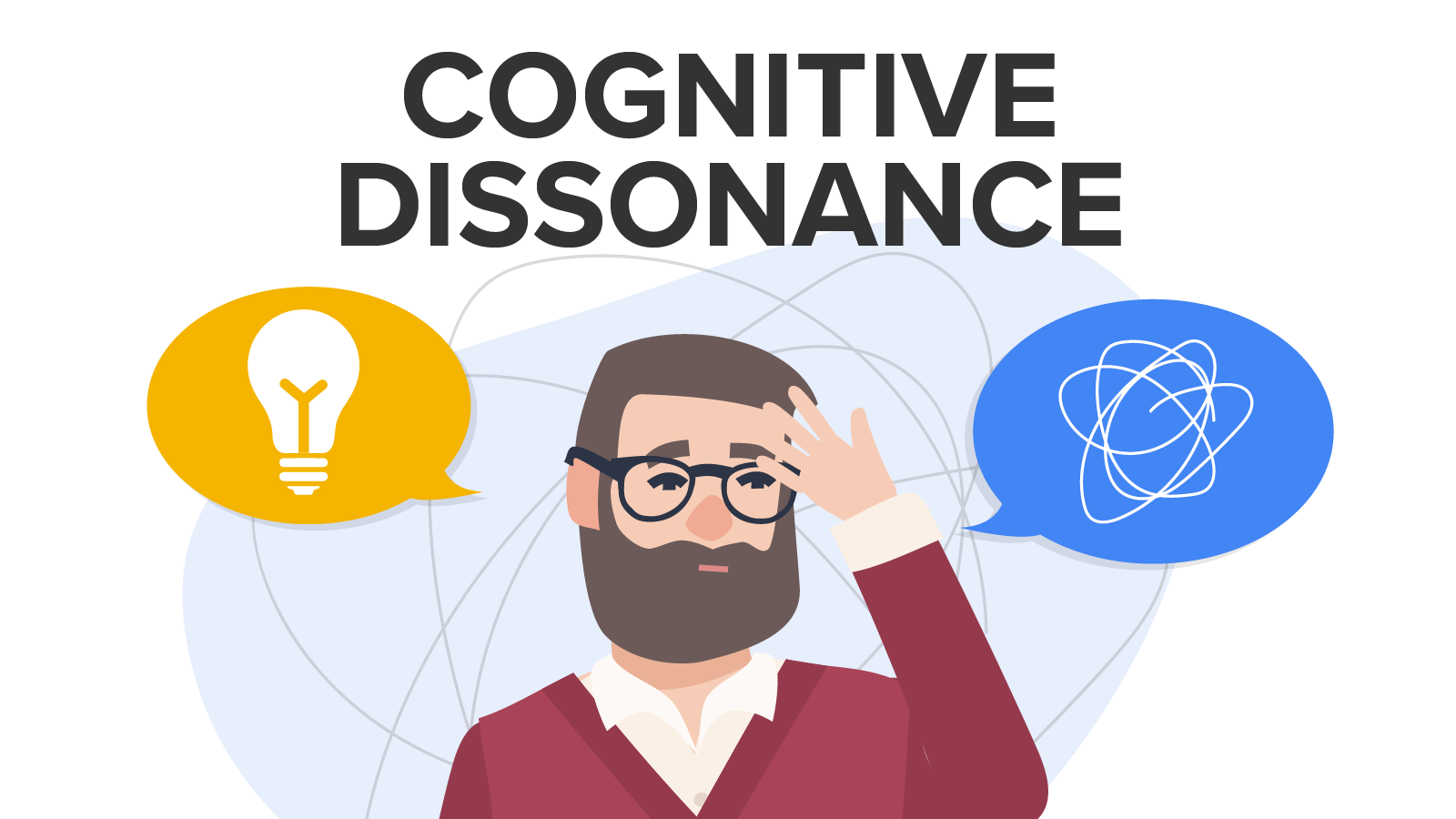
They may do so by altering their beliefs, justifying their actions, or changing their behavior. For example, if an individual who values honesty is caught stealing office supplies, they might justify their actions by claiming they deserve the items due to unpaid overtime, integrate the behavior by minimizing its impact, or confront their dissonance by ceasing the theft. Each of these responses influences the conflict’s trajectory: Justifying or integrating the behavior could escalate the conflict, while addressing the dissonance by changing behavior could contribute to de-escalation.
IN CONTEXT
Imagine a scenario where Alex works for a company with strict policies against accepting gifts from clients. Alex, however, frequently receives expensive gifts from a major client, which he enjoys and feels he deserves because of his hard work.
Conflict: Alex is experiencing cognitive dissonance because his actions (accepting gifts) conflict with his belief in workplace integrity. He faces a dilemma: continue accepting the gifts and justify them or refuse them to align with his values.
The resolution strategies include the following:
Escalation Integration: Alex might rationalize his behavior by thinking, “The gifts are a sign of appreciation, and it’s customary in the industry.” This approach might temporarily resolve his dissonance but could potentially escalate the conflict if his behavior is discovered and seen as unethical by others. Justification: Alex could argue that the gifts are not a big deal or that they don’t influence his work. While this might reduce immediate dissonance, it could lead to larger conflicts if colleagues or clients feel unfairly treated. Resolution Rejection: Alex decides to adhere to company policies and refuses all gifts. This aligns with his belief in integrity and prevents any potential conflict with company policies or colleagues who might view the gifts as inappropriate. Outcome By rejecting the gifts, Alex maintains his integrity and aligns with company policies. This decision avoids any negative consequences associated with accepting gifts and upholds his belief in ethical behavior. The outcome is a resolution that preserves his values and professional standing.
IN CONTEXT
Maria’s experience with cognitive dissonance regarding her diet illustrates the conflict cycle well. Let’s break down how her situation fits into the conflict cycle:
Recognition of Conflict Situation: Maria’s core belief is maintaining a healthy diet, but her behavior involves regularly eating junk food. This discrepancy creates cognitive dissonance, as her actions contradict her health values. Conflict: The conflict arises from the tension between her health values (dieting) and her behavior (eating junk food). She feels uncomfortable because her actions don’t align with her beliefs. Resolution Strategy: Integration
- Approach: Maria might integrate the dissonance by convincing herself that eating junk food occasionally is acceptable to relieve stress or for enjoyment.
- Impact: This strategy temporarily alleviates the dissonance by rationalizing her behavior. It aligns her actions with her need for stress relief but could lead to deeper conflicts with her long-term health goals. This is because the rationalization might result in a pattern where occasional indulgence turns into a frequent habit, further diverging from her health goals.
Resolution Strategy: Justification
- Approach: Maria might justify her junk food consumption by emphasizing her regular workout routine. She tells herself that the exercise compensates for the unhealthy eating.
- Impact: This reduces immediate dissonance by providing a logical reason for her behavior. However, it might undermine her commitment to healthy eating if the justification becomes a way to avoid addressing the root of the problem. It could lead to further conflicts if the exercise doesn’t adequately balance the negative effects of her diet or if it becomes an excuse to eat more junk food.
Resolution Strategy: Rejection
- Approach: Maria decides to adhere strictly to her healthy eating plan and finds alternative ways to manage her stress, such as exercise or relaxation techniques.
- Impact: This approach directly addresses the dissonance by aligning her behavior with her health values. It reduces dissonance by maintaining consistency between her beliefs and actions, leading to a resolution that reinforces her commitment to healthy eating and potentially improving her overall well-being.
Resolution
- Short-Term Versus Long-Term Effects: Integration and justification might offer short-term relief from dissonance but can exacerbate the problem in the long run if they lead to unhealthy patterns or neglect the underlying issues. Rejection, while potentially more challenging in the short term, aligns Maria’s behavior with her values and helps her achieve long-term consistency.
- Adjustment: Maria’s choice of resolution strategy will impact her future conflicts and the stability of her values and behavior. If she continues to integrate or justify her behavior, she may face recurring dissonance. If she embraces rejection, she aligns her behavior with her values and addresses the dissonance effectively.
Maria’s situation follows the conflict cycle by initially recognizing the dissonance between her health beliefs and her eating habits, then employing various strategies to resolve the conflict, and finally experiencing different outcomes based on the chosen strategy.
Power distance further complicates conflict dynamics, especially in intercultural interactions. Power distance refers to how different cultures perceive and accept power distribution within a society.

High-power-distance cultures accept an unequal power distribution and are less likely to question authority, while low-power-distance cultures advocate for more equality and participation in decision-making. When individuals from different power distance cultures interact, misunderstandings and conflicts can arise. For instance, a manager from a low-power-distance culture who seeks team input might be perceived as weak by employees from a high-power-distance culture, leading to a breakdown in communication and potential conflict. Understanding and respecting these cultural differences in power perceptions is crucial for conflict resolution, as it helps address and bridge gaps between conflicting parties.
IN CONTEXTIn this example, the conflict cycle illustrates how power distance can impact intercultural interactions. The recognition of conflict, the exploration of resolution strategies, and the assessment of outcomes demonstrate how cultural differences in power perceptions can complicate team dynamics. Understanding and adapting to these differences are essential for effective conflict resolution and maintaining team cohesion in a multicultural setting.
A multinational company is working on a project with a team composed of members from different cultural backgrounds. The project manager, Rachel, is from a low-power-distance culture (e.g., the Netherlands), where input from all team members is encouraged and valued. On the other hand, several team members, including Jin, are from a high-power-distance culture (e.g., South Korea), where authority is more centralized and questioning authority is less common.
Recognition of Conflict Situation: Rachel, in her role as the project manager, frequently seeks input and suggestions from the entire team, aiming for a collaborative approach. Jin and other team members from a high-power-distance culture may perceive this approach as undermining Rachel’s authority. They may feel uncomfortable or disrespected by the informal nature of decision-making, leading to a sense of conflict or frustration.
Conflict: The primary conflict arises from the cultural difference in power distance. Rachel’s approach, which is normal and effective in her culture, clashes with Jin’s expectations of hierarchical decision-making and respect for authority. This misunderstanding creates a breakdown in communication and affects team cohesion.Resolution Strategy: Integration
- Approach: Rachel might try to integrate the different perspectives by adopting a mixed approach: maintaining some level of hierarchical decision-making while still encouraging team input in a structured manner.
- Impact: This approach might help bridge the gap by respecting Jin’s cultural expectations while also fostering collaboration. However, if not managed well, it could lead to mixed signals and further confusion about the decision-making process.
Resolution Strategy: Justification
- Approach: Rachel might justify her collaborative approach by explaining that it’s based on a commitment to team empowerment and innovation. She could emphasize the benefits of diverse inputs in improving project outcomes.
- Impact: While this justification might help some team members understand her intentions, it may not fully address the discomfort of those who prefer a more hierarchical structure. It could lead to further tension if the cultural gap remains unaddressed.
Resolution Strategy: Rejection
- Approach: Rachel might decide to adapt her approach to align with the high-power-distance expectations, adopting a more hierarchical style of decision-making and involving the team less in everyday decisions.
- Impact: This approach might resolve immediate conflicts by respecting the cultural expectations of Jin and others. However, it could also lead to disengagement from team members who thrive in a more collaborative environment. Over time, this could affect team morale and innovation.
Resolution
- Short-Term Effects: The integration and justification strategies might offer short-term solutions but may not fully resolve the underlying cultural differences. Rejection may offer immediate relief but could impact long-term team dynamics.
- Long-Term Effects: Addressing power distance differences requires ongoing communication and adaptation. Effective conflict resolution involves understanding and respecting cultural differences and fostering an environment where diverse approaches to authority and collaboration can coexist.
- Adjustment: The team’s effectiveness will depend on how well Rachel and Jin (and other team members) navigate these cultural differences. Continuous dialogue, cultural sensitivity training, and mutual respect are crucial for bridging gaps and building a cohesive team.
Source: THIS TUTORIAL WAS AUTHORED BY MARLENE JOHNSON (2019) and STEPHANIE MENEFEE and TRACI CULL (2024). PLEASE SEE OUR TERMS OF USE.



