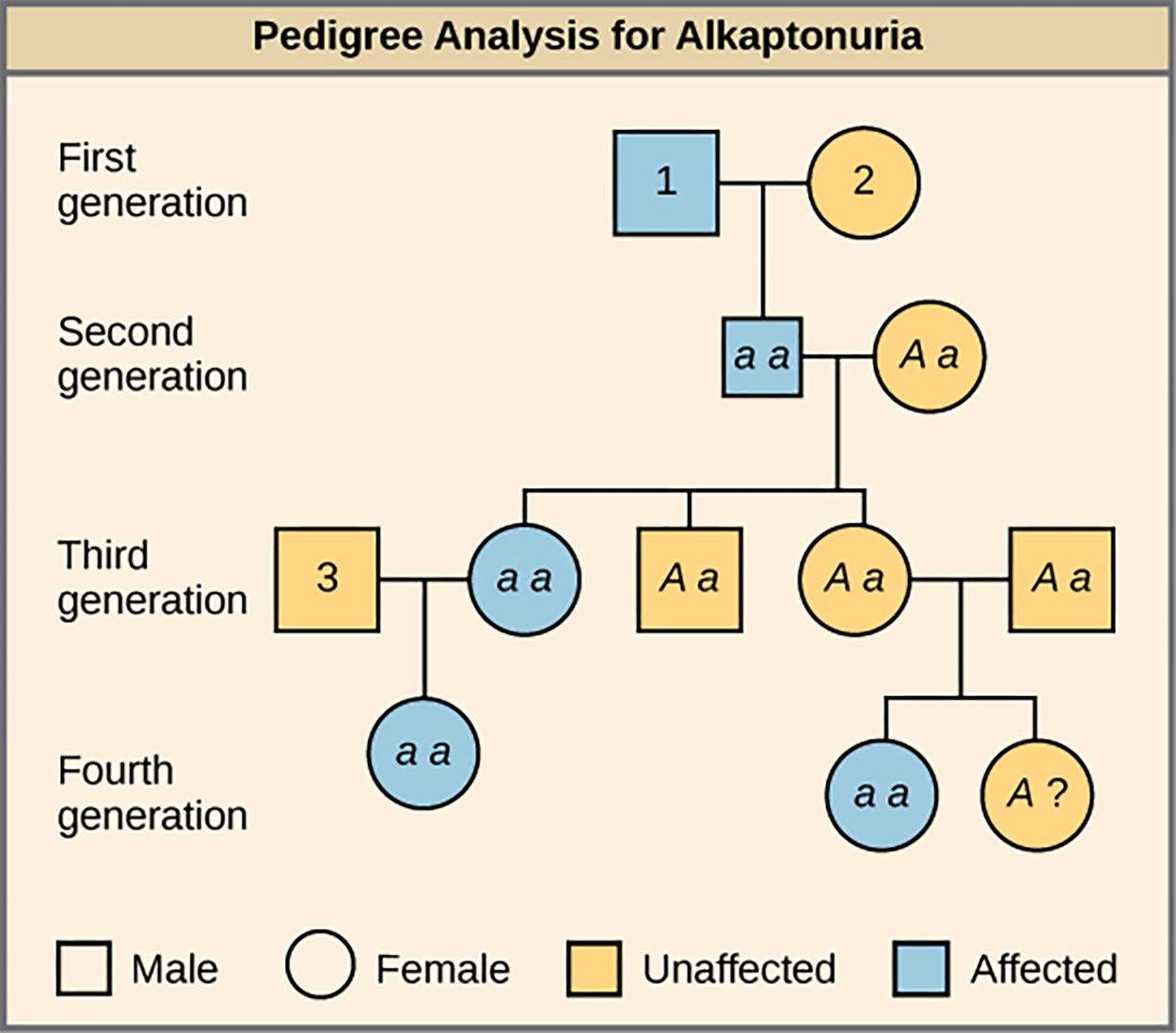
Many human diseases are genetically inherited. A healthy person in a family in which some members suffer from a recessive genetic disorder may want to know if they have the disease-causing gene and what risk exists of passing the disorder on to their offspring. Geneticists can use pedigree analysis to study the inheritance pattern of human genetic diseases such as alkaptonuria, a recessive genetic disorder in which the two amino acids phenylalanine and tyrosine are not properly metabolized. Affected individuals may have darkened skin and brown urine, and may suffer joint damage and other complications.
Pedigree Analysis for Alkaptonuria—In this pedigree, individuals with the disorder are indicated in blue and have the genotype aa. Unaffected individuals are indicated in yellow and have the genotype AA or Aa. Note that it is often possible to determine a person’s genotype from the genotype of their offspring. For example, if neither parent has the disorder, but their child does, they must be heterozygous. Two individuals on the pedigree have an unaffected phenotype but an unknown genotype. Because they do not have the disorder, they must have at least one normal allele, so their genotype gets the “A?” designation.
However, as you have learned, the introduction of DNA sequencing and whole-genome sequencing projects, particularly the Human Genome Project, has expanded the applicability of DNA sequence information. Understanding and finding cures for diseases, especially those that are inherited, is a common application of genetics and genomics.
Currently, we can perform tests for many genetic diseases, but these tests can create ethical and legal issues.
EXAMPLE
Would you want to be tested for a debilitating genetic disease if there were the possibility insurance companies could use that information to deny you coverage? Fortunately, the Genetic Information Nondiscrimination Act of 2008 protects American citizens from discrimination from both insurance companies and employers based on genetic information.
IN CONTEXT
Career Connection
Genetic Counselor
Given the intricate orchestration of gene expression, cell migration, and cell differentiation during prenatal development, it is amazing that the vast majority of newborns are healthy and free of major birth defects. When a person over 35 is pregnant or intends to become pregnant, or their partner is over 55, or if there is a family history of a genetic disorder, they may want to speak to a genetic counselor to discuss the likelihood that their child may be affected by a genetic or chromosomal disorder. A genetic counselor can interpret a couple’s family history and estimate the risks to their future offspring.
For many genetic diseases, a DNA test can determine whether a person is a carrier. For example, carrier status for Fragile X, an X-chromosome-linked disorder associated with intellectual disabilities, or cystic fibrosis can be determined with a simple blood draw to obtain DNA for testing. A genetic counselor can educate a couple about the implications of such a test and help them decide whether to undergo testing. For chromosomal disorders, the available testing options include a blood test, amniocentesis (in which amniotic fluid is tested), and chorionic villus sampling (in which tissue from the placenta is tested). Each of these has advantages and drawbacks. A genetic counselor can also help a couple cope with the news that either one or both partners is a carrier of a genetic illness, or that their unborn child has been diagnosed with a chromosomal disorder or other birth defect.
To become a genetic counselor, one needs to complete a 4-year undergraduate program and then obtain a Master of Science in Genetic Counseling from an accredited university. Board certification is attained after passing examinations by the American Board of Genetic Counseling. Genetic counselors are essential professionals in many branches of medicine, but there is a particular demand for preconception and prenatal genetic counselors.
2. Predicting Disease Risk at the Individual Level
Predicting disease risk involves screening currently healthy individuals by genome analysis at the individual level. This allows healthcare professionals to recommend intervention with lifestyle changes and drugs before disease onset.
EXAMPLE
In April 2010, scientists at Stanford University published the genome analysis of a healthy individual (Stephen Quake, a scientist at Stanford University). The scientists used databases and several publications to analyze the genomic data. The analysis predicted his propensity to acquire various diseases. The medical team performed a risk assessment to analyze Quake’s percentage of risk for 55 different medical conditions. The team found a rare genetic mutation, which showed him to be at risk for sudden heart attack. The results also predicted that Quake had a 23% risk of developing prostate cancer and a 1.4% risk of developing Alzheimer’s.
However, this approach is most applicable when the problem resides within a single gene defect. Such defects only account for approximately 5% of diseases in developed countries. Most of the common diseases, such as heart disease, are multifactored or polygenic, which is a phenotypic characteristic that is controlled by two or more genes and also involves environmental factors such as diet.
term to know
Polygenic
A trait that is controlled by two or more genes.
2a. Genome-Wide Assocation Studies
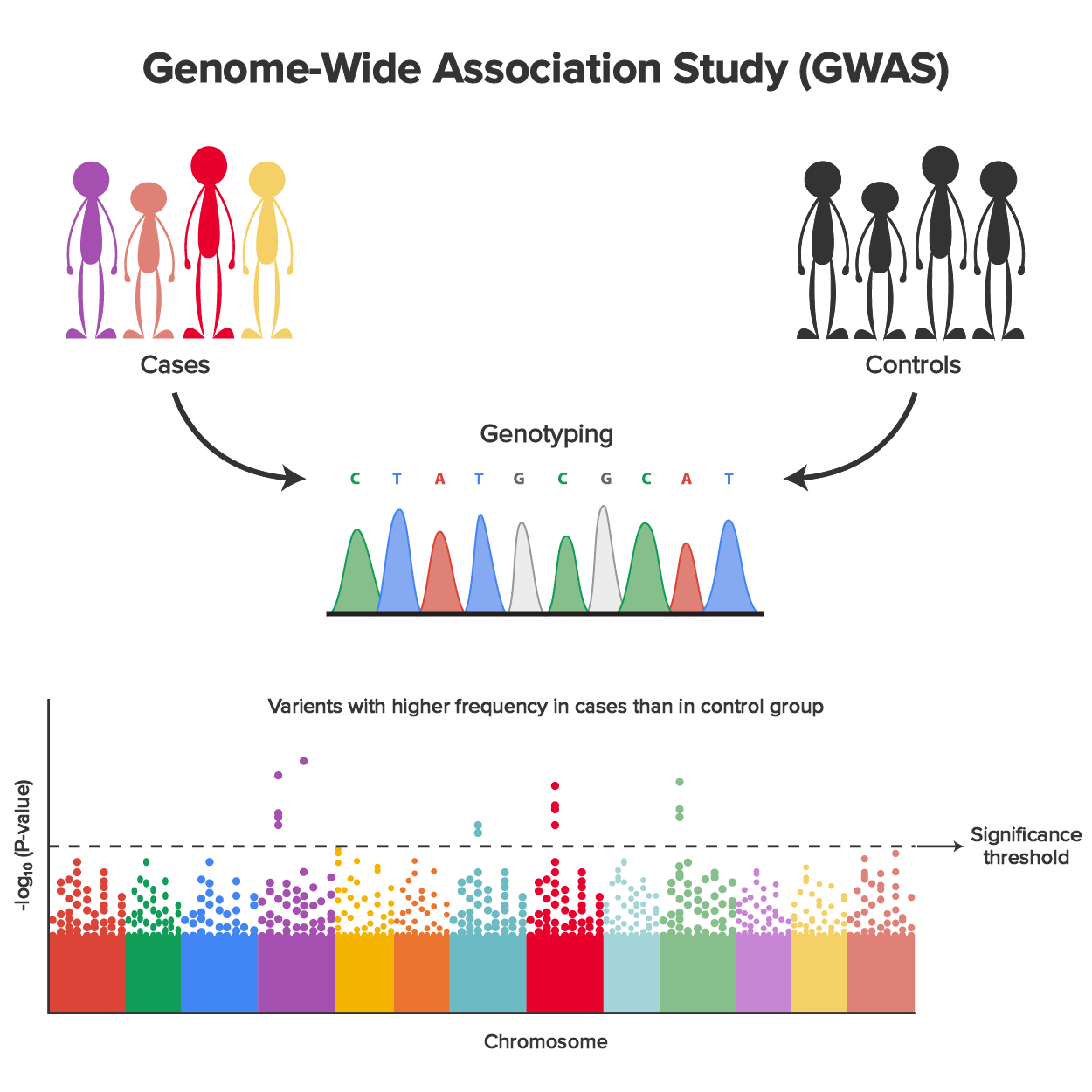
Since 2005, it has been possible to conduct a type of study called a genome-wide association study (GWAS). A GWAS identifies differences between individuals in single nucleotide polymorphisms (SNPs), each of which is a variant at a single base position in the DNA that may be involved in causing diseases. This method is particularly suited to diseases that may be affected by one or many genetic changes throughout the genome. It is very difficult to identify the genes involved in such a disease using family history information.
In a common design for a GWAS, two groups of individuals are chosen; one group has the disease, and the other group does not. The individuals in each group are matched in other characteristics to reduce the effect of confounding variables causing differences between the two groups. For instance, the genotypes may differ because the two groups are mostly taken from different parts of the world.
Once the individuals are chosen, and typically their numbers are a thousand or more for the study to work, samples of their DNA are obtained. The DNA is analyzed using automated systems to identify large differences in the percentage of particular SNPs between the two groups. Often, the study examines a million or more SNPs in the DNA.
IN CONTEXT
The results of a GWAS can be used in two ways: The genetic differences may be used as markers for susceptibility to the disease in undiagnosed individuals, and the particular genes identified can be targets for research into the molecular pathway of the disease and potential therapies. An offshoot of the discovery of gene associations with disease has been the formation of companies that provide so-called “personal genomics” that attempt to identify risk levels for various diseases based on an individual’s SNP complement. However, the science behind these services is controversial.
Performing a GWAS
Because a GWAS looks for associations between genes and disease, these studies provide data for other research into causes, rather than answering specific questions themselves. An association between a gene difference and a disease does not necessarily mean there is a cause-and-effect relationship. However, some studies have provided useful information about the genetic causes of diseases.
EXAMPLE
Three different studies in 2005 identified a gene for a protein involved in regulating inflammation in the body that is associated with a disease-causing blindness called age-related macular degeneration. This opened up new possibilities for research into the cause of this disease. Moreover, a large number of genes have been identified to be associated with the inflammatory bowel disease Crohn’s disease using a GWAS, and some of these have suggested new hypothetical mechanisms for the cause of the disease.
term to know
Single Nucleotide Polymorphism (SNP)
A variant in the genome at a single base position.
2b. Pharmacogenomics
Pharmacogenomics, or toxicogenomics, involves evaluating drug effectiveness and safety on the basis of information from an individual’s genomic sequence. We can study genomic responses to drugs using experimental animals (such as laboratory rats or mice) or live cells in the laboratory before embarking on studies with humans. Studying changes in gene expression could provide information about the transcription profile in the drug’s presence, which we can use as an early indicator of the potential for toxic effects.
EXAMPLE
Genes involved in cellular growth and controlled cell death, when disturbed, could lead to cancerous cell growth. A GWAS can also be used to help find new genes involved in drug toxicity. Medical professionals can use personal genome sequence information to prescribe medications that will be most effective and least toxic on the basis of the individual patient’s genotype. The gene signatures may not be completely accurate, but medical professionals can test them further before pathologic symptoms arise.
term to know
Pharmacogenomics
The study of drug interactions with the genome or proteome; also called toxicogenomics.
2c. Mitochondrial Genomics
As you have learned, mitochondria are intracellular organelles that contain their own DNA. Mitochondrial DNA mutates at a rapid rate and scientists often use it to study evolutionary relationships. Another feature that makes studying the mitochondrial genome interesting is that the mitochondrial DNA in most multicellular organisms passes from the mother during the fertilization process. For this reason, scientists often use mitochondrial genomics to trace genealogy (the tracing of descendants of an individual through a "family tree").
Experts have used information and clues from mitochondrial DNA samples at crime scenes as evidence in court cases, and they have used mitochondrial genetic markers in forensic analysis. Mitochondrial genomic analysis has also become useful in this field.
3. Genetic Engineering
Genetic engineering is a process that involves the alteration of the genes of an organism. Recombinant DNA is a tool used in genetic engineering; a short segment of DNA from one organism is "recombined" with the DNA of another organism.
One of the first attempts to create recombinant DNA was to help people with diabetes. At the time, the only way to prevent someone with diabetes from starving to death (remember, type I diabetics can't produce insulin and therefore can't move sugar from their blood to their hungry cells) was to give them cow's insulin. Cow's insulin was expensive, difficult to come by, and didn't work well; people with diabetes had very prematurely shortened, poor-quality lives.
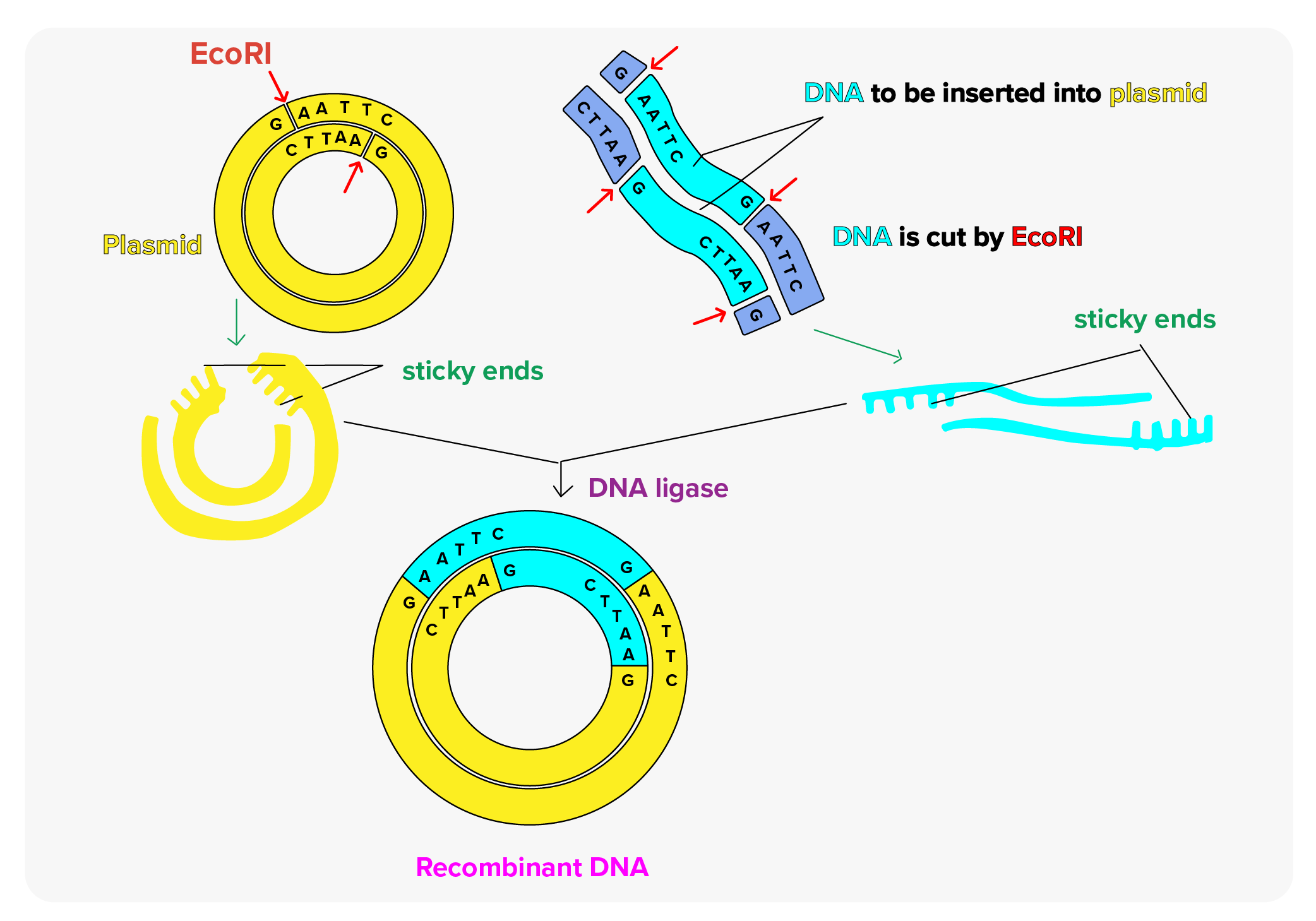
Scientists used genetic engineering to rapidly produce human insulin, which is far more effective than cow's insulin. They used restriction enzymes to introduce cuts into DNA extracted from cells swabbed from the inside of your cheek, for example. These cuts reduced the human genome to smaller-sized pieces that are easier to manage.
They then took these pieces and inserted them into small circles of DNA called plasmid DNA. In the diagram below, the dark strand is the human DNA, while the yellow is the plasmid. These plasmids are relatively easy to insert into transformation (briefly opening holes in a cell's plasma membrane so DNA outside the cell can be taken in and expressed). The plasmids also contain instructions for how to get rid of cells that didn't take up the correct DNA, as well as instructions for producing the protein encoded in the recombinant DNA.
The Process of Genetic Engineering using Recombinant DNA Technology
This technology was used to introduce the gene for human insulin into E. coli, which grows rapidly and can produce this effective treatment for diabetes very cheaply. Thanks to this transgenic organism (an organism that contains genes from another organism), people with diabetes can live long, healthy lives.
Since the use of genetic engineering to create a therapy for diabetics, the technology has continued to improve, and the number of applications has increased. For example, instead of isolating a whole bunch of DNA, cutting it up with restriction enzymes and hoping the correct gene gets inserted into one of your billions of plasmids, we can use polymerase chain reaction (PCR) to copy the precise gene in a couple of hours.
Besides creating medicinal proteins and molecules, genetically modified organisms (GMOs) can be used to make our environment cleaner and safer. For example, bacteria can be genetically modified to have genes that allow them to eat oil. These GMOs have been deployed at oil spills. This genetic engineering application is called bioremediation.
Genetic engineering has also been used to make food more affordable and more nutritious. Plants are being used in genetic engineering, and they can produce genetically modified foods. These genetically modified foods can be pest resistant and more resilient. They also can be genetically modified to do things like provide more vitamins.
In a way, this technology isn't new; people have been selectively breeding animals and hybridizing plants for thousands of years. Everything we eat has been "genetically modified" over generations. The benefit of genetic engineering technology is that it is more precise, so it introduces less risk of including harmful DNA along with the beneficial DNA. It's also faster and cheaper; reverting back to old insulin technology, for example, would be a death sentence to a lot of diabetics.
terms to know
Genetic Engineering
Manipulating an organism’s DNA to create a genetically modified organism (mice, crops).
Recombinant DNA
A DNA molecule that contains DNA from multiple species, often used with bacteria (example: using recombinant DNA to stimulate E. coli to produce human insulin).
Restriction Enzyme
Enzymes that cut apart specific segments of DNA.
Plasmid DNA
Small circles of DNA that are separate from a chromosome but can code for a protein; they are often circular, double-stranded, and common in bacteria.
Transformation
A method of introducing new genes into cells (often bacterial cells).
Transgenic Organism
Organisms that contain genes from another organism.
Genetically Modified Organism (GMO)
An organism that contains foreign DNA produced by genetic engineering.
Bioremediation
Using genetically modified organisms to clean pollutants.
4. Gene Therapy and Editing
Human diseases that result from genetic mutations are often difficult to treat with drugs or other traditional forms of therapy because the signs and symptoms of disease result from abnormalities in a patient’s genome.
EXAMPLE
A patient may have a genetic mutation that prevents the expression of a specific protein required for the normal function of a particular cell type. This is the case in patients with severe combined immunodeficiency (SCID), a genetic disease that impairs the function of certain white blood cells essential to the immune system.
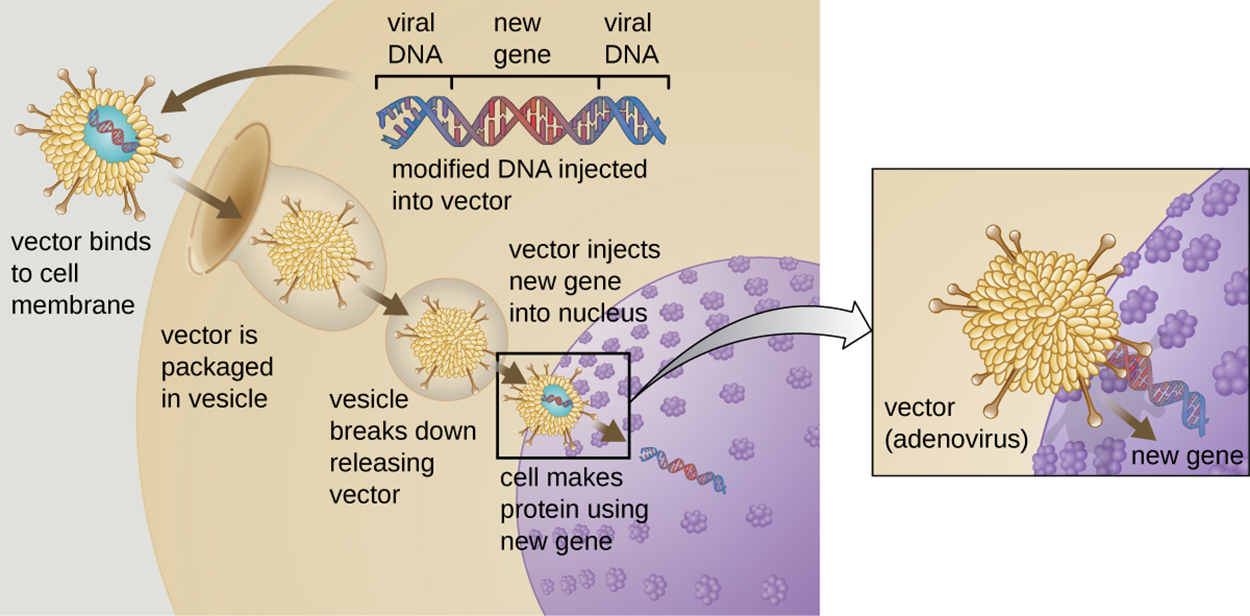
Gene therapy attempts to correct genetic abnormalities by introducing a nonmutated, functional gene into the patient’s genome. The nonmutated gene encodes a functional protein that the patient would otherwise be unable to produce. Viral vectors such as adenovirus are sometimes used to introduce the functional gene; part of the viral genome is removed and replaced with the desired gene. More advanced forms of gene therapy attempt to correct the mutation at the original site in the genome, such as is the case with the treatment of SCID.
Gene Therapy Example—Gene therapy using an adenovirus vector can be used to treat or cure certain genetic diseases in which a patient has a defective gene. (credit: modification of work by National Institutes of Health)
Gene editing, a form of gene therapy, is promising because it can be used experimentally to understand disease or organismal limitations and then be applied to overcome those issues.
EXAMPLE
In a human trial, cancerous cells were removed from a person, edited to remove their cancerous properties at the DNA level, and reintroduced into the patient so that those now edited cells could multiply and replace the cancerous ones. Using the person’s own cells increases the likelihood of acceptance and success.
So far, gene therapies have proven relatively ineffective, with the possible exceptions of treatments for cystic fibrosis and adenosine deaminase deficiency, a type of SCID. Other trials have shown the clear hazards of attempting genetic manipulation in complex multicellular organisms like humans. In some patients, the use of an adenovirus vector can trigger an unanticipated inflammatory response from the immune system, which may lead to organ failure. Moreover, because viruses can often target multiple cell types, the virus vector may infect cells not targeted for the therapy, damaging these other cells and possibly leading to illnesses such as cancer. Another potential risk is that the modified virus could revert to being infectious and cause disease in the patient. Lastly, there is a risk that the inserted gene could unintentionally inactivate another important gene in the patient’s genome, disrupting normal cell cycling and possibly leading to tumor formation and cancer. Because gene therapy involves so many risks, candidates for gene therapy need to be fully informed of these risks before providing informed consent to undergo the therapy.
IN CONTEXT
CRISPR Gene Modification
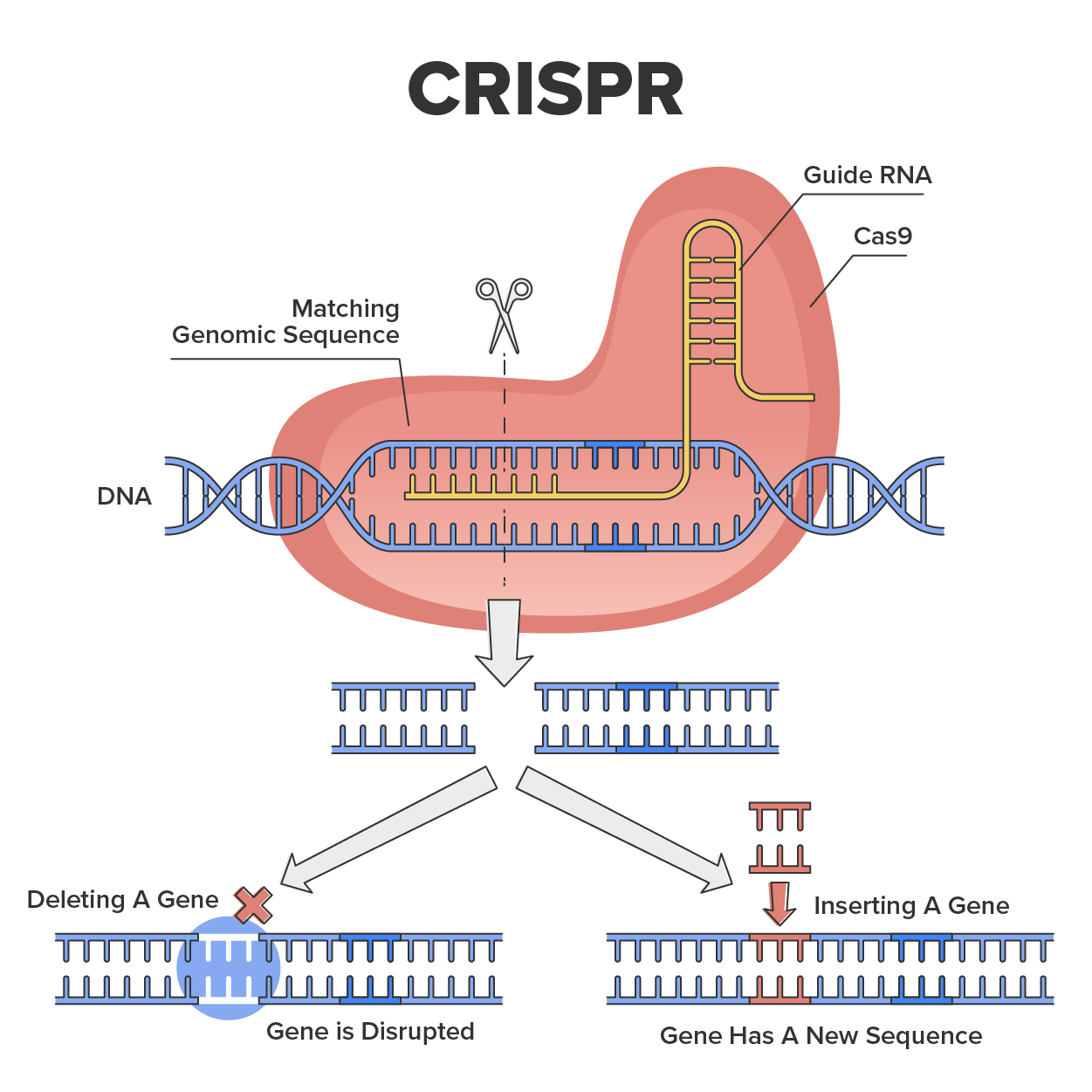
For thousands of years, humans have engaged in some level of control over genes and heredity regarding the plants and animals we rely on by selecting for organisms with desirable traits. The technology now exists to exert that control more directly by precisely altering the DNA of organisms. The technique is usually referred to as CRISPR, for the portions of DNA it targets: "Clustered Regularly Interspaced Short Palindromic Repeats," or CRISPR–Cas9, which also references the enzyme that is used to cut the DNA sequence. In essence, DNA contains repetitive sequences with "spacers" between them. CRISPR-associated nucleases (known as "Cas") are enzymes that can identify, attach to, and cut the strand at precise locations. How CRISPR Modifies Genes
In 2012, Jennifer Doudna and Emmanuelle Charpentier developed a method to combine the Cas nuclease with a synthetically produced "guide RNA" that leads the nuclease to selected locations on the DNA strand. The discovery revolutionized gene editing. Researchers around the world have used CRISPR to manipulate the actual DNA of plants, animals, laboratory cell lines, and (in trials) human patients. Doudna and Charpentier were awarded the Nobel Prize for their work.
Like other applications of genomics, the prospect of directly editing genes brings up several ethical issues. Both Doudna and Charpentier, as well as many other genetic engineers, support only certain CRISPR applications. Additionally, many governments and other entities place strict guidelines on the uses of the powerful technology.
learn more
Gene therapy and editing are showing exceptional promise for treating cancer, which is a genetic disease characterized by altered gene expression. To read more about the genetic causes of cancer and some developing gene-based therapies, please visit the supplemental document Genetics of Cancer.pdf.
5. Cloning
Cloning is the process of producing a genetic copy of a cell or an organism. So far, scientists have cloned bacteria in recombinant DNA technology and embryos for stem cell use. They've also cloned animals, one of the most famous examples being Dolly the sheep.
There are two different types of cloning that can be used:
Therapeutic cloning: A type of cloning in which an embryo is cloned as a source of embryonic stem cells. These embryonic stem cells have undergone very little differentiation, so they are capable of becoming a wider variety of tissues (for organ transplants, for example). However, embryonic stem cells are difficult to come by, and there are ethical concerns. Research is ongoing to coax adult stem cells (such as those found in fat tissue) to differentiate into a wider variety of tissues.
Reproductive cloning: A type of cloning technology in which a cloned embryo is created. That cloned embryo is then transferred into a woman's uterus, where it can develop into a baby. The parents who are carriers of a genetic disorder, such as cystic fibrosis, would be able to ensure that their children (and all future generations) didn't carry genes that could make them or future generations sick. This is just one of the different ways that reproductive cloning is developing and being used.
Both therapeutic and reproductive cloning are in the very early stages of development. For example, cloned organisms often have health problems. Scientists have noticed this with some of the cloned animals that they've produced—these animals tend to have a lot of health issues, and they will age faster than average.
Additionally, there has been an ethical debate about altering the genetic makeup of an embryo before it's implanted. Many people consider this to be unnatural because rather than letting nature take its course, this process involves messing with aspects of biology that are typically out of people's hands. However, cloning can certainly be a useful tool.
terms to know
Cloning
The production of a genetic replica of a cell or organism.
Therapeutic Cloning
A type of cloning in which embryonic stem cells are used to produce organs or tissues.
Reproductive Cloning
A type of cloning in which a cloned embryo is implanted into a mother's uterus and allowed to develop into a baby.
summary
In this lesson, you learned about some common applications of DNA technology and research. First, you learned about how applied genetics and genomics can improve our understanding and possible treatment of genetic disease. Then, you explored how predicting disease risk at the individual level can help improve health outcomes, and you learned that there are several different approaches that can be used, such as genome-wide association studies, pharmacogenomics, and mitochondrial genomics. You also examined how genetic engineering involves manipulating an organism’s DNA, and how gene therapy and editing may be options for preventing or curing disease in the future. Finally, you learned about how cloning is the production of a genetic replica of a cell or organism, and how it can have therapeutic applications and be used to make embryos.
Using genetically modified organisms to clean pollutants.
Cloning
The production of a genetic replica of a cell or organism.
Genetic Engineering
Manipulating an organism’s DNA to create a genetically modified organism (mice, crops).
Genetically Modified Organism (GMO)
An organism that contains foreign DNA produced by genetic engineering.
Pharmacogenomics
The study of drug interactions with the genome or proteome; also called toxicogenomics.
Plasmid DNA
Small circles of DNA that are separate from a chromosome but can code for a protein; they are often circular, double-stranded, and common in bacteria.
Polygenic
A trait that is controlled by two or more genes.
Recombinant DNA
A DNA molecule that contains DNA from multiple species, often used with bacteria (example: using recombinant DNA to stimulate E. coli to produce human insulin).
Reproductive Cloning
A type of cloning in which a cloned embryo is implanted into a mother's uterus and allowed to develop into a baby.
Restriction Enzyme
Enzymes that cut apart specific segments of DNA.
Single Nucleotide Polymorphism (SNP)
A variant in the genome at a single base position.
Therapeutic Cloning
A type of cloning in which embryonic stem cells are used to produce organs or tissues.
Transformation
A method of introducing new genes into cells (often bacterial cells).
Transgenic Organism
Organisms that contain genes from another organism.