In this lesson, you will learn about investing in cryptocurrency. Specifically, this lesson will cover the following:
1. Cryptocurrency
If real estate investing is like planting a tree that grows over time, cryptocurrency (crypto) investing is more like surfing on unpredictable waves. Some waves are small, others are massive, and you never know exactly when the next big one will come. Crypto has made some people millionaires almost overnight, while others have lost large sums when prices crashed.
You may have heard stories of people buying Bitcoin when it was only a few dollars and now being worth millions. Or maybe you’ve seen news headlines about the crypto market losing billions in just a day. Crypto investing is exciting, but it comes with risks. However, that does not mean it is only for tech experts or Wall Street professionals. Even beginners can invest in crypto—if they understand how it works.

Cryptocurrency is digital money that exists only on the internet. Unlike the U.S. dollar or other traditional currencies, crypto is not controlled by any government or central bank. Instead, it operates on a technology called blockchain, which is a decentralized network that records transactions securely and transparently.
Bitcoin was the first cryptocurrency, created in 2009, and it remains the most well known. Since then, thousands of other cryptocurrencies, like Ethereum, Solana, and Dogecoin, have been created, each with different purposes and uses.
-
Ethereum is known for its smart contracts, which allow transactions to happen automatically without middlemen. Solana is designed to be faster and cheaper than Ethereum, making it popular for apps and games. Dogecoin started as a joke but became widely used for tipping and small payments, thanks to its fun community and low cost.
Unlike real estate, where you buy physical property, crypto is purely digital. You buy and sell it on online platforms called crypto exchanges, similar to how you would trade stocks. The price of crypto changes based on supply and demand, meaning the more people who want to buy a certain coin, the higher the price goes. If people start selling, the price can drop quickly.
-
Cryptocurrency was created to fix problems with traditional money, like high fees, slow transactions, and government control. Before Bitcoin, there were attempts to create digital money, but they didn’t succeed.
In the 1990s, DigiCash tried to create anonymous digital payments, and E-Gold let people trade money backed by gold, but both failed. The biggest challenge was preventing fraud without needing a bank.
Then, in 2008, an anonymous person or group called Satoshi Nakamoto introduced Bitcoin. It used blockchain technology, a digital ledger that records transactions securely without a bank. This made Bitcoin the first successful decentralized currency.
Bitcoin launched in 2009, and people quickly saw its potential. Over time, thousands of other cryptocurrencies like Ethereum and Dogecoin were created, each with different features.
Today, crypto is used for investing, online payments, and even creating digital art (NFTs). While it’s still risky and evolving, it has changed how people think about money.
Ways to Make Money in Crypto
There are several ways to invest in cryptocurrency and make a profit:
- 1. Buying and Holding: This strategy is similar to buying real estate and holding onto it. Investors buy crypto at a lower price and hold it for years, hoping its value increases. For example, someone who bought Bitcoin for $1,000 in 2017 and held onto it saw it reach over $60,000 in 2021.
- 2. Trading Crypto: Some investors buy and sell crypto frequently, trying to take advantage of daily price swings. Since crypto prices can move quickly, skilled traders make money by buying low and selling high within hours or days.
- 3. Staking and Earning Rewards: Some cryptocurrencies allow you to earn passive income by staking your coins, which means locking them up to help maintain the network. In return, you receive rewards, similar to earning interest in a savings account.
- 4. Investing in Crypto Projects (NFTs, DeFi, etc.): Beyond regular cryptocurrencies, investors can put money into other blockchain-based assets, such as non-fungible tokens (NFTs) and decentralized finance (DeFi) projects, which offer different ways to earn and grow wealth.
-
NFTs are unique digital collectibles that can be art, music, videos, or even virtual items in games. Unlike Bitcoin or Ethereum, each NFT is one of a kind and proves ownership of something digital. They’re often called projects because they’re part of larger collections, communities, or games. Some people buy NFTs hoping their value will increase, but they can be highly risky and unpredictable.
DeFi is like a banking system without banks—it lets people lend, borrow, or earn interest using crypto. It can offer big rewards, but it also comes with risks like scams, hacking, and sudden losses.
Both NFTs and DeFi can be exciting, but they’re very risky and should only be considered if you understand how they work and are okay with the possibility of losing money.
-
EXAMPLE
Let’s look at Alex, a 35-year-old graphic designer who became interested in cryptocurrency in 2020. He heard that Ethereum was growing in popularity, so he bought 5 ETH (Ethereum) at $400 each, spending a total of $2,000.
Over the next 2 years, Ethereum’s price skyrocketed to $4,000 per coin. That meant his 5 ETH was now worth $20,000—a huge increase from his original investment. Excited by his profits, Alex sold half of his Ethereum and used the money to start his own design business.
But crypto is not always that simple. Let’s say Alex later bought Dogecoin when it was trending on social media at $0.60 per coin. A few months later, the hype died down, and the price dropped to $0.10 per coin. If Alex had invested $1,000 in Dogecoin at its peak, his investment would now be worth only $166.
This example highlights the potential rewards and risks of crypto investing. Prices can go up quickly, but they can also drop just as fast.
Let’s look at some of the benefits of investing in crypto:
- Ease of getting started with small amounts: Unlike real estate, which requires a large down payment, you can start investing in crypto with as little as $10.
- Highly liquid investment: You can buy and sell crypto instantly, unlike real estate, which takes time to sell.
- Potential for huge gains: Crypto has seen some of the highest returns of any asset class in the past decade. While risky, some investors have made significant profits.
- Decentralization and accessibility: Crypto is not controlled by any bank or government, meaning anyone with an internet connection can invest.
However, as you’ve already learned, investing in crypto does come with some risks that you need to consider before you invest carefully. Here are a few to pay attention to:
- Extreme volatility: Crypto prices can rise and fall dramatically in a short time.
-
Some coins have lost 80% or more of their value in a few months. What drives these price changes? Supply and demand play a big role—when more people want to buy a cryptocurrency, the price goes up, and when more people sell, the price drops. Other factors include news and hype (big announcements, celebrity endorsements, or government regulations), investor emotions (fear and excitement), market trends, and even social media influence. Unlike stocks, which are tied to company performance, crypto prices often move based on speculation, making them highly unpredictable and risky.
- No physical asset: Unlike real estate, which has tangible value, crypto is digital, meaning its price is based entirely on demand. If demand disappears, the coin’s value can drop to zero.
- Security risks: Crypto is stored in digital wallets, and if you forget your password or get hacked, you can lose your entire investment permanently.
- Regulatory uncertainty: Governments are still figuring out how to regulate crypto, and future laws could impact its value or how it can be used.
-
Here is a video that helps explain what exactly cryptocurrency is:
-
Investing in cryptocurrency doesn’t have to be complicated. You don’t need a ton of money or tech skills—just a basic understanding of how to buy, store, and manage your crypto safely.
Here is how a typical exchange transpires.
1. First, you choose a crypto exchange.
- A crypto exchange is like a stock market for digital currencies. It’s where you buy, sell, and trade crypto. Here are some popular and beginner-friendly exchanges:
- Coinbase: Great for beginners and easy to use
- Binance: Offers more crypto options but can be a bit advanced
- Kraken: Secure and good for long-term investing
- Typically, you need to sign up for an account, verify your identity, and then link your bank account or debit card to deposit money.
2. Next, you research some cryptocurrency to buy.
- Here are some well-known cryptos you could research:
- Bitcoin (BTC): The first and most valuable cryptocurrency
- Ethereum (ETH): Used for smart contracts and apps
- Solana (SOL) or Polygon (MATIC): Faster, newer alternatives to Ethereum
3. Then, once you have done your research and wish to continue, you purchase your crypto.
- Once you’ve chosen a coin, decide how much money you want to invest. You don’t need to buy a whole Bitcoin—you can buy just $10 or $50 worth and own a small fraction.
4. You store your crypto safely.
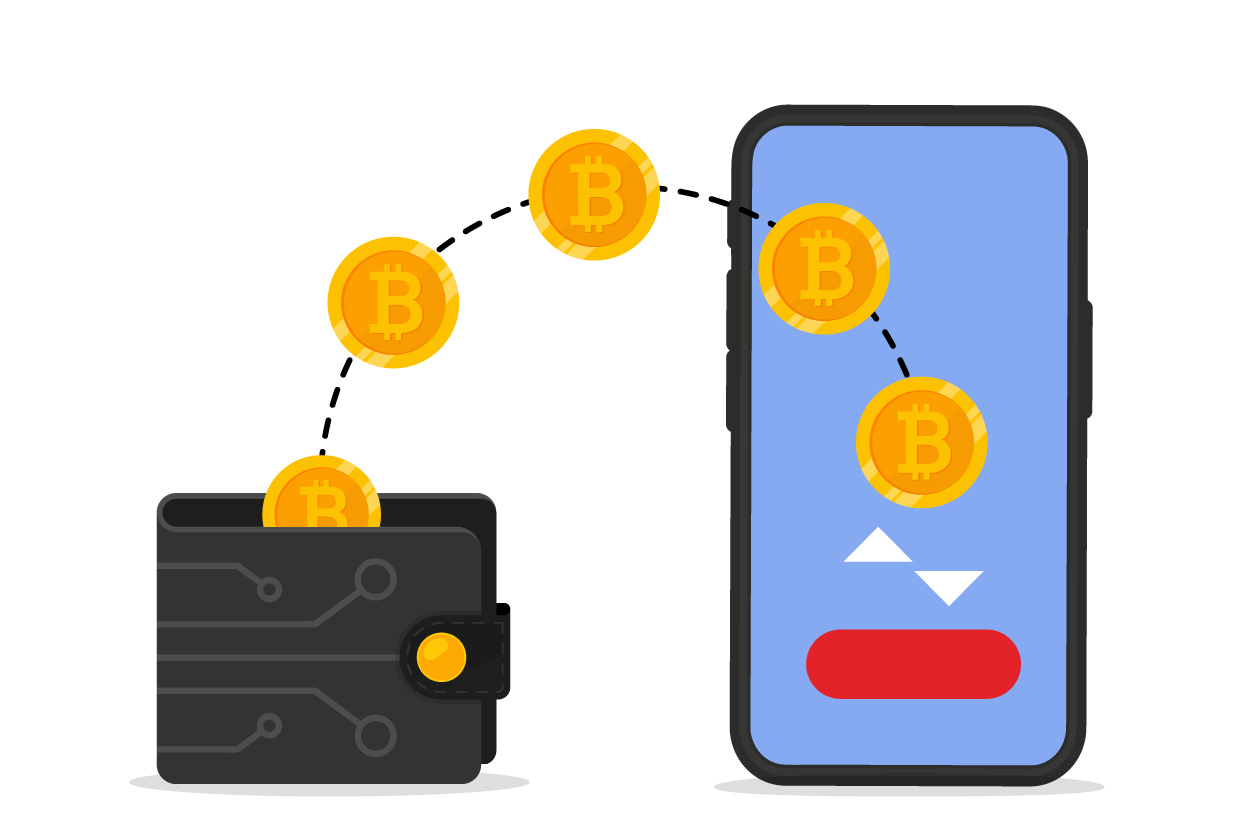
- Cryptos are stored in digital wallets. There are two types:
- Exchange Wallets: Built into platforms like Coinbase (easiest for beginners)
- Private Wallets: Like MetaMask or hardware wallets (safer but requires extra steps)
-
5. You decide what to do with your crypto.
- You can make money with crypto in different ways:
- Hold (HODL): Buy and keep it long term, hoping the value rises over time.
- Trade: Buy low, sell high (riskier and requires knowledge).
- Staking: Lock up your coins to earn rewards (like earning interest on savings).
6. Continue to research and learn about the digital currency landscape.
- Crypto prices change fast. Here are some tips to avoid losing money:
- Only invest what you can afford to lose: Crypto is risky.
- Beware of scams: If it sounds too good to be true, it probably is.
- Use strong passwords and two-factor authentication: Protect your account.
So, who should consider investing in crypto? Make sure you resonate with these qualities first:
- Are comfortable with high risk and volatility
- Want an investment that is easy to buy and sell quickly
- Have extra money to invest and can afford to lose some without major financial stress
- Are interested in technology and the future of digital finance
-
- Bitcoin
- The first and most well-known cryptocurrency, often called digital gold.
- Cryptocurrency
- Digital money secured by cryptography, used for transactions or investment.
- Blockchain
- A decentralized digital ledger that securely records transactions across multiple computers.
- Ethereum
- A blockchain platform that supports smart contracts and decentralized apps, with its currency, ETH.
- Solana
- A fast blockchain designed for scalable apps and crypto projects, using SOL as its currency.
- Dogecoin
- A meme-based cryptocurrency known for its fun, community-driven nature.
- Crypto Exchanges
- Platforms where you buy, sell, and trade cryptocurrencies.
- Staking
- Locking up cryptocurrency to support a blockchain network and earn rewards.
- Crypto Projects
- Blockchain-based initiatives offering various digital services, from finance to gaming.
- Non-fungible Tokens (NFTs)
- Unique digital assets representing ownership of art, music, or collectibles.
- Decentralized Finance (DeFi)
- Financial services using blockchain, removing banks as middlemen.
- Digital Wallets
- Apps or devices that store and manage your crypto securely.
In this lesson, you got an understanding of the wild world of cryptocurrency, including how it works and some benefits and risks of investing in it.



