Table of Contents |
In conflict resolution, designing a process that fits the needs of the conflict and the parties involved is essential. The process design helps structure the path toward resolution, ensuring all relevant factors, such as emotions, facts, and relationships, are addressed. This lesson focuses on conflict resolution process design and outlines the various strategies for crafting effective resolution methods. We will explore topics like direct communication, active listening, and gathering data. Along the way, real-world examples and Think About It exercises will help you apply these concepts in practice.
Remember as we go through this lesson, maintaining confidentiality is important in the conflict resolution process. For instance, when an intervener interviews parties separately, it’s essential each party knows the details shared will remain private unless otherwise agreed. This builds trust and ensures open communication. In some cases, confidentiality agreements may be waived, such as when information is meant for a public report or external review. However, in most conflict resolution processes, strict confidentiality helps prevent further escalation and ensures that the parties feel safe sharing sensitive information.
When an intervener (mediator or facilitator) initiates a conflict analysis process, the most effective method for gathering information is through direct communication with the parties involved. This usually takes the form of interviews, where the intervener engages in a direct inquiry with each party to collect both the facts as the parties perceive them and their emotional responses to the conflict. In these interviews, parties can articulate their experiences, motivations, and feelings surrounding the issue, providing the intervener with a comprehensive view of the conflict from different perspectives.

Although archival materials or previously documented information, such as emails, reports, or historical data, can offer valuable context—particularly when examining long-standing conflicts—these sources often lack the immediacy and emotional tone that comes from direct, real-time communication. While historical data can establish a timeline or record of past events, it doesn’t fully capture the evolving perceptions, emotional dynamics, and tensions that contribute to the present conflict.
By prioritizing face-to-face communication (or virtual communication, if necessary), the intervener gains access to the parties’ personal narratives, which often reveal underlying interests, unmet needs, or unspoken concerns. This dual focus on both facts and perceptions of facts is essential in understanding the conflict’s complexity. Facts provide verifiable details of what occurred—such as specific incidents, timelines, or events—while perceptions reflect how each party interprets these facts, which can vary significantly based on their personal biases, emotional state, or past experiences.
Through careful, structured questioning, the intervener can unearth critical information, identifying not only what happened (facts) but also why the parties believe it happened (perceptions) as well as the emotional weight attached to these perceptions. This holistic approach allows the intervener to build a complete picture of the conflict, which helps in identifying potential root causes, assessing the extent of the problem, and crafting a pathway toward resolution.
The process of direct communication also helps the intervener establish rapport with the parties, fostering a sense of trust and confidentiality, which is essential for encouraging honest and open dialogue. Ultimately, gathering both factual data and emotional insights through direct communication lays the groundwork for a more effective and empathetic conflict resolution strategy.
EXAMPLE
In a workplace dispute over project responsibilities, the intervener may conduct interviews with both employees involved to gather a complete understanding of the situation. One employee may believe that their colleague is unfairly taking credit for the work they contributed to the project.During the interview process, the intervener can gather factual information by asking specific questions about each employee’s actual contributions, timelines, and the division of tasks within the project. This may include verifying who completed which parts of the work, what deadlines were met, and how responsibilities were assigned at the outset.
However, the factual side of the conflict is only part of the story. Exploring the emotional perception of the employees involved is equally important. The intervener may uncover that the first employee feels undervalued or ignored, believing that their efforts are not being recognized properly. This feeling of being underappreciated can escalate the conflict, even if the factual evidence of project contributions seems straightforward. On the other hand, the second employee might not even realize they have contributed to these feelings of resentment, possibly believing they are simply performing their role efficiently and contributing to the team.
By gathering both the objective facts—such as who submitted specific reports or finished key tasks—and the subjective perceptions, such as the first employee’s feeling of being undermined or overlooked, the intervener is able to develop a clearer, more holistic picture of the conflict. By practicing active listening and encouraging each party to share their perspective, the intervener can identify key areas where communication broke down or where one party’s contributions were inadvertently minimized.
This information will allow the intervener to guide the parties toward a mutual understanding and a resolution. By helping the employees see both the factual reality and the emotional dynamics at play, the intervener can facilitate a more productive dialogue, ultimately helping them address both the practical issues of credit sharing and the emotional need for recognition and respect in the workplace.
A key distinction in conflict resolution is between facts and perceptions of facts. Facts are verifiable events or statements, such as timelines, places, or actions that can be confirmed. Perceptions of facts, however, are how each party interprets those events—often influenced by emotions, past experiences, and assumptions.
During interviews, the intervener collects both. For instance, they may ask, “What happened that caused this conflict?” (fact) and “Why do you believe this happened?” (perception). Understanding both the concrete details and emotional perceptions provides a more holistic view of the conflict.


As you know from previous lessons, active listening is a fundamental skill in conflict resolution. It involves not only hearing the words but also understanding the emotions and perceptions behind them. This skill enables interveners to facilitate a deeper and more empathetic conversation. Let’s go through an example so you can gain more insight into this important piece of conflict resolution. Remember as you read, the three main components of active listening are summarizing (ensuring you’ve understood by restating what was said), reflecting (validating emotions by reflecting back what you heard), and paraphrasing (putting someone’s words into your own to clarify and confirm understanding).
EXAMPLE
In the workplace scenario mentioned earlier, the intervener might say, “So, you’re feeling your contributions aren’t being recognized?” This reflection of emotion not only allows the employee to feel heard but also encourages them to elaborate further on their feelings.By validating their emotions in this way, the intervener helps reduce defensiveness and opens the door for a more collaborative discussion. When the employee feels understood and respected, they are more likely to engage in problem-solving rather than focusing on the conflict, paving the way for a more productive and solution-oriented dialogue between both parties.
In conflict resolution, it’s important to recognize not all parties are eager to resolve disputes quickly. In some cases, parties may perceive ongoing conflict as beneficial, using it to achieve other goals. For instance, a group involved in an environmental protest may intentionally prolong the conflict to raise public awareness, viewing resolution as less urgent. Similarly, a labor union may continue striking to foster group solidarity, seeing the conflict strengthen identity and cohesion among its members. When crafting a resolution process, an intervener must consider these underlying interests and balance the desire for resolution with the parties’ broader goals. To help you address these kinds of complexities effectively, you will now explore strategies for creating buy-in and ways to select the most appropriate method for resolution.
For any conflict resolution process to be effective, the parties involved must feel a strong sense of ownership over the process, which leads to what is known as buy-in. Buy-in refers to the willingness of the parties to actively engage in the resolution process with a sense of commitment and personal investment. When parties feel they have control over how the process unfolds, they are more likely to trust it and commit to finding a resolution. This sense of control can be fostered by allowing parties to contribute to decisions about the process’s structure, such as agreeing on ground rules, choosing the mediator, or defining discussion topics.
When parties feel invested in the outcome, they are not only more likely to participate fully but also to approach the process with good faith, increasing the likelihood of a successful resolution. This sense of ownership gives them confidence that their voices will be heard and their interests taken seriously, rather than being passive recipients of decisions made by others. Without buy-in, parties may be reluctant to fully engage, leading to half-hearted participation or even withdrawal from the process altogether. Ensuring that each party feels ownership and has a stake in the outcome fosters cooperation, openness, and, ultimately, the successful resolution of the conflict.
By empowering parties through ownership and investment, the intervener helps create an atmosphere where collaboration, rather than opposition, can thrive, laying the groundwork for a more durable and meaningful solution.
EXAMPLE
In a community dispute over land usage, residents may feel reluctant to engage in a mediation process unless they believe they have a real say in the outcome. By ensuring that the process reflects their needs and concerns, the intervener can help create buy-in.Interveners often encounter reluctance from parties for a variety of reasons, which can hinder the progress of conflict resolution. One common reason is unfamiliarity with the process. The parties may not fully understand how conflict resolution works or may be unclear about the role of the intervener. This can lead to hesitation or even resistance to participation. Another source of reluctance is fear of loss. For instance, a party may be concerned that engaging in the process could result in losing something valuable, such as power, status, or resources. This fear can make them resistant to compromise or collaboration, as they may feel they have more to lose than to gain.

Additionally, anxiety about meeting the opposing party can be a significant barrier. The prospect of sitting down face to face with someone they are in conflict with can cause discomfort, fear, or stress, particularly if the relationship has become highly contentious. Lastly, some parties may hold the belief that a resolution is impossible. They may view the conflict as too deeply entrenched or complicated to be resolved, leading to a sense of hopelessness and a lack of motivation to even attempt a resolution. Interveners must recognize these sources of reluctance and address them through education, reassurance, and carefully tailored approaches to encourage participation and engagement in the process.
By addressing these concerns by explaining the process, alleviating fears, and promoting the potential benefits, interveners can reduce reluctance and help the parties engage fully.
Selecting the Right Method
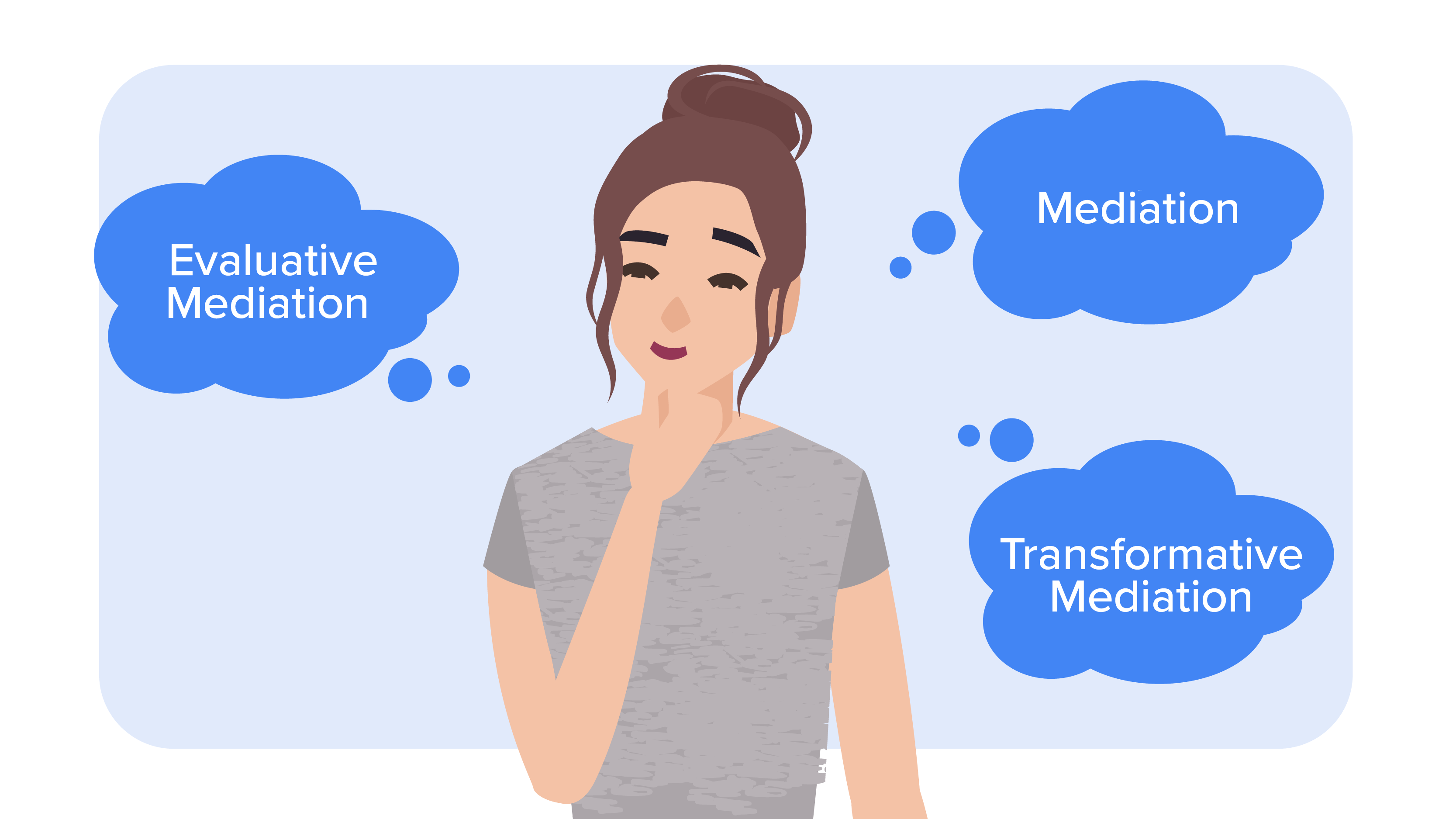
Every conflict is unique, and the process for resolving it should reflect its complexity and the needs of the parties involved. Here are some common methods:
Mediation is where the intervener facilitates the conversation without offering opinions.
EXAMPLE
In a dispute between two departments over budget allocations, facilitative mediation could help both sides work together toward a common agreement without the intervener suggesting solutions.Transformative mediation focuses on improving the relationship between parties rather than reaching a resolution.
EXAMPLE
In a workplace conflict where two colleagues frequently clash over communication styles, transformative mediation could help them better understand each other’s perspectives, improving their working relationship even if a specific solution isn’t reached immediately.Evaluative mediation is where the intervener may offer suggestions based on the discussions.
EXAMPLE
During a landlord–tenant dispute over unpaid rent, the mediator might provide legal insights and suggest potential compromises, such as payment plans or adjustments to the lease, to guide the parties toward a resolution.Mediation-arbitration (med-arb) combines mediation and arbitration, allowing the intervener to decide if the parties cannot.
EXAMPLE
In a contract dispute between two businesses, the mediator might first attempt to facilitate an agreement, but if the parties reach an impasse, the mediator will step into the role of an arbitrator and make a binding decision on the terms of the contract.Source: THIS TUTORIAL WAS AUTHORED BY MARLENE JOHNSON (2019) and STEPHANIE MENEFEE and TRACI CULL (2024). PLEASE SEE OUR TERMS OF USE.



