Table of Contents |
Recall that community involvement in the planning of a program is crucial to planning a successful program. Programs are more likely to be effective, sustainable, and truly beneficial to those they aim to serve if the community is involved in the planning process. Community members, including local leaders and partners, are involved from the initial idea generation to the final planning stages. This ensures that diverse perspectives are considered and that the program reflects the community’s values and needs. The community helps identify the most pressing health issues and priorities through the assessment phase of planning. This ensures that the program addresses the real, felt needs rather than the perceived needs of external entities (Wagle, 2019). Community members have a say in key decisions, such as setting goals, choosing strategies, and allocating resources. This shared decision-making fosters a sense of ownership and accountability. Community ownership doesn’t necessarily depend on the size of the community group involved, but rather on the level of engagement, participation, and control the community members have over the program. A diverse group of community members should be included with active participation in decision-making processes, as planning and implementation promote community ownership.
Keeping the community informed and involved through regular updates, feedback sessions, and open channels of communication also fosters community ownership and input. This builds trust and ensures that the program remains aligned with community expectations.
IN CONTEXT
The MaiMwana Project: A Maternal and Child Health Project
The MaiMwana Project was initiated to address high maternal and child mortality rates in Malawi. The project aimed to improve maternal and child health through community-led interventions.
The project began with a thorough needs assessment involving community members. They identified key health issues, such as lack of access to skilled birth attendants and poor maternal nutrition. Community members then formed women’s groups, which played a central role in planning and implementing health interventions. These groups were trained to facilitate discussions on maternal and child health, identify local solutions, and mobilize resources. The women’s groups, along with local health workers, developed action plans to address the identified health issues. This included strategies like promoting antenatal care visits (care of the woman during pregnancy), improving nutrition, and encouraging safe delivery practices.
The community organized educational sessions, distributed nutritional supplements, and set up emergency transport systems for pregnant women. The community also monitored the progress and adjusted the program as needed. The program experienced a significant increase in the number of women attending antenatal care visits. The nutritional status of pregnant women and children improved due to better dietary practices and supplementation. The project contributed to a notable reduction in maternal and child mortality rates in the region.
Once a community program has been implemented, the data analyzed and findings reported, and the health outcomes evaluated for impact, the community must begin to plan for the next program cycle. Planning for the next program cycle can begin sooner; however, results from evaluations along the way should be considered if any adjustments are to be made. Sustainability efforts must include discussions about enhanced responsibility and accountability among the program partners, including the community members. When community members feel a sense of ownership, they are more likely to take responsibility for the program’s success and hold themselves accountable for its outcomes (Wagle, 2019). As mentioned earlier, community ownership “refers to a model of collective ownership and management of resources, assets or services by a community or group of individuals who live or work in a particular area” (Possibility Labs, 2023). Community ownership fosters greater community involvement, ensuring that the program is tailored to the specific needs and preferences of the community. It also promotes community leadership and empowerment, enabling members to take active roles in decision-making and implementation. Programs with strong community ownership are more likely to have sustainable programming in the long term as they are supported and maintained by the community itself.
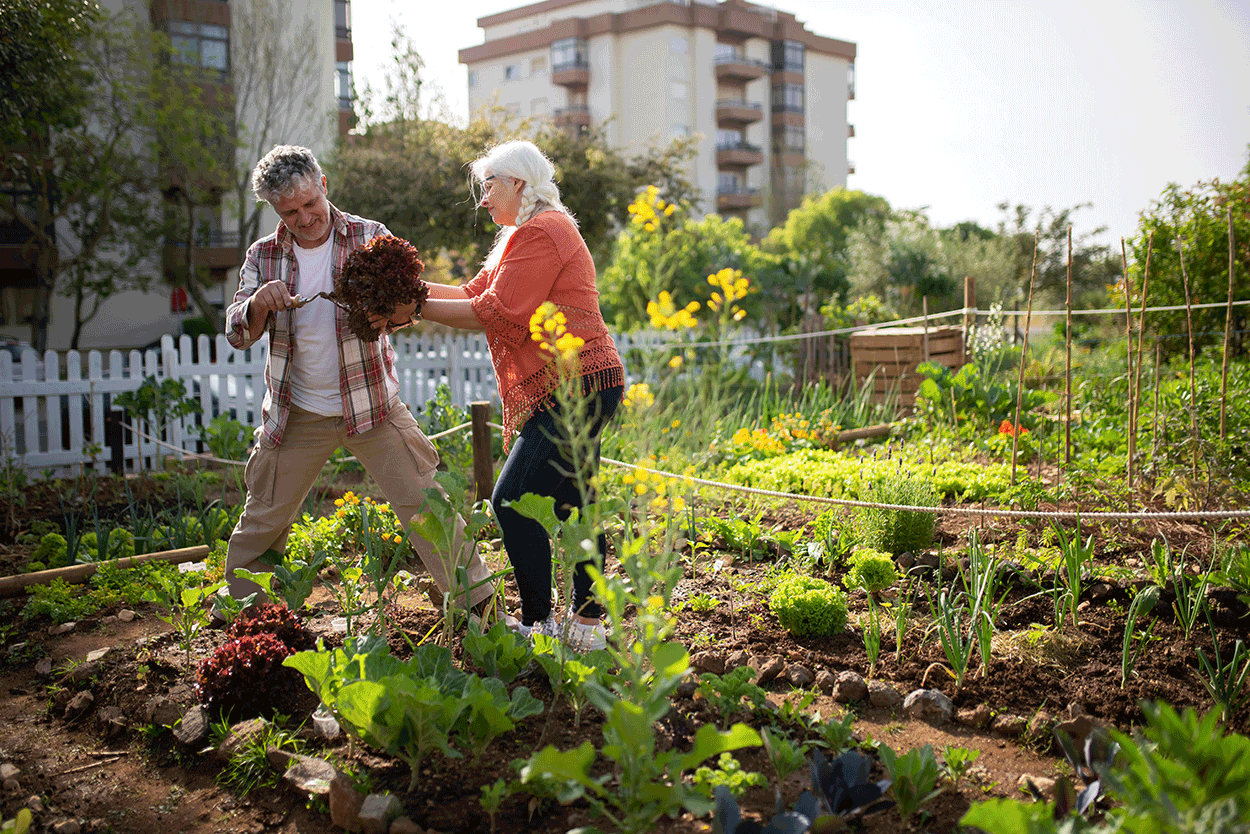
Community ownership allows for the incorporation of new ideas and strategies from the community, making the program more adaptable and responsive to changing needs. Community ownership also fosters a long-term vision for the program. Community members are more likely to think about the future and plan for the program’s continued success, including securing ongoing funding and resources. As discussed earlier, developing strategies to ensure the program can be maintained and adapted over time, with ongoing community involvement, promotes sustainability. This might include establishing local governance structures or securing long-term funding. Essentially, community ownership for sustainability creates a sense of responsibility and investment among community members, leading to more enduring and impactful programs. What follows are single activities that could contribute to community ownership of a program. Community ownership typically occurs with a deeper level of engagement in many activities such as these. This is not an exhaustive list of activities that foster community ownership.
In the Democratic Republic of Congo, World Vision adapted its education program to include WASH components based on community feedback. The school in one community had no latrines, and students had to walk to the nearest school to use a latrine. This adaptation provided proper latrines in schools, addressing immediate health and safety concerns for students. The program actively involved community members in the planning and implementation processes. This included training community volunteers in WASH interventions, such as constructing sanitized latrines and promoting handwashing practices. The program promoted sustainable practices by providing resources like cisterns and LifeStraw filtration systems, which improved access to clean water and encouraged long-term maintenance of WASH facilities. The program encouraged local leadership and involved community health workers (CHWs) and volunteers in the decision-making process. This helped ensure culturally appropriate interventions and met the specific needs of the community. These steps successfully fostered a sense of community ownership and sustainable practice.
These are nonprofit organizations that hold land on behalf of a community, ensuring long-term affordability and preventing displacement. CLTs can play a significant role in fostering community ownership over health issues by providing stable, affordable housing and promoting community engagement. By ensuring long-term affordable housing, CLTs reduce housing instability, which is a key social determinant of health. Stable housing can lead to better physical and mental health outcomes. New Communities Incorporated in Lee County, Georgia, was one of the first organized examples of a CLT (Possibility Labs, 2023).

Located in Pine Ridge Indian Reservation in South Dakota, this organization focuses on health equity through community-driven actions. TVCDC encourages asset building and homeownership by rooting its work in the teachings of elders and the tribe value system. It offers financial literacy classes, credit coaching, and support to first-time homebuyers. Community ownership is fostered by involving community members in decision-making processes. TVCDC promotes a decolonized approach to economic development. This includes sharing resources, bartering, and encouraging communal ownership, which strengthen the community’s economic resilience.
Community programs that are led by community members often have higher levels of trust and credibility. People are more likely to participate in and adhere to programs run by their peers rather than external organizations. Community members have valuable local knowledge of resources that can be leveraged to address health issues more effectively. They understand the unique challenges and strengths of their community and can tailor programs accordingly. When communities take ownership of health programs, they are more likely to see improved health outcomes. This is because the programs are better aligned with the community’s needs and priorities, leading to more effective interventions. Overall, community ownership fosters a collaborative and inclusive approach to public and community health issues, ensuring the programs are not only effective but also equitable and sustainable. Recall that including community members as a gesture in one or two small activities does not foster community ownership for the long term. Community leaders and members must be involved in all the phases and activities of program planning and sustainability.
Source: THIS TUTORIAL WAS AUTHORED BY SOPHIA LEARNING. PLEASE SEE OUR TERMS OF USE.
Disclaimer: The use of any CDC and United States government materials, including any links to the materials on the CDC or government websites, does not imply endorsement by the CDC or the United States government of us, our company, product, facility, service, or enterprise.
REFERENCES
Possibility Labs. (2023, May 31). Community ownership: How reimagined economic development can build a more equitable future. possibilitylabs.org/community-ownership-101/
Wagle, K. (2019, May 20). What is community ownership?. Public Health Notes. www.publichealthnotes.com/community-ownership/



