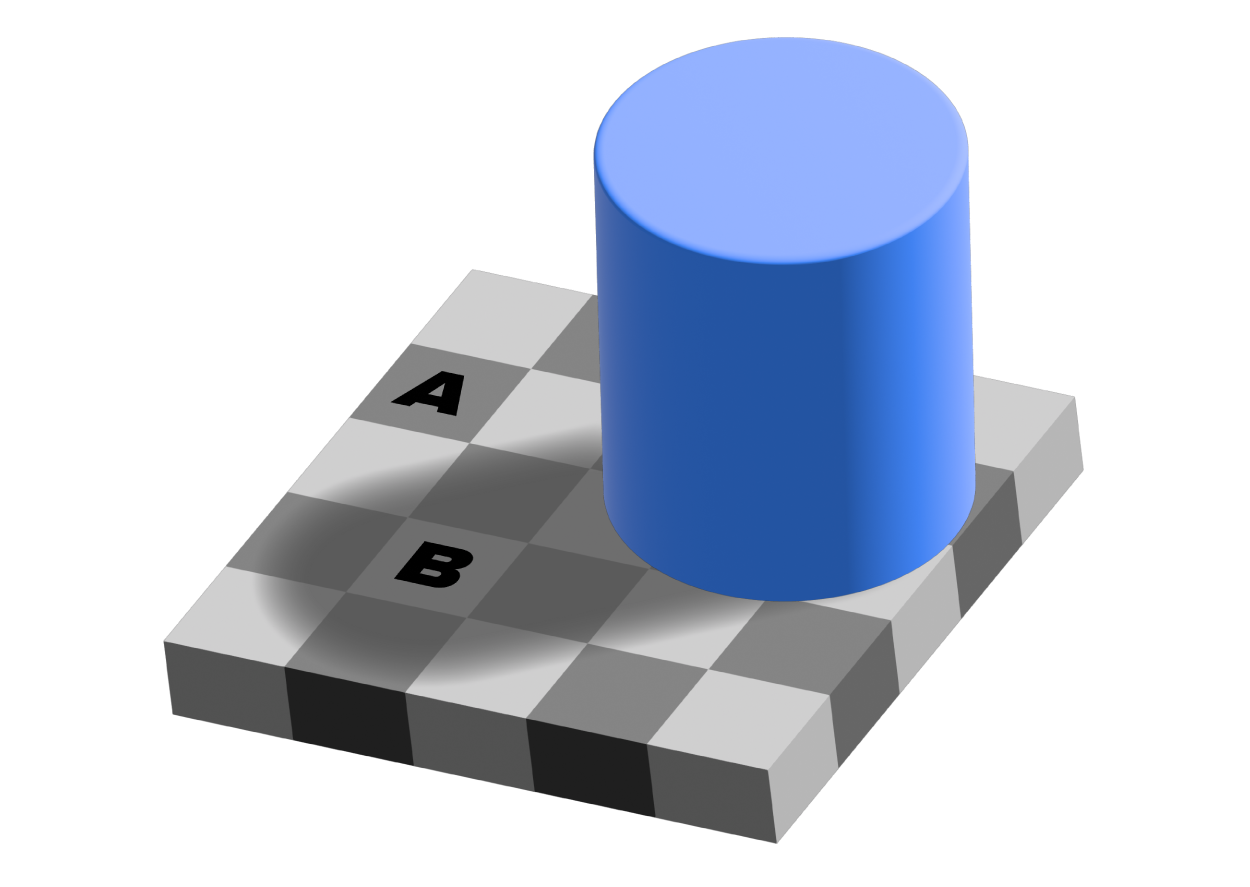
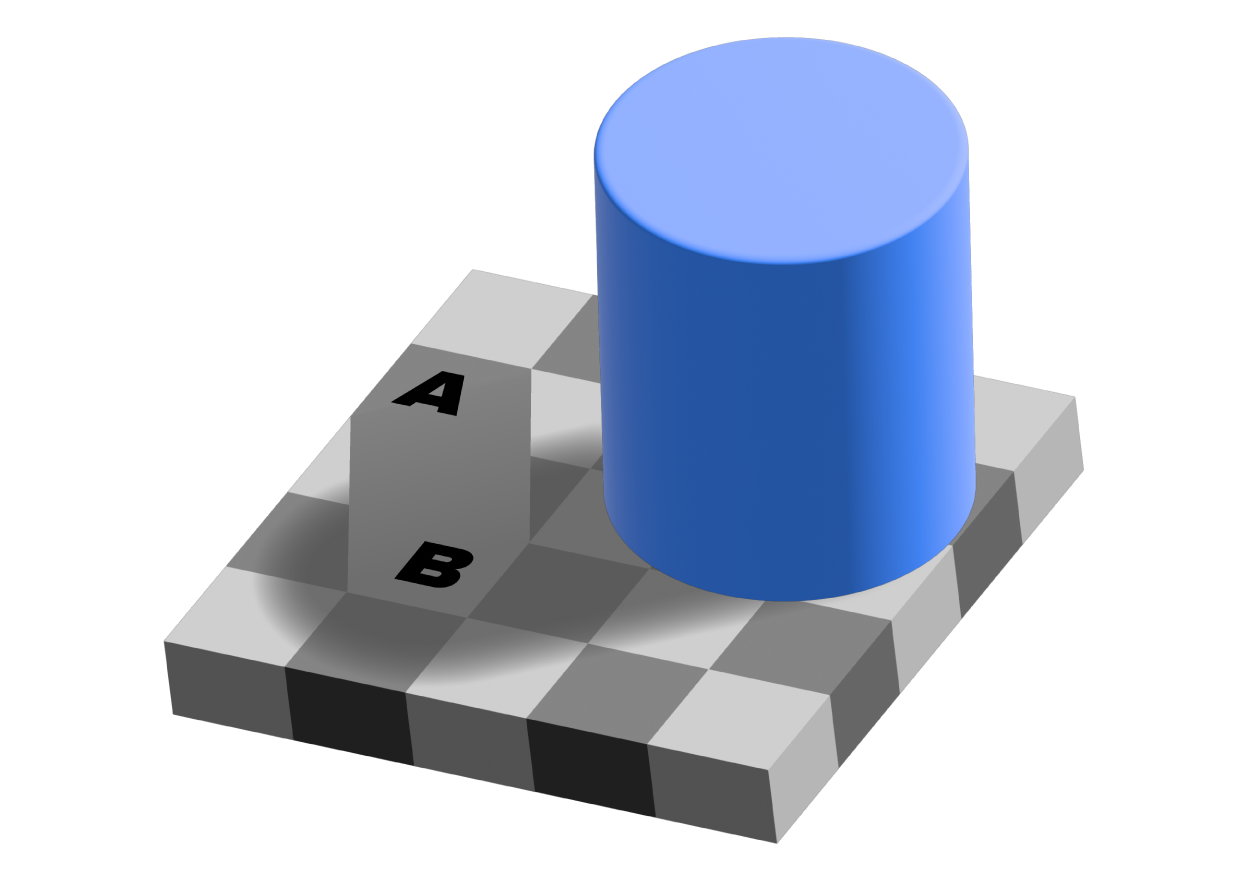
Table of Contents |
Complementary colors are two hues which sit directly opposite each other on the color wheel. If you were to draw a straight line from one color to another color on the opposite side of the wheel, you'd get that color's complement. Yellow and purple are complementary colors, as are red and green.
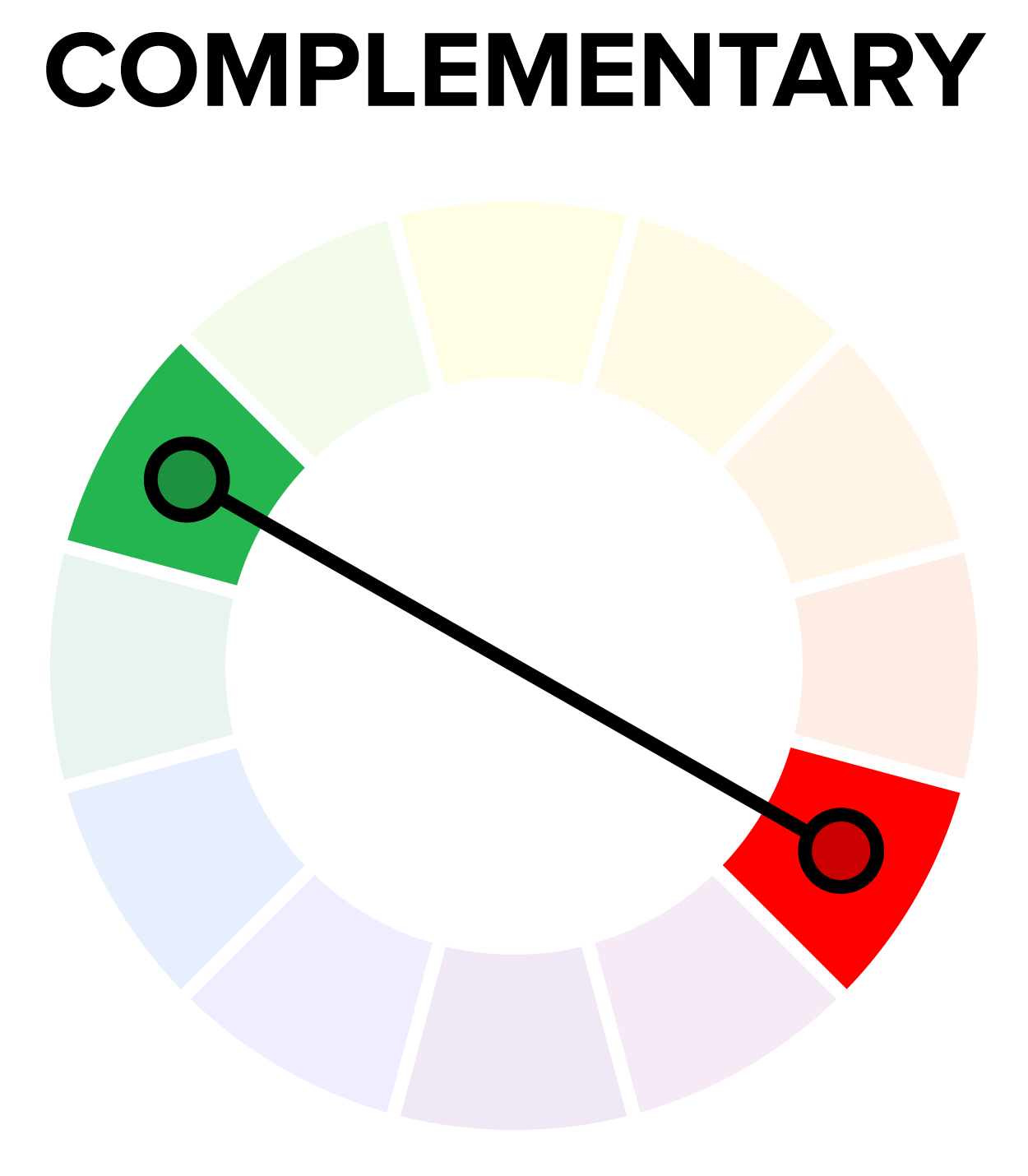
This digital illustration of an anthropomorphic fox showcases the application of the complementary colors orange and blue. This complementary color scheme creates a visual harmony based on the color relationships established by the color wheel.

Split-complementary colors are a combination of three colors, consisting of a main hue and the two hues that sit on either side of its complement on the color wheel.
If you draw a line that forks two ways, you get split-complementary colors.
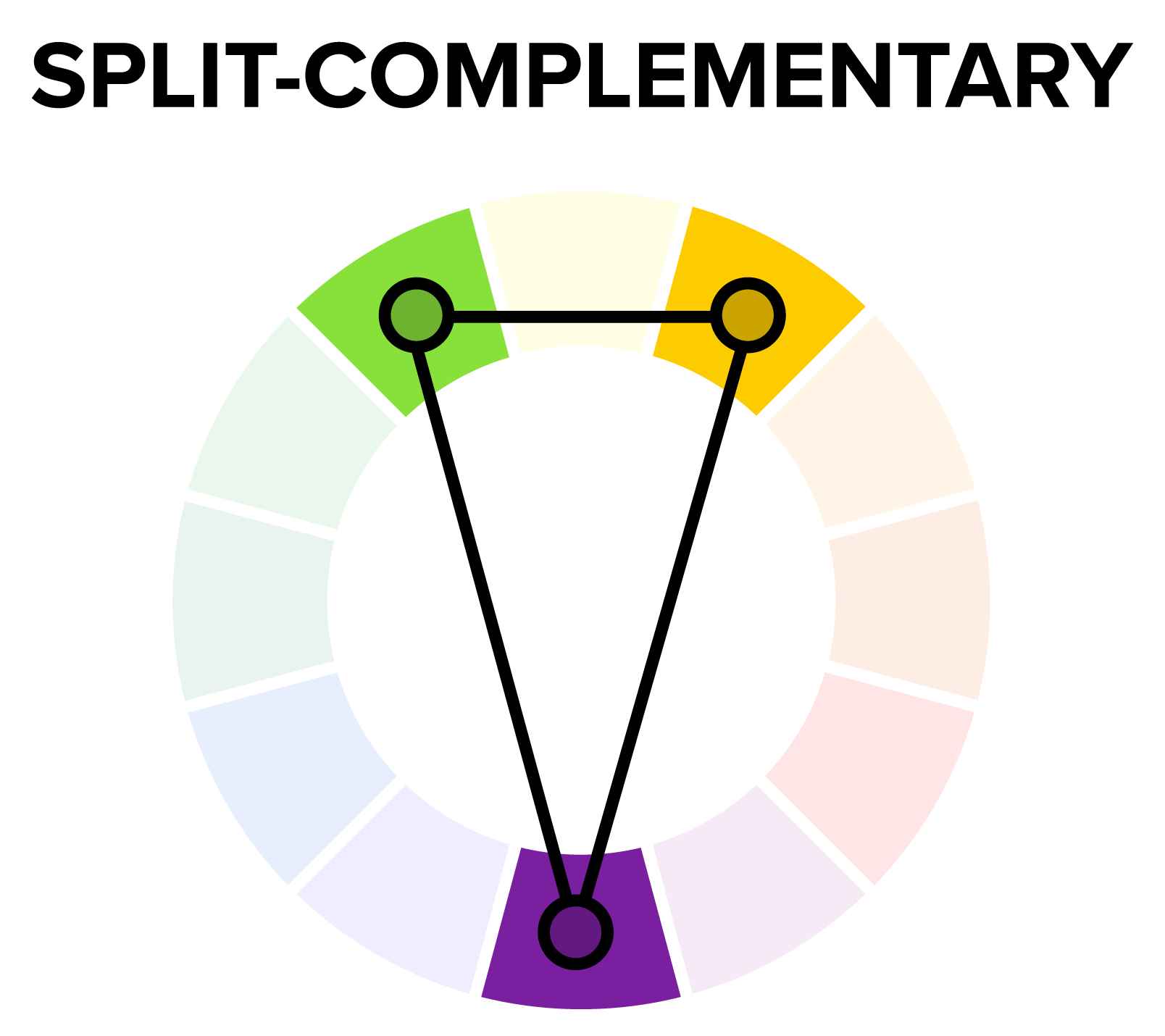
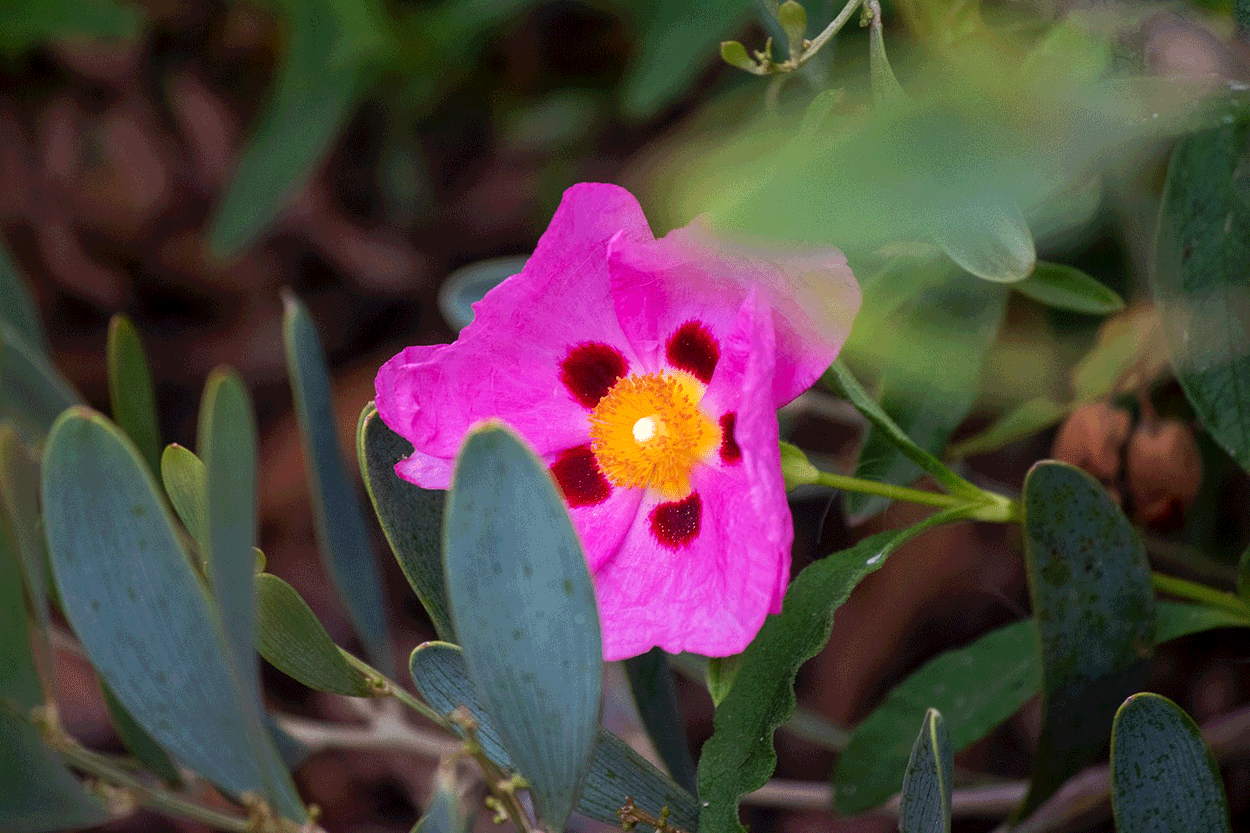
The image of the flower below demonstrates a split-complementary color scheme in nature photography. The three dominant colors, green, violet, and orange, sit in a split-complementary position on the color wheel, as shown in the graphic above.
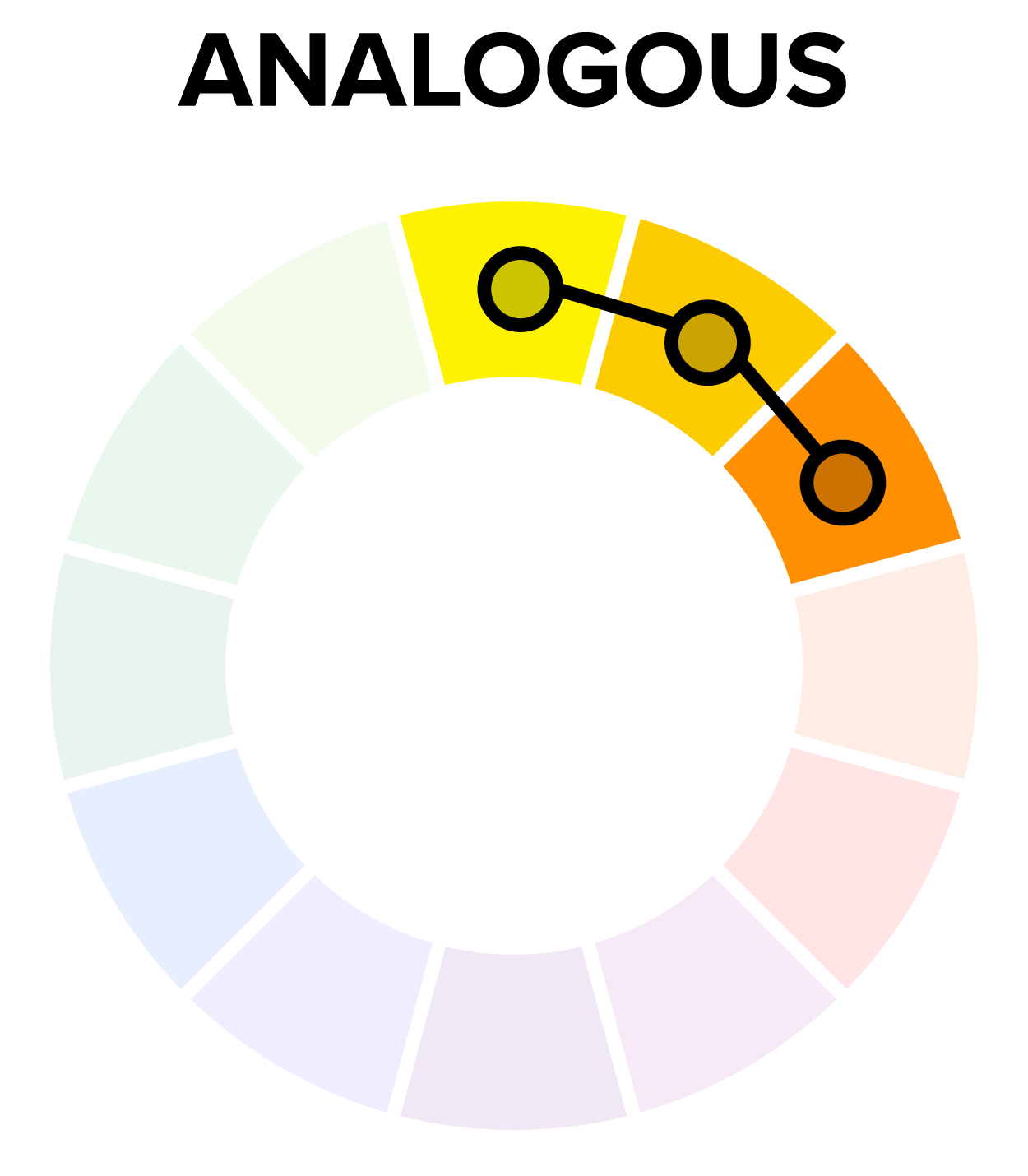
Analogous colors are colors that sit side by side on the color wheel. Analogous colors on one side of the color wheel are considered warm colors and on the opposite side are considered cool colors.
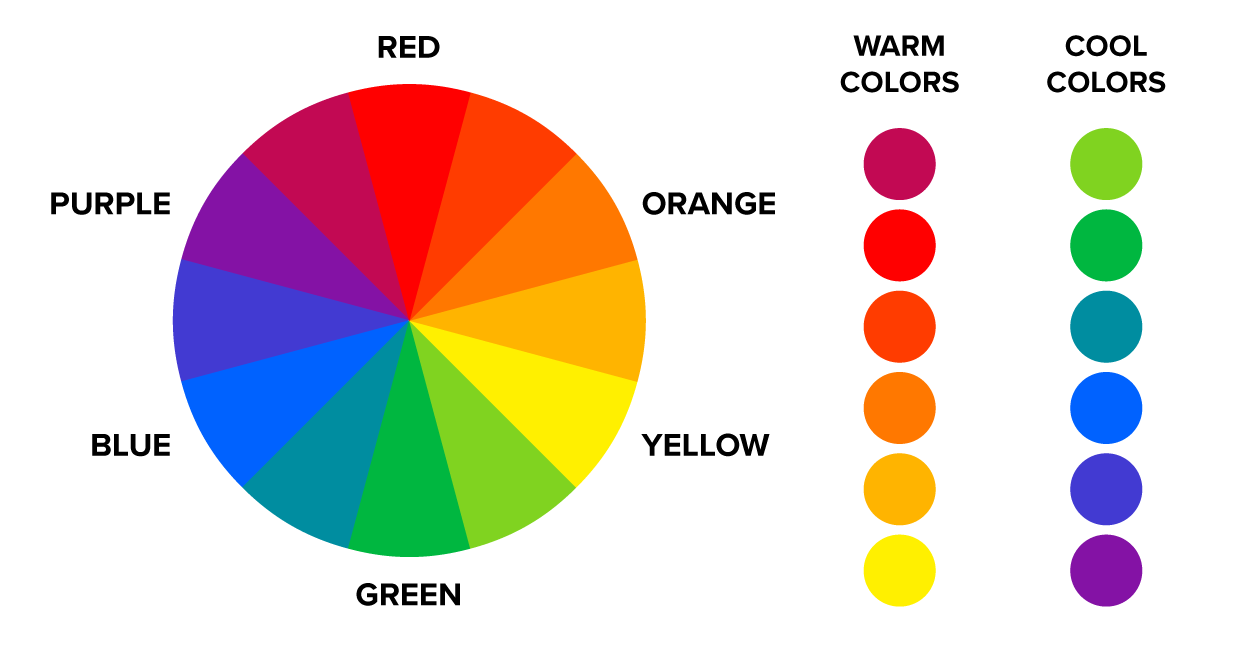
Yellow, orange, and red and their secondary and tertiary counterparts are considered warm colors. Greens, blues, and purples are cold colors. We refer to these color sets as warm and cold colors because of their psychological influences. Warm colors remind users of heat and are often used in designs to stimulate mental impressions of warmth, such as fire and sunlight. Cold colors have the opposite effect, suggesting cool or cold environments.
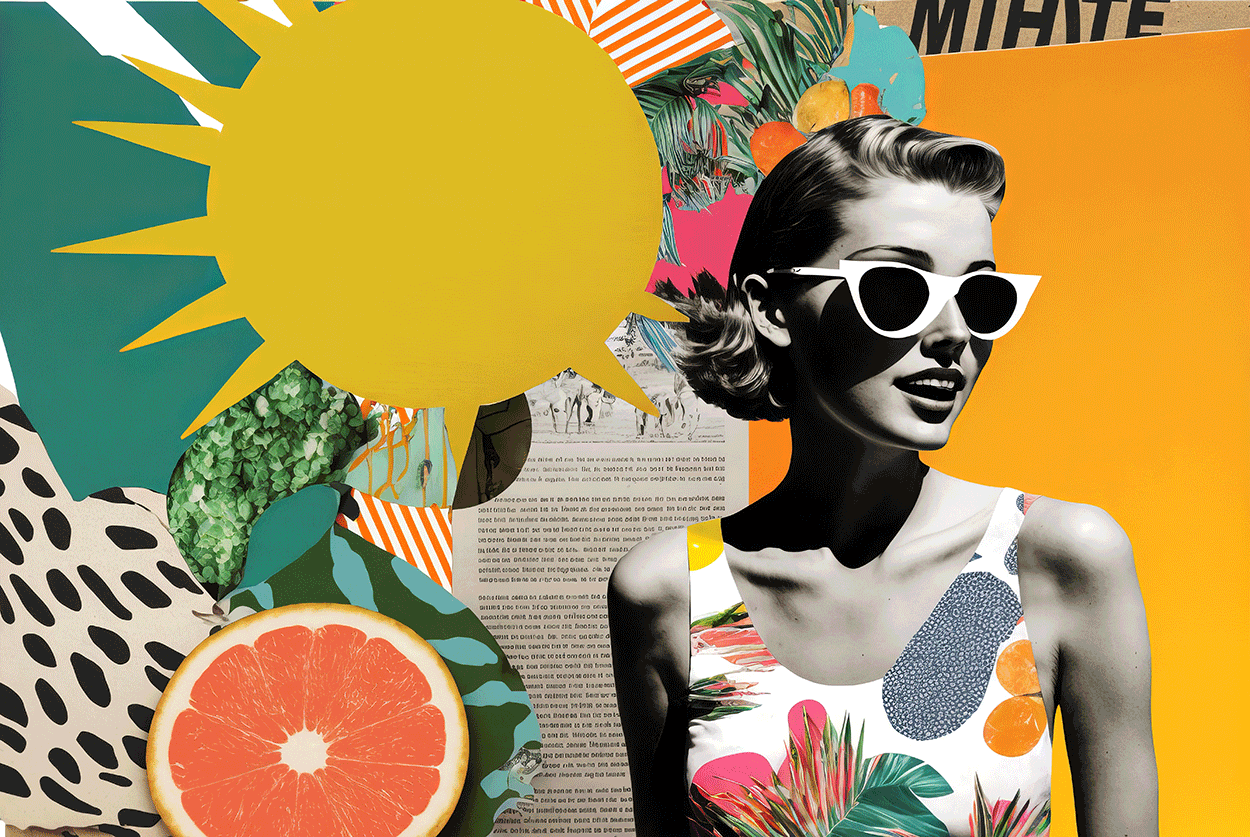
Warm and cool colors are often used in the same color schemes. Because many color relationships pair hues on opposite sides of the color wheel, they are aligned in warm and cold spectrums. From a color psychology standpoint, they can counterbalance each other in a design. For example, a painting of a cabin in a snowy forest may use yellow light in the window of the structure to show warmth juxtaposing the dark blue of the winter sky. In the image below, orange and yellow stimulate feelings of warmth, contrasting the blue-green, which triggers thoughts about swimming pools and the ocean. The colors in the image warm up and cool down the scene, balancing each other. On a deeper cognitive level, this makes users think about cooling off in the water on a hot day.
Josef Albers was an American artist, teacher, and author of Interaction of Color. Albers was actually a student at the quite prestigious Bauhaus in 1920 and studied under Johannes Itten, who developed the commonly used color wheel.
Josef Albers was a very accomplished artist and is best remembered as an abstract painter and theorist. He was fascinated by the effects of color and their interaction; he created pieces that seemed rather simple but played with the notion that colors interact with one another in interesting ways.
EXAMPLE
Simultaneous contrast, or the effect that two neighboring colors have on one another, is contained in one of Albers's laws of interaction.Below is a basic example of simultaneous contrast. You can see in the top image, there's a darker square on the left, with a gray square enclosed. On the right, there's a lighter square and another gray square enclosed within it.
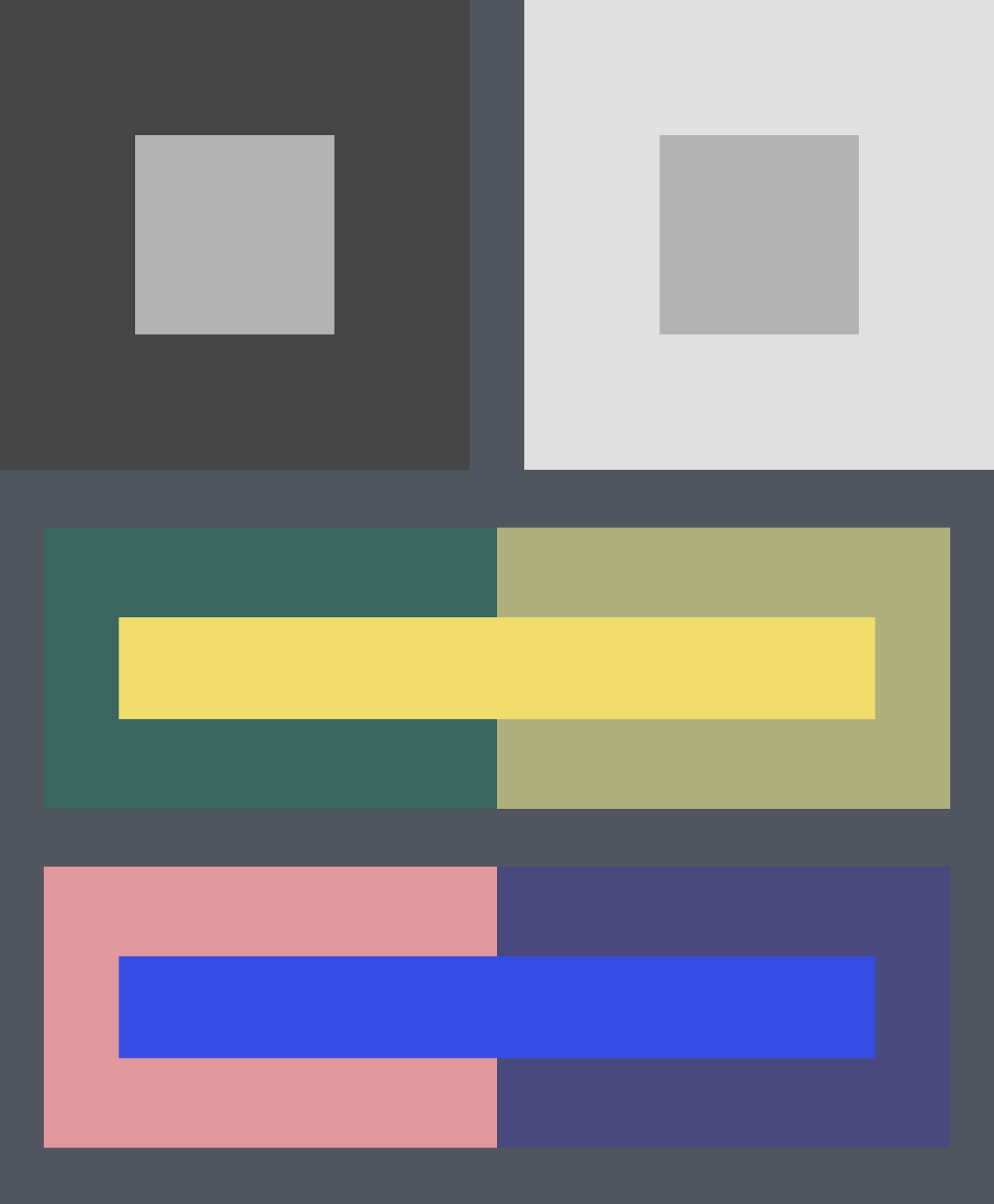
Josef Albers tried to drive home the idea that those combinations of colors create interesting interactions.
Source: THIS TUTORIAL WAS AUTHORED BY MARIO E. HERNANDEZ FOR SOPHIA LEARNING. PLEASE SEE OUR TERMS OF USE.