Table of Contents |
What factors, other than the product’s price, might affect a shopper’s demand for specific products? As you consider this question, you might find that your ideas could be grouped into a few different categories. You might have thought of changes to the individual shopper's budget, or to the price of alternate lunch snacks, or how advertising impacts shoppers' perception of needs and wants.
Economists have found that there are five non-price factors that shift demand curves:
Changes in our income can impact how much we can afford irrespective of product price. Obviously, when you have less income, you make fewer purchases. If our income increases, this increases our ability to make more purchases in general. We might decide to purchase a larger quantity of a specific product, such as three bags of the fancy chocolate instead of just one. Or we might decide that we now have sufficient dollars to splurge on that new laptop computer. Remember, we are looking at only one thing changing at a time: the price of the product is the same now as it was before your change in income. Likewise, if our income decreases, we might change our purchases to tighten the budget. We might cut out the fancy chocolate altogether, going from buying one bag to zero.
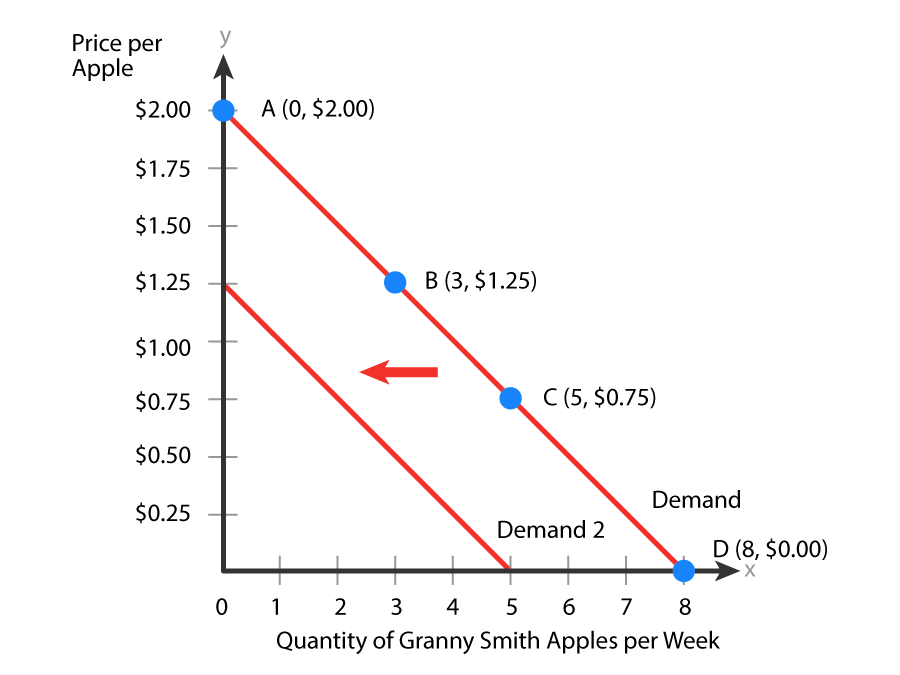
The impact of a change in income will be to shift the demand curve. Rising income is a favorable event for consumers, so the demand curve will shift to the right from the original curve. A reduction in income is an unfavorable event; the demand curve will shift to the left from the original curve, indicating lower quantities at all prices.
Returning to our Granny Smith example, let's take another look at the graph. Remember, the price of Granny Smith apples didn't change, but if you now make less income, you cannot afford to purchase as many goods and services in general and will buy fewer apples at the same prices. Therefore, the new demand curve shifts leftward closer to the axes.
Changes in prices of related goods are another factor that will shift the demand curve. Sometimes, you might choose to substitute one good for another. A substitute is a good or service that can be used in place of another good or service. When the price of Bounty brand paper towels rises, shoppers will substitute cheaper generic paper towels. This increases the demand for the generic brand towels and decreases demand for the Bounty towels. The demand curve for generic towels will shift rightward, while the Bounty demand curve shifts leftward.
Suppose each week you buy a mix of apples, half Gala and half Granny Smith. Suppose that the price of Gala apples increases, costing more than the Granny Smith apples. If you are like most price-conscious shoppers, you will substitute away from the more expensive apple to the less expensive one. In doing so, you will take home more Granny Smith apples at all prices and fewer Gala apples.
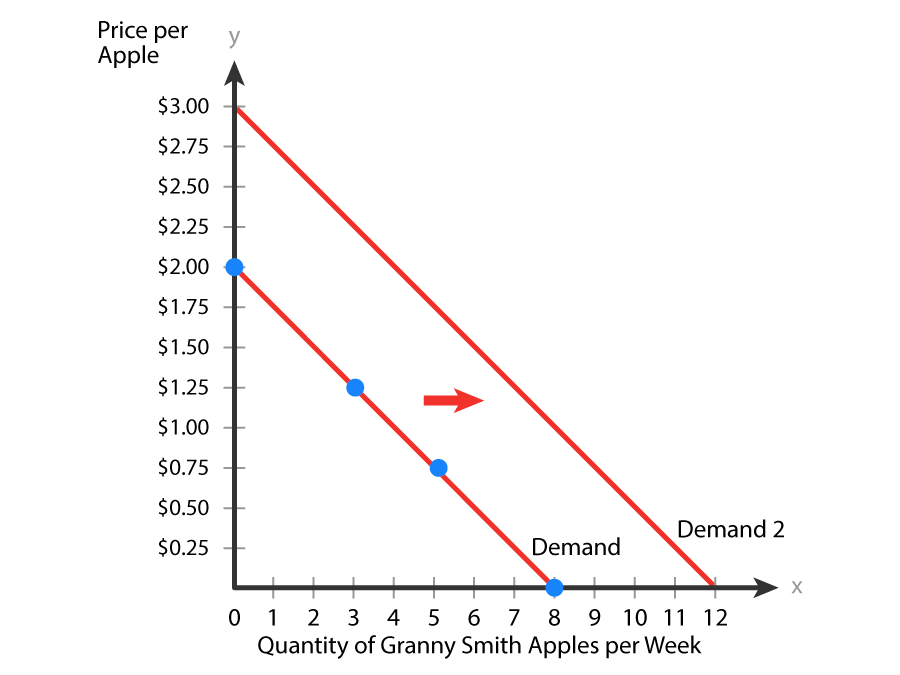
In other words, when the price of an alternative Gala apple goes up, shoppers substitute Granny Smith apples for Gala apples and the demand curve for the Granny Smith apple shifts to the right, reflecting higher quantities demanded at all prices.
A change in the price of a substitute good causes a shift in the demand curve for the original product.
EXAMPLE
Suppose you like to dip your apples in caramel. If the caramel apple dip goes on sale, then you buy more apples to make caramel apples. If you like to make apple pie and eat it with vanilla ice cream on top and the price of ice cream goes up, then you will purchase fewer apples. Changes in the price of a complementary good like caramel dip will change the demand for apples, shifting the demand curve to higher or lower quantities at all prices for apples.In the following graph, the price of the apples does not change, yet more apples are being purchased because the price of the complement good is lower.
Changes in buyers’ tastes and preferences are influenced by things like advertising, news reports, and customer product reviews. If there is good news reported about a product, or a fad is created, or a strong advertising campaign is launched, then these actions will influence a buyer’s willingness and ability to purchase a product.
EXAMPLE
Popular children’s movies often cultivate a taste for movie-related toys and merchandise. Parents wishing to satisfy children’s desires enthusiastically open their wallets. The Despicable Me series of movies, for example, generated a massive demand for products featuring the Minion characters from the films, grossing $230 million dollars in toy sales.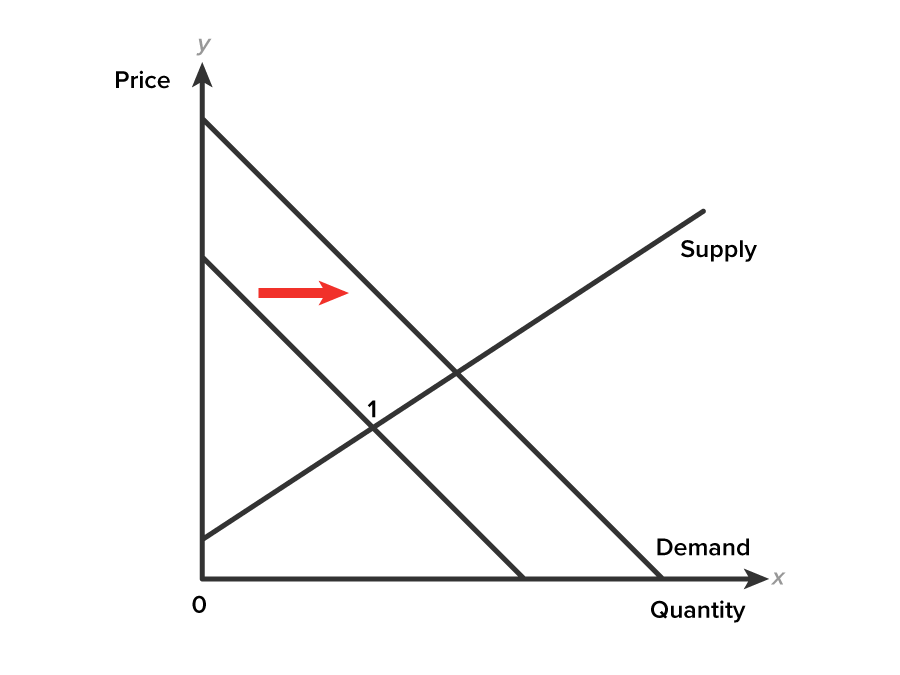
Negative customer product reviews and distressing news can reduce product demand.
EXAMPLE
Suppose you learn that Granny Smith apples are coated in a wax that makes them look glossier while Gala apples are not coated in wax. If you would prefer to eat unwaxed apples, this will influence your purchase of Granny Smith apples, causing a decrease in demand.Most shoppers tend to be not only price-conscious but also experienced in guessing how events might impact the price of the goods and services they buy. For example, people who love coffee might take note of bad weather reports from the major coffee bean growing countries in the world. This news can change people’s expectations about the price of coffee, which can cause coffee consumers to stock up on their favorite brands of coffee because they expect prices will increase in the near future. Another example of how expectations can influence consumer behavior involves the electronics industry, which produces a steady stream of updated devices. Shoppers often hold off purchasing cell phones, laptops, console devices, or video games until new versions are released because buyers know the previous version will go on sale. Expectations about what might happen to prices in the future affect buyers’ willingness and ability to make purchases in the present.
EXAMPLE
Suppose you are a video gaming enthusiast but you don’t own your preferred Nintendo gaming console. You hear news that Nintendo will release a new console in two months. Do you rush to the store to buy the current console now? No. You wait two months expecting the price of the current console to drop when it is replaced by the new console.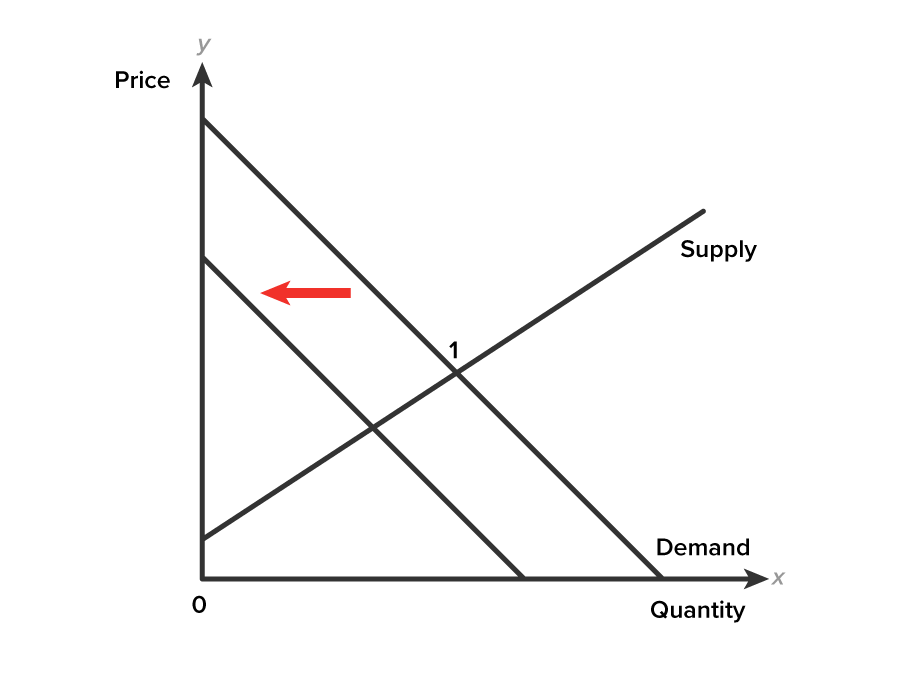
So far we have focused on a number of factors that influence the willingness and ability of individual buyers to make purchases. Now let’s consider what happens when we aggregate all the buyers who have a demand for a particular product. When you consider changes in the overall number of buyers for a product, you can estimate the market demand for that product. Increasing or decreasing the number of buyers for a product causes a change in demand.
EXAMPLE
In some countries, like Taiwan, Singapore, and Italy, the number of births has declined to one child per woman. With so few babies being born, industries associated with newborn baby essentials, like diapers and formula, will continue to experience declining demand for their products. On the other hand, as the population of those countries ages, demand for geriatric health care will boom.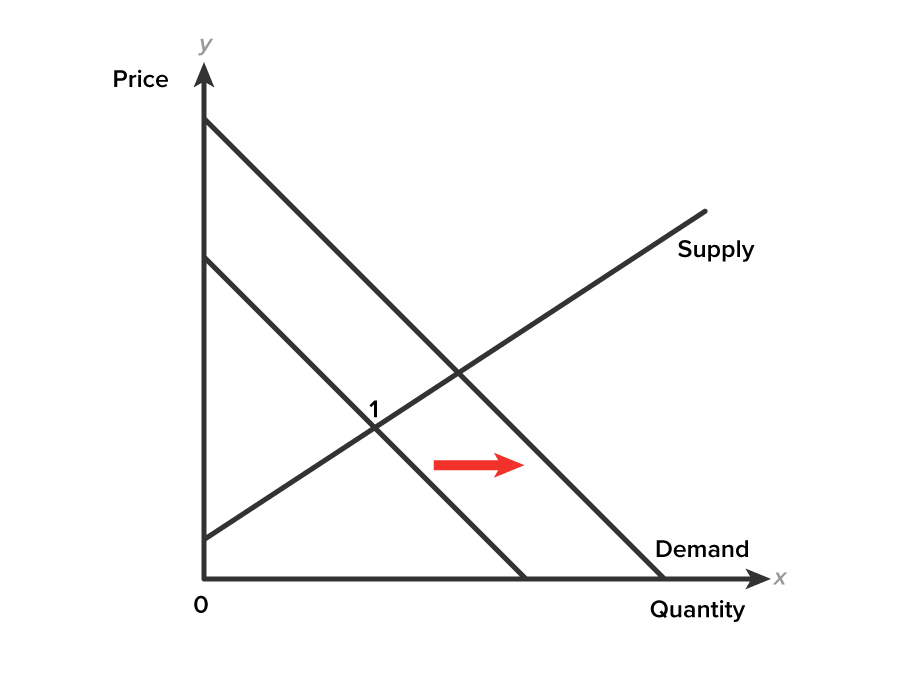
Here is a final reminder: it is important that you understand the difference between “movements along a demand curve” and “changes in demand.”
Source: THIS TUTORIAL HAS BEEN ADAPTED FROM OPENSTAX “PRINCIPLES OF ECONOMICS 2E”. ACCESS FOR FREE AT https://openstax.org/books/principles-economics-2e/pages/1-introduction. LICENSE: CC ATTRIBUTION 4.0 INTERNATIONAL.



