Table of Contents |
For many people, young adulthood is the time when their bodies are in the best condition. The body of a young adult does not need energy and resources to support the rapid growth and development that is needed in youth. However, eating habits and preferences developed during childhood and adolescence influence health and fitness into adulthood. Regardless of their health as adolescents, adults should still monitor their health decisions and make sure to eat a balanced and moderate diet as well as get enough physical activity.
In young adulthood, major organs and body systems have fully matured by this stage of the life cycle.
EXAMPLE
The human body reaches maximum cardiac output between ages twenty and thirty. Also, bone and muscle mass are at optimal levels, and physical activity helps to improve muscle strength, endurance, and tone. Healthy eating habits promote metabolic functioning, assist repair and regeneration, and prevent the development of chronic conditions.Young men typically have higher nutrient needs than young women; the energy requirements for women are 1,800 to 2,400 calories and 2,400 to 3,000 calories for men, depending on activity level. These estimates do not include women who are pregnant or breastfeeding, who need a higher energy intake.
For carbohydrates, the AMDR is 45 to 65 percent of daily calories. All adults, young and old, should eat fewer sugar-dense sources of carbohydrates and more complex carbohydrates and fiber. The AMDR for fiber is 22 to 28 grams per day for women and 28 to 34 grams per day for men. Soluble fiber may help improve cholesterol and blood sugar levels, while insoluble fiber can help prevent constipation.
The AMDR for protein is 10 to 35 percent of total daily calories and should include a variety of lean meat and poultry, eggs, beans, peas, nuts, and seeds. The guidelines also recommend that adults eat two 4-ounce servings (or one 8-ounce serving) of seafood per week.
All adults should limit total fat to 20 to 35 percent of their daily calories and keep saturated fatty acids to less than 10 percent of total calories by replacing them with monounsaturated and polyunsaturated fatty acids and avoid trans fats altogether.
| Nutrient | Adult Males | Adult Females |
|---|---|---|
| Vitamin A (mcg) | 900.0 | 700.0 |
Vitamin  (mg) (mg)
|
1.3 | 1.3 |
Vitamin  (mcg) (mcg)
|
2.4 | 2.4 |
| Vitamin C (mg) | 90.0 | 75.0 |
| Vitamin D (mcg) | 5.0 | 5.0 |
| Vitamin E (mg) | 15.0 | 15.0 |
| Vitamin K (mcg) | 120.0 | 90.0 |
| Calcium (mg) | 1,000.0 | 1,000.0 |
| Folate (mcg) | 400.0 | 400.0 |
| Iron (mg) | 8.0 | 18.0 |
| Magnesium (mg) | 400.0 | 310.0 |
Niacin ( ) (mg) ) (mg)
|
16.0 | 14.0 |
| Phosphorus (mg) | 700.0 | 700.0 |
Riboflavin ( ) (mg) ) (mg)
|
1.3 | 1.1 |
| Selenium (mcg) | 55.0 | 55.0 |
Thiamine ( ) (mg) ) (mg)
|
1.2 | 1.1 |
| Zinc (mg) | 11.0 | 8.0 |
There are a number of intake recommendations for young adults. According to the IOM, an adequate intake (AI) of fluids for men is 15.5 cups or 3.7 liters per day, from both food and liquids. The AI for women is 11.5 cups or 2.7 liters per day, from food and liquids. The majority of fluid intake should be from water instead of sugary beverages, such as soda. Fresh fruits and vegetables, including watermelon and cucumbers, are excellent food sources of fluid.
IN CONTEXT
Daily total water intake (fluid) is defined as the amount of water consumed from foods, plain drinking water, and other beverages.
Water helps your body:Your body needs more water when you are:
- Keep a normal temperature.
- Lubricate and cushion joints.
- Protect your spinal cord and other sensitive tissues.
- Get rid of wastes through urination, perspiration, and bowel movements.
- In hot climates.
- More physically active.
- Running a fever.
- Having diarrhea or vomiting.
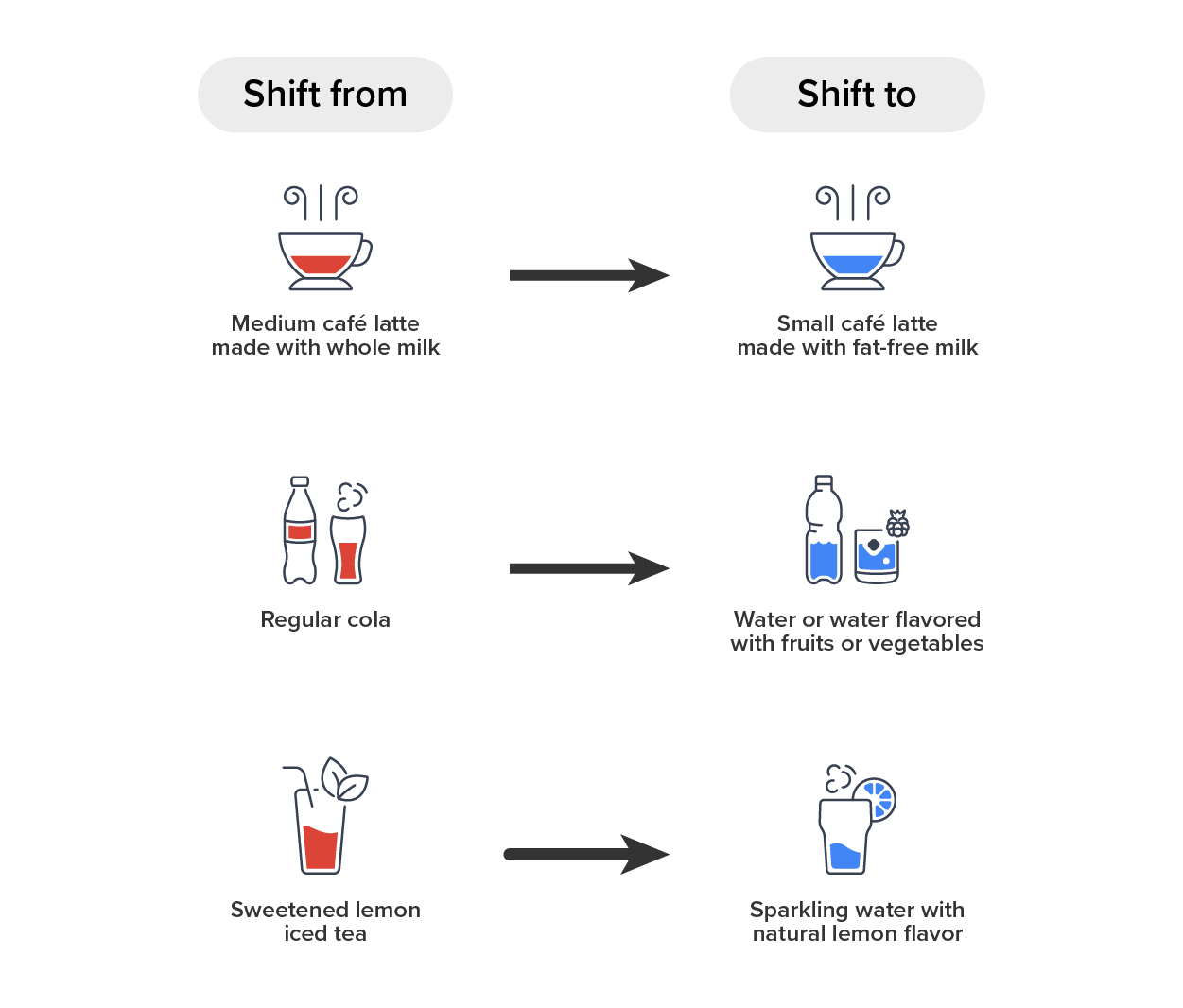
Of course, there are many other beverage options besides water, and many of these can be part of a healthy diet. However, avoiding sugary drinks is important to maintain calorie goals and still get enough fluid.
| Amount of Sugar and Calories in Common Drinks | ||
|---|---|---|
| Drink (12-ounce serving) | Teaspoons of Sugar | Total Drink Calories |
| Tap or Unsweetened Bottled Water | 0 | 0 |
| Unsweetened Tea | 0 | 0 |
| Lemonade, powder, prepared with water | 3 | 55 |
| Sports Drinks | 5 | 97 |
| Brewed Sweet Tea | 7 | 115 |
| Energy Drink | 9 | 162 |
| Regular Soda | 10 | 155 |
| Fruit Juice Drink | 10 | 186 |
| Regular Orange Soda | 13 | 195 |
As a part of a healthy diet, we should be conscious of the decisions we make when it comes to healthy drinks. Let’s take a look at some alternatives.
In addition to sugary drinks and added sugars, young adults should avoid consuming excessive amounts of sodium. The body needs a small amount of sodium to function, but most Americans consume too much sodium. High sodium consumption can raise blood pressure, and high blood pressure is a major risk factor for heart disease and stroke. Most of the sodium we consume is in the form of salt. The words salt and sodium are not exactly the same, yet these words are often used interchangeably.
EXAMPLE
The Nutrition Facts Panel on foods in the grocery store uses “sodium,” while the front of the package may say “no salt added” or “unsalted.” Therefore, it is best to limit sodium to less than 2,300 milligrams per day. For individuals with hypertension or prehypertension, further reduction to 1,500 mg of sodium per day can result in greater blood pressure reduction.Even foods that may not taste salty can be major sources of sodium. Foods with only moderate amounts of sodium, such as bread, can be major sources in our diets because we eat so much of them. Sodium content can vary across the same types of foods by brand.
EXAMPLE
A slice of frozen cheese pizza can have between 370 mg and 730 mg of sodium; a cheeseburger from a fast food restaurant can have between 710 mg and 1,690 mg.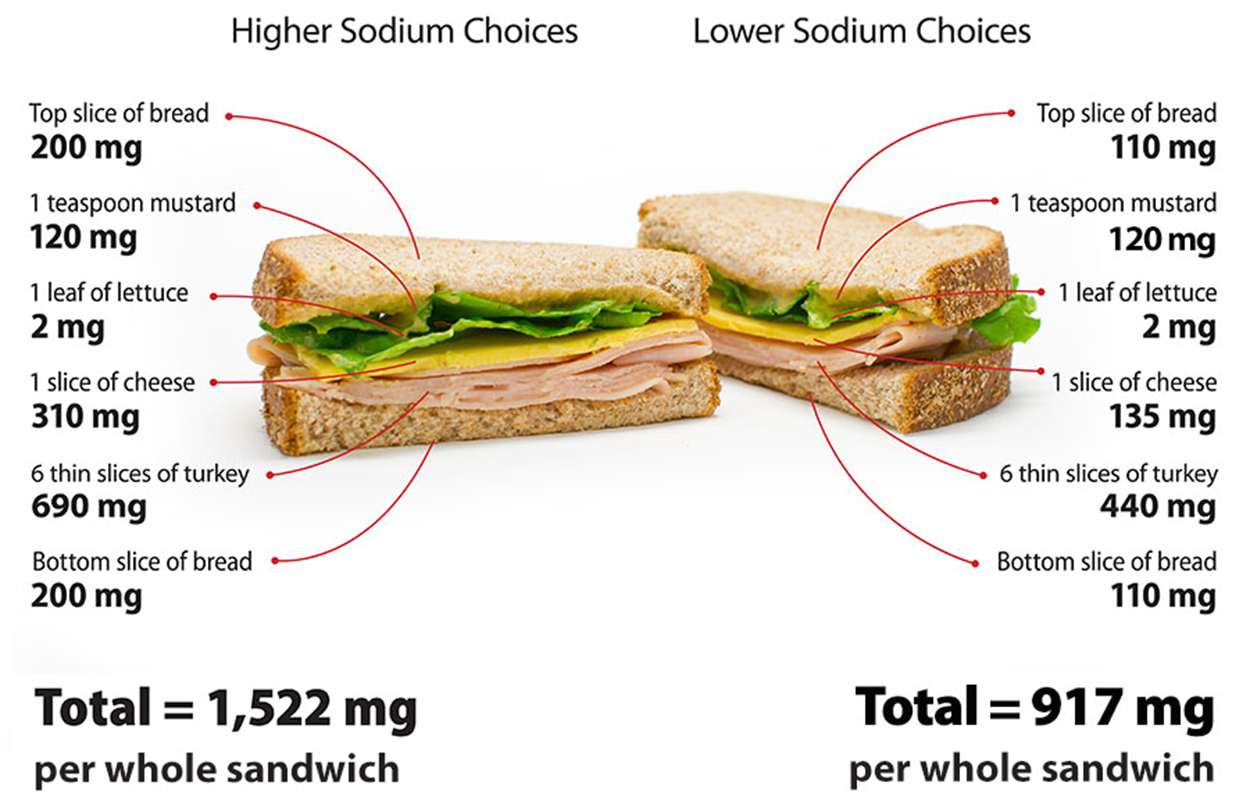
Good nutrition during the young adult years can help to support gastrointestinal integrity and prevent digestive disorders, such as constipation and diarrhea. Dietary fiber helps bind indigestible food together and normalize bowel movements. It also holds more water in the stool to make it softer for those who suffer from constipation. Excellent sources of fiber include oats, barley, rye, wheat, brown rice, celery, carrots, nuts, seeds, dried beans, oranges, and apples. In addition, healthy intestinal microflora can be supported by prebiotics, which stimulate the growth of beneficial bacteria already in the colon and are found in fruits and vegetables, and probiotics, which change or improve the bacterial balance in the gut and are found in yogurt.
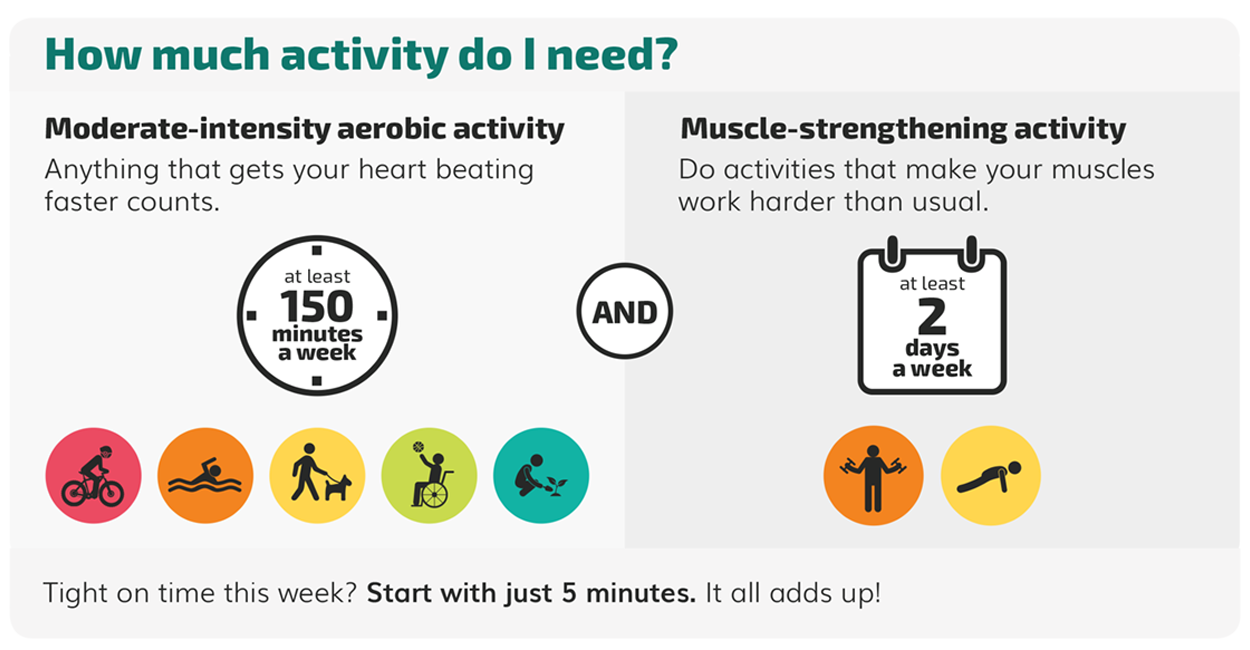
In young adulthood, achieving and maintaining a healthy weight includes healthy eating, physical activity, optimal sleep, and stress reduction. Regular physical activity is important for good health, and it’s especially important if you’re trying to lose weight or to maintain a healthy weight.
Solid fats, alcohol, and added sugars (SoFAAS) make up 35 percent of total calories for most people, leading to high levels of saturated fat and cholesterol and insufficient dietary fiber. Therefore, it is important to limit unrefined carbohydrates and processed foods.
Source: THIS TUTORIAL HAS BEEN ADAPTED FROM LUMEN LEARNING’S “NUTRITION FLEXBOOK”. ACCESS FOR FREE AT https://courses.lumenlearning.com/suny-nutrition/. LICENSE: creative commons attribution 4.0 international.
REFERENCES
Institute of Medicine. www.iom.edu
Centers for Disease Control and Prevention. (2022, June 7). Rethink your drink. Centers for Disease Control and Prevention. Retrieved July 21, 2022, from www.cdc.gov/healthyweight/healthy_eating/drinks.html
U.S. Department of Health and Human Services. (n.d.). How much should I eat? quantity and quality. National Institute on Aging. Retrieved July 21, 2022, from www.nia.nih.gov/health/how-much-should-i-eat-quantity-and-quality
Centers for Disease Control and Prevention. (2022, June 2). How much physical activity do adults need? Centers for Disease Control and Prevention. Retrieved July 21, 2022, from www.cdc.gov/physicalactivity/basics/adults/index.htm



